

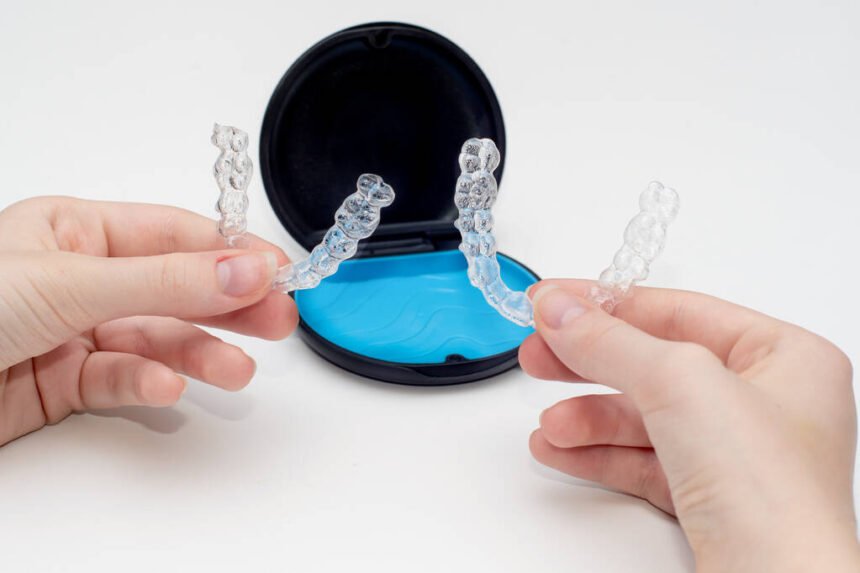
The American Dental Association’s 2024 practice survey reveals that clear aligner therapy has grown by 85% among general dentists over the past three years, with Invisalign leading the market. As this technology has shifted from specialty orthodontic offices to mainstream dental practices, pricing structures have become more complex and understanding what drives those costs has become crucial for anyone considering treatment.
Today’s dental patients face a landscape where Invisalign treatment can range from $3,000 to $8,000, depending on factors that aren’t always transparent upfront. Insurance coverage varies wildly, financing options have multiplied, and the technology itself continues evolving rapidly. For adults and parents weighing this investment against traditional braces or simply wondering whether the cost justifies the benefits, navigating these decisions requires understanding not just the price tag, but the mechanics behind it.
What follows is a comprehensive breakdown of how Invisalign costs are actually structured, what factors create the biggest price variations, and how to evaluate the financial picture realistically. We’ll examine the treatment process that drives these costs, compare the economics against traditional alternatives, and explore the insurance and payment landscape that can make or break affordability.
What Shapes the Current Cost of Invisalign Treatment
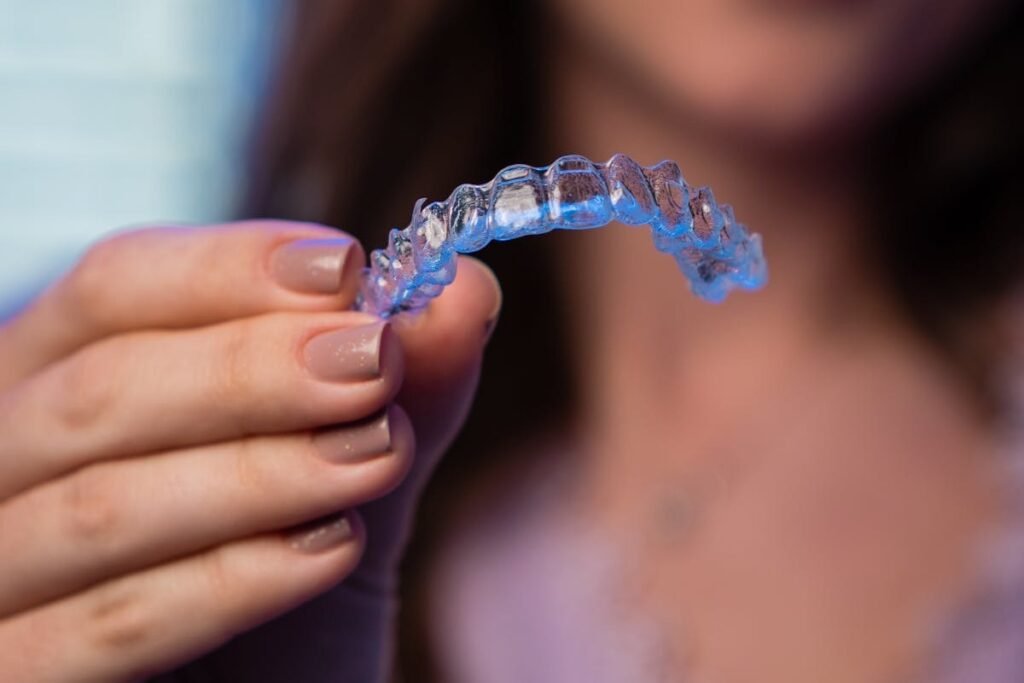
The surge in clear aligner popularity hasn’t happened in isolation it reflects broader changes in dental technology, patient expectations, and treatment accessibility that directly impact pricing. Invisalign’s proprietary scanning and manufacturing process requires significant upfront technology investment from dental practices, from the iTero digital scanners that capture precise tooth impressions to the specialized training orthodontists and general dentists need to plan treatments effectively.
This technology integration has created a tiered pricing structure across different practice types. Specialist orthodontic offices that handle primarily complex cases often charge premium rates, while general dental practices offering Invisalign for simpler corrections may price more competitively. The result is a market where identical treatment complexity can cost $1,500 to $2,000 more at an orthodontic specialty practice compared to a general dentist, purely based on practice overhead and positioning.
Regional economic factors further complicate the picture. Metropolitan areas with higher commercial rent and labor costs typically see Invisalign prices 20-30% above national averages, while rural markets may offer lower baseline pricing but fewer practitioner options. The treatment’s popularity has also shifted insurance coverage patterns many employers now include orthodontic benefits that specifically cover adult treatment, recognizing clear aligners as a workplace-friendly option that won’t impact professional appearance during treatment.
Perhaps most significantly, Invisalign’s manufacturing efficiency improvements over the past five years have reduced per-aligner production costs, but those savings haven’t necessarily translated to lower patient prices. Instead, practices have often reinvested the margin into enhanced treatment planning, more frequent monitoring, and additional services that improve outcomes but maintain higher price points.
Which Factors Have the Biggest Impact on Invisalign Costs
Understanding Invisalign pricing requires recognizing that each treatment is essentially custom manufacturing combined with professional orthodontic services. The base cost covers case planning, aligner production, and ongoing monitoring, but several variables can significantly adjust the final investment required.
Treatment complexity stands as the primary cost driver, though it’s often misunderstood. Simple spacing corrections or minor crowding typically require 12-20 aligners and 6-9 months of treatment, falling into Invisalign’s “Express” category with costs between $3,000-$4,500. Moderate cases involving more significant tooth movement, bite adjustments, or multiple phases may need 25-40 aligners over 12-18 months, pushing costs into the $4,500-$6,500 range. Complex cases requiring attachments, rubber bands, or coordination with other dental work can exceed $7,000 and extend beyond two years.
How Complexity and Treatment Duration Affect Costs
The relationship between case complexity and cost isn’t linear it’s more like a step function where crossing certain thresholds triggers substantial price increases. Cases requiring tooth extractions, significant bite correction, or multiple treatment phases often double in complexity and cost compared to straightforward alignment cases.
Invisalign categorizes treatments into distinct product lines with different pricing structures. Invisalign Lite covers up to 14 aligners for minor corrections, Comprehensive handles most standard cases with unlimited aligners within the treatment timeframe, and Complex cases may require additional planning phases or refinement sets. Each category jump typically adds $1,000-$2,000 to treatment cost.
Treatment duration impacts more than just the number of aligners needed. Longer cases require more monitoring appointments, potential mid-course corrections, and higher likelihood of refinement phases if initial results don’t meet expectations. Patients who struggle with compliance — wearing aligners less than the recommended 22 hours daily often extend treatment timelines and require additional aligner sets, creating unexpected costs that aren’t covered in initial treatment estimates.
How Technology and Location Influence Pricing Variations
Invisalign’s digital treatment planning technology represents a significant portion of case costs, though patients rarely see this itemized separately. The SmartTrack material used in current aligners, digital scanning systems, and computer-aided treatment planning all require ongoing licensing fees that practices pass through to patients. Offices using older Invisalign technology or alternative clear aligner systems may charge less but potentially deliver different treatment precision.
Geographic pricing variations reflect more than just local economic conditions. States with higher concentrations of orthodontists create more competitive markets, potentially lowering prices, while areas with limited specialist access may see premium pricing. Urban practices often bundle additional services like teeth whitening or retainer programs into treatment costs, while smaller practices may offer more basic packages at lower prices.
The practitioner’s Invisalign case volume also influences pricing structure. High-volume providers often receive better per-case rates from Invisalign and may pass some savings to patients, while low-volume practices might charge premium rates to cover their higher per-case costs. Some practices offer volume discounts for multiple family members or package deals that include post-treatment services, creating additional pricing variations within the same geographic area.
How Does the Invisalign Treatment Process Work
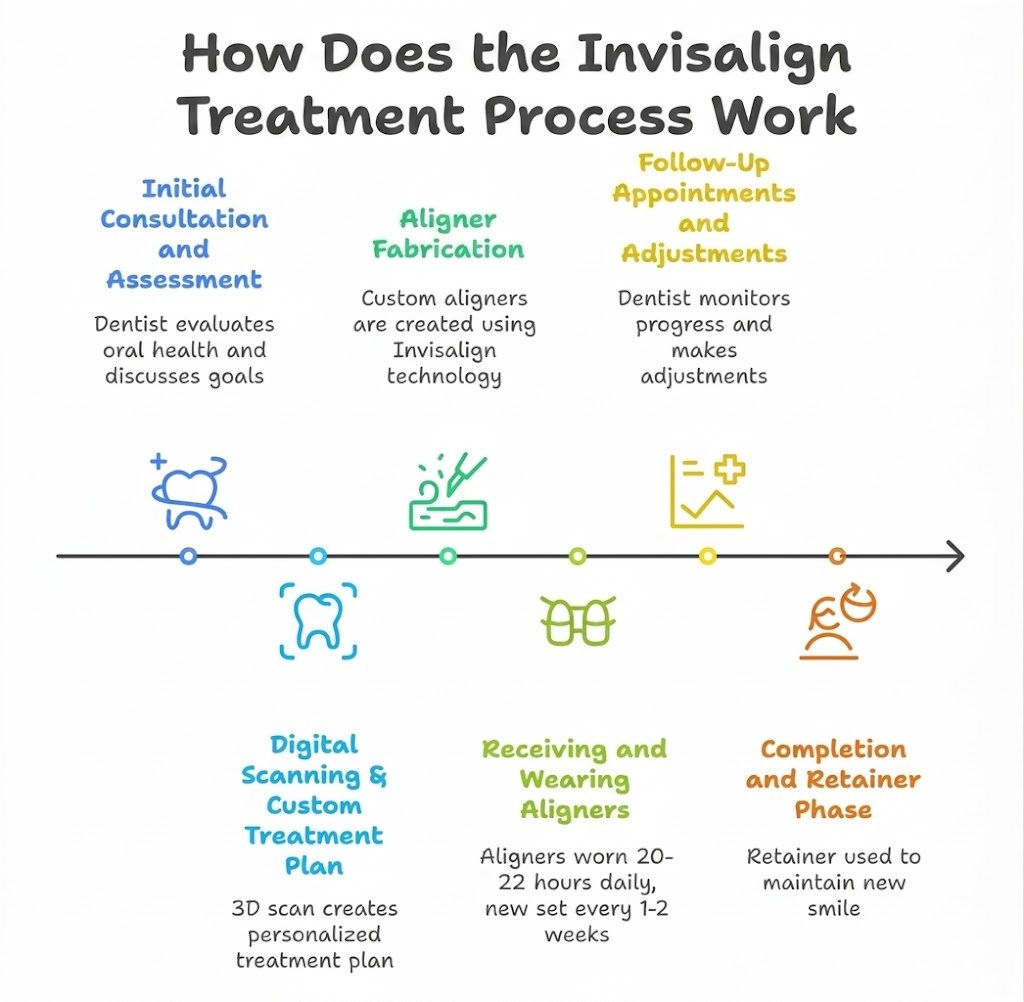
Invisalign treatment begins with digital scanning technology that captures detailed 3D images of current tooth positions and oral anatomy. This process, using systems like the iTero scanner, replaces traditional impression materials and provides the foundation for computer-aided treatment planning. The scanning appointment typically takes 20-30 minutes and allows both patient and dentist to visualize projected treatment outcomes before beginning therapy.
Treatment planning happens through Invisalign’s proprietary ClinCheck software, where dental professionals map out incremental tooth movements and determine the total number of aligners needed. This phase requires significant clinical expertise — dentists must understand orthodontic principles, predict tissue response, and account for patient-specific factors like age, bone density, and compliance likelihood. The planning process typically takes 1-2 weeks and may involve multiple revisions before finalizing the treatment sequence.
Once the treatment plan is approved, Invisalign’s manufacturing facility produces the complete series of custom aligners using SmartTrack material designed for controlled force application. Each aligner in the series moves teeth approximately 0.25mm, with patients typically progressing through aligners every 1-2 weeks depending on their specific treatment plan and response to movement.
Active treatment requires regular monitoring appointments every 6-10 weeks to track progress and make any necessary adjustments. During these visits, dentists assess whether teeth are moving as predicted, evaluate patient compliance, and determine if refinements or mid-course corrections are needed. Many practices now use comfortable clear aligners invisalign technology that includes progress tracking through mobile apps, allowing for more efficient monitoring between in-person appointments.
The refinement phase addresses any discrepancies between planned and actual tooth movement. Approximately 70% of Invisalign cases require at least one refinement series, involving new scans, revised treatment planning, and additional aligners to achieve optimal results. This phase is typically included in comprehensive treatment packages but represents additional time and complexity that impacts overall treatment value.
How Does Invisalign Cost Compare to Traditional Braces
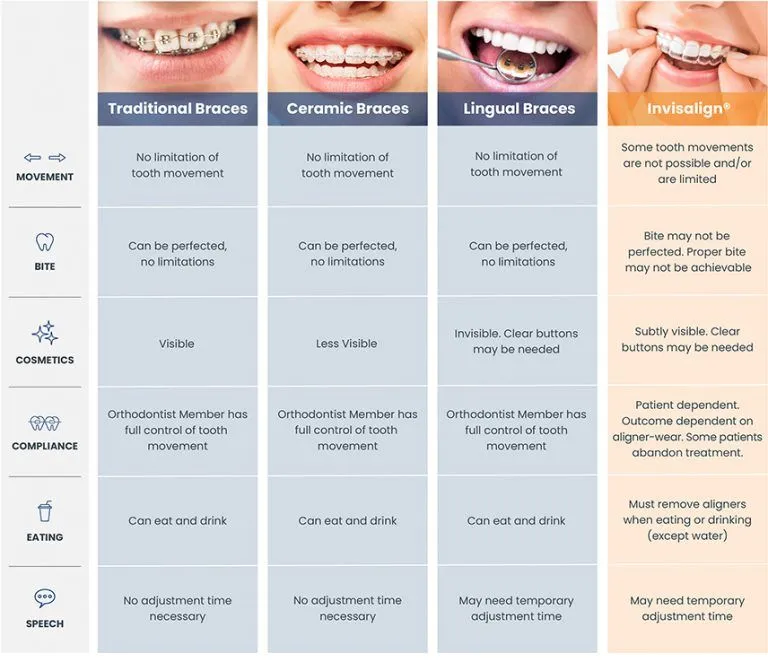
Traditional metal braces typically range from $2,500 to $6,000, positioning them as a lower-cost alternative to Invisalign in most markets. However, direct price comparison misses important factors that affect total treatment investment and patient experience. Braces require more frequent adjustment appointments typically every 4-6 weeks compared to Invisalign’s 6-10 week intervals and often involve additional procedures like spacer placement, wire replacements, and emergency visits for broken brackets.
The hidden costs of traditional braces can narrow the price gap significantly. Emergency appointments for broken wires or loose brackets, special cleaning tools and techniques, dietary restrictions that may require meal planning changes, and potential workplace or social impacts all represent indirect costs that patients should factor into their decision. Additionally, braces treatment often requires more post-treatment retainer use, with replacement costs that can exceed $500 annually.
Treatment speed presents another economic consideration. Invisalign treatment often takes 12-18 months compared to 18-36 months for traditional braces, particularly in adult patients where bone remodeling happens more slowly. Shorter treatment duration means fewer monitoring appointments, less time off work for dental visits, and earlier return to normal dietary habits. For adult patients, this time savings often justifies higher upfront costs.
Outcome predictability favors Invisalign in many cases, particularly for complex adult treatments. The digital planning process provides more accurate treatment timeline estimates and allows patients to visualize expected results before beginning therapy. Traditional braces rely more on practitioner experience and ongoing adjustments, creating more variability in treatment duration and final outcomes. This predictability factor becomes especially valuable for adults with professional or personal timeline constraints.
However, traditional braces maintain advantages for certain case types, particularly severe crowding, significant bite corrections, or treatments requiring precise root positioning. The continuous force application and practitioner control available with braces can achieve results that clear aligners struggle with, potentially avoiding more complex two-phase treatments that drive up total costs.
What Insurance and Payment Options Affect Invisalign Affordability
Orthodontic insurance coverage has evolved significantly as clear aligners gained mainstream acceptance, but benefits structures remain complex and variable. Most dental insurance plans that include orthodontic coverage provide a lifetime maximum benefit of $1,000-$2,500, regardless of treatment type chosen. This coverage typically applies equally to Invisalign and traditional braces, though some plans may have specific exclusions for cosmetic versus medically necessary treatments.
The key distinction lies in how plans define medical necessity. Clear aligners for purely cosmetic spacing improvements may not qualify for coverage, while treatments addressing bite problems, crowding that impacts oral health, or spacing that creates cleaning difficulties typically receive full orthodontic benefits. Patients should verify coverage specifics before beginning treatment, as retroactive benefit denials can create significant financial stress.
Flexible spending accounts (FSAs) and health savings accounts (HSAs) provide additional affordability options, allowing patients to use pre-tax dollars for orthodontic treatment. These accounts can cover the portion of treatment not covered by insurance, effectively reducing total cost by 20-35% depending on the patient’s tax bracket. However, FSA funds must typically be used within the plan year, requiring careful timing coordination with treatment start dates.
Practice-based financing has become increasingly sophisticated, with many offices offering zero-interest payment plans, extended payment terms, and third-party financing through companies like CareCredit. These options often make higher-cost comprehensive treatment accessible to patients who couldn’t afford large upfront payments, though patients should carefully review terms to understand total financing costs.
Cost-effectiveness analysis should consider the long-term value of orthodontic treatment beyond just the initial investment. Properly aligned teeth are easier to clean effectively, potentially reducing future dental costs related to decay, gum disease, and premature tooth loss. For adult patients, the professional and social confidence benefits of discreet treatment often justify premium pricing over traditional alternatives.
The most effective approach to Invisalign affordability involves comprehensive planning that examines total treatment value rather than just upfront costs. As dental technology continues advancing and insurance coverage expands, patients who understand these financial mechanics are better positioned to make decisions that balance cost considerations with treatment quality and personal priorities.