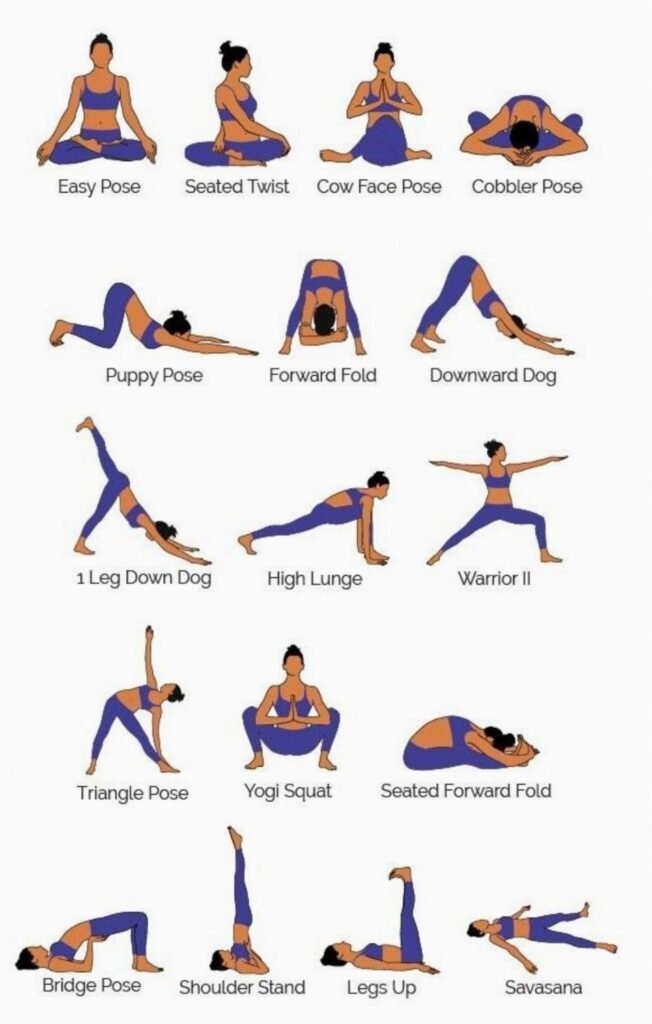
People do not usually begin yoga because life is going wonderfully. More often, they come to it when something feels off. The body has become stiff in a way that no amount of sleep seems to fix. The mind keeps moving long after the day is over. Breathing has turned shallow, though they may not have noticed that until the room goes quiet and someone asks them simply to inhale, slowly, and stay there for a moment.
That is often how yoga starts. And perhaps that is why the benefits of yoga are so often misunderstood. From a distance, yoga can look like stretching, or discipline, or a polished wellness habit performed by people in linen. But real practice is less decorative than that. It meets people where they actually live: in tired bodies, crowded minds, uneven emotions, and nervous systems that have forgotten how to settle. Yoga does not solve all this in one graceful hour. It does something more believable. It creates conditions in which a person can begin to feel themselves again, more accurately and with less resistance.
What Are the Benefits of Yoga for the Body?
Ask a beginner what changed first, and the answer is usually physical. Not dramatic. Just noticeable. The back feels less locked. The hips complain less. Standing in the kitchen no longer feels like a burden by evening. These are modest shifts, but they matter because they speak to daily life, not performance.
A practical response to what are the benefits of yoga begins there. Yoga helps restore movement where modern routines tend to reduce it. Many bodies now spend hours folded over laptops, driving, sitting, scrolling, waiting, carrying stress in the jaw and shoulders as if this were ordinary posture. Eventually the body accepts these habits as normal and starts organizing itself around them. That is when stiffness begins to feel permanent.
health benefits of yoga
Yoga interrupts that pattern. It asks the spine to lengthen instead of collapse. It asks the feet to bear weight with more awareness. It asks the ribs to move, the hips to release, the neck to stop doing the work of the whole body. Over time, flexibility improves, yes, but so does something more useful: coordination. The body begins to understand itself better.
Strength enters the picture too, though not always in the loud language associated with exercise culture. Yoga builds support from the inside out. A pose held with attention can reveal how much effort is being wasted and where better alignment can do more than brute force. One of the quieter health benefits of yoga is exactly this: the body stops fighting itself quite so much.
And then there is breath. A person may come to class convinced they are only there to stretch, only to discover that their breathing has been clipped and hurried for months. Yoga has a way of exposing that without accusation. It slows the pace enough for the truth to become visible.
The Health Benefits of Yoga for Mental and Emotional Well-Being
The Health Benefits of Yoga for Mental and Emotional Well-Being
This is where the conversation deepens. The health benefits of yoga are often reduced to stress relief, which is true but incomplete. Yoga can calm the mind, certainly, though not always in the sentimental way wellness culture likes to advertise. Sometimes it calms. Sometimes it clears. Sometimes it reveals just how overstimulated a person has been.
That, too, is valuable. A mind that never pauses begins to mistake speed for normality. Thoughts come faster; reactions harden; patience thins out. Yoga disrupts this momentum by demanding attention in a very specific way. Breath matters. Sensation matters. The present shape of the body matters. If the mind wanders, it is gently brought back. And then back again. There is nothing glamorous about this, yet it changes something fundamental. Attention becomes less scattered.
Emotional steadiness often grows from the same place. Not because yoga makes life easy. It does not. But it can widen the gap between feeling and reaction. That is no small thing. To notice frustration before it spills over. To sense anxiety rising without immediately surrendering to it. To remain in mild discomfort without treating it as danger. These are not abstract spiritual achievements. They are daily skills.
Yoga also brings people into contact with themselves in a quieter way than most modern habits allow. In stillness, certain truths become harder to avoid. Fatigue. Sadness. Irritation. Restlessness. Many people discover in class not that they are peaceful, but that they are exhausted. That kind of honesty can be uncomfortable. It can also be the beginning of better care.
How a Regular Yoga Practice Changes Ordinary Life?
How a Regular Yoga Practice Changes Ordinary Life?
A real yoga practice rarely announces itself with grand transformation. It shows up in ordinary moments.
You notice that you are no longer clenching your jaw through emails. You catch your shoulders before they rise into your ears. You breathe differently in traffic. You recover more quickly after a difficult conversation. Sleep comes a little easier. Not every night, perhaps, but more often than before.
This is why a regular yoga practice matters more than any single session. Its influence is cumulative. It teaches return. Return to the breath. Return to the body. Return to the present moment when the mind has gone racing into old worries or future pressures. The lesson is simple, but it reaches far beyond the mat.
There is something else yoga teaches, and it may be one of its most humane qualities: not every day feels the same, and that is not failure. Some days the body opens easily. Some days it does not. Some days attention is steady. Other days, it scatters in every direction. Yoga makes room for this variability without turning it into drama. In that sense, it offers not perfection but relationships.
And for many people, that becomes the deepest answer to what are the benefits of yoga. Not only better posture, stronger muscles, or improved balance, though all of these matter. Something quieter. A less adversarial way of living inside one’s own body and mind.
The Lasting Value of Yoga
The most honest answer to what are the benefits of yoga is that yoga works on more than one level at once. It can improve mobility, balance, breathing, posture, and physical awareness. It can also support concentration, emotional steadiness, and a less reactive relationship with stress.
But beyond the measurable gains, yoga offers a different quality of attention. It teaches people to notice earlier, force less, and listen more carefully. Approached with patience, it becomes more than exercise and more than a concept. It becomes a practice of returning to oneself with a little more clarity, and often, with a little more kindness.
Natalia Dankwa is a licensed clinical social worker (LCSW) specializing in psychotherapy. She provides compassionate care for individuals dealing with stress, anxiety, depression, and life transitions. With a focus on mental health and emotional well-being, Natalia uses evidence-based approaches to help clients build resilience, develop coping strategies, and improve overall quality of life.