

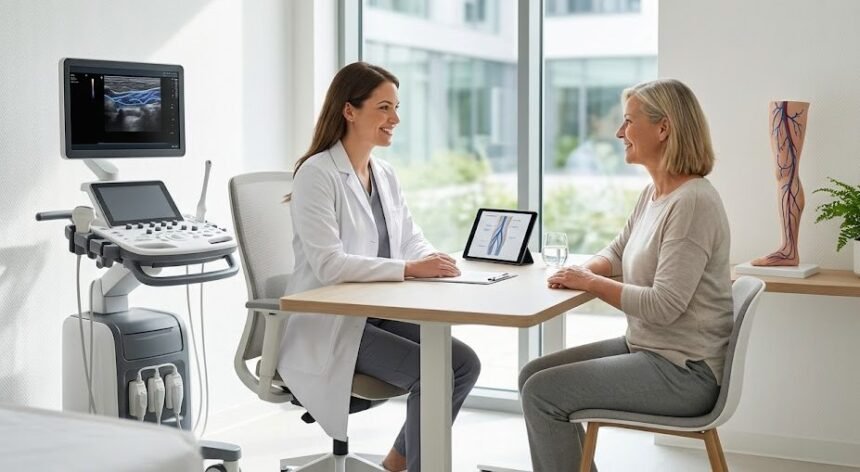
Healthcare has changed a lot in recent years as monopoly medicine is being replaced with more and more patient-centered alternatives that are about comfort, access, and long-term health. This is most evident with the emergence of non-invasive, outpatient vein treatment. Many vein procedures (which were once considered very invasive and required long recovery times) are now performed using minimally invasive techniques, allowing patients the same-day discharge and minimal disruption to their day-to-day life.
This change is in a more comprehensive direction seen within modern medicine to not only better clinical outcomes, but also to enhance the overall patient experience. Care provided at outpatient care centers is also changing the way patients receive treatment, making it possible for many to undergo advanced imaging technology and minimally invasive procedures, all of which allow them to be treated with less discomfort, shorter recovery times, and greater convenience. With the knowledge of vascular health on the rise, outpatient vein treatment has gained more attention as an aspect of patient-centered healthcare.
Knowing a little about the 20 years of advancement that led up to modern vein care gives people perspective on why it is so important to treat varicose veins early, and the integral role circulation health has in wellness.
An Overview of Venous Disease & Circulation Issues
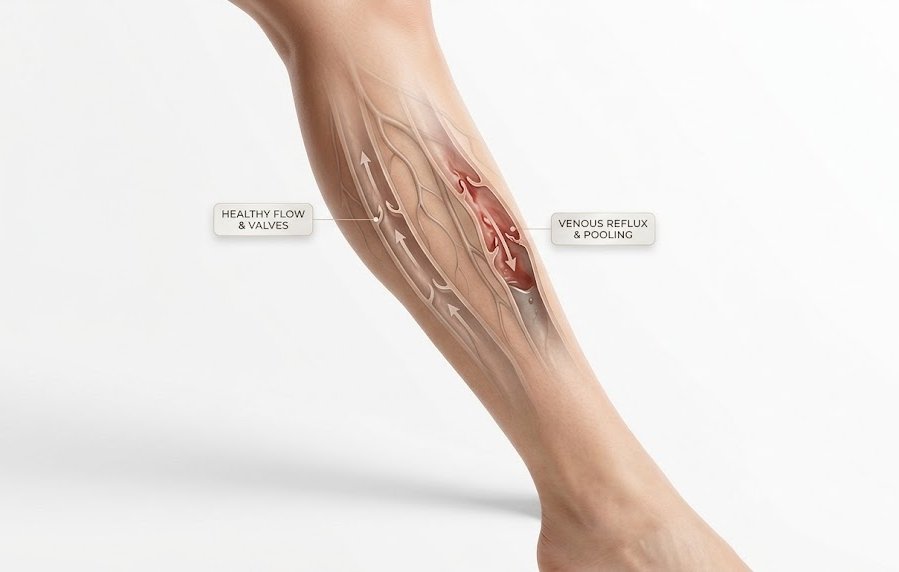
Veins return the blood to the heart after oxygen delivery. In healthy veins, some valves stop your blood from flowing in reverse. The veins contain one-way valves, and when the valves weaken or become damaged, blood may start to pool within the veins, often in the legs, where gravity imposes even more pressure.
Which in turn can result in venous illness such as varicose veins, spider leg veins, and persistent venous insufficiency. Though that is what many people see first, vein disease creates physical symptoms also, such as swelling, aching, heaviness, fatigue, and cramping or discomfort while moving.
Aging, family history, obesity, pregnancy are some many things that may increase the risk of developing vein disease, as well as sitting or standing for a prolonged period of time and not getting enough exercise. Due to the gradual nature of symptoms, many people avoid care until pain begins interfering with their mobility and quality of life.
Untreated vein disease may inevitably worsen into other potentially serious problems, including indications of a change in skin, ulcers, or circulation-related issues. Enhancing long-term vascular health is, therefore, contingent on early assessment and intervention.
Shift Toward Patient-Centered Care
Today, patients are better informed and willing to take more responsibility for the decisions about their care. They want treatments that will allow them to go about their routines without excessive pain, downtime, and emotional turmoil. This has led to the development of more convenient, efficient, and less invasive solutions by healthcare providers.
Patient-centered care in vascular medicine is defined as the communication between doctors and patients, helping them understand their disease, all treatment options available, and create plans that are tailored to their lifestyle and health objectives. Now physicians focus more on circulation health, preventive care, and expectations for recovery.
Not only does this collaborative approach reduce fear and uncertainty around medical procedures, but it also enhances patient satisfaction and long-term treatment success.
The burgeoning outpatient vein treatment field fits right in with the emphasis on patient-centered healthcare. Most vascular conditions can also be treated with modern minimally invasive procedures that avoid the need for major operations and long hospital stays.
Endovenous laser therapy, radiofrequency ablation, and sclerotherapy are performed as outpatient procedures with local anesthesia.
Outpatient vein procedures are minimally invasive and, in most cases, cause less pain, use smaller incisions and scars than conventional surgeries, and have shorter recovery times. Most patients walk unassisted soon after the procedure and resume normal activities in one or two days.
Patients interested in learning more about the treatment options offered by Center for Vein Medicine can explore how modern outpatient vein therapies help improve circulation, reduce discomfort, and support long-term vascular health.
Benefits Beyond Cosmetic Improvement
While vein treatment is usually thought of in terms of appearance, the function and symptoms associated with veins are much more important than looking good. Making leg circulation better, a good amount of oxygen flows through the body, and at last, feeling more comfortable walking around.
Most of the people suffering from vein disease experience chronic leg fatigue, swelling, heaviness, or aching, which deteriorates with time as the day progresses. Such indicators render standing, walking, working out, or executing typical tasks progressively cumbersome. Relieving the symptoms of a vein problem often provides effective relief of discomfort and restores proper function to the affected person.
Regular circulation also reinforces the repair of tissues and alleviates strain within injured veins. Seeking treatment when early signs occur may help prevent more serious chronic venous insufficiency complications, such as skin discoloration, ulcers, and continued inflammation.
They can also improve emotional well-being with other good mental health outcomes if the outpatient vein procedure is effective. Everyone has visible varicose veins and chronic pain, and it can have a liking for social or physical life. Modern therapies not only provide relief from physical symptoms but also improve appearance, allowing patients to feel more comfortable in their daily lives.
Cutting Edge Technology in today’s & future Vein Treatment
Medical technology advancements have helped the outpatient vein treatment grow. The fact that ultrasound imaging now allows physicians to diagnose circulation problems more accurately and guide procedures with greater precision.
The development of laser and radiofrequency technologies now allows treatment of problematic veins with minimal surgical incision. Such innovations minimize trauma to adjacent tissues and enhance treatment efficacy and recovery outcomes.
Healthcare providers are also increasingly adapting digital health tools for use in improved communication with patients and remote follow-up care. Online scheduling, virtual appointments, and electronic health monitoring it helps improve the patient experience in a more accessible and convenient way.
With continued advances in minimally invasive technology, vein treatment may become more efficient, tailored to individual patient needs, and also accessible.
Importance of Early Intervention
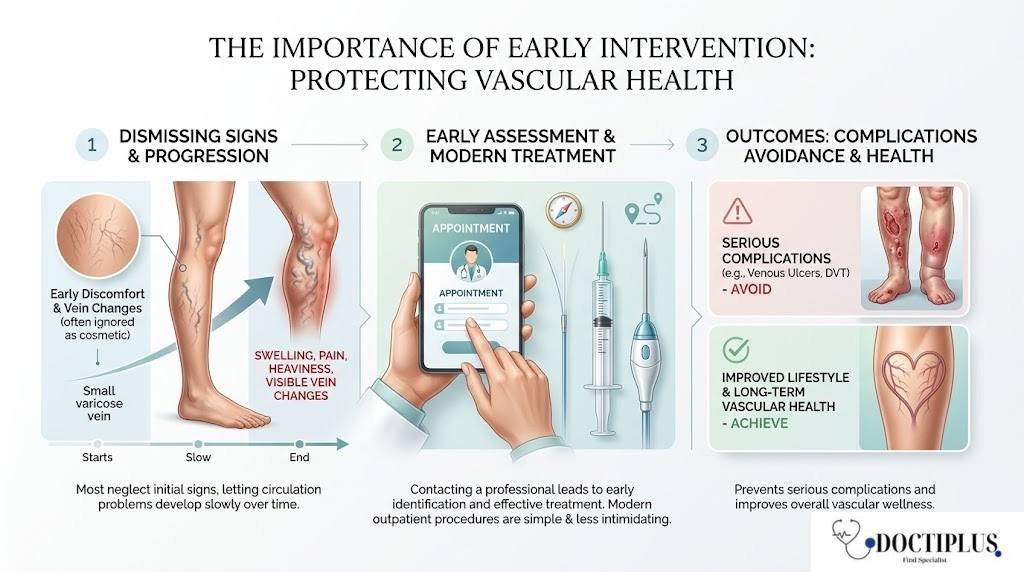
A key component of patient-centered vascular care is motivating patients to seek treatment when symptoms worsen. Most people neglect the initial signs of vein disease because they do not think of discomfort or affected veins as merely common cosmetic problems.
But more often than not, circulation problems develop slowly over time. In fact, if problems with malfunctioning veins in the legs are found more early and treated in time, it helps to avoid more serious complications.
Contacting a professional about ongoing leg swelling, pain, heaviness, or changes in visible veins helps healthcare professionals identify possible vascular conditions early enough to recommend effective treatment. With modern outpatient procedures, early treatment is as simple and less intimidating as the last generation.
Conclusion
The importance of taking a patient-centered approach has led to changes in vein disease diagnosis and treatment. The growth of outpatient vein treatment supports the trend toward comfort, convenience, education, and minimally invasive care that heals both body and mind.
Modern techniques for vein treatment help patients obtain optimal results with minimal pain and downtime, as well as doing so in a way that does not disrupt their daily routines. These treatments not only provide aesthetic benefit, but they also improve circulation, mobility, energy, and even quality of life.
As the healthcare field moves toward more patient-centered, convenient care, outpatient vein treatment is an encouraging step for patients who need to manage their vascular health safely and comfortably with minimal disruption to their routine.
Disclaimer
This article is intended for educational and informational purposes only and should not be considered medical advice, diagnosis, or treatment recommendations. Vein disease symptoms and treatment suitability vary from person to person. Readers should consult a qualified vascular specialist or licensed healthcare provider for personalized medical evaluation and guidance before starting any treatment. The mention of specific clinics, procedures, or technologies is for informational reference only and does not constitute endorsement or guarantee of outcomes. Emergency symptoms such as severe leg swelling, chest pain, sudden shortness of breath, or signs of deep vein thrombosis require immediate medical attention.
References
- Yang L, Wang X, Wei Z, et al. The clinical outcomes of endovenous microwave and laser ablation for varicose veins: A prospective study. Surgery. 2020;168(5):909-914. DOI: 10.1016/j.surg.2020.06.035
- Alwahbi A. Technical Efficacy and Safety of Outpatient Endovenous Laser Ablation of Varicose Veins Under Local Anesthesia. Vasc Health Risk Manag. 2025;21:403-409. DOI: 10.2147/VHRM.S518681
- Ye K, Wang R, Qin J, et al. Post-operative Benefit of Compression Therapy after Endovenous Laser Ablation for Uncomplicated Varicose Veins: A Randomised Clinical Trial. Eur J Vasc Endovasc Surg. 2016;52(6):847-853. DOI: 10.1016/j.ejvs.2016.09.005
- Rajendran S, Nair HR, Irshad K, et al. Ultrasound-assisted varicose vein surgery and endovenous laser ablation using a 1470-nm laser for the treatment of great saphenous vein incompetence have similar outcomes at 1 year in a single-center prospective randomized study. DOI: 10.1016/j.jvsv.2021.08.013
- Samuel N, Wallace T, Carradice D, et al. Endovenous Laser Ablation in the Treatment of Small Saphenous Varicose Veins: Does Site of Access Influence Early Outcomes? Phlebology. 2012. DOI: 10.1177/1538574412443316
- Park I. Initial outcomes of endovenous laser ablation with 1940 nm diode laser in the treatment of incompetent saphenous veins. Phlebology. 2019. DOI: 10.1177/1708538118797860
- Endovenous laser ablation of varicose veins. Egyptian Journal of Radiology and Nuclear Medicine. 2016. DOI: 10.1016/j.ejrnm.2015.10.011