

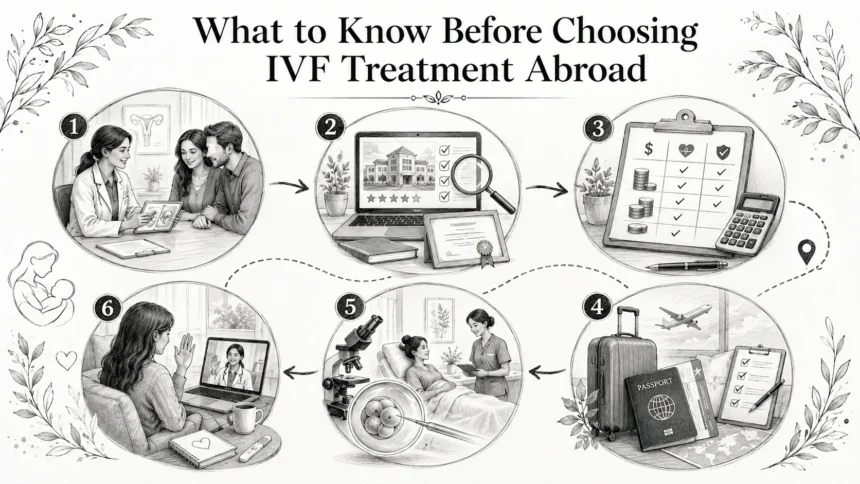
International fertility treatment has become an increasingly attractive option for patients seeking advanced reproductive care, shorter waiting times, and access to experienced fertility specialists.
Choosing IVF treatment abroad involves far more than comparing package prices alone. For many patients, the decision also includes evaluating clinical expertise, laboratory standards, treatment planning, communication, and the level of support available throughout the process.
As global fertility care continues to expand, patients are becoming more informed and selective when researching IVF clinics overseas. Rather than focusing solely on affordability, many are now paying closer attention to the overall quality of care surrounding treatment. Understanding these factors can help international patients approach fertility treatment abroad with greater confidence and clearer expectations.
What an IVF Treatment Plan Should Actually Include
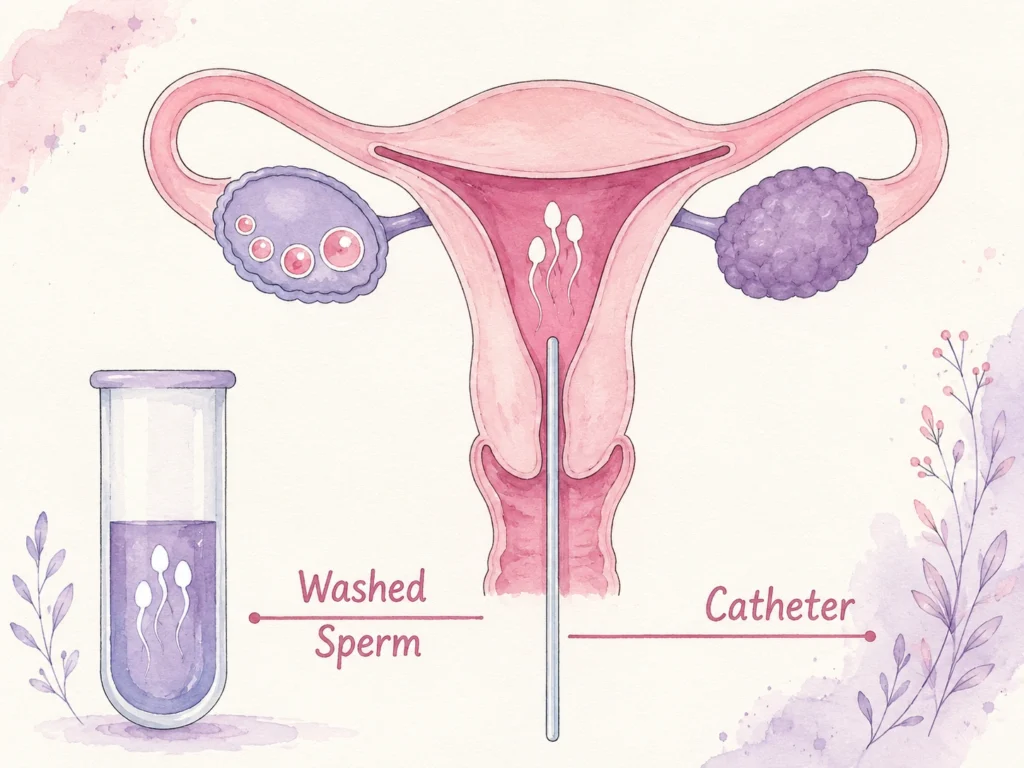
One of the first realities patients encounter while researching treatment abroad is that fertility programmes are rarely as uniform as they initially appear. Two clinics may advertise similar pricing while offering very different levels of laboratory support, monitoring, or treatment coordination behind the scenes.
Most treatment plans generally include:
- consultations and fertility assessments,
- monitoring scans,
- egg retrieval and fertilisation,
- embryo transfer,
- and standard laboratory procedures.
Other elements, including medication, embryo freezing, genetic testing, or advanced embryology techniques, may sit outside the base structure depending on the clinic and treatment pathway involved.
For those travelling abroad for treatment, that distinction can shape both planning and expectations well before a cycle begins.
Why Clinical Standards Matter
As fertility treatment becomes increasingly international, clinical standards continue to shape how patients compare clinics abroad.

Success rates may attract early attention, but they rarely provide meaningful insight in isolation. Experienced patients often look more closely at the quality of embryology laboratories, physician expertise, and the technologies supporting the IVF process itself. Areas such as blastocyst culture, time-lapse embryo monitoring, advanced sperm selection methods, and genetic screening techniques have become important points of comparison across modern reproductive medicine.
Equally important is the way clinics discuss treatment outcomes. Broad percentages can appear reassuring on the surface, yet without context relating to age, fertility history, or treatment type, they offer only a limited understanding of clinical performance.
This has contributed to a noticeable shift in how fertility treatment abroad is evaluated. Increasingly, the focus is moving away from headline figures and toward the overall standard of care surrounding the treatment process itself, from laboratory practice to individualised treatment planning.
Rather than following a uniform protocol for every case, many fertility centres now place greater emphasis on tailoring treatment according to ovarian reserve, embryo development, previous cycle history, and broader reproductive factors. That evolution reflects a wider move within fertility medicine toward more individualised clinical decision-making.
Comparing Treatment Options Beyond Price
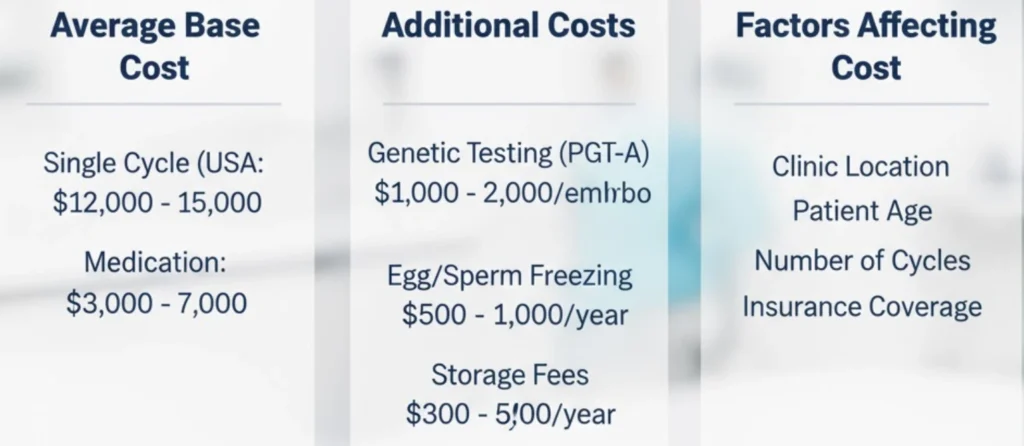
Cost remains part of the conversation, but it is no longer the single factor driving decisions around fertility treatment abroad.
Patients comparing IVF packages are often assessing how clinics approach care overall, not simply what appears within the treatment structure itself. Consultation access, laboratory infrastructure, treatment timelines, and embryo freezing policies can all influence how comprehensive a programme feels in practice.
In many cases, the distinction between clinics becomes clearer only after looking beyond pricing tables and promotional summaries. The depth of laboratory investment, the consistency of treatment planning, and the clarity with which procedures are explained often provide a more useful basis for comparison than a single advertised figure.
Role of Communication and Coordination

For patients travelling abroad, organisation and communication can carry almost as much importance as the clinical treatment itself.
IVF treatment rarely follows a perfectly fixed timetable. Medication response, hormone levels, embryo development, and transfer scheduling can all influence how a cycle progresses.
Patients travelling internationally may also need to coordinate:
- Flights,
- Accommodation,
- Work schedules,
- Recovery time,
- Visa arrangements,
- Local transportation,
- Follow-up care after returning home.
Why Coordination Matters
Clinics experienced in international fertility care often provide:
- Structured treatment timelines,
- Dedicated international coordinators,
- Multilingual communication support,
- Guidance regarding travel timing,
- Assistance with medical documentation,
- Ongoing communication during treatment.
Although these practical details may appear secondary initially, they can significantly shape the overall treatment experience.
Making an Informed Decision

The growth of international fertility care reflects a broader shift in how reproductive medicine is being approached globally. Patients are more informed, more selective, and increasingly focused on the quality of clinical care surrounding treatment rather than viewing IVF purely through the lens of cost.
In that environment, fertility treatment programmes now represent far more than bundled pricing structures alone. They reflect the wider clinical philosophy of a fertility centre, from laboratory standards and treatment planning to the way care is coordinated throughout the process.
For patients exploring treatment abroad, understanding those distinctions often turns the search for fertility care into a more informed and carefully considered decision.
References
- https://www.asrm.org/topics/topics-index/in-vitro-fertilization-ivf/
- https://www.eshre.eu/Patients/Patient-information
- https://www.nhs.uk/conditions/ivf/
- https://www.cdc.gov/art/index.html
- https://www.hfea.gov.uk/treatments/explore-all-treatments/in-vitro-fertilisation-ivf/
- https://www.who.int/health-topics/infertility
- https://www.mayoclinic.org/tests-procedures/in-vitro-fertilization/about/pac-20384716
- https://www.reproductivefacts.org/patient-resources/fact-sheets-and-booklets/
- https://www.nichd.nih.gov/health/topics/infertility
- https://www.ncbi.nlm.nih.gov/books/NBK279018/