
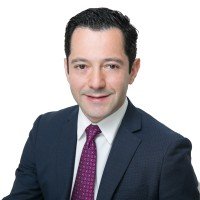
Dr. Yevgeny Shuhatovich, DO Hand Surgery and Microsurgery
Dr. Yevgeny Shuhatovich, DO, FACS, is a board-certified, fellowship-trained hand surgeon practicing in Webster, Texas. His clinical work focuses on conditions affecting the hand, wrist, and elbow, with particular experience in nerve compression disorders, traumatic injuries, joint reconstruction, arthritis, microsurgical reconstruction, and minimally invasive procedures. He currently practices with CLS Health.
His professional background combines general surgery training with advanced fellowship training in hand surgery. Doximity lists him as a plastic surgery specialist with a hand surgery focus, while HCA Houston Healthcare identifies his specialty as Surgery of the Hand.
Patients looking for other surgical specialists can also browse the Doctiplus Surgery General & Specialized category.
Hand Surgery
Hand surgery is a specialized field concerned with disorders of the hand and upper extremity. Although the name suggests that treatment always involves an operation, hand surgeons also provide nonsurgical care when appropriate.
The American Society for Surgery of the Hand explains that hand surgeons treat a wide range of conditions involving the hands and upper extremities, including nerve compression, fractures, arthritis, tendon injuries, and other disorders.
Dr. Shuhatovich’s current CLS Health profile describes both surgical and conservative treatment for conditions affecting the hand, wrist, and elbow. His stated areas of interest include nerve compression, complex hand trauma, rheumatoid and osteoarthritis, joint reconstruction, burns, sprains, amputations, congenital deformities, and microsurgical reconstruction.
This range of experience allows patients to receive an evaluation that considers several treatment options rather than assuming surgery is necessary for every problem.
Hand Wrist And Elbow Conditions
The hand and wrist contain many small bones, joints, tendons, ligaments, muscles, blood vessels, and nerves working together.
Because these structures are closely connected, similar symptoms can have different causes. Hand pain, for example, may arise from arthritis, nerve compression, tendon inflammation, trauma, fractures, ligament injuries, or another disorder.
The National Library of Medicine lists carpal tunnel syndrome, fractures, ligament injuries, dislocations, osteoarthritis, tendinitis, and disorders involving the fingers and thumb among common hand conditions.
A hand surgeon may use the medical history, physical examination, X-rays, ultrasound, nerve testing, MRI, or other diagnostic studies depending on the symptoms and suspected condition.
Carpal Tunnel Syndrome
Carpal tunnel syndrome is one of the most common nerve compression conditions affecting the hand and wrist.
It develops when the median nerve becomes compressed as it travels through the carpal tunnel at the wrist. Symptoms may include numbness, tingling, burning, weakness, or pain affecting the wrist, hand, thumb, and several fingers.
Dr. Shuhatovich specifically identifies nerve compression disorders among his clinical interests.
Treatment does not always begin with surgery. Depending on the severity of symptoms, patients may initially be treated with activity changes, wrist splinting, medication, injections, or management of contributing medical conditions.
MedlinePlus notes that carpal tunnel surgery may be considered when symptoms are severe or nonsurgical treatment does not provide adequate improvement.
When surgery is recommended, the goal of carpal tunnel release is to reduce pressure on the median nerve.
Trigger Finger
Trigger finger is another common condition treated by hand specialists.
The condition occurs when a finger tendon has difficulty moving smoothly through the structure that normally guides it. Patients may experience clicking, catching, stiffness, pain, or a finger that temporarily becomes stuck in a bent position.
The American Society for Surgery of the Hand explains that treatment can include nonsurgical measures as well as surgery when symptoms remain significant. Surgical treatment releases the narrowed pulley so that the tendon can move more freely.
The appropriate treatment depends on symptom severity, how long the problem has been present, which finger is involved, and whether other medical conditions are contributing.
A hand surgeon can determine whether observation, splinting, an injection, or a procedure is most appropriate.
Hand And Wrist Arthritis
Arthritis can affect the small joints of the fingers, thumb, wrist, and elbow.
Dr. Shuhatovich identifies both osteoarthritis and rheumatoid arthritis among his areas of special interest.
Osteoarthritis results from degeneration of joint cartilage and can lead to pain, stiffness, swelling, and reduced movement. Rheumatoid arthritis is an inflammatory autoimmune disease that can affect multiple joints and may eventually cause deformity or reduced hand function.
Treatment varies considerably according to the type of arthritis and the joint involved.
Some patients can be managed with medication, activity modification, splinting, therapy, or injections. More advanced disease may lead to discussion of reconstructive procedures when pain or loss of function becomes significant.
Dr. Shuhatovich’s professional profile specifically identifies joint reconstruction as one of his clinical interests.
Hand And Wrist Trauma
Traumatic hand injuries can range from relatively minor sprains to complex injuries involving bone, tendon, nerves, blood vessels, and soft tissue.
Dr. Shuhatovich lists complex hand trauma among his major areas of clinical interest.
MedlinePlus notes that common hand injuries include fractures, torn ligaments, and dislocations. Because hands are used constantly for everyday activities, significant injuries can interfere with work, school, sports, and basic tasks.
Evaluation may involve examining circulation, sensation, tendon function, joint stability, and bone alignment.
Simple injuries may heal with immobilization or other nonsurgical treatment. More complex trauma may require surgery to repair or reconstruct damaged structures.
Prompt assessment can be particularly important when an injury causes significant deformity, loss of sensation, inability to move a finger normally, or concerns about blood flow.
Hand And Wrist Fractures
Fractures involving the fingers, hand, or wrist vary considerably in severity.
Some fractures remain well aligned and can heal with splinting or casting. Others are unstable, displaced, involve a joint surface, or are associated with tendon, ligament, nerve, or soft-tissue damage.
The American Society for Surgery of the Hand describes hand fractures as injuries that may be stable or unstable and may sometimes require operative treatment depending on their pattern.
Treatment aims not only to allow the bone to heal but also to preserve motion and function.
Because stiffness can become a concern after some hand injuries, rehabilitation and hand therapy may also become important after the initial treatment.
Tendon And Ligament Injuries
Tendons connect muscles to bones and allow movement of the fingers, thumb, wrist, and elbow. Ligaments stabilize joints by connecting bones to each other.
Both structures can be damaged by falls, sports injuries, cuts, repetitive stress, or other trauma.
MedlinePlus identifies tendon and ligament injuries among common hand and wrist conditions.
Treatment depends on which structure has been injured and whether it is partially or completely damaged.
Some injuries can be treated with immobilization and rehabilitation. Others may require surgical repair to restore normal movement or joint stability.
Early evaluation can be useful when a patient suddenly loses the ability to bend or straighten a finger normally after an injury.
Wrist Pain
Wrist pain can have many causes, which means an accurate diagnosis is important before selecting treatment.
MedlinePlus identifies carpal tunnel syndrome, fractures, arthritis, sprains, strains, tendinitis, and bursitis among possible causes of wrist symptoms.
Dr. Shuhatovich’s current practice specifically includes wrist surgery as well as conservative treatment of wrist disorders.
A specialist assessment may be useful when wrist pain persists, follows a significant injury, causes weakness or numbness, or interferes with normal movement.
Depending on the problem, treatment may involve a brace, therapy, medication, injection, arthroscopy, reconstruction, or another approach.
Minimally Invasive Hand And Wrist Procedures
Minimally invasive treatment is another area emphasized in Dr. Shuhatovich’s professional profile. CLS Health describes expertise in minimally invasive techniques intended to support effective recovery, while his Doximity profile specifically lists minimally invasive hand and wrist procedures among his interests.
These approaches use smaller surgical access points or specialized techniques when appropriate for the condition.
Wrist arthroscopy is one example of a minimally invasive procedure. MedlinePlus explains that wrist arthroscopy can be used to evaluate or treat conditions such as cartilage injuries and selected wrist disorders through small incisions.
Not every hand or wrist condition can be treated using a minimally invasive technique. The choice depends on the diagnosis, anatomy, severity of damage, and goals of treatment.
Microsurgery
Microsurgery is one of Dr. Shuhatovich’s major areas of specialty.
His current professional information identifies microsurgical reconstruction among his clinical interests and describes his practice as involving hand, wrist, elbow surgery, and microsurgery.
Microsurgical procedures use magnification and specialized instruments to work with very small anatomical structures.
Within hand surgery, microsurgical techniques may be relevant when repairing small blood vessels, nerves, or complex traumatic injuries.
The need for microsurgery depends heavily on the type of injury. It is generally used when preserving circulation, sensation, or function requires detailed reconstruction of delicate structures.
Nerve Injuries And Compression
Nerves provide sensation and control muscle movement throughout the upper extremity.
Dr. Shuhatovich’s stated interests include nerve compression and microsurgical reconstruction.
Patients with nerve problems may experience numbness, tingling, burning, weakness, reduced coordination, or loss of sensation.
Carpal tunnel syndrome is one well-known nerve compression disorder, but nerves can also become compressed or injured elsewhere in the arm.
MedlinePlus notes that radial nerve dysfunction, for example, can cause abnormal sensation, weakness, loss of coordination, or difficulty moving the wrist and arm normally.
Evaluation may involve physical examination and nerve conduction or electromyography testing when appropriate.
Elbow Disorders
Although Dr. Shuhatovich is primarily described as a hand surgeon, his current practice also includes conditions affecting the elbow. CLS Health and Doximity both identify the elbow as part of his upper-extremity surgical practice.
Elbow problems may involve joints, tendons, ligaments, nerves, or bone.
Symptoms such as persistent pain, weakness, numbness extending into the hand, reduced motion, or symptoms following an injury may require further assessment.
Some elbow conditions can be managed conservatively with activity modification, therapy, medication, or other nonsurgical treatment. More significant structural injuries may require surgery.
Hand Therapy And Rehabilitation
Recovery from a hand or wrist problem does not always end when an operation is completed.
Rehabilitation can be important for restoring motion, strength, coordination, and function after some injuries or procedures.
Dr. Shuhatovich’s professional philosophy emphasizes a multidisciplinary approach to complex hand, wrist, and elbow problems.
Depending on the diagnosis, a hand therapist may help patients gradually restore movement while protecting healing tissues.
Rehabilitation plans differ between procedures. Moving too aggressively can interfere with healing, while remaining immobilized longer than necessary can contribute to stiffness.
Patients should therefore follow the rehabilitation plan designed for their specific injury or surgery.
Surgical And Nonsurgical Treatment
One important feature of Dr. Shuhatovich’s practice is his emphasis on both surgical and conservative treatment.
CLS Health specifically describes him as providing surgical and nonsurgical care for conditions affecting the hand, wrist, and elbow.
Nonsurgical care may include splinting, activity changes, medication, injections, therapy, or monitoring depending on the diagnosis.
Surgery may become appropriate when structural damage is severe, a nerve remains significantly compressed, a fracture is unstable, a tendon is disrupted, or symptoms continue despite reasonable nonsurgical treatment.
The treatment decision should consider the condition itself as well as the patient’s symptoms, functional needs, occupation, health history, and goals.
Education And Medical Training
Dr. Shuhatovich earned his Doctor of Osteopathic Medicine degree from the University of North Texas Health Science Center Texas College of Osteopathic Medicine, graduating in 2007. Memorial Hermann and Doximity both document his medical education at the Texas College of Osteopathic Medicine.
He then completed a General Surgery residency at Maimonides Medical Center in Brooklyn, New York, from 2007 through 2012.
After residency, Dr. Shuhatovich completed advanced Hand Surgery fellowship training at Southern Illinois University from 2012 through 2013. Doximity identifies the fellowship as Hand Surgery within Plastic Surgery, while Memorial Hermann independently confirms his fellowship training at Southern Illinois University School of Medicine.
This training pathway combined broad surgical education with specialized preparation for treating complex hand and upper-extremity disorders.
Board Certification And FACS
Current professional records list Dr. Shuhatovich as certified in Surgery of the Hand by the American Board of Surgery.
He also holds the FACS designation as a Fellow of the American College of Surgeons. Doximity currently lists this professional recognition and identifies him as a member of both the American College of Surgeons and the American Society for Surgery of the Hand.
CLS Health and HCA Houston Healthcare also describe him as a board-certified, fellowship-trained hand surgeon.
Current Doximity records show an active Texas medical license through 2027.
Professional Memberships
Dr. Shuhatovich’s current professional profile lists membership in the American Society for Surgery of the Hand and the American College of Surgeons.
The American Society for Surgery of the Hand is a professional organization focused on advancing education, research, and clinical practice related to hand and upper-extremity surgery.
Memberships such as these connect physicians with continuing specialty education and professional developments within their field.
Current Practice With CLS Health
As of August 13, 2026, Dr. Shuhatovich is practicing as a hand surgeon with CLS Health in Webster, Texas. CLS Health’s current physician profile identifies him as a member of its hand surgery team and describes more than 15 years of experience with hand, wrist, and elbow care.
Current physician directories place his Webster practice on Medical Center Boulevard, although active listings show different suite numbers. Doximity currently lists 905 Medical Center Boulevard, Suite 404, while Healthgrades lists a location at 905 W Medical Center Boulevard.
Because suite assignments and office information can change, patients should confirm the exact office location when scheduling an appointment.
Hospital Affiliations
Current Doximity information associates Dr. Shuhatovich with Houston Physicians Hospital and HCA Houston Healthcare Clear Lake.
HCA Houston Healthcare also maintains a current physician profile for Dr. Shuhatovich under Surgery of the Hand.
Memorial Hermann additionally maintains a current provider profile identifying him as a hand surgeon and documenting his surgical training.
Hospital affiliations and surgical privileges can change, so patients planning an operation should confirm which facility will be used for their particular procedure.
Languages
Doximity currently lists Russian and Spanish among additional languages associated with Dr. Shuhatovich’s professional profile.
Patients who specifically need an appointment conducted in a particular language should verify language availability with the practice when scheduling.
Preparing For A Hand Surgery Appointment
Patients can make a hand surgery consultation more useful by bringing previous X-rays, MRI scans, nerve studies, operative reports, and other relevant medical records.
For hand or wrist injuries, it is helpful to explain exactly when the injury occurred, how it happened, what treatment has already been tried, and whether symptoms have improved or worsened.
Patients with numbness or tingling should describe which fingers are affected, when symptoms occur, whether they wake them at night, and whether hand strength has changed.
Those with arthritis or chronic wrist pain may want to bring information about previous injections, braces, medications, therapy, or other treatment.
An updated medication list and information about diabetes, rheumatoid arthritis, previous surgery, or other significant health conditions can also help the surgeon plan appropriate care.
Restoring Hand And Upper Extremity Function
Dr. Yevgeny Shuhatovich’s professional background combines general surgery training, advanced hand surgery fellowship education, board certification in Surgery of the Hand, and experience with both traditional and minimally invasive treatment.
His current CLS Health practice focuses specifically on hand, wrist, and elbow conditions, including nerve compression, trauma, arthritis, joint reconstruction, and microsurgical reconstruction.
Because problems affecting the hand and wrist can interfere substantially with everyday activities, treatment is often focused not only on reducing pain but also on preserving movement, sensation, strength, and useful function.
A hand surgery evaluation can help determine whether therapy, splinting, medication, injection, observation, or surgical reconstruction offers the most appropriate path for a particular condition.



Reviews
There are no reviews yet.