

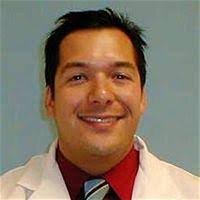
Dr. Amir Karni — General and Minimally Invasive Surgeon
Dr. Amir Karni is a board-certified general surgeon providing diagnostic, surgical, and postoperative care for adults with abdominal, digestive, gallbladder, hernia, skin, and soft-tissue conditions.
His clinical work includes traditional and minimally invasive procedures. These approaches allow him to select a surgical method based on the patient’s diagnosis, medical history, previous operations, and overall health.
Patients comparing surgical specialists can also read about Dr. Blair P. Jordan’s general and vascular surgery care.
Doctor Information
Name: Dr. Amir Karni, MD, FACS
Specialty: General Surgery
Clinical Focus: General and minimally invasive surgery
Board Certification: General Surgery
Medical School: Baylor College of Medicine
Practice: Surgical Associates of Greater Houston
Primary Location: Houston, Texas
Languages Spoken: English
NPI Number: 1316982606
Accepting New Patients: Current availability should be confirmed directly with the practice
About Dr. Amir Karni
Dr. Karni earned his medical degree from Baylor College of Medicine and completed the advanced clinical training required to practise general surgery.
His work involves evaluating health problems that may require an operation while also helping patients understand whether non-surgical management remains appropriate. A consultation may include reviewing symptoms, examining the affected area, studying laboratory or imaging results, and discussing earlier treatment.
As a minimally invasive surgeon, Dr. Karni may perform suitable operations through several small incisions rather than one larger opening. The appropriate method depends on the condition, the complexity of the procedure, previous surgery, and the patient’s medical needs.
General Surgery Care
General surgery covers conditions involving several parts of the body, particularly the abdominal organs, digestive system, abdominal wall, skin, and soft tissues.
Dr. Karni may evaluate and treat conditions such as:
- Gallstones and gallbladder inflammation
- Inguinal hernias
- Umbilical hernias
- Ventral and incisional hernias
- Appendicitis
- Abdominal pain
- Bowel obstruction
- Diverticular disease
- Skin lesions
- Cysts and lipomas
- Soft-tissue masses
- Abscesses
- Wounds requiring surgical treatment
- Selected digestive tract conditions
Not every patient referred to a surgeon needs an operation. Some conditions can be monitored or managed with medication, dietary changes, or treatment from another medical specialist.
Minimally Invasive Surgery
Minimally invasive surgery uses a camera and specialised instruments placed through small incisions. It is commonly called laparoscopic surgery when used for abdominal procedures.
Possible advantages may include:
- Smaller incisions
- Reduced damage to surrounding tissue
- Less postoperative discomfort
- Shorter hospital stays
- Faster return to normal activity
- Reduced visible scarring
These potential benefits vary between patients and procedures. An open operation may still be safer when the condition is complex, severe inflammation is present, or earlier surgery has created extensive scar tissue.
Dr. Karni can explain which approach is recommended and why it may be suitable for the patient’s condition.
Hernia Evaluation and Repair
A hernia occurs when tissue pushes through a weakened area in the surrounding muscle or connective tissue. It may appear as a visible lump or cause pressure, aching, or pain during movement.
Dr. Karni may evaluate:
- Inguinal hernias
- Femoral hernias
- Umbilical hernias
- Ventral hernias
- Incisional hernias
- Recurrent hernias
Symptoms may become more noticeable during coughing, lifting, exercise, or prolonged standing. Some hernias can be monitored when they are small and do not cause significant discomfort.
Surgical repair may be considered when a hernia:
- Causes continuing pain
- Becomes larger
- Restricts normal activity
- Cannot be pushed back into place
- Creates a risk of bowel obstruction
- Has returned after an earlier repair
Hernia surgery may be completed through an open or minimally invasive approach. Mesh may be used to reinforce the weakened area when medically appropriate.
Patients considering another surgeon for hernia or abdominal treatment can review Dr. Peter Cheung’s general surgery profile.
Gallbladder Care
The gallbladder stores bile, which helps the body digest fats. Gallstones can form inside the gallbladder and may block the normal movement of bile.
Possible symptoms include:
- Upper-right abdominal pain
- Pain after eating
- Nausea or vomiting
- Pain spreading to the back
- Discomfort near the right shoulder
- Abdominal tenderness
- Fever when inflammation develops
Some gallstones cause no symptoms and may not require treatment. Surgery is often considered when stones repeatedly cause pain, inflammation, infection, or blockage.
Gallbladder removal is commonly performed using minimally invasive surgery. During the procedure, the gallbladder is removed through several small abdominal incisions.
Patients can generally live normally without a gallbladder, although temporary digestive adjustments may be needed during recovery.
Appendix Surgery
Appendicitis is inflammation of the appendix. It can cause abdominal pain that often begins near the centre of the abdomen and later moves toward the lower-right side.
Other possible symptoms include:
- Loss of appetite
- Nausea
- Vomiting
- Fever
- Abdominal tenderness
- Pain that worsens with movement
- Changes in bowel habits
Appendicitis usually requires prompt medical assessment. Diagnosis may involve a physical examination, blood tests, urine testing, and abdominal imaging.
Surgical removal of the appendix may be completed through a minimally invasive or open procedure depending on the severity of inflammation and whether complications are present.
Abdominal and Digestive Conditions
Abdominal symptoms can arise from many organs, including the stomach, intestines, gallbladder, liver, pancreas, and abdominal wall.
Dr. Karni may assess patients with:
- Persistent abdominal pain
- Suspected bowel obstruction
- Digestive tract inflammation
- Abdominal masses
- Complications of diverticular disease
- Symptoms related to earlier abdominal surgery
- Conditions requiring surgical biopsy
- Selected intestinal disorders
The evaluation may involve laboratory tests, ultrasound, CT imaging, endoscopy results, or consultation with a gastroenterologist.
Surgery is recommended only when the findings suggest that an operation is likely to provide more benefit than continued medical treatment.
Skin and Soft-Tissue Procedures
General surgeons also treat selected problems involving the skin and tissues beneath it.
These may include:
- Lipomas
- Cysts
- Abscesses
- Suspicious skin growths
- Enlarging soft-tissue masses
- Infected wounds
- Foreign objects beneath the skin
- Tissue requiring biopsy
Some procedures can be performed in an office setting using local anaesthesia. Larger, deeper, or more complicated growths may require treatment in a surgical facility.
Removed tissue may be sent to a laboratory for examination when the diagnosis needs to be confirmed.
Surgical Consultation
A surgical consultation gives patients an opportunity to understand their condition and compare treatment options before making a decision.
During the appointment, Dr. Karni may:
- Review current symptoms
- Complete a physical examination
- Assess laboratory and imaging results
- Discuss previous treatment
- Review earlier operations
- Explain surgical and non-surgical choices
- Discuss possible risks
- Describe the expected recovery
- Determine whether more testing is needed
Patients should ask why surgery is being recommended, whether alternatives are available, and what may happen if treatment is delayed.
The decision should reflect the severity of the condition, expected benefits, potential risks, and the patient’s personal health priorities.
Preparing for Surgery
Patients scheduled for an operation may need medical testing and practical preparation.
Preoperative planning can include:
- Blood tests
- Heart rhythm testing
- Imaging
- Medication review
- Anaesthesia assessment
- Diabetes management
- Instructions about eating and drinking
- Transportation arrangements
- Planning for help at home
Patients should provide a complete list of:
- Prescription medicines
- Over-the-counter products
- Vitamins and supplements
- Medication allergies
- Previous reactions to anaesthesia
- Existing medical conditions
- Earlier surgical complications
Blood thinners and certain diabetes medicines may require special instructions. Patients should not stop prescribed medication unless directed by the surgeon or prescribing physician.
Day of Surgery
Instructions differ according to the procedure and type of anaesthesia. Patients may be asked to avoid food and drink for a specified period before arriving.
The surgical team may confirm:
- The patient’s identity
- The planned procedure
- The surgical location
- Medication and allergies
- Consent information
- Transportation arrangements
- Postoperative instructions
Some patients return home on the same day, while others need hospital observation or admission.
The length of stay depends on the operation, recovery from anaesthesia, pain control, and overall health.
Postoperative Recovery
Recovery continues after the patient leaves the surgical facility. Dr. Karni may provide instructions covering wound care, activity, diet, medication, and follow-up appointments.
General recovery guidance may include:
- Keeping the incision clean and dry
- Taking medication as directed
- Following lifting restrictions
- Walking regularly when advised
- Gradually increasing activity
- Avoiding driving until medically cleared
- Attending follow-up appointments
- Following dietary guidance
- Watching for unexpected changes
Recovery time depends on the procedure, surgical method, age, health, and whether complications develop.
Patients should avoid returning to strenuous activity before the healing tissues are strong enough.
Surgical Risks and Complications
Every operation carries potential risks. These vary according to the procedure and the patient’s medical condition.
Possible complications can include:
- Bleeding
- Infection
- Blood clots
- Anaesthesia reactions
- Wound-healing problems
- Injury to nearby structures
- Hernia recurrence
- Persistent pain
- Need for another procedure
Dr. Karni can explain which risks are most relevant to the proposed operation and what steps may help reduce them.
Following medication, wound-care, activity, and follow-up instructions is an important part of preventing complications.
Coordinated Surgical Care
Some patients need care from several medical professionals before or after surgery.
Dr. Karni may coordinate treatment with:
- Primary care physicians
- Gastroenterologists
- Cardiologists
- Radiologists
- Anaesthesiologists
- Pathologists
- Wound-care specialists
- Physical therapists
- Other surgeons
Coordination is particularly important for patients with diabetes, heart disease, kidney problems, breathing disorders, or several ongoing medical conditions.
Patients comparing general surgeons may also read about Dr. Gary S. Hathaway’s surgical care.
Preparing for an Appointment
Patients can prepare for a surgical consultation by bringing:
- A current medication list
- Recent laboratory reports
- Ultrasound, CT, or MRI results
- Previous surgical records
- Hospital discharge documents
- A list of medication allergies
- Details about current symptoms
- Insurance information
- Questions about treatment and recovery
It is helpful to explain when the symptoms began, what makes them worse, and how they affect eating, walking, sleep, work, or daily activities.
Patients should also mention previous abdominal operations because scar tissue can affect surgical planning.
Patient-Focused Surgical Treatment
Dr. Karni provides general surgical care that begins with an individual assessment rather than assuming every condition requires the same treatment.
His clinical work covers hernias, gallbladder disease, appendicitis, abdominal conditions, skin concerns, and soft-tissue problems. Minimally invasive techniques may be used when they offer a safe and appropriate option.
Patients should confirm appointment availability, accepted insurance plans, hospital participation, referral requirements, and available surgical services directly with the practice.



Reviews
There are no reviews yet.