
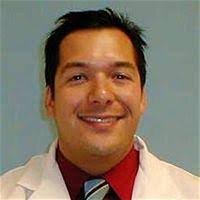
Dr. David N. Lam, MD General and Bariatric Surgeon
Dr. David N. Lam, MD, is a board-certified general surgeon with advanced training in minimally invasive and bariatric surgery. He provides surgical assessment for abdominal conditions and offers weight-loss surgery care through General Surgeons of Pasadena.
Patients may consult Dr. Lam for obesity-related surgical assessment, gallbladder symptoms, hernias, abdominal concerns, or another condition that may require a general surgeon. His official practice profile also identifies telemedicine availability and online booking for new patients.
A surgical consultation does not mean an operation will automatically be recommended. The appointment may lead to further testing, medical treatment, nutritional support, monitoring, referral to another specialist, or surgery when its expected benefit outweighs the risks.
About Dr. David N. Lam
Dr. Lam practices with General Surgeons of Pasadena in Pasadena, Texas. Current institutional information identifies him as a general and bariatric surgeon who has completed advanced training in minimally invasive surgery.
His professional work may involve:
- Bariatric surgery assessment
- Weight-loss surgery planning
- Minimally invasive abdominal surgery
- Evaluation of gallbladder symptoms
- Hernia assessment
- Review of abdominal pain
- Surgical treatment planning
- Care before and after an operation
- Coordination with dietitians and other bariatric professionals
- Assessment of complications after previous abdominal surgery
Patients comparing procedural specialists can review other doctors offering general and specialized surgical care.
Education and Surgical Training
| Training area | Institution | Details |
|---|---|---|
| Medical education | University of Texas Medical Branch School of Medicine | Doctor of Medicine, completed in 1986 |
| Internship | Texas Tech University Health Sciences Center at Amarillo | Transitional internship, 1986 to 1987 |
| Residency | Flushing Hospital Medical Center | Surgery, 1987 to 1990 |
| Residency | Western Reserve Health Education and NEOMED | Surgery, 1990 to 1992 |
| Advanced training | Minimally invasive surgery | Fellowship identified in his official biography |
| Board certification | American Board of Surgery | General surgery |
| Main practice areas | General and bariatric surgery | Adult surgical care |
Dr. Lam completed medical school at the University of Texas Medical Branch before undertaking internship training at Texas Tech University Health Sciences Center.
He completed portions of his general surgery residency at Flushing Hospital Medical Center and Western Reserve Health Education. His official biography also identifies fellowship training in minimally invasive surgery.
General surgery residency prepares physicians to evaluate abdominal disease, surgical emergencies, wounds, digestive conditions, hernias, gallbladder disease, and complications requiring operative care.
Minimally invasive training focuses on procedures completed through smaller incisions with cameras and specialized instruments. The most suitable surgical approach still depends on the diagnosis, anatomy, earlier operations, and patient safety.
Board Certification and Professional Credentials
Dr. Lam is listed as certified by the American Board of Surgery.
His professional qualifications include:
- MD, meaning Doctor of Medicine
- Internship training
- General surgery residency training
- Advanced training in minimally invasive surgery
- Board certification in general surgery
- Experience in bariatric surgical care
- Experience with surgical assessment and follow-up
Board certification is different from medical licensing. A license permits a physician to practice medicine, while certification reflects formal specialty education, supervised training, and professional assessment.
His individual National Provider Identifier is 1962598243, with surgery listed as his primary professional classification.
What a General Surgeon Does
A general surgeon diagnoses and treats conditions that may require an operation, particularly those affecting the abdomen, digestive system, skin, soft tissue, and abdominal wall.
Common reasons for referral to a general surgeon may include:
- Gallstones or gallbladder inflammation
- Groin, abdominal, or incisional hernias
- Unexplained abdominal pain
- Soft-tissue lumps
- Skin or wound concerns
- Reflux or hiatal hernia symptoms
- Bowel conditions
- Abnormal abdominal imaging
- A need for bariatric surgery assessment
- Problems following an earlier operation
Not every condition requires surgery. Some patients need medication, dietary changes, additional imaging, endoscopy, specialist referral, or continued observation.
The surgeon’s role includes determining whether an operation is necessary, explaining the alternatives, and helping the patient understand expected recovery and possible complications.
Bariatric Surgery and Obesity Care
Bariatric surgery changes the digestive system to support substantial and lasting weight reduction. It may also affect hunger, fullness, blood sugar regulation, and other metabolic processes.
Obesity is a chronic medical condition influenced by several factors, including:
- Genetics
- Hormones
- Metabolism
- Sleep
- Medication
- Physical health
- Mental health
- Food access
- Earlier treatment
- Daily habits
A bariatric program should not treat weight as a simple matter of motivation. A full evaluation considers the patient’s medical conditions, previous treatment, nutritional health, expectations, and ability to participate in long-term follow-up.
Patients who are still comparing medical and procedural options can read about comprehensive approaches to obesity management.
Who May Be Considered for Bariatric Surgery
Bariatric surgery may be discussed with adults whose weight is affecting their health and who have not achieved a sufficient or lasting result through nonsurgical care.
The assessment may consider:
- Body mass index
- Type 2 diabetes
- High blood pressure
- Sleep apnea
- High cholesterol
- Fatty liver disease
- Joint or mobility concerns
- Previous weight-management programs
- Current or previous weight-loss medication
- Heart and lung health
- Earlier abdominal surgery
- Eating patterns
- Nicotine use
- Readiness for long-term dietary changes
- Insurance eligibility requirements
The practice’s weight-loss program describes a multidisciplinary assessment involving surgeons, nurses, dietitians, mental health professionals, exercise specialists, and other clinicians. It emphasizes that surgery is one part of longer-term care rather than a complete treatment by itself.
Eligibility rules can differ among procedures, medical organizations, hospitals, and insurance companies. Patients should receive an individual assessment instead of assuming that one BMI number automatically determines the decision.
Bariatric Procedures
The exact bariatric procedures currently offered by Dr. Lam should be confirmed with his office.
Procedures commonly discussed within bariatric programs may include:
- Sleeve gastrectomy
- Gastric bypass
- Revision of a previous bariatric operation
- Treatment of selected complications from earlier surgery
Some centers also provide adjustable gastric band care or endoscopic weight-loss procedures. Availability should not be assumed without direct confirmation.
Patients comparing incision-free and surgical options may find the Doctiplus review of endoscopic sleeve gastroplasty and gastric sleeve surgery useful before discussing suitable choices with a qualified clinician.
Sleeve Gastrectomy
Sleeve gastrectomy is a surgical procedure that removes a large portion of the stomach. The remaining stomach forms a narrower sleeve.
The procedure may:
- Reduce the amount of food tolerated at one time
- Affect signals connected with hunger and fullness
- Support improvement in selected metabolic conditions
- Require permanent changes in eating habits
Possible risks include:
- Bleeding
- Infection
- Leakage from the stomach
- Blood clots
- Reflux
- Narrowing
- Dehydration
- Nutritional deficiencies
- The need for another procedure
Patients with substantial acid reflux should discuss whether sleeve surgery could worsen their symptoms and whether another approach may be more suitable.
Gastric Bypass
Gastric bypass creates a small stomach pouch and changes the route food takes through part of the small intestine.
It combines restriction with changes in digestion and metabolic signaling.
A gastric bypass discussion may consider:
- Type 2 diabetes
- Acid reflux
- Previous abdominal surgery
- Eating patterns
- Current medication
- Nutritional health
- Expected benefit
- Ability to take long-term supplements
- Personal treatment preferences
Patients normally require continuing monitoring for iron, vitamin B12, folate, calcium, vitamin D, and other nutritional deficiencies.
Severe abdominal pain, repeated vomiting, black stool, fainting, or inability to drink after bariatric surgery requires prompt medical guidance.
Revision Bariatric Surgery
Some patients seek assessment because a previous weight-loss operation is no longer providing the expected support or has caused a complication.
Possible reasons for revision evaluation include:
- Significant weight regain
- Limited initial weight reduction
- Severe reflux
- Difficulty swallowing
- Repeated vomiting
- Food intolerance
- Ulcers
- Implant or gastric band concerns
- Anatomical changes
- Nutritional problems
- Continuing abdominal symptoms
Revision treatment may be more complex than a first bariatric procedure because scar tissue and altered anatomy can affect surgical planning.
The evaluation may require:
- The original operative report
- Upper gastrointestinal imaging
- Endoscopy
- Blood testing
- Nutrition assessment
- Review of eating patterns
- Examination of earlier incisions
- Discussion of realistic treatment goals
Another operation is not always necessary. Medical treatment, nutritional support, behavioral care, or correction of one specific complication may be more appropriate.
Gallbladder Disease
The gallbladder stores bile produced by the liver. Gallstones can form when substances within bile harden.
Possible gallbladder symptoms include:
- Pain in the upper-right abdomen
- Pain after fatty meals
- Discomfort extending toward the back or shoulder
- Nausea
- Vomiting
- Abdominal tenderness
- Fever when inflammation or infection develops
- Yellowing of the skin or eyes when a bile duct is blocked
Evaluation may include blood tests and abdominal ultrasound. Other imaging may be ordered when the diagnosis remains uncertain or a bile-duct blockage is suspected.
Gallbladder removal is commonly completed through a minimally invasive approach, but the surgeon may recommend an open operation when inflammation, scar tissue, anatomy, or another safety concern makes it necessary.
Patients should confirm whether Dr. Lam currently manages their particular gallbladder condition when arranging the appointment.
Hernias
A hernia develops when tissue pushes through a weak area in the abdominal wall or another supporting structure.
Common types include:
- Inguinal hernia
- Femoral hernia
- Umbilical hernia
- Incisional hernia
- Ventral hernia
- Hiatal hernia
Possible symptoms include:
- A visible or noticeable lump
- Groin or abdominal discomfort
- Pressure
- Pain during lifting
- A bulge that becomes more obvious while coughing
- Symptoms that improve when lying down
- Discomfort around an earlier surgical incision
Small hernias without significant symptoms may sometimes be monitored. Surgery may be discussed when pain increases, the hernia grows, normal activity becomes difficult, or there is concern about trapped tissue.
Hernia repair may be completed through an open or minimally invasive approach. The choice depends on the hernia’s type, size, location, previous repairs, and the patient’s health.
Minimally Invasive Surgery
Minimally invasive surgery uses cameras and long instruments inserted through smaller abdominal openings.
Potential advantages for suitable patients may include:
- Smaller incisions
- Less early wound discomfort
- Shorter hospital stays for selected procedures
- Earlier return to some normal activities
- Reduced disruption of surrounding tissue
These benefits are not guaranteed, and minimally invasive surgery is still surgery.
An open approach may be safer when there is:
- Extensive scar tissue
- Severe infection
- Unexpected bleeding
- Difficult anatomy
- A large or complex hernia
- An earlier operation that changed normal structures
- Another condition that limits safe camera access
A surgeon may also begin minimally invasively and change to an open procedure if necessary for safety.
Nutrition Before and After Bariatric Surgery
Nutrition is a central part of bariatric care.
Before surgery, an assessment may identify:
- Iron deficiency
- Low vitamin B12
- Low folate
- Vitamin D deficiency
- Inadequate protein intake
- Dehydration risk
- Eating patterns that may interfere with recovery
- Difficulty understanding postoperative diet stages
After surgery, patients normally progress through a staged eating plan.
This may include:
- Clear liquids
- Full liquids
- Pureed foods
- Soft foods
- Gradual introduction of suitable solid meals
The exact schedule depends on the operation and the instructions supplied by the bariatric team.
Advancing too quickly may cause pain, vomiting, dehydration, or stress on healing tissue. Patients should follow their own surgical instructions rather than a diet plan found online.
Vitamins and Laboratory Monitoring
Bariatric surgery can reduce food intake and may change nutrient absorption.
Long-term monitoring may include:
- Complete blood count
- Iron and ferritin
- Vitamin B12
- Folate
- Vitamin D
- Calcium
- Thiamine
- Protein markers
- Liver testing
- Kidney testing
- Additional tests based on the procedure
Patients should use supplements recommended for their particular operation. A standard multivitamin may not provide the amounts required after bariatric surgery.
Repeated vomiting deserves prompt attention because it may cause dehydration and serious vitamin deficiencies.
Conditions That May Improve After Weight-Loss Surgery
Some patients experience improvement in conditions associated with obesity, including:
- Type 2 diabetes
- High blood pressure
- Sleep apnea
- High cholesterol
- Fatty liver disease
- Reduced mobility
- Joint discomfort
- Cardiovascular risk
Improvement cannot be guaranteed. Results depend on the procedure, starting health, medication, nutritional care, follow-up, activity, and individual biology.
Patients should continue seeing their primary care physician and other specialists. Bariatric surgery does not replace routine diabetes, heart, sleep, liver, or preventive care.
Medication may need adjustment as eating patterns, weight, blood pressure, and blood sugar change.
What Patients Can Expect During a Consultation
The appointment generally begins with a review of symptoms, medical conditions, previous treatment, medicines, and surgical history.
For a bariatric consultation, Dr. Lam may ask:
- How has weight changed over time?
- Which structured programs have been tried?
- Have weight-management medicines been used?
- Is diabetes present?
- Is blood pressure controlled?
- Has sleep apnea been diagnosed?
- Is reflux present?
- Has abdominal surgery been performed before?
- Does the patient use nicotine?
- Which medicines and supplements are taken?
- What result does the patient expect?
- Can the patient attend long-term follow-up?
For a general surgery consultation, questions may include:
- When did the symptoms begin?
- Where is the discomfort located?
- Is there a visible lump?
- Are symptoms connected with eating?
- Has vomiting or fever occurred?
- Has imaging already been completed?
- Has an operation been performed in the same area?
- Are blood thinners being taken?
The next step may involve additional testing, monitoring, medical treatment, nutritional assessment, or surgical planning.
Preparing for the Appointment
Patients can prepare by bringing:
- A complete medication list
- Medication dosages
- Supplement information
- Allergy details
- Previous surgical reports
- Abdominal ultrasound or CT results
- Endoscopy records
- Earlier bariatric records
- Weight and treatment history
- Sleep-study results
- Blood sugar and blood pressure records
- Recent laboratory results
- Insurance information
- Referral documents
- Written questions
Patients who previously underwent bariatric surgery should try to obtain the original operative report. The exact operation and anatomy can affect future treatment.
The surgeon should know about:
- Aspirin
- Prescription blood thinners
- Anti-inflammatory medicines
- Diabetes treatment
- Weight-management injections
- Herbal products
- Nicotine use
- Vitamins and minerals
Patients should not stop an important prescription without instructions from the prescribing clinician and surgical team.
Questions to Ask Dr. Lam
Patients may consider asking:
- What is the most likely cause of my symptoms?
- Is surgery necessary?
- Are reasonable nonsurgical options available?
- Which operation would be considered?
- Can the procedure be performed minimally invasively?
- Could an open operation become necessary?
- What are the main risks in my case?
- Which tests are needed before surgery?
- How long may I remain in the hospital?
- When could I return to work?
- Will lifting or driving be restricted?
- Which bariatric procedures are currently available?
- How might surgery affect diabetes or reflux?
- Which vitamins would be required?
- How often is long-term follow-up needed?
- What happens if weight returns?
- Would revision treatment be possible?
- Which symptoms require an urgent call?
The patient should understand the purpose of the proposed operation and what improvement is realistically expected.
Recovery and Long-Term Follow-Up
Recovery depends on the diagnosis, procedure, and the patient’s general health.
Follow-up may include:
- Incision checks
- Pain and nausea management
- Fluid and food-tolerance review
- Activity restrictions
- Wound care
- Medication adjustment
- Nutritional appointments
- Laboratory testing
- Vitamin monitoring
- Weight tracking
- Treatment of surgical complications
- Gradual return to normal activity
Bariatric care continues long after the incisions heal. Weight changes, nutritional health, medication needs, and food tolerance should be monitored over time.
Patients may read about follow-up care during surgical recovery, although symptoms involving wounds, abdominal pain, dehydration, or possible complications often require an in-person examination.
Practice and Appointment Information
Dr. Lam practices through General Surgeons of Pasadena.
Practice address:
3801 Vista Road, Suite 450
Pasadena, TX 77504
Appointment phone:
713-944-2240
Fax:
713-944-2377
Listed office hours:
- Monday through Friday, 8:00 a.m. to 5:00 p.m.
- Saturday and Sunday, closed
The current provider profile lists new-patient online booking and telemedicine availability. Patients should confirm that the selected appointment type is suitable for their symptoms.
Hospital Affiliation
Current provider and claims-based records associate Dr. Lam with:
- HCA Houston Healthcare Southeast
Hospital participation may depend on the procedure, current privileges, insurance coverage, and facility availability. Patients should confirm the surgical location before completing preauthorization or arranging transportation.
Languages and Communication
Dr. Lam’s official practice profile lists:
- English
- Vietnamese
Language availability should be confirmed when scheduling, particularly when the patient needs the full consultation, consent discussion, and written instructions in Vietnamese.
Patients needing another language can ask whether a qualified medical interpreter can be arranged.
Insurance, New Patients, and Telehealth
Insurance participation may differ among the surgeon, hospital, anesthesiology group, imaging provider, laboratory, and bariatric program.
Before scheduling, patients should ask:
- Is Dr. Lam included in my current network?
- Is a referral required?
- Is the selected hospital in network?
- Does the procedure require prior authorization?
- Is bariatric surgery covered by my policy?
- Is nutritional counseling covered?
- Must a supervised weight-management program be completed?
- Are laboratory and imaging charges separate?
- Are new patients currently being scheduled?
- Is telehealth suitable for the first appointment?
- Which records should be sent in advance?
Telemedicine may be helpful for selected discussions and routine follow-up. A new painful hernia, abdominal tenderness, suspected infection, wound problem, or concern requiring physical examination will usually need an in-person visit.
When Surgical Symptoms Require Urgent Care
Patients should not wait for a routine appointment when symptoms are severe or worsening rapidly.
Urgent assessment may be needed for:
- Severe or increasing abdominal pain
- A rigid or rapidly swelling abdomen
- Repeated vomiting
- Inability to keep fluids down
- Vomiting blood
- Black or bloody stool
- Fever with worsening abdominal symptoms
- Yellow skin or eyes with abdominal pain
- A painful hernia that cannot be gently reduced
- A hernia accompanied by vomiting or skin discoloration
- Heavy bleeding
- Fainting
- Severe dehydration
- Chest pain
- Major breathing difficulty
- Increasing redness or drainage from an incision
- An incision that opens
- Serious symptoms following bariatric or abdominal surgery
Patients can review general guidance about when immediate medical attention is necessary, but potentially life-threatening symptoms require prompt emergency assessment.


Reviews
There are no reviews yet.