
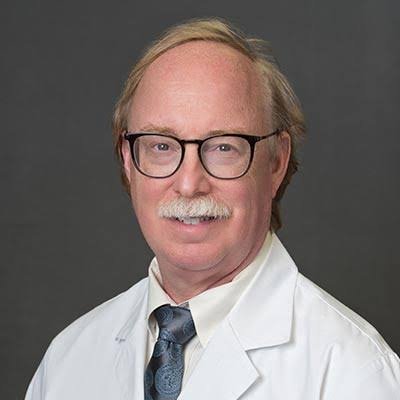
Dr. David W. Gelber General Surgeon
Dr. David W. Gelber is a board-certified general surgeon providing diagnostic, procedural, and surgical care for conditions affecting the abdomen, digestive tract, gallbladder, breasts, skin, soft tissues, endocrine organs, and abdominal wall.
His clinical services include hernia repair, gallbladder surgery, appendectomy, bowel surgery, breast biopsy, treatment of selected breast conditions, haemorrhoid care, dialysis-access procedures, and evaluation of abdominal or gastrointestinal disease requiring surgical treatment.
Dr. Gelber also has professional experience involving trauma and surgical critical care. This background supports the assessment and treatment of patients with urgent surgical illness, serious infection, bowel obstruction, internal injury, or complications requiring close hospital monitoring.
He practises with General Surgeons of Pasadena in Pasadena, Texas, and is affiliated with HCA Houston Healthcare Southeast.
Patients whose digestive symptoms require medical rather than surgical treatment may also read about Dr. Arturo A. Bravo’s gastroenterology and liver care.
Doctor Information
Name: Dr. David William Gelber, MD
Specialty: General Surgery
Additional Clinical Areas: Trauma and surgical critical care
Board Certification: General Surgery
Undergraduate Education: Johns Hopkins University
Medical School: University of Rochester School of Medicine and Dentistry
Medical Degree Completed: 1984
Initial Surgical Training: Baylor University Medical Center
Further Surgical Training: Nassau County Medical Center
Practice: General Surgeons of Pasadena
Primary Location: Pasadena, Texas
Hospital Affiliation: HCA Houston Healthcare Southeast
Languages Listed: English
NPI Number: 1760485700
Telemedicine: Available for suitable appointments
Accepting New Patients: Yes, according to the current official profile
About Dr. David W. Gelber
Dr. Gelber completed undergraduate studies at Johns Hopkins University in Baltimore, Maryland.
He then attended the University of Rochester School of Medicine and Dentistry in New York, earning his medical degree in 1984.
His postgraduate surgical education began at Baylor University Medical Center in Dallas. He later continued his surgical training at Nassau County Medical Center on Long Island, New York.
General surgery training covers the evaluation and surgical treatment of conditions involving the abdomen, digestive system, breasts, skin, soft tissues, endocrine organs, and blood-vessel access for selected medical treatments.
Dr. Gelber’s official profile also lists trauma and surgical critical care. These areas involve urgent surgical conditions and the management of patients who may require close monitoring after serious illness, injury, infection, or a major operation.
A patient may visit Dr. Gelber after a primary care physician, gastroenterologist, emergency department, or another specialist identifies a condition that may require surgery.
His evaluation may include reviewing symptoms, completing a physical examination, examining previous imaging, ordering laboratory tests, and discussing whether observation, medicine, an office procedure, or an operation is appropriate.
General Surgery Services
Dr. Gelber’s listed clinical services include care involving:
- Abdominal hernias
- Inguinal hernias
- Umbilical hernias
- Ventral hernias
- Gallbladder disease
- Appendicitis
- Bowel obstruction
- Diverticular disease
- Abdominal adhesions
- Haemorrhoids
- Anal and rectal conditions
- Breast lumps and abnormal imaging
- Breast biopsy
- Selected breast cancers
- Skin and soft-tissue infections
- Pilonidal cysts
- Feeding-tube procedures
- Dialysis-access procedures
- Liver biopsy
- Splenic conditions
- Thyroid disorders
- Gastrointestinal cancers
- Urgent abdominal conditions
The most suitable treatment depends on the diagnosis, symptom severity, imaging findings, medical history, previous operations, and general health.
Not every surgical consultation leads to an operation. Some conditions can be monitored or managed medically, while others require planned or urgent treatment.
Surgical Consultation
A surgical consultation gives Dr. Gelber an opportunity to determine whether an operation is likely to help and whether it can be performed safely.
The appointment may include:
- Reviewing the patient’s main symptoms
- Discussing when the problem began
- Examining the affected area
- Reviewing previous laboratory results
- Examining ultrasound, CT, MRI, or other imaging
- Reviewing earlier operations
- Checking current prescriptions
- Discussing anaesthesia risks
- Comparing surgical and non-surgical options
- Explaining the expected recovery
Patients should mention blood thinners, diabetes medicines, allergies, previous complications from anaesthesia, and any difficulty with wound healing.
Hernia Care
A hernia develops when tissue or an organ pushes through a weakened area in the surrounding muscle or connective tissue.
Hernias may develop in the groin, near the navel, through an earlier surgical incision, or in another area of the abdominal wall.
Possible symptoms include:
- A visible or noticeable bulge
- Discomfort while lifting
- Pain during coughing or straining
- Pressure in the abdomen or groin
- A pulling sensation
- A bulge that becomes more noticeable while standing
- Symptoms that improve while lying down
Some hernias cause little discomfort. Others gradually become larger or interfere with work, exercise, and daily activity.
Dr. Gelber may examine the area and review whether the hernia can be gently reduced, whether pain is present, and whether imaging is necessary.
Inguinal Hernia
An inguinal hernia occurs in the groin and may affect one or both sides.
Symptoms may include:
- A groin bulge
- Aching or burning
- Pressure during physical activity
- Pain while coughing
- Discomfort during lifting
- Scrotal swelling in some male patients
Surgical treatment may be performed through an open incision or a laparoscopic approach.
The most suitable technique depends on the size and location of the hernia, whether it has returned after previous surgery, and the patient’s overall health.
Umbilical and Ventral Hernias
An umbilical hernia develops near the navel. A ventral hernia forms through another weakened area in the abdominal wall.
These hernias may be associated with:
- Previous surgery
- Pregnancy-related stretching
- Repeated heavy pressure
- Chronic coughing
- A natural weakness in the abdominal wall
- Earlier wound-healing problems
Repair may involve closing the weakened area and, in selected cases, reinforcing it with surgical mesh.
Dr. Gelber may discuss the expected benefits, possible risks, likelihood of recurrence, and temporary lifting limits after treatment.
Incisional Hernia
An incisional hernia develops through or near the scar from an earlier abdominal operation.
It may appear months or years after the original procedure.
Risk factors may include:
- Previous wound infection
- Poor healing
- Several abdominal operations
- Repeated pressure on the abdominal wall
- Chronic coughing
- Diabetes
- Connective-tissue weakness
Treatment planning may require CT imaging to show the size of the defect, involved tissues, and relationship to earlier surgical repairs.
Complex or recurrent hernias may require a more detailed reconstruction plan.
Gallbladder Disease
The gallbladder stores bile produced by the liver.
Gallstones may block the flow of bile and cause pain or inflammation.
Symptoms may include:
- Upper-right abdominal pain
- Pain after meals
- Pain spreading toward the back or shoulder
- Nausea
- Vomiting
- Abdominal tenderness
- Fever
- Yellowing of the skin or eyes
Evaluation commonly involves blood testing and abdominal ultrasound. CT imaging or another study may be used when the diagnosis is uncertain.
Gallstones that do not cause symptoms may not require surgery. Repeated pain, inflammation, or complications may lead to a recommendation for gallbladder removal.
Laparoscopic Gallbladder Removal
Laparoscopic cholecystectomy removes the gallbladder through several small abdominal incisions.
A camera allows the surgeon to view the gallbladder and surrounding structures.
The operation may be recommended for:
- Repeated gallstone pain
- Acute gallbladder inflammation
- Certain gallbladder polyps
- Gallstone-related complications
- Another condition affecting gallbladder function
Some patients need open surgery rather than a laparoscopic procedure because of inflammation, scar tissue, anatomy, bleeding, or another safety concern.
Removing the gallbladder does not stop the liver from producing bile. Bile continues to move directly from the liver into the intestine.
Appendicitis
Appendicitis develops when the appendix becomes inflamed.
Common symptoms may include:
- Abdominal pain beginning near the centre
- Pain moving toward the lower-right abdomen
- Loss of appetite
- Nausea
- Vomiting
- Fever
- Increasing tenderness
- Pain during movement
Evaluation may include a physical examination, blood tests, urine testing, and CT or ultrasound imaging.
Appendicitis can worsen if the appendix ruptures. Treatment commonly involves appendectomy, although the exact plan depends on the patient’s condition and whether an abscess or another complication is present.
Laparoscopic Appendectomy
Laparoscopic appendectomy removes the appendix through small incisions.
Potential advantages may include:
- Smaller incisions
- Less postoperative discomfort
- Shorter recovery
- Improved examination of the abdominal cavity
- Earlier return to ordinary activity
Open surgery may be needed when infection is widespread, anatomy is unclear, or another concern makes it the safer choice.
Recovery depends on whether the appendix had ruptured and whether infection was present elsewhere in the abdomen.
Bowel Obstruction
A bowel obstruction prevents food, fluid, gas, and digestive contents from moving normally through the intestine.
Possible causes include:
- Scar tissue after surgery
- A hernia
- Tumour
- Twisting of the intestine
- Severe inflammation
- Narrowing caused by disease
- Impacted stool
- Another structural blockage
Symptoms may include:
- Cramping abdominal pain
- Abdominal swelling
- Vomiting
- Constipation
- Inability to pass gas
- Reduced appetite
- Dehydration
Some obstructions improve with hospital monitoring, intravenous fluids, and temporary bowel rest. Others require surgery to remove the blockage or treat damaged intestine.
Abdominal Adhesions
Adhesions are bands of internal scar tissue that may form after surgery, infection, inflammation, or abdominal injury.
Many adhesions cause no symptoms.
In some patients, they may contribute to:
- Bowel obstruction
- Abdominal pain
- Difficulty during later surgery
- Restricted movement of internal organs
Surgery to divide adhesions may help when they cause obstruction or another clearly identified problem.
Operating only for unexplained pain requires careful consideration because additional surgery can create new scar tissue.
Diverticular Disease
Diverticula are small pouches that may form in the wall of the colon.
Diverticulosis means the pouches are present. Diverticulitis occurs when one or more become inflamed or infected.
Symptoms may include:
- Lower abdominal pain
- Fever
- Tenderness
- Nausea
- Constipation
- Diarrhoea
- Changes in bowel habits
Many cases can be treated without surgery.
Surgical treatment may be considered for complications such as perforation, abscess, fistula, obstruction, repeated severe episodes, or symptoms that remain difficult to control.
A gastroenterologist such as Dr. John Clemmons may provide medical evaluation or colonoscopy, while a general surgeon becomes involved when operative treatment is being considered.
Ruptured or Perforated Bowel
A perforated bowel allows intestinal contents to leak into the abdominal cavity.
Possible causes include:
- Diverticulitis
- Injury
- Bowel obstruction
- Inflammatory disease
- Ulcer disease
- Tumour
- Reduced blood supply
- Complications from a procedure
This condition may lead to serious abdominal infection and often requires urgent hospital treatment.
Care may include antibiotics, intravenous fluids, drainage of infection, removal or repair of damaged intestine, and close postoperative monitoring.
Colon and Small-Bowel Surgery
Surgery involving the intestine may be considered for:
- Bowel obstruction
- Perforation
- Diverticular complications
- Gastrointestinal cancer
- Severe bleeding
- Damaged intestinal tissue
- Another structural condition
The operation may involve removing a section of intestine and reconnecting the healthy ends.
In selected situations, a temporary or permanent opening called an ostomy may be necessary to allow waste to leave the body while the intestine heals or when reconnection is not safe.
The need for an ostomy depends on the location of disease, infection, blood supply, and the patient’s condition during surgery.
Gastrointestinal Cancer Surgery
Dr. Gelber’s official profile lists surgical care involving selected cancers of the stomach, small intestine, and colon or rectum.
Cancer surgery aims to remove the tumour along with an appropriate margin of surrounding tissue and, when needed, nearby lymph nodes.
Treatment planning may involve:
- Endoscopy
- Biopsy
- CT or MRI imaging
- Laboratory testing
- Cancer staging
- Assessment of heart and lung health
- Review by a multidisciplinary team
Some patients receive chemotherapy or radiation before surgery. Others receive additional treatment afterward.
The correct sequence depends on the type, stage, location, and biological features of the cancer.
Breast Conditions
General surgeons commonly evaluate breast lumps, abnormal imaging, nipple changes, and selected infections.
Dr. Gelber’s listed services include breast biopsy, treatment of noncancerous breast conditions, and surgical care involving breast cancer.
A breast assessment may include:
- Reviewing mammogram or ultrasound findings
- Examining a lump or area of concern
- Reviewing family history
- Checking skin or nipple changes
- Arranging additional imaging
- Performing or coordinating a biopsy
- Discussing surgical options
Most breast changes are not cancer, but a new or unexplained finding should be properly assessed.
Breast Biopsy
A breast biopsy collects tissue from an area that appears unusual on examination or imaging.
It may be performed using:
- A needle guided by touch
- Ultrasound guidance
- Mammographic guidance
- Surgical removal of part or all of the area
The laboratory determines whether the tissue is benign, precancerous, cancerous, or affected by another condition.
A biopsy recommendation does not mean that cancer has already been diagnosed. It provides the tissue information needed to make a reliable diagnosis.
Breast Cancer Surgery
When breast cancer is confirmed, surgery may involve removing the tumour or removing a larger amount of breast tissue.
Options may include:
- Lumpectomy
- Partial mastectomy
- Mastectomy
- Lymph-node biopsy
- Lymph-node surgery
- Coordination of reconstruction
The choice depends on tumour size, location, breast anatomy, imaging, genetic risks, and the patient’s treatment preferences.
Care often involves cooperation between a surgeon, medical oncologist, radiation oncologist, radiologist, pathologist, and plastic surgeon.
Haemorrhoids
Haemorrhoids are swollen veins in or around the anus and lower rectum.
Symptoms may include:
- Bright-red bleeding
- Itching
- Swelling
- Discomfort
- Irritation
- A tender lump
Initial treatment may involve improving stool consistency, reducing straining, maintaining appropriate hydration, and using selected medicines.
Procedural or surgical treatment may be considered when bleeding, pain, swelling, or prolapse remains significant.
Rectal bleeding should not automatically be attributed to haemorrhoids because polyps, inflammation, and other conditions can cause similar symptoms.
Anal and Rectal Conditions
Dr. Gelber may evaluate selected conditions involving the anal canal and rectum, including:
- Haemorrhoids
- Anal fissures
- Abscesses
- Fistulas
- Pilonidal disease
- Rectal bleeding
- Painful swelling
- Other structural concerns
Assessment may involve visual examination, a gentle internal examination, imaging, or endoscopy.
Treatment depends on whether symptoms are caused by infection, inflammation, a blocked gland, vascular swelling, or another condition.
Pilonidal Cyst
A pilonidal cyst develops in the skin near the upper crease between the buttocks.
It may become infected and cause:
- Pain
- Swelling
- Redness
- Drainage
- Fever
- Repeated abscesses
An active abscess may require drainage.
Surgical removal may be considered when the problem repeatedly returns or when a persistent tract remains beneath the skin.
The recovery plan depends on the size of the affected area and whether the wound is closed or allowed to heal gradually.
Skin and Soft-Tissue Infection
Cellulitis and abscesses are infections involving the skin or underlying tissues.
An abscess contains a collection of infected fluid and may require drainage.
Possible signs include:
- Increasing redness
- Swelling
- Warmth
- Pain
- Drainage
- Fever
- Rapid worsening
Treatment may involve antibiotics, drainage, wound care, or removal of damaged tissue.
Patients with diabetes, reduced immunity, poor circulation, or rapidly spreading infection may require closer monitoring.
Liver Biopsy
Dr. Gelber’s listed procedures include wedge liver biopsy.
A liver biopsy collects tissue for laboratory examination.
It may help assess:
- Unexplained liver abnormalities
- Liver scarring
- Inflammation
- A liver mass
- Disease identified during another abdominal operation
A wedge biopsy removes a small piece from the liver’s surface and is commonly performed during surgery when the liver is already accessible.
The biopsy result may guide medical treatment from a gastroenterologist or liver specialist.
Splenectomy
A splenectomy removes the spleen.
The spleen helps filter blood and supports immune function.
Surgery may be considered for:
- Significant injury
- Certain blood disorders
- A large or diseased spleen
- Selected tumours
- Another condition causing serious complications
Removal of the spleen can increase the long-term risk of certain infections.
Patients may need specific vaccinations and instructions about infection prevention before or after surgery.
Thyroid Conditions
Dr. Gelber’s official profile lists thyroid disorders among the conditions he treats.
Thyroid surgery may be considered for:
- A suspicious thyroid nodule
- Confirmed thyroid cancer
- A large goitre
- Pressure on the airway or oesophagus
- Overactive thyroid disease not controlled through other treatment
- Another structural concern
Before surgery, evaluation may include blood tests, ultrasound, needle biopsy, and examination of vocal-cord function.
The amount of thyroid tissue removed depends on the diagnosis and extent of disease.
Dialysis Access Surgery
Patients receiving haemodialysis need reliable access to the bloodstream.
Dr. Gelber’s listed procedures include arteriovenous fistula and graft operations.
Arteriovenous Fistula
A fistula directly connects an artery and vein, allowing the vein to become strong enough for repeated dialysis access.
Arteriovenous Graft
A graft uses a synthetic tube to connect an artery and vein when the patient’s own blood vessels are not suitable for a fistula.
Access planning may involve examination and ultrasound mapping of the arm’s blood vessels.
After surgery, the access needs time to mature or heal before routine use.
Feeding-Tube Procedures
A feeding tube may be needed when a patient cannot safely take enough nutrition by mouth.
Possible reasons include:
- Difficulty swallowing
- Neurological disease
- Head or neck treatment
- Severe illness
- Recovery after major surgery
- Another condition affecting nutrition
Dr. Gelber may insert or remove selected abdominal feeding tubes.
The decision should consider expected duration, digestive function, infection risks, and the patient’s overall treatment goals.
Trauma and Surgical Critical Care
Dr. Gelber’s official profile lists trauma and surgical critical care as additional specialties.
Surgical critical care involves patients who may have:
- Severe infection
- Major abdominal illness
- Organ dysfunction
- Complications after surgery
- Serious injury
- Internal bleeding
- Need for ventilator support
- Unstable blood pressure
These patients often require treatment from several teams, including surgeons, intensive-care physicians, nurses, respiratory therapists, and other specialists.
The immediate priorities may include controlling bleeding or infection, supporting breathing and circulation, and addressing the condition that caused the critical illness.
Minimally Invasive Surgery
Several general surgical procedures can be performed through small incisions using a camera and specialised instruments.
Potential benefits may include:
- Smaller incisions
- Reduced postoperative discomfort
- Shorter hospital stay
- Earlier movement
- Faster return to ordinary activity
Minimally invasive surgery is not suitable for every patient.
Open surgery may be safer when there is extensive infection, unusual anatomy, heavy scar tissue, uncontrolled bleeding, or a complex condition requiring broader access.
The surgical approach may also need to change during an operation if unexpected findings appear.
Preparing for Surgery
Patients approved for surgery may need:
- Blood tests
- Urine testing
- Imaging
- Electrocardiography
- Heart or lung assessment
- Medication review
- Diabetes planning
- Anaesthesia evaluation
- Instructions about eating and drinking
- Transportation arrangements
- Help during early recovery
Patients should provide complete information about:
- Prescription medicines
- Blood thinners
- Diabetes medicines
- Non-prescription pain products
- Vitamins and supplements
- Allergies
- Previous reactions to anaesthesia
- Earlier surgery
- Current infection or illness
Medicine should not be stopped unless the surgical or prescribing team provides specific instructions.
Recovery After General Surgery
Recovery depends on the operation, surgical approach, medical health, and whether complications were present before treatment.
Instructions may cover:
- Incision care
- Bathing
- Pain medicine
- Eating and drinking
- Walking
- Lifting restrictions
- Driving
- Returning to work
- Bowel movements
- Follow-up appointments
Patients may begin feeling better before internal tissues have completely healed.
Following activity restrictions can help protect the repair and reduce strain on the surgical area.
Telemedicine Visits
Dr. Gelber’s current official profile lists telemedicine.
A virtual appointment may be useful for:
- Reviewing imaging or test results
- Discussing stable symptoms
- Preparing for surgery
- Reviewing treatment options
- Selected postoperative follow-up
- Medication or wound-care questions that do not require direct examination
A new lump, painful hernia, infected wound, abdominal tenderness, or another condition requiring physical examination generally needs an in-person visit.
The practice can determine which appointment format is appropriate.
Preparing for a General Surgery Appointment
Patients can prepare by bringing:
- A current medicine list
- Relevant imaging reports
- Actual imaging files when available
- Laboratory results
- Previous operative reports
- Biopsy or pathology findings
- Hospital discharge documents
- A list of allergies
- Information about earlier anaesthesia
- Questions about the proposed treatment
It is helpful to explain:
- When symptoms began
- Whether they are worsening
- What activities trigger discomfort
- Whether fever or vomiting has occurred
- Whether bowel habits have changed
- Which treatments have already been attempted
- How the condition affects normal activity
Coordinated Surgical Care
General surgical conditions often require cooperation with other healthcare professionals.
Dr. Gelber may coordinate with:
- Primary care physicians
- Gastroenterologists
- Oncologists
- Radiologists
- Pathologists
- Anaesthesiologists
- Kidney specialists
- Critical-care physicians
- Plastic surgeons
- Wound-care teams
Coordination is especially important when a patient has cancer, advanced digestive disease, kidney failure, serious infection, or several medical conditions that affect surgical risk.
Patients requiring medical evaluation of digestive symptoms before surgery may also review Dr. Ramakrishna Chava’s gastroenterology profile.
Patient-Centered General Surgery
Dr. Gelber provides surgical care based on each patient’s diagnosis, symptoms, imaging, previous treatment, medical history, anaesthesia risks, and personal treatment goals.
His listed services include hernia repair, gallbladder surgery, appendectomy, bowel surgery, breast biopsy, selected cancer operations, haemorrhoid treatment, liver biopsy, dialysis-access procedures, and care for urgent abdominal conditions.
Patients should confirm appointment availability, accepted insurance plans, telemedicine eligibility, hospital participation, procedure locations, and referral requirements directly with General Surgeons of Pasadena.



Reviews
There are no reviews yet.