
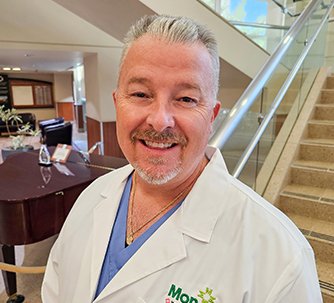
Dr. Mark A. Johnson General Surgeon
Dr. Mark A. Johnson is a board-certified general surgeon providing diagnostic, operative, and postoperative care for adults with conditions that may require surgical treatment.
His work covers common general surgery concerns involving the abdominal wall, gallbladder, appendix, digestive system, skin, and soft tissues. He also has experience with laparoscopic surgery, which allows selected procedures to be performed through smaller incisions.
Patients comparing surgical physicians can also read about Dr. Amir Karni’s general and minimally invasive surgery care.
Doctor Information
Name: Dr. Mark Alan Johnson, MD, FACS
Specialty: General Surgery
Board Certification: American Board of Surgery
Medical School: Texas A&M College of Medicine
Residency: General Surgery, Ochsner Clinic Foundation
Practice: Mark A. Johnson, MD, PA
Primary Location: Conroe, Texas
Hospital Affiliation: Houston Methodist The Woodlands Hospital
Languages Spoken: English
NPI Number: 1053334615
Accepting New Patients: Yes, according to current public provider profiles
Video Visits: Not currently listed as available
About Dr. Mark A. Johnson
Dr. Johnson earned his medical degree from Texas A&M College of Medicine in 1990. He then completed general surgery residency training at Ochsner Clinic Foundation, where his postgraduate education covered the evaluation and surgical management of abdominal, digestive, skin, soft-tissue, and emergency surgical conditions.
He is certified by the American Board of Surgery and is recognised as a Fellow of the American College of Surgeons. Fellowship status reflects professional training and participation in a national surgical organisation, but patients should still evaluate treatment recommendations according to their diagnosis and individual medical needs.
Dr. Johnson has several decades of experience in general surgery. He evaluates whether a condition is best managed with observation, medication, another non-surgical treatment, or an operation.
A surgical consultation does not automatically mean that surgery will be scheduled. The first goal is to confirm the diagnosis and determine which treatment is most likely to help.
General Surgery Care
General surgery covers conditions involving several parts of the body, particularly the abdominal organs, abdominal wall, digestive tract, skin, and tissues beneath the skin.
Dr. Johnson may evaluate and treat conditions such as:
- Inguinal hernias
- Umbilical hernias
- Ventral and incisional hernias
- Gallstones
- Gallbladder inflammation
- Appendicitis
- Abdominal pain
- Bowel obstruction
- Diverticular complications
- Skin lesions
- Cysts
- Lipomas
- Soft-tissue masses
- Abscesses
- Wounds requiring surgical care
- Selected digestive tract conditions
The appropriate treatment depends on the diagnosis, symptom severity, imaging results, previous procedures, and the patient’s overall health.
Hernia Evaluation
A hernia develops when tissue pushes through a weak area in the surrounding muscle or connective tissue. It may appear as a visible bulge or cause pressure, aching, burning, or pain.
Dr. Johnson may assess several types of hernias, including:
- Inguinal hernias in the groin
- Umbilical hernias near the navel
- Ventral hernias in the abdominal wall
- Incisional hernias at an earlier surgical site
- Recurrent hernias following previous repair
Hernia symptoms may become more noticeable during lifting, coughing, exercise, standing, or straining.
The evaluation may include a physical examination and imaging when the diagnosis is unclear or the hernia cannot be fully assessed from the outside.
When Hernia Surgery May Be Considered
A small hernia that causes few symptoms may sometimes be monitored. Surgery may be considered when the hernia:
- Causes persistent discomfort
- Becomes larger
- Restricts work or physical activity
- Cannot be pushed back into place
- Has returned after earlier surgery
- Places abdominal tissue at risk
- Causes symptoms suggesting bowel obstruction
Hernia repair may be performed through an open incision or a minimally invasive approach.
Surgical mesh may be used to reinforce the weakened area when appropriate. Dr. Johnson can explain the proposed technique, the reason mesh may or may not be recommended, and the expected recovery.
Patients comparing hernia and abdominal surgeons may also review Dr. Blair P. Jordan’s general surgery profile.
Inguinal Hernia Care
An inguinal hernia appears in the groin and is one of the most common conditions treated by general surgeons.
Possible symptoms include:
- A groin bulge
- Aching during movement
- Pressure during lifting
- Burning or pulling discomfort
- Pain after prolonged standing
- A lump that becomes more visible while coughing
- Symptoms that improve while lying down
Treatment depends on the hernia’s size, symptoms, and risk of complications.
Patients should tell the surgeon whether the bulge disappears, whether pain is becoming worse, and whether they have experienced nausea, vomiting, abdominal swelling, or changes in bowel function.
Umbilical Hernia Care
An umbilical hernia develops near the navel. Adults may develop this type of hernia because of weakening in the abdominal wall, previous pregnancy, increased abdominal pressure, or other physical factors.
The hernia may cause:
- A visible lump near the navel
- Tenderness
- Discomfort during lifting
- Pressure during coughing
- Pain during exercise
- Gradual enlargement
Not every umbilical hernia needs immediate surgery. The decision depends on symptoms, size, physical findings, and the patient’s general health.
Gallbladder Conditions
The gallbladder stores bile, a fluid that assists with digestion. Gallstones may form and block the normal movement of bile.
Possible gallbladder symptoms include:
- Pain in the upper-right abdomen
- Pain after eating
- Nausea
- Vomiting
- Discomfort spreading toward the back
- Pain near the right shoulder
- Abdominal tenderness
- Fever when inflammation develops
Some gallstones cause no symptoms and may not need surgical treatment. Gallbladder removal is commonly considered when stones repeatedly cause pain, inflammation, infection, or obstruction.
Gallbladder Surgery
Gallbladder removal is called cholecystectomy. It is commonly performed through small abdominal incisions using laparoscopic instruments.
During the procedure, the surgeon separates and removes the gallbladder while protecting nearby structures.
An open operation may be required when:
- Inflammation is severe
- Infection has caused complications
- Anatomy cannot be viewed safely
- Previous operations have created extensive scar tissue
- Another unexpected condition is identified
Most people can live normally without a gallbladder. Some patients experience temporary digestive changes while their body adjusts after surgery.
Laparoscopic Surgery
Laparoscopic surgery uses a camera and specialised instruments inserted through small incisions. The surgeon views the treatment area on a monitor while performing the procedure.
Potential benefits may include:
- Smaller incisions
- Less disruption to surrounding tissue
- Reduced postoperative discomfort
- Shorter hospital stays
- Faster return to routine activities
- Less visible scarring
These benefits vary between patients and procedures. Minimally invasive surgery is not always the safest choice.
Dr. Johnson may recommend an open operation when it provides better access or greater control for a complicated condition.
Appendix Surgery
Appendicitis occurs when the appendix becomes inflamed. It may begin with discomfort near the centre of the abdomen before moving toward the lower-right side.
Other symptoms may include:
- Reduced appetite
- Nausea
- Vomiting
- Fever
- Abdominal tenderness
- Pain that becomes worse with movement
- Changes in bowel habits
Diagnosis may involve a physical examination, blood tests, urine testing, and abdominal imaging.
Treatment frequently involves surgical removal of the appendix. The operation may be completed through a laparoscopic or open approach depending on the severity of inflammation and whether complications are present.
Abdominal Pain Assessment
Abdominal pain can originate from the gallbladder, stomach, intestines, appendix, abdominal wall, urinary system, or another body structure.
Dr. Johnson may review:
- Where the pain occurs
- When it began
- Whether it is constant or intermittent
- Whether meals affect it
- Whether movement makes it worse
- Changes in bowel habits
- Nausea or vomiting
- Fever
- Previous abdominal procedures
- Current medications
Testing may include laboratory work, ultrasound, CT imaging, or review of earlier digestive examinations.
Surgery is considered only when the findings suggest that an operation is likely to provide meaningful benefit.
Bowel Obstruction
A bowel obstruction prevents food, fluid, and gas from moving normally through the intestines.
Possible symptoms include:
- Abdominal swelling
- Cramping pain
- Vomiting
- Inability to pass stool
- Inability to pass gas
- Loss of appetite
- Abdominal tenderness
Obstruction may result from scar tissue, a hernia, inflammation, a mass, or another structural problem.
Treatment depends on the cause and severity. Some patients can initially be managed with hospital monitoring and supportive care, while others need an operation.
Diverticular Disease
Diverticula are small pouches that can form in the wall of the colon. Their presence is called diverticulosis.
When one or more pouches become inflamed or infected, the condition is known as diverticulitis.
Most cases can be treated without surgery. Surgical evaluation may be considered when a patient develops:
- Repeated severe episodes
- An abscess
- Bowel narrowing
- Obstruction
- Perforation
- An abnormal connection between organs
- Symptoms that do not respond to medical treatment
The decision to operate depends on the type of complication, frequency of illness, general health, and findings from imaging or colon examinations.
Skin and Soft-Tissue Conditions
General surgeons also treat selected conditions involving the skin and tissues beneath it.
Dr. Johnson may evaluate:
- Lipomas
- Cysts
- Abscesses
- Enlarging soft-tissue masses
- Suspicious skin growths
- Infected wounds
- Tissue requiring biopsy
- Foreign material beneath the skin
Some small procedures can be completed using local numbing medicine. Larger or deeper masses may need treatment in a surgical facility.
Removed tissue may be sent to a laboratory to confirm the diagnosis.
Lipoma Removal
A lipoma is a soft growth made of fatty tissue. Most lipomas are noncancerous and may not require treatment.
Removal may be considered when a lipoma:
- Becomes painful
- Continues to grow
- Restricts movement
- Presses on nearby tissue
- Causes uncertainty about the diagnosis
- Interferes with clothing or daily activity
The surgeon may examine the growth and request imaging when its location, size, or texture is unusual.
Cyst and Abscess Treatment
A cyst is a closed sac beneath or within the skin. Some remain small and painless, while others become inflamed or infected.
An abscess is a collection of infected fluid that may cause pain, redness, swelling, warmth, or drainage.
Treatment may include:
- Monitoring
- Antibiotic medication in selected cases
- Drainage
- Removal of the cyst wall
- Wound care
- Laboratory testing
- Follow-up examination
Draining an abscess can relieve pressure, but continuing wound care may be needed while the area heals.
Surgical Consultation
A surgical consultation allows Dr. Johnson to determine whether an operation is likely to improve the patient’s condition.
During the appointment, he may:
- Review current symptoms
- Examine the affected area
- Study imaging and laboratory results
- Review previous treatment
- Ask about earlier operations
- Discuss non-surgical alternatives
- Explain the proposed procedure
- Review possible risks
- Describe recovery requirements
- Determine whether additional testing is needed
Patients should ask why surgery is being recommended, what alternatives exist, and what could happen if treatment is postponed.
Choosing Between Surgical and Non-Surgical Care
Not every surgical condition needs immediate treatment. In some cases, monitoring or medical management remains reasonable.
The decision may depend on:
- Severity of symptoms
- Risk of complications
- Imaging findings
- Response to earlier treatment
- Effect on daily activity
- Existing medical conditions
- Previous operations
- Expected surgical benefit
- Patient preferences
Dr. Johnson can help patients compare the likely benefits of surgery with the possible risks and recovery demands.
Preparing for Surgery
Patients scheduled for surgery may need medical testing and practical planning.
Preparation may include:
- Blood tests
- Imaging
- Heart testing when appropriate
- Medication review
- Anaesthesia assessment
- Diabetes management
- Instructions about eating and drinking
- Transportation arrangements
- Planning for help at home
- Temporary changes to work or activity
Patients should provide a full list of:
- Prescription medicines
- Over-the-counter medicines
- Vitamins
- Supplements
- Medication allergies
- Previous reactions to anaesthesia
- Earlier surgical complications
- Existing medical conditions
Blood thinners and certain diabetes medicines may require special instructions. Patients should not stop medication unless directed by the surgeon or prescribing physician.
Anaesthesia and Surgical Safety
The type of anaesthesia depends on the procedure, expected duration, patient’s health, and surgical location.
Before surgery, patients should report:
- Heart or lung conditions
- Sleep apnoea
- Previous anaesthesia problems
- Medication allergies
- Blood-clotting conditions
- Kidney or liver disease
- Diabetes
- Loose teeth or dental devices
- Current illness or fever
The anaesthesia team reviews this information to select an appropriate plan and reduce avoidable risk.
Postoperative Recovery
Recovery continues after a patient leaves the hospital or surgical facility.
Dr. Johnson may provide instructions covering:
- Wound care
- Pain medication
- Lifting restrictions
- Walking and movement
- Bathing
- Diet
- Driving
- Returning to work
- Follow-up appointments
- Symptoms that should be reported
Recovery time depends on the operation, surgical approach, patient’s health, and whether complications occur.
Patients should not return to strenuous lifting or exercise before the healing tissues are ready.
Wound Care
Surgical wounds need time to close and strengthen.
General instructions may include:
- Keeping the area clean
- Following dressing instructions
- Avoiding unapproved creams or products
- Washing hands before touching the wound
- Checking for unexpected changes
- Avoiding soaking until permitted
- Attending scheduled follow-up visits
Normal healing can include mild tenderness, limited swelling, or temporary bruising. Increasing redness, drainage, fever, or worsening pain should be discussed with the surgical team.
Surgical Risks
Every operation carries possible risks. The type and likelihood depend on the procedure and the patient’s health.
Potential complications may include:
- Bleeding
- Infection
- Blood clots
- Anaesthesia reactions
- Delayed wound healing
- Injury to nearby structures
- Hernia recurrence
- Continued pain
- Need for another procedure
Dr. Johnson can explain which risks are most relevant to the recommended operation and what steps may help reduce them.
Coordinated Surgical Care
General surgery may require coordination with other healthcare professionals.
Dr. Johnson may work with:
- Primary care physicians
- Gastroenterologists
- Cardiologists
- Radiologists
- Anaesthesiologists
- Pathologists
- Wound-care specialists
- Other surgeons
Coordination is particularly important for patients with diabetes, heart disease, breathing disorders, kidney problems, or several chronic conditions.
Patients comparing general surgeons may also review Dr. Blair P. Jordan’s surgical services.
Preparing for an Appointment
Patients can prepare by bringing:
- A current medication list
- Recent laboratory reports
- Ultrasound, CT, or MRI results
- Previous surgical records
- Hospital discharge documents
- A list of medication allergies
- Details about current symptoms
- Insurance information
- Questions about treatment and recovery
It is helpful to explain when symptoms began, what makes them worse, and how they affect eating, walking, lifting, work, sleep, or daily activity.
Patients should also mention previous abdominal procedures because scar tissue may influence surgical planning.
Patient-Focused General Surgery
Dr. Johnson provides general surgical care based on each patient’s diagnosis, symptoms, test results, previous treatment, overall health, and personal priorities.
His clinical work includes hernia repair, gallbladder surgery, appendix treatment, abdominal surgery, laparoscopic procedures, and removal of selected skin or soft-tissue growths.
Patients should confirm current appointment availability, accepted insurance plans, hospital participation, referral requirements, and available surgical procedures directly with the practice.




Reviews
There are no reviews yet.