

Body confidence plays a central role in shaping how women perceive themselves and interact with the world around them. It extends far beyond physical appearance, influencing emotional well-being, relationships, and overall quality of life.
In today’s image-driven culture, where beauty standards are constantly reinforced through media and social platforms, maintaining a healthy body image can be both challenging and essential. Understanding how body confidence affects mental health allows for a more compassionate and informed approach to self-perception.
Understanding Body Confidence
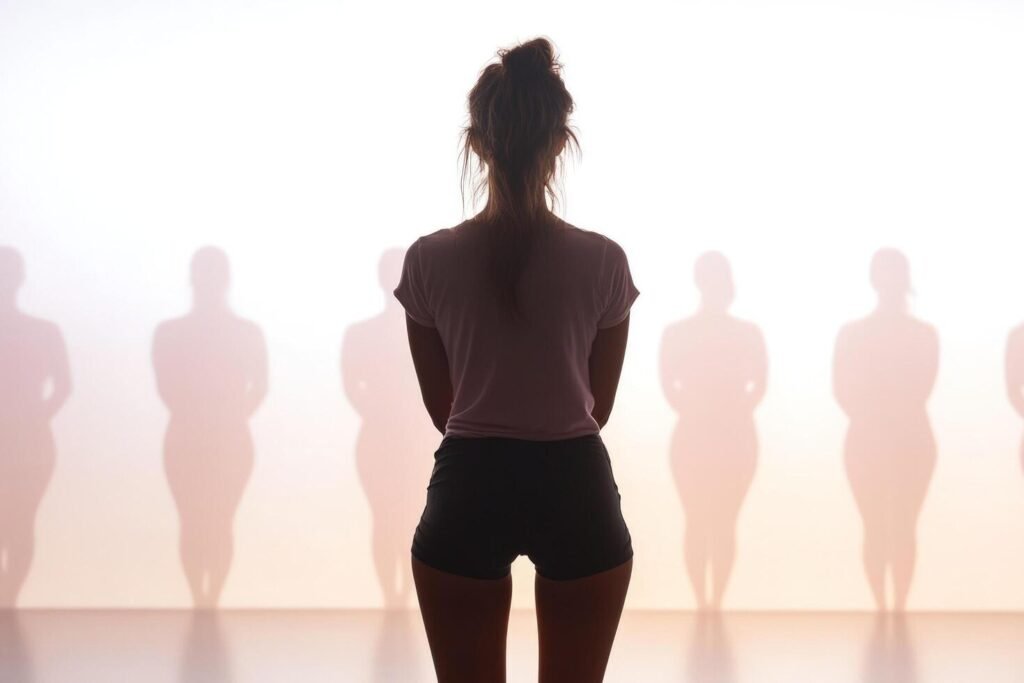
Body confidence refers to the level of comfort, acceptance, and respect a person has for their physical appearance. It’s not about achieving perfection or conforming to a specific ideal, but rather about feeling at ease in one’s own body. Women with strong body confidence tend to appreciate their bodies for both their appearance and their functionality, recognizing that self-worth extends beyond physical traits.
A combination of internal and external factors shapes this sense of confidence. Personal experiences, upbringing, cultural influences, and social interactions all contribute to how women perceive their bodies. Over time, these influences form a mental framework that can either support or undermine self-esteem.
It’s also vital to note that body confidence is variable or constantly changing. It evolves throughout different life stages and can be strengthened with intentional effort. Recognizing that body image is dynamic enables women to approach it as something that can be improved rather than something they’re permanently defined by.
Psychological Impact of Body Image
The connection between body image and mental health is well established. Women who experience negative body image are more likely to struggle with anxiety, depression, and low self-esteem. Persistent dissatisfaction with appearance can lead to harmful patterns such as excessive self-criticism, comparison with others, and avoidance of social situations.
These patterns often create a reinforcing cycle. Negative thoughts about one’s body can lead to emotional distress, which in turn deepens dissatisfaction and further erodes confidence. Over time, this cycle can impact multiple areas of life, including relationships, career opportunities, and overall happiness.
On the other hand, positive body confidence supports emotional resilience. Women who feel comfortable with their appearance are more likely to engage in social activities, pursue personal goals, and maintain a healthier outlook on life. This confidence fosters a sense of empowerment, enabling women to focus on their strengths and capabilities rather than perceived flaws.
Social Influences and Cultural Expectations
Societal standards play a powerful role in shaping body image. From a young age, women are exposed to idealized representations of beauty through advertisements, television, and digital media. These portrayals often emphasize unrealistic or narrowly defined features, making it difficult for many women to feel that they measure up.
The rise of social media has also amplified these unnecessary and unrealistic pressures. Platforms filled with curated images and edited content can create distorted perceptions of reality. Constant exposure to these images may lead women to compare themselves unfavorably, contributing to feelings of inadequacy.
In addition to media influences, family and peer interactions also shape body image. Comments about weight, appearance, or attractiveness, whether intentional or not, can leave lasting impressions. Supportive environments that prioritize health, individuality, and self-acceptance can counteract negative messaging and promote healthier self-perceptions.
Cultural expectations are also another factor. Different societies may emphasize specific physical traits as desirable, placing additional pressure on women to conform. Recognizing these influences is an important step in challenging unrealistic standards and developing a more balanced perspective.
Life Transitions and Changing Body Perceptions
Throughout life, women experience various physical changes that can impact body confidence. Puberty, pregnancy, aging, and hormonal shifts all bring transformations that may alter how a woman perceives herself.
For example, pregnancy and childbirth often lead to changes in weight, skin elasticity, and body shape. While these changes are natural, they can sometimes create tension between expectations and reality. Similarly, aging introduces visible signs such as wrinkles and changes in muscle tone, which may affect self-perception.
These transitions can challenge previously held beliefs about beauty and identity. However, they also provide opportunities for growth and self-acceptance. Embracing the body’s evolution as a natural part of life can help foster a more compassionate and realistic outlook.
Adapting to these changes requires a shift in perspective, from focusing solely on appearance to appreciating the body’s resilience and functionality. This shift is key to maintaining confidence over time.
Coping Mechanisms and Emotional Resilience
Women adopt various coping mechanisms to deal with body image concerns. Some develop positive strategies, such as engaging in physical activity, practicing self-care, and seeking social support. Others may fall into less constructive patterns, including restrictive dieting or excessive comparison.
Building emotional resilience is essential for maintaining a healthy body image. Practices such as mindfulness and self-compassion can help women become more aware of negative thought patterns and respond to them with kindness rather than judgment. These approaches help encourage a more balanced and realistic view of the self.
Professional support can also play a valuable role. Counseling and therapy offer safe spaces to explore and determine core issues affecting body image and self-esteem. Cognitive behavioral techniques, in particular, are effective in challenging distorted beliefs and promoting healthier thinking patterns.
By developing adaptive coping strategies, women can reduce the impact of external pressures and cultivate a more stable sense of self-worth.
Personal Choices, Autonomy, and Empowerment
Body confidence is deeply personal, and for some women, improving their relationship with their appearance involves making intentional changes. These choices can range from lifestyle adjustments, such as exercise and nutrition, to aesthetic or medical interventions.
For instance, some women consider procedures like breast augmentation surgery as part of their journey toward feeling more aligned with their self-image. Others may seek non-surgical refinements to enhance their facial harmony, exploring options like liquid rhinoplasty to achieve subtle yet impactful results. When approached mindfully, with proper medical consultation and realistic expectations, such decisions can contribute to a sense of empowerment and personal satisfaction. However, these choices must be driven by individual preferences rather than societal pressure or external validation.
True empowerment lies in autonomy, the ability to make informed decisions about one’s body while maintaining a balanced perspective on self-worth. The goal should always be to support overall well-being rather than to meet unrealistic standards.
Representation and Its Impact on Self-Perception
Representation in media and society plays a crucial role in shaping how women view themselves. When only a limited range of body types is portrayed as desirable, it can create unrealistic expectations and feelings of exclusion.
Increasing diversity in representation helps normalize a wider range of appearances. Seeing women of different shapes, sizes, ages, and backgrounds in positive roles can foster a sense of inclusion and acceptance. This shift challenges traditional beauty norms and encourages women to appreciate their individuality.
Representation also influences younger generations, shaping their perceptions from an early age. Promoting inclusive and realistic images can contribute to healthier body image development and reduce the likelihood of negative self-perception later in life.
Building and Maintaining Positive Body Confidence
Developing body confidence is an ongoing process that requires both internal reflection and external support. Several strategies can help women cultivate a healthier relationship with their bodies:
- Practice self-compassion: Replace critical thoughts with understanding and kindness.
- Focus on function over form: Appreciate what the body can do, not just how it looks.
- Limit exposure to negative influences: Be mindful of media consumption and its impact on self-perception.
- Surround yourself with positivity: Engage with people who promote acceptance and encouragement.
- Set realistic expectations: Recognize that perfection is unattainable and unnecessary.
Consistency in these practices can gradually reshape how women perceive themselves, leading to improved confidence and emotional well-being.
Mind-Body Connection

Physical health and mental health are closely interconnected. Engaging in regular physical activity, maintaining a balanced diet, and getting adequate rest can significantly improve mood and self-esteem. These habits contribute to a sense of vitality and well-being that extends beyond physical appearance.
It’s important to approach health-related behaviors with a balanced mindset. When the focus shifts solely to appearance, these practices can become counterproductive. Instead, emphasizing overall health and well-being helps create a more sustainable and positive relationship with the body.
Activities such as yoga, meditation, and mindful movement can further strengthen the mind-body connection, promoting both physical and emotional balance. By cultivating awareness and self-compassion, women can better manage stress, enhance resilience, and develop a deeper appreciation for their bodies, fostering long-term mental and physical well-being.
Endnote
Body confidence is a powerful factor in women’s mental health, influencing how they see themselves and interact with the world. While societal pressures and life changes can challenge self-perception, it’s possible to build a healthier and more positive body image.
The journey toward body confidence isn’t about achieving a specific standard of beauty but about embracing individuality and self-acceptance. By developing supportive habits, seeking positive influences, and making informed personal choices, women can cultivate a sense of confidence that enhances their overall well-being.
In a world that often emphasizes external appearance, redefining beauty as a reflection of strength, resilience, and authenticity can lead to more meaningful and lasting mental health benefits, fostering self-compassion, confidence, emotional balance, healthier relationships, and a stronger sense of identity over time.
Reference
- GBD 2019 Diseases and Injuries Collaborators. (2020). Global burden of 369 diseases and injuries in 204 countries and territories, 1990–2019. The Lancet, 396(10258), 1204–1222. https://doi.org/10.1016/S0140-6736(20)30925-9
- Alleva, J. M., Sheeran, P., Webb, T. L., Martijn, C., & Miles, E. (2015). A meta-analytic review of stand-alone interventions to improve body image. Body Image, 13, 115–127. https://doi.org/10.1016/j.bodyim.2015.03.003
- Roberts, T.-A., Calogero, R. M., & Gervais, S. J. (2018). Objectification theory: Continuing contributions to feminist psychology. Psychology of Women Quarterly, 42(2), 105–125. https://doi.org/10.1037/pspp0000209
- Rodgers, R. F., Slater, A., Gordon, C. S., McLean, S. A., Jarman, H. K., & Paxton, S. J. (2018). A biopsychosocial model of social media use and body image concerns, disordered eating, and muscle-building behaviors among adolescents. Eating Behaviors, 30, 1–7. https://doi.org/10.1016/j.eatbeh.2018.03.007
- Kelly, Y., Zilanawala, A., Booker, C., & Sacker, A. (2019). Social media use and adolescent mental health: Findings from the UK Millennium Cohort Study. Journal of Adolescent Health, 64(6), 705–713. https://doi.org/10.1016/j.jadohealth.2019.09.017
- Tylka, T. L., & Wood-Barcalow, N. L. (2020). What is and what is not positive body image? Conceptual foundations and construct definition. Sex Roles, 82(9–10), 555–570. https://doi.org/10.1007/s11199-020-01169-2
- Guest, E., Costa, B., Williamson, H., Meyrick, J., Halliwell, E., & Harcourt, D. (2021). The effectiveness of interventions aiming to promote positive body image: A systematic review. Current Opinion in Psychology, 45, 101315. https://doi.org/10.1016/j.copsyc.2021.04.008
- Fardouly, J., & Vartanian, L. R. (2017). Social media and body image concerns: Current research and future directions. Personality and Social Psychology Bulletin, 43(1), 1–15. https://doi.org/10.1177/0146167217714193
- Holland, G., & Tiggemann, M. (2017). “Strong beats skinny every time”: Disordered eating and compulsive exercise in women who post fitspiration on Instagram. Appetite, 117, 221–229. https://doi.org/10.1016/j.appet.2017.07.010
- Cohen, R., Newton-John, T., & Slater, A. (2020). The relationship between Facebook and Instagram appearance-focused activities and body image concerns in young women. Body Image, 33, 190–197. https://doi.org/10.1016/j.bodyim.2020.11.001