

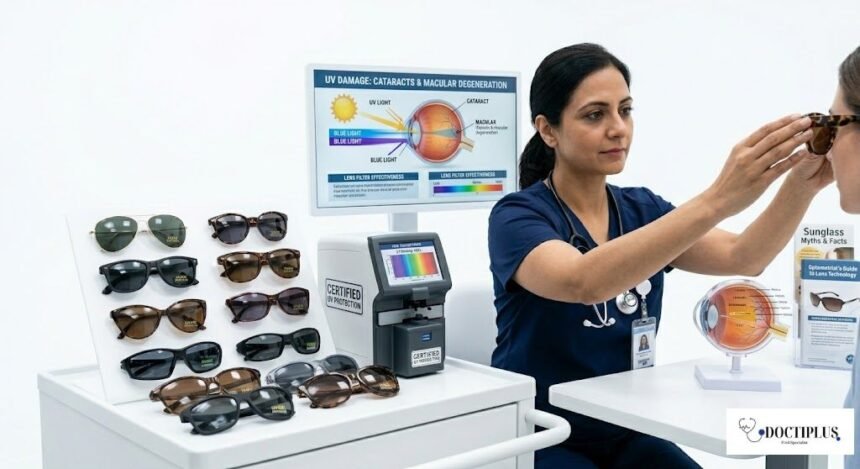
Sunlight plays an important role in daily life. It supports mood, helps regulate sleep cycles, and keeps us active. At the same time, long-term exposure to ultraviolet radiation can quietly damage sensitive eye structures. Many people are careful about protecting their skin, but often overlook their eyes.
Eye care professionals, including Optometrists, frequently highlight this gap. The eyes are constantly exposed to sunlight, even during routine activities like walking, driving, or sitting near windows. Over time, this exposure can increase the risk of conditions such as cataracts, macular degeneration, and other vision-related problems.
Understanding how sunlight affects your eyes and how to protect them can help you maintain healthy vision for years to come.
What UV Rays Actually Do to Your Eyes
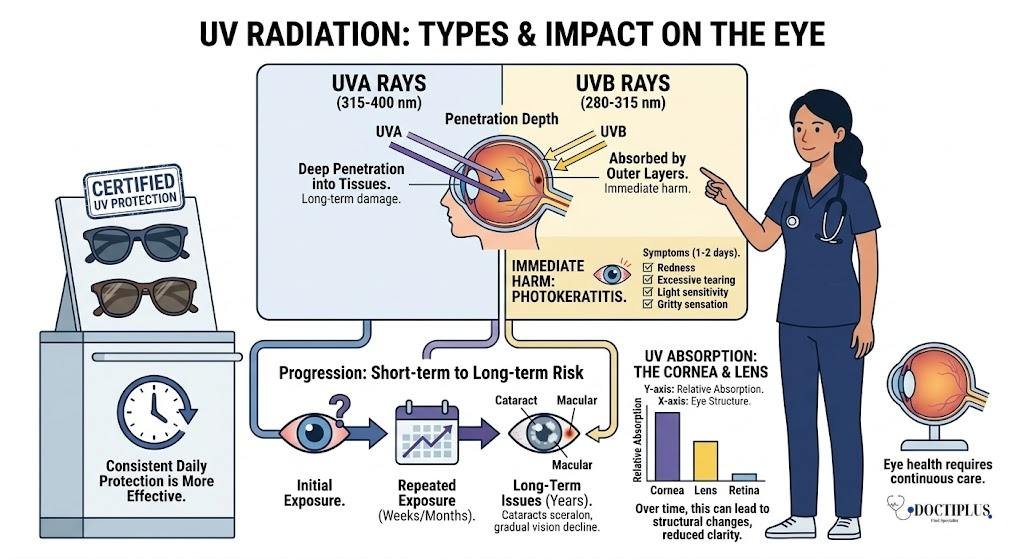
Ultraviolet radiation is invisible, which makes it easy to underestimate its impact. Two primary types affect eye health:
- UVA rays penetrate deeper into the eye tissues and contribute to long-term damage
- UVB rays are more intense and can cause immediate harm to the outer layers of the eye
Short-term exposure can lead to a painful condition called photokeratitis. This is often described as a sunburn of the eye. Symptoms may include:
- Redness and irritation
- Excessive tearing
- Sensitivity to light
- A gritty or burning sensation
Although symptoms usually improve within a couple of days, repeated exposure can increase long-term risks.
The cornea and lens absorb most UV radiation. Over time, this can lead to structural changes, reduced clarity, and gradual vision decline. This is why consistent daily protection is more effective than occasional use.
Choosing the Right Pair for Daily Wear
When selecting sunglasses, protection should always come before style. Many people assume darker lenses provide better protection, but this is not always true.
Here is what to look for:
- 100 percent UVA and UVB protection
- UV400 labeling, which blocks nearly all harmful rays
- High-quality lenses that maintain optical clarity
- Comfortable fit to encourage regular use
Important things to avoid:
- Dark lenses without UV protection, as they can allow more harmful rays into dilated pupils
- Poorly fitted frames that leave gaps around the eyes
Wraparound styles are especially useful because they reduce sunlight entering from the sides. This added coverage can make a significant difference during extended outdoor exposure.
Everyday Situations Where Protection Is Needed
Eye protection is not only important during beach trips or vacations. Daily routines expose your eyes to UV rays more often than you might expect.
Common situations include:
- Driving during daylight hours, where glare can reduce visibility and increase eye strain
- Walking outdoors, even for short periods
- Working near windows, where UV rays can pass through the glass
- Commuting in the morning or afternoon, when sunlight angles are stronger
Reflective surfaces like water, sand, and roads can increase exposure by bouncing UV rays back toward your eyes. Keeping protective eyewear within reach makes it easier to build consistent habits.
Kids and Eye Care Habits Start Early
Children are particularly vulnerable to UV exposure. Their eyes allow more light to reach the retina compared to adults, increasing the potential risk.
Why early protection matters:
- Children spend more time outdoors
- Their eye structures are still developing
- Damage from UV exposure can accumulate over time
Helpful steps for parents:
- Introduce protective eyewear as part of daily routines
- Choose lightweight and durable frames
- Encourage use during outdoor play and school activities
Regular eye checkups also play an important role. Early guidance from eye care professionals helps ensure proper development and long-term protection.
Style Meets Function Without Compromise
Modern eyewear has evolved to combine both protection and style. You no longer have to choose between looking good and protecting your eyes.
Features that improve both comfort and function:
- Polarized lenses reduce glare from reflective surfaces
- Anti-reflective coatings improve clarity
- Lightweight materials enhance comfort for extended wear
It is important to remember that polarization alone does not guarantee UV protection. Always confirm that lenses provide full UV blocking.
Choosing eyewear that matches your style increases the likelihood of wearing it regularly, which is the key to long-term protection.
Long-Term Vision Care Starts With Simple Choices
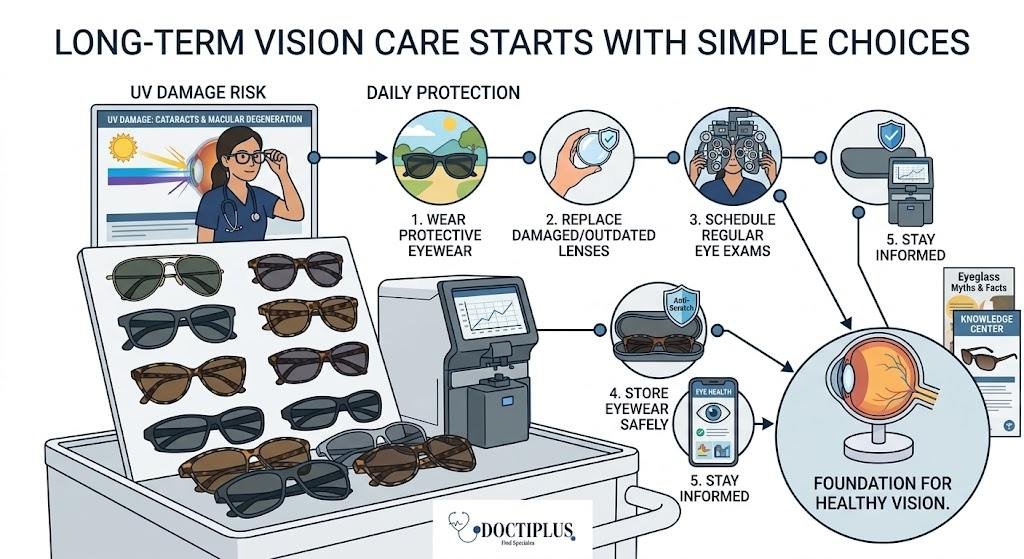
Everyday habits shape eye health. Small, consistent actions can significantly reduce the risk of serious conditions later in life.
Practical tips to follow:
- Wear protective eyewear whenever you are outdoors
- Schedule regular eye exams to monitor changes
- Replace damaged or outdated lenses
- Store eyewear safely to avoid scratches and wear
- Stay informed about eye health and protective options
Combining daily protection with professional care creates a strong foundation for maintaining clear and healthy vision.
FAQs
Q1: Do I need eye protection even on cloudy days?
- Yes, ultraviolet rays can pass through clouds and still reach your eyes. Daily protection helps reduce long-term exposure.
Q2: Are polarized lenses enough for protection?
- Polarized lenses reduce glare, but they do not always block UV rays. Always check for full UVA and UVB protection.
Q3: How can I choose the right eyewear for my lifestyle?
- Focus on UV protection, comfort, and fit. Wraparound styles and polarized lenses can improve comfort during outdoor activities.
Q4: Why do many people trust premium brands for eye protection?
- High-quality eyewear often combines advanced lens technology with durable materials, ensuring better clarity and consistent protection.
Q5: What is the easiest way to build a daily eye protection habit?
- Keep your eyewear in places you use often, such as your car, bag, or near your door, so it becomes part of your routine.
Conclusion
Protecting your eyes from ultraviolet radiation is a simple yet powerful step toward maintaining long-term vision health. While sunlight is essential for overall well-being, unmanaged exposure can gradually harm delicate eye tissues.
By choosing proper eyewear, building consistent habits, and seeking regular professional care, you can significantly reduce risks and support lifelong eye health. Small daily actions today can prevent serious problems in the future.
References
- Taylor, H. R., West, S. K., Rosenthal, F. S., Munoz, B., Newland, H. S., Abbey, H., & Emmett, E. A. (1988). Effect of ultraviolet radiation on cataract formation. New England Journal of Medicine. https://doi.org/10.1056/NEJM198805123181904
- Yam, J. C. S., & Kwok, A. K. H. (2014). Ultraviolet light and ocular diseases. International Ophthalmology. https://doi.org/10.1007/s10792-013-9791-x
- Lucas, R. M., Repacholi, M. H., & McMichael, A. J. (2006). Is sunlight good for our health? The Lancet. https://doi.org/10.1016/S0140-6736(06)69717-1
- Sliney, D. H. (2001). Photoprotection of the eye – UV radiation and sunglasses. Journal of Photochemistry and Photobiology B: Biology. https://doi.org/10.1016/S1011-1344(01)00126-9
- Roberts, J. E. (2001). Ocular phototoxicity. Journal of Photochemistry and Photobiology B: Biology. https://doi.org/10.1016/S1011-1344(01)00119-1
- Young, R. W. (1992). Sunlight and age-related eye disease. Journal of the National Medical Association. https://doi.org/10.1016/S0027-9684(15)31003-0
- Mainster, M. A., & Turner, P. L. (2010). Blue light’s benefits vs risks for eye health. Survey of Ophthalmology. https://doi.org/10.1016/j.survophthal.2010.02.003
Medical Disclaimer
This article is intended for general informational and educational purposes only. It does not provide medical advice, diagnosis, or treatment. Always consult a qualified healthcare professional or eye care specialist with any questions regarding your eye health or medical condition. Never ignore professional medical advice or delay seeking care based on information you have read here.