

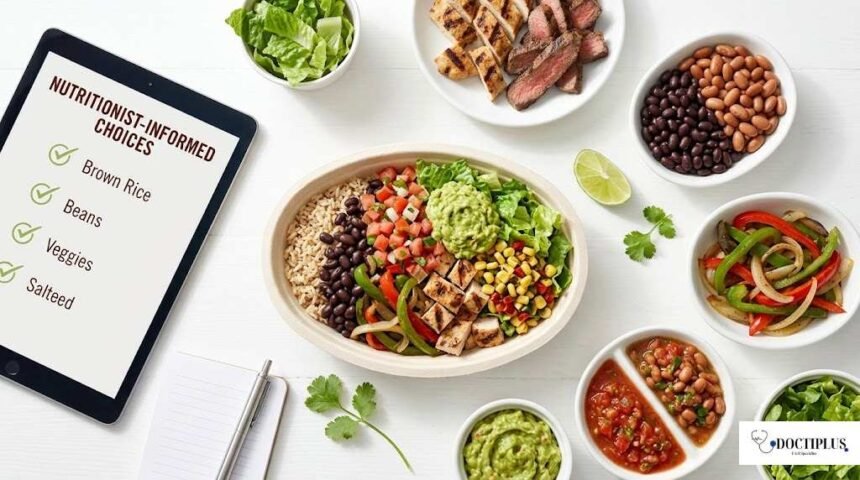
Fast-casual dining and healthy eating are not mutually exclusive, but navigating a menu without a clear nutritional strategy can quickly lead to choices that undermine your health goals. Chipotle Mexican Grill is one of the few chains where a genuinely balanced, nutrient-dense meal is possible, but only if you understand what you are building and why each ingredient matters.
This guide is designed for people who care about what they eat, whether you are managing weight, building muscle, following a therapeutic diet, or simply trying to make better food decisions. It breaks down the real nutritional value of Chipotle’s ingredients, explains how different combinations affect your health, and gives you practical strategies grounded in current dietary science.
Why Ingredient Transparency Matters for Your Health
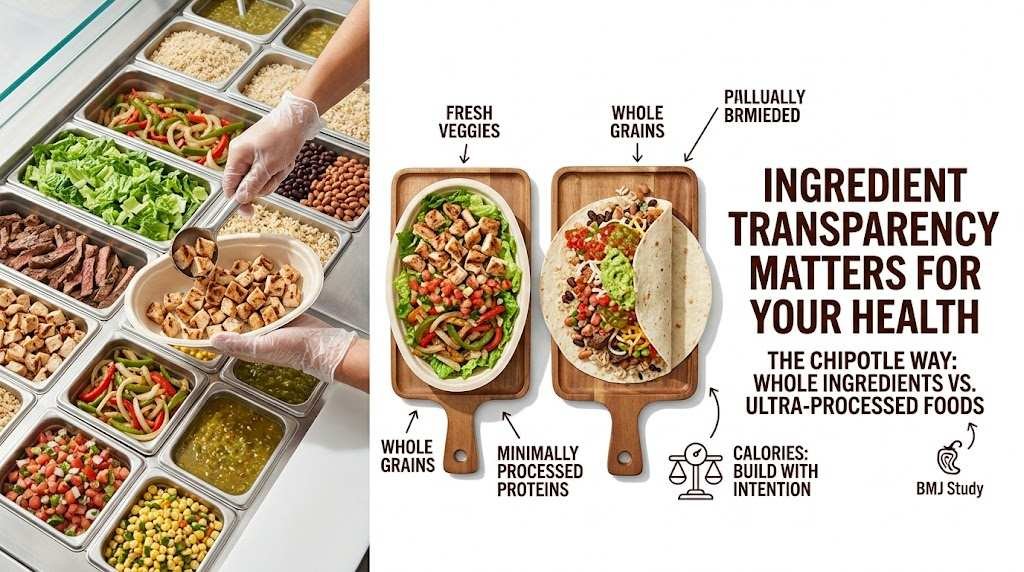
One of the most underappreciated aspects of eating at Chipotle is the level of ingredient visibility it offers. Unlike most fast-food chains, where processing and additives are common, Chipotle uses whole, recognizable ingredients that you can see assembled in front of you.
This matters because ultra-processed foods have been consistently linked to poor health outcomes. A landmark 2019 cohort study published in The BMJ found that each 10% increase in ultra-processed food consumption was associated with a significant rise in cardiovascular disease risk. Chipotle’s model, centered on whole grains, fresh vegetables, and minimally processed proteins, sidesteps many of these concerns.
That said, not every Chipotle meal is automatically healthy. The caloric range between a simple lettuce bowl and a fully loaded burrito with all toppings can differ by more than 800 calories. Understanding how to build your meal with intention is the difference between a nutritious choice and one that works against your goals.
What Does Chipotle’s Build-Your-Own System Actually Give You?
Chipotle’s ordering model is built on layering components: a base, a protein, beans, vegetables, and toppings. This structure gives you genuine control over macronutrients, fiber content, and caloric density in a way that most restaurant menus do not allow.
Choosing the Right Base for Your Nutritional Goals
The base of your meal sets the nutritional foundation. White rice is the most commonly chosen option and provides quick-digesting carbohydrates. Brown rice is a slightly better option for blood sugar management, as its higher fiber content slows glucose absorption, which aligns with guidance from the American Diabetes Association on carbohydrate quality.
Cauliflower rice is the lowest-carbohydrate base available and works well for people following low-carb or ketogenic protocols. A lettuce base takes this further by adding volume and water content with virtually no calories, which supports satiety without contributing to energy surplus.
If your goal is weight management or blood sugar regulation, starting with cauliflower rice or lettuce is one of the highest-impact single decisions you can make when ordering.
Proteins: Comparing Quality, Calories, and Nutrient Density
Protein is the most important macronutrient for satiety, muscle maintenance, and metabolic health. Chipotle offers several protein options that differ in caloric density and fat content.
Chicken is the leanest option and provides approximately 32 grams of protein per serving with moderate fat. Steak is slightly higher in saturated fat, but it is still a quality protein source rich in iron and zinc. Barbacoa and carnitas are higher in fat due to their braising preparation, which should be factored in if you are managing total caloric intake. Sofritas, the plant-based tofu option, provides a moderate protein level with unsaturated fats and is a solid choice for plant-based eaters, though pairing it with beans is advisable to reach adequate protein totals.
The Dietary Guidelines for Americans 2020-2025 recommends 0.8 grams of protein per kilogram of body weight for sedentary adults, with higher needs for physically active individuals. A standard Chipotle protein serving, especially if doubled, can meaningfully contribute to meeting these targets.
Beans: One of the Most Undervalued Ingredients on the Menu
Both black beans and pinto beans at Chipotle are nutritionally significant. They are high in fiber, plant-based protein, folate, and resistant starch, which feeds beneficial gut bacteria. Research published in the Journal of the American College of Nutrition highlights that regular legume consumption is associated with lower rates of cardiovascular disease, type 2 diabetes, and obesity.
Adding a full serving of beans to your bowl provides roughly 7 to 8 grams of fiber, which is nearly one-third of the daily recommended intake for adults. For most people eating a typical Western diet that is already low in fiber, this is a genuinely meaningful contribution to long-term gut health.
How to Track Calories and Macros Accurately at Chipotle
Because every Chipotle meal is assembled from individual components, the nutritional content of your order is not fixed. Even small changes, such as adding sour cream or opting for double protein, can shift the meal’s caloric total by 200 to 400 calories.
The most reliable way to know exactly what you are consuming is to use the Chipotle Nutrition Calculator, which lets you build your meal ingredient by ingredient and see real-time breakdowns of calories, protein, fat, carbohydrates, sodium, and fiber. This is particularly useful for people managing specific health conditions, following a structured eating plan, or working with a dietitian.
For cross-referencing, the USDA FoodData Central database provides independently verified nutritional data for many whole ingredients used at Chipotle, which can serve as a useful secondary reference for those who want to verify accuracy.
Logging your meal before you order, rather than after, is a behavioral strategy supported by research in nutritional psychology. When people know the caloric content of a meal before eating, they consistently make more moderate choices and report higher satisfaction with the outcome.
Building Chipotle Meals for Specific Health and Dietary Needs
For Weight Management and Calorie Control
The most effective lower-calorie Chipotle meal centers on a lettuce or cauliflower rice base, a lean protein like chicken, a full serving of black beans, and fresh tomato salsa. This combination typically falls between 400 and 550 calories while providing high protein and fiber content, both of which support satiety.
Where calorie counts rise quickly is in the topping layer. Guacamole adds approximately 230 calories per serving, sour cream adds around 110, and cheese adds roughly 110. These are not foods to avoid entirely, but rather ingredients to be selective about based on your remaining daily caloric budget.
For Muscle Building and Athletic Performance
People with high protein requirements benefit from ordering double protein, or combining a standard protein serving with a full portion of beans. A bowl built on brown rice with double chicken, black beans, fajita vegetables, and fresh salsa can provide upward of 55 to 65 grams of protein in a single meal.
Brown rice provides complex carbohydrates that support glycogen replenishment after training. The International Society of Sports Nutrition recommends a post-exercise carbohydrate and protein ratio that a well-constructed Chipotle bowl can reasonably approximate, making it a practical option for athletes who are not always able to prepare food at home.
For Type 2 Diabetes and Blood Sugar Management
Managing glycemic impact at Chipotle is achievable with thoughtful choices. Replacing white rice with cauliflower rice or lettuce significantly reduces the glycemic load of the meal. Prioritizing beans, which have a low glycemic index, and pairing them with lean protein and healthy fats further slows glucose absorption.
Avoiding high-sugar salsas and being cautious with corn, which is higher in natural sugars than other vegetables, is also advisable. The American Diabetes Association’s nutrition guidelines emphasize the importance of fiber-rich, low-glycemic carbohydrates, which black beans and fajita vegetables represent well.
For Vegan and Whole Food Plant-Based Diets
Building a complete plant-based meal at Chipotle is straightforward. Sofritas paired with black or pinto beans provides both protein and iron. Adding fajita vegetables increases micronutrient density, and choosing brown rice or cauliflower rice as a base adds fiber.
One nutritional consideration for fully plant-based eaters is ensuring adequate iron absorption. Pairing iron-rich plant foods with vitamin C-containing ingredients enhances non-heme iron uptake, as explained in research from the Harvard T.H. Chan School of Public Health. At Chipotle, fresh tomato salsa and roasted chili-corn salsa both contain vitamin C, making them smart pairing choices for plant-based meals.
For Low-Sodium and Heart-Healthy Eating
Sodium is one area where Chipotle meals can accumulate quickly and quietly. Many of the prepared proteins and salsas contain significant sodium levels. People managing hypertension or following a heart-healthy diet should be particularly mindful here.
Choosing fresh tomato salsa over hotter or smokier varieties, limiting cheese and sour cream, and skipping queso blanco can meaningfully reduce total sodium intake. The American Heart Association recommends no more than 2,300 mg of sodium per day, with an ideal target of 1,500 mg for those with cardiovascular concerns. A standard Chipotle bowl can range from 700 mg to over 2,000 mg, depending on ingredient choices.
What Dietitians Actually Think About Fast-Casual Dining
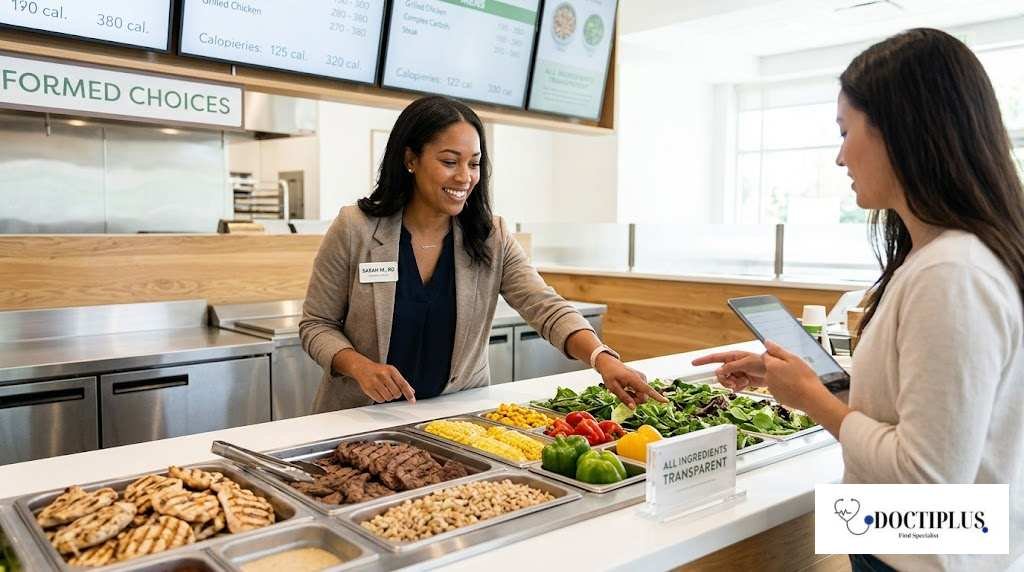
Registered dietitians increasingly recognize that rigid rules around restaurant eating are both impractical and counterproductive for long-term health. The Academy of Nutrition and Dietetics emphasizes flexibility and food literacy over restriction, noting that the ability to make informed choices in any eating environment is a core competency of sustainable healthy eating.
Chipotle’s level of ingredient transparency, its avoidance of artificial additives, and the flexibility of its ordering model make it one of the more diet-compatible fast-casual options available. This does not mean every meal from Chipotle is healthy by default, but it does mean that a health-conscious customer has genuine tools to work with.
What differentiates a nutritious Chipotle meal from a calorie-heavy one is not the restaurant itself but the decisions made within it. Portion awareness, ingredient selection, and an understanding of how each component contributes to overall nutrition are the real variables.
Practical Tips for Making Consistently Healthier Choices at Chipotle
Build your meal before you arrive. Using an online nutrition tool to plan your order removes the in-the-moment pressure that leads to impulsive additions. This is especially useful if you are working toward a specific calorie or macronutrient target.
Ask for extra vegetables. Fajita vegetables can be added at no extra cost and significantly increase the fiber, antioxidant, and water content of your meal without meaningfully adding calories. This is one of the simplest ways to increase nutritional value without increasing cost.
Be selective, not restrictive, with toppings. Guacamole contains heart-healthy monounsaturated fats from avocado, which are genuinely beneficial. Sour cream provides calcium. The goal is not to eliminate these foods but to include them based on your actual nutritional needs and remaining daily intake.
Watch the sodium, not just the calories. For people managing blood pressure or heart disease risk, sodium tracking at Chipotle is as important as calorie tracking. Fresh salsa and simple grilled proteins are the lowest-sodium options.
Conclusion
Chipotle is one of the few restaurant environments where a customer with genuine nutritional awareness can eat well consistently. The ingredient quality, the transparency, and the customization model all support health-conscious decision-making in a way that most fast food chains do not.
The key insight is that the restaurant does not make the meal healthy. Your choices do. A bowl built on a lettuce base with lean chicken, black beans, and fresh salsa is a genuinely nutritious meal by most evidence-based standards. A burrito loaded with rice, cheese, sour cream, and queso is a high-calorie indulgence. Both are valid choices, but knowing the difference and making the decision with full information is what separates reactive eating from intentional nutrition.
Use the tools available to you, understand what each ingredient contributes to your health, and treat the build-your-own model as what it actually is: an opportunity to apply what you know about nutrition in a real-world setting.
Disclaimer
This article is for general informational and educational purposes only and does not constitute medical, nutritional, or dietary advice. Nutritional values mentioned are estimates based on publicly available data and may vary based on portion size, preparation, and regional differences. Individuals with specific health conditions, food allergies, or therapeutic dietary needs should consult a registered dietitian or qualified healthcare provider before making significant changes to their diet. Chipotle’s menu and nutritional data are subject to change. Always verify current information directly on the official Chipotle website.
References
- 1. Schnabel, L. et al. (2019). Association Between Ultraprocessed Food Consumption and Risk of Mortality. The BMJ. Vol. 365.
- 2. American Diabetes Association. (2021). Facilitating Behavior Change and Well-being to Improve Health Outcomes: Standards of Medical Care in Diabetes. Diabetes Care. Vol. 44, Supplement 1.
- 3. U.S. Department of Agriculture and U.S. Department of Health and Human Services. (2020). Dietary Guidelines for Americans 2020-2025. 9th Edition.
- 4. Viguiliouk, E. et al. (2019). Effect of Replacing Animal Protein with Plant Protein on Glycemic Control in Diabetes—Journal of the American College of Nutrition.
- 5. Jager, R. et al. (2017). International Society of Sports Nutrition Position Stand: Protein and Exercise. Journal of the International Society of Sports Nutrition. Vol. 14.
- 6. American Heart Association. (2024). How Much Sodium Should I Eat Per Day? AHA Healthy Eating Resources.
- 7. Harvard T.H. Chan School of Public Health. (2024). Vegetables and Fruits: The Nutrition Source.
- 8. USDA FoodData Central. (2024). Nutritional Database for Standard Reference. U.S. Department of Agriculture.