


The American Association of Orthodontists reports that adult treatment now represents 25% of all orthodontic patients a figure that’s doubled since 2010. What’s driving this surge isn’t just vanity or delayed dental care, but a fundamental shift in how we understand oral health’s connection to overall well-being. As research reveals links between bite alignment and everything from sleep quality to digestive health, adults who once assumed their window for orthodontic treatment had closed are discovering that their teeth remain surprisingly responsive to movement throughout life. For the millions of adults considering braces today, the landscape of treatment options, expectations, and outcomes looks dramatically different than it did even a decade ago.
What Is the Current State of Adult Orthodontics?
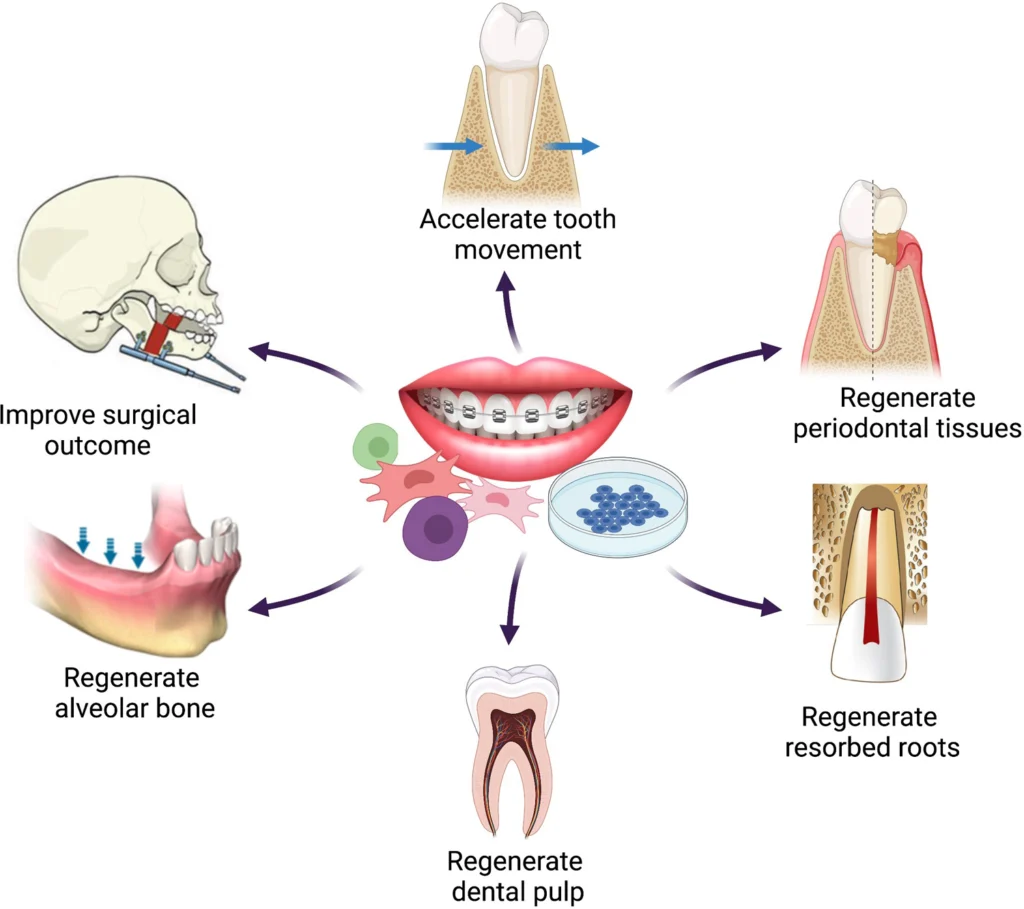
Adult orthodontic treatment has evolved from a niche specialty to mainstream healthcare, driven by both technological advances and changing social attitudes. Unlike adolescent treatment, which focuses primarily on guiding jaw development and creating space for erupting teeth, adult orthodontics addresses established dental patterns and often involves more complex considerations around bone density, gum health, and existing dental work.
The typical adult orthodontic patient today isn’t someone who never had braces as a child, but rather someone whose teeth have shifted over time. Natural aging processes, wisdom tooth pressure, tooth loss, and even habits like teeth grinding can gradually alter alignment that was once straight. This reality has reshaped treatment goals while teenagers often pursue comprehensive bite correction, adults frequently seek targeted improvements that address specific functional or aesthetic concerns.
- Current treatment approaches recognize that adult bone tissue responds differently to orthodontic pressure than growing adolescent bone.
- The cellular turnover that allows teeth to move occurs more slowly in mature patients, typically extending treatment timelines by several months compared to teenage cases.
- However, this slower movement often produces more stable results, as adult teeth tend to maintain their new positions more reliably once treatment concludes.
The psychological guide of adult orthodontics has also shifted significantly. Professional environments that once viewed braces as incompatible with executive presence now largely accept them as routine healthcare. This cultural change, combined with more discreet treatment options, has removed many of the social barriers that previously deterred adult patients from pursuing orthodontic care.
How Do Braces Work for Adults and What Types Are Available?
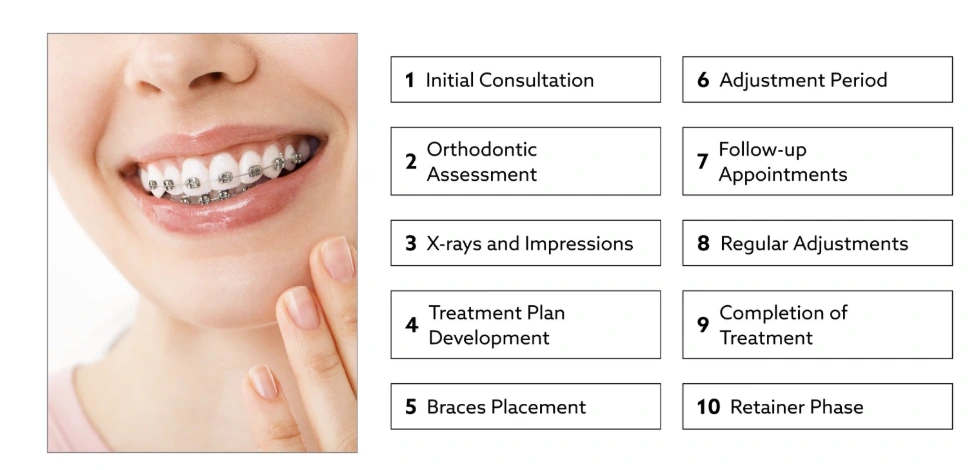
How Adult Braces Correct Teeth and Bite Issues
Orthodontic movement in adult patients relies on the same biological principles that work in teenagers, but the timeline and techniques require modification. When braces apply gentle, consistent pressure to teeth, specialized cells called osteoblasts and osteoclasts work to break down bone on the pressure side of the tooth root while building new bone on the opposite side. This cellular remodeling process allows teeth to gradually migrate through the jawbone.
This remodeling occurs at roughly 60-70% the rate seen in adolescents, primarily because adult bone tissue has lower cellular turnover. The trade-off for longer treatment times is often more predictable results adult teeth typically maintain their new positions more reliably because the surrounding bone has had time to fully consolidate around the new root positions.
Adult bite correction often involves addressing issues that have developed over decades, including wear patterns, shifting due to tooth loss, or problems that weren’t fully corrected in earlier treatment. Modern orthodontic techniques can address complex bite relationships, though some cases may require coordination with other dental specialists to achieve optimal results.
What Are the Most Effective Types of Braces for Adults?
Traditional metal braces remain the gold standard for complex adult cases, offering precise control over tooth movement and the ability to address severe crowding or bite issues. Today’s metal brackets are roughly 50% smaller than those used in previous decades, making them less noticeable while maintaining their mechanical advantages.
Ceramic braces use clear or tooth-colored brackets that blend with natural enamel, offering a compromise between aesthetics and comprehensive treatment capability. While popular among image-conscious adults, ceramic brackets can be more fragile and may extend treatment time slightly due to increased friction between the bracket and wire.
Clear aligners have revolutionized adult orthodontics by providing nearly invisible treatment for mild to moderate cases. These removable plastic trays work best for patients with good compliance who can wear them 20-22 hours daily. However, aligners have limitations in cases requiring significant root movement or complex bite correction.
Lingual braces, attached to the tongue-side of teeth, offer complete invisibility but require specialized training to place and adjust. They’re ideal for adults in high-visibility professions, though initial speech adaptation and tongue irritation are common. For adults seeking comprehensive treatment options with professional guidance, consulting with specialists who offer orthodontic treatment for adults can help determine the most suitable approach based on individual needs and lifestyle considerations.
What Are the Pros, Cons, and Common Misconceptions About Adult Braces?
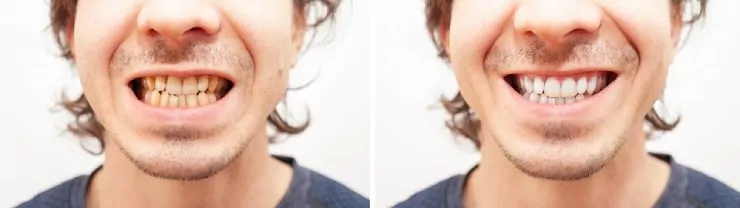
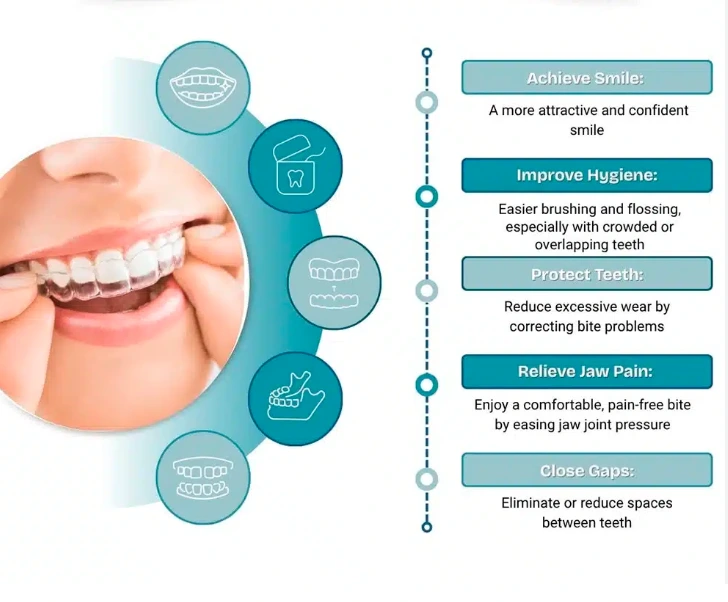
The benefits of adult orthodontic treatment extend well beyond cosmetic improvement, though enhanced smile aesthetics often provides the most immediate psychological impact. Bite correction can alleviate jaw joint stress, reduce excessive tooth wear, and improve chewing efficiency. Many adults report better sleep quality after treatment, particularly when orthodontics addresses airway-restricting crowding or bite relationships that interfere with proper tongue position.
However, adult treatment does present unique challenges. The extended timeline typically 18-30 months compared to 12-24 months for teenagers tests patience and commitment. Adult patients often juggle orthodontic appointments with demanding work schedules, and the dietary restrictions can feel more disruptive to established eating habits and social routines.
One persistent myth suggests that adult teeth movement is somehow “unnatural” or unstable. In reality, teeth move throughout life whether we want them to or not orthodontics simply harnesses and directs this natural process. Another common misconception holds that root damage is inevitable in adult treatment. While root resorption can occur at any age, careful treatment planning and monitoring make significant root damage rare in properly managed cases.
The belief that braces will interfere dramatically with professional life also proves largely unfounded. Most adults adapt to speaking with braces within two weeks, and eating restrictions become routine rather than burdensome. The temporary inconvenience of treatment typically pales in comparison to the long-term benefits of improved oral health and confidence.
Perhaps the most damaging misconception is that adult orthodontics is purely cosmetic and therefore optional. Misaligned teeth are harder to clean effectively, increasing risks of gum disease and tooth decay. Bite problems can lead to premature tooth wear, jaw joint disorders, and chronic headaches all preventable health issues rather than mere aesthetic concerns.
How Can Adults Prepare for and Care for Their Braces?
What to Expect and How to Maintain Braces in Daily Life
Preparation for adult braces begins with a comprehensive dental exam to address any existing issues before orthodontic treatment starts. Cavities need filling, gum disease requires treatment, and any necessary dental work should be completed first. Adults should also discuss medication interactions, as some drugs can affect tooth movement or increase bleeding during adjustments.
The first few days after braces placement typically involve soreness as teeth begin responding to pressure. Over-the-counter pain relievers taken before appointments can minimize discomfort, and soft foods help during the initial adjustment period. Wax provided by the orthodontist covers any brackets causing cheek irritation until the mouth adapts.
Oral hygiene becomes more demanding but critical with braces. Food particles trap easily around brackets and wires, creating ideal conditions for decay if not removed promptly. Adults need to brush after every meal, use specialized floss threaders or water flossers, and may benefit from prescription-strength fluoride toothpaste to prevent white spots around brackets.
Dietary modifications affect adults differently than teenagers, often requiring changes to long-established eating habits. Hard foods like nuts, raw carrots, and crusty bread can damage brackets, while sticky foods like caramel and gum can be nearly impossible to clean from braces. Many adults find that cutting foods into smaller pieces and avoiding certain textures becomes second nature within a few weeks.
What Does Retention and Aftercare Look Like for Adults?
Retention represents the most critical phase of adult orthodontic treatment, as teeth have a strong tendency to return toward their original positions without proper support. Adults typically wear retainers longer than teenagers often indefinitely because mature bone tissue provides less natural stability for newly positioned teeth.
Fixed retainers, thin wires bonded behind the front teeth, offer convenient long-term retention for adults who prefer not to manage removable appliances. However, they require meticulous cleaning around the wire and regular professional monitoring to ensure the bonding remains intact.
Removable retainers offer flexibility but demand consistent use to maintain results. Many adults prefer wearing them only at night after an initial full-time period, though this schedule varies based on individual stability factors and orthodontist recommendations.
Long-term success also depends on addressing factors that contributed to original misalignment. Adults who grind their teeth need night guards to protect both their orthodontic results and their dental work. Those with breathing issues or tongue habits may require additional therapy to prevent relapse.
What Does Research Say About Adult Braces and What Experts Recommend?
Recent studies from the Journal of Clinical Orthodontics demonstrate that adult orthodontic treatment achieves comparable results to adolescent treatment, with some advantages in terms of compliance and treatment stability. Adult patients miss fewer appointments, follow dietary restrictions more consistently, and maintain better oral hygiene during treatment factors that often lead to shorter actual treatment times despite slower biological tooth movement.
Long-term follow-up research spanning 10-15 years post-treatment shows that adults who complete orthodontic treatment and maintain proper retention experience significant improvements in periodontal health compared to untreated controls. The improved ability to clean properly aligned teeth appears to provide lasting benefits that extend well beyond the aesthetic improvements that initially motivated treatment.
Emerging research on the connection between bite alignment and overall health continues to strengthen the medical case for adult orthodontics. Studies suggest that proper bite relationships may improve digestion through more efficient chewing, reduce strain on neck and shoulder muscles, and even influence sleep quality through improved airway positioning.
Orthodontic specialists increasingly emphasize that successful adult treatment requires a comprehensive approach that addresses not just tooth position but the underlying factors that caused misalignment. This might involve coordination with sleep medicine specialists for patients with airway issues, or collaboration with periodontists for patients with advanced gum disease. The future of adult orthodontics lies not in simply straightening teeth, but in optimizing oral function as a component of overall health making the investment in treatment a decision about long-term wellness rather than temporary aesthetics.