


Early in the journey toward healing, many people feel uncertain about the next step. This is why understanding how professional care works makes a meaningful difference. Within the first part of this article, you will find the resource for alcohol detox, placed here to provide immediate access to information when someone needs it most. The process can feel overwhelming at first, but with the proper support, a safe and hopeful transition becomes possible.
Understanding the Emotional Weight Behind Change
People often arrive at this stage feeling worn down from long battles with alcohol use. During this period, motivation tends to fluctuate, and emotions frequently shift without warning. Even though the mind may resist change, the body sends clear signs that healing is needed. As individuals learn more about alcohol detox, they begin to recognize why supervised care protects both physical health and emotional stability. Moving into this phase slowly and with guidance helps reduce fear while increasing a sense of control.
How the Body Responds When Alcohol Leaves the System
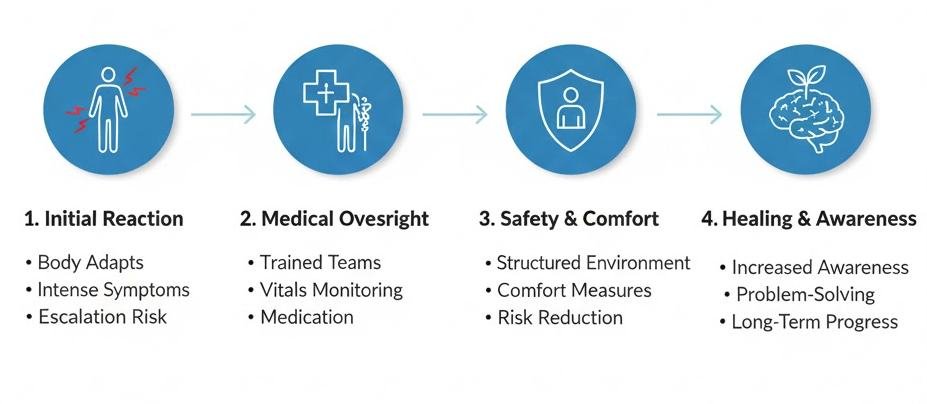
The body adapts quickly to regular alcohol use, and removing it can lead to intense reactions. This is why trained medical teams play such an important role. Since withdrawal symptoms may escalate, a structured environment keeps people grounded and safe. As the body adjusts, comfort measures and clinical oversight together reduce risk. Through this shift, awareness grows, and individuals realize how carefully planned support promotes long-term progress. When people understand the science behind alcohol detox, they often gain confidence that healing is possible.
Importance of Starting in a Supportive Environment
In many cases, home is not the best place for this early stage. The environment carries triggers, patterns, and emotional weight. Because of this, professional settings offer protection from stress while providing continuous reassurance. Moreover, compassionate staff members help people feel understood rather than judged. During the first day, the structure feels reassuring. Soon after, individuals begin noticing how consistent care keeps the mind steady and the body calm. This steady foundation becomes one of the most essential benefits of guided alcohol detox.
Rebuilding Clarity During the First Days of Healing
The earliest days of withdrawal can blur thoughts and heighten sensitivity. Although this period can be uncomfortable, medical guidance offers both relief and stability. As clarity returns, people often start asking more profound questions about their habits, their relationships, and their future. This self-reflection marks a crucial turning point. Through each conversation with staff, emotional tension begins to ease. Individuals also discover new coping skills to manage urges in healthier ways. In this stage, the influence of structured alcohol detox becomes more noticeable because the mind finally starts to lift out of survival mode.
Moving Toward Balance After Stabilization
Once symptoms subside, individuals enter the next phase of healing. This stage brings greater awareness, stronger energy, and a more hopeful outlook. New routines start forming naturally as the body resets. People often find themselves sleeping better, eating consistently, and engaging more openly in supportive conversations. Additionally, emotional balance increases as the nervous system steadies. With each day, the feeling of chaos fades. Many individuals reflect on how entering professional alcohol detox helped them regain control in a way they did not think possible.
Understanding the Long-Term Value of Professional Guidance
Although the physical stage of withdrawal eventually ends, long-term success requires continued support. Many people underestimate how deeply alcohol affects thinking patterns, stress responses, and decision-making. During the weeks after stabilization, guidance from experienced professionals prevents relapse and reinforces progress. People also learn how to address underlying issues that may have contributed to alcohol use. Even though the immediate goal of alcohol detox focuses on safety and stabilization, the long-term benefits extend far into the future.
Developing Healthy Habits That Support Recovery
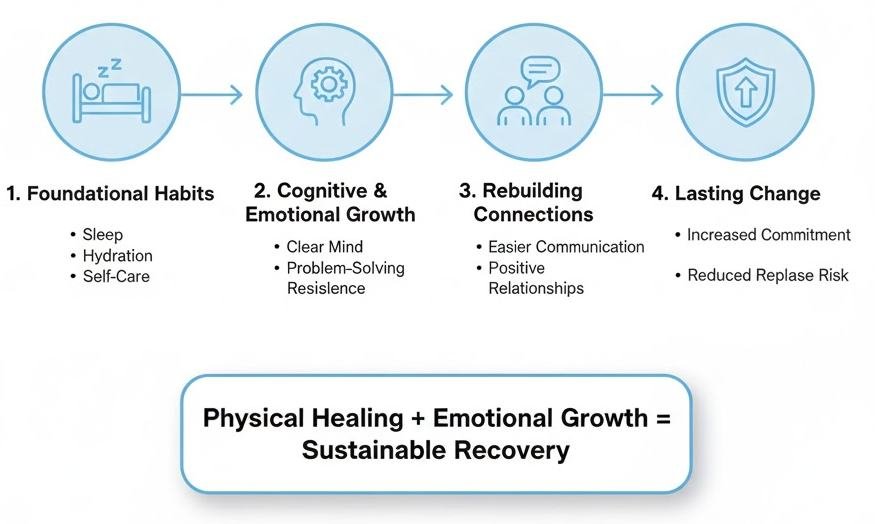
Daily routines create meaningful change. When people focus on sleep, hydration, nutrition, and consistent self-care, they reinforce stability. These habits become even stronger when introduced soon after the detox stage. As the mind clears, problem-solving skills return, and emotional resilience grows. Communication becomes easier, and people start rebuilding positive relationships. This momentum encourages commitment and reduces the desire to return to old patterns. Understanding the link between physical healing and emotional growth helps individuals appreciate the full value of guided alcohol detox during recovery.
Strengthening Connections and Support Systems
Healthy recovery never happens alone. The presence of supportive relationships shapes the outcome more than many realize. As the body and mind recover, individuals feel more open to connection. Conversations with counselors, family members, and peers bring comfort and clarity. Through these relationships, the process becomes less isolating. Every shared story builds confidence and reduces shame. Even in the face of setbacks, supportive people encourage patience and persistence. This emotional reinforcement begins shortly after alcohol detox, showing how recovery expands far beyond the initial phase.
Preparing for Life Beyond the Early Recovery Stage
Transitioning out of detox requires planning and encouragement. People benefit from structured therapy, group support, and follow-up care because each layer strengthens commitment. As new routines replace old habits, individuals grow more comfortable with calm, consistency, and accountability. Over time, these patterns prepare them for situations that once triggered harmful behavior. As preparation continues, people begin to visualize healthier futures filled with self-respect and stability. Once the foundation formed through alcohol detox is in place, the following steps become far easier to navigate.
Holding on to Hope as Recovery Continues
Every stage of healing carries its own challenges. Still, progress in early recovery often brings renewed hope. People sometimes feel emotional shifts, but with continued care, these moments become manageable. When individuals reflect on their earliest days, they recognize how far they have come, and that realization fuels future strength. Even when doubts surface, hope grows each time someone chooses healthier thoughts and actions. Because of this, the early decision to pursue alcohol detox becomes one of the most influential choices in the entire recovery journey.
Final Thoughts
Healing requires courage, consistency, and compassion. The early steps may feel difficult, yet each moment of effort builds resilience. As individuals move forward, they benefit from choosing environments and professionals who understand their unique struggles. Anyone seeking a safe beginning can find reassurance in the resources available through compassionate treatment providers. This path invites change, confidence, and a healthier life. Silicon Valley Recovery remains committed to supporting individuals who are ready to move toward healing with care and understanding.
References
- Mayo-Smith, M. F., & Beecher, L. (2010).Managing alcohol withdrawal in adults. New England Journal of Medicine, 362(16), 1458–1467.
- Provides clinical guidance on safe detoxification protocols, symptom management, and medical supervision during withdrawal.
- National Institute on Alcohol Abuse and Alcoholism (NIAAA). (2020).Alcohol Use Disorder: Clinical Guidelines for Treatment. Washington, DC: NIAAA.
- Outlines evidence-based practices for detox, stabilization, and transition into long-term recovery programs.
- Schuckit, M. A. (2014).Recognition and management of withdrawal delirium (delirium tremens). New England Journal of Medicine, 371, 2109–2113.
- Discusses physiological and psychological aspects of alcohol withdrawal and the importance of medical oversight.
- Kosten, T. R., & O’Connor, P. G. (2003).Management of drug and alcohol withdrawal. New England Journal of Medicine, 348, 1786–1795.
- Reviews treatment approaches for detoxification from alcohol and other substances, emphasizing safety and relapse prevention.
- SAMHSA. (2019).Treatment Improvement Protocol (TIP) 45: Detoxification and Substance Use Treatment. Rockville, MD: Substance Abuse and Mental Health Services Administration.
- Comprehensive guidelines for clinical management, emotional support, and long-term recovery planning following detox.
Disclaimer
The information provided in this article is for educational purposes only and is not a substitute for professional medical advice, diagnosis, or treatment. Alcohol detox can carry serious medical risks, and individuals should only undergo detoxification under the supervision of qualified healthcare professionals. Experiences and outcomes may vary, and support from licensed providers, structured programs, and ongoing follow-up care are essential for safe and effective recovery.