

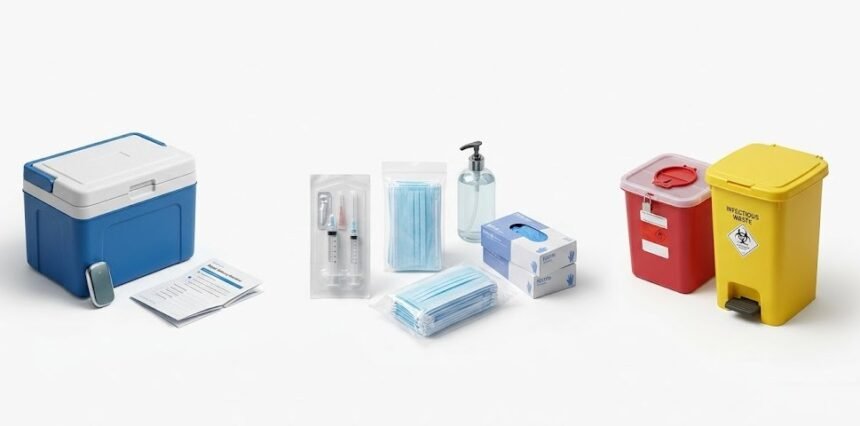
Keeping a clinic running smoothly takes a lot more than skilled doctors and friendly receptionists. You need a rock-solid background system handling everything from buying scalpels to throwing away used needles. Compliance isn’t just an administrative checkbox that managers complain about in meetings. It keeps patients safe, protects staff from injury, and prevents heavy fines that can bankrupt a practice.
Most conversations about compliance jump straight to data protection or billing codes. Those matters, clearly. You can see that in how specialized nephrology billing services manage chronic conditions and complex insurance claims. But the physical movement of goods through a clinic is just as important, and often far more dangerous if handled poorly. Moving a surgical tool from a warehouse to a patient’s room and finally to a disposal bin involves strict rules that demand careful attention.
Sourcing Reliable Medical Supplies
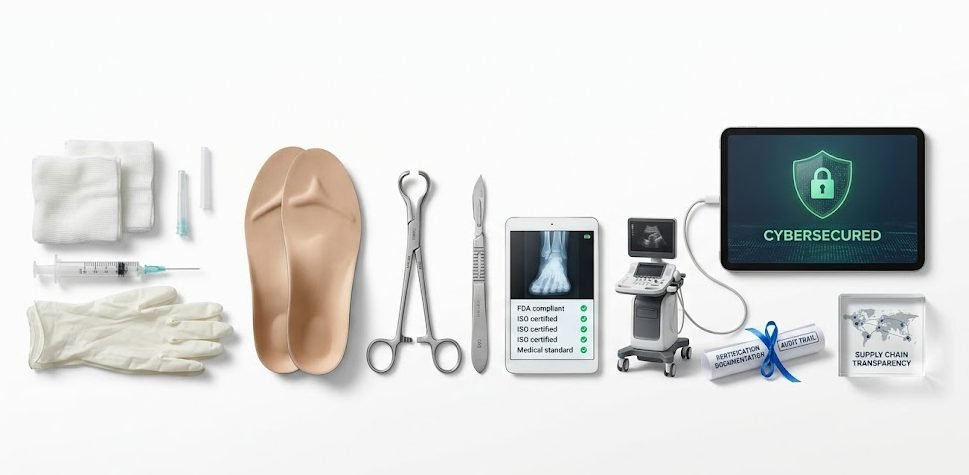
Finding trustworthy supplies is step one in building a compliant practice. Whether a doctor is doing a basic exam or a complex surgery, their tools have to meet industry standards. Cheap, non-compliant equipment causes wrong diagnoses and hurts patients. It also opens the door to massive lawsuits and regulatory audits.
Partnering with vetted medical supply stores solves this problem before it starts. These vendors act as a first line of defense. They make sure every bandage, syringe, hospital bed, and diagnostic machine is built, stored, and shipped according to FDA rules. A good supplier provides the actual tools along with the paper trail you need during an audit. That documentation proves you bought legitimate gear from a licensed source.
Think about the daily needs of a foot and ankle specialist. They require highly specific gear to treat their patients. Custom orthotics, specialized surgical tools for bunions, and advanced imaging machines for stress fractures all have to meet strict health codes. If those supplies fail an inspection, the doctor cannot provide the care patients expect. Trusting reliable vendors lets specialists focus entirely on diagnosing and treating feet, rather than worrying about whether their scalpel is up to code.
Adding software to medical devices creates an entirely new set of headaches for compliance officers. Any machine connecting to a hospital network must pass cybersecurity checks to stop hackers from stealing patient data. Modern supply companies have to verify physical safety and digital security at the same time. If a heart monitor can be hacked, it doesn’t matter how well it was manufactured physically.
Furthermore, supply chain transparency is becoming a major focus for regulators. Clinics are now expected to know where their supplies come from, not just who sold them. This means tracking raw materials and manufacturing processes across international borders. Only the most sophisticated supply stores can provide this level of detail, making them indispensable partners in the compliance journey.
Efficient and Compliant Logistics
Once you buy the right supplies, you have to get them to the clinic intact. Moving medical goods is nothing like shipping t-shirts or electronics. The rules are designed to protect the products from damage, contamination, or theft during transit.
Many medical items react badly to heat, humidity, or light. Vaccines, biological samples, and certain medications need strict temperature control, often called the cold chain. If a delivery truck gets too warm, the products become useless or actively dangerous to patients. Because of this, medical equipment fulfillment companies use specialized trucks and climate-controlled warehouses. They install advanced sensors to prove they handled the goods correctly every second they were in transit.
Timing matters as much as temperature. A late box of surgical tools can force a clinic to cancel operations, disrupting patient care and costing the facility thousands of dollars. Healthcare fulfillment centers understand the pressure. They use smart inventory software to keep supplies stocked and ready to move. That same software tracks expiration dates so a clinic never receives outdated items. Shipping expired goods is a massive compliance violation that can trigger immediate regulatory action.
Clinics also have to track inventory inside their own buildings. You need accurate logs showing what you have, where it sits, and when staff use it. Traceability is a core part of compliance. If a manufacturer recalls a product, the clinic has to find and isolate it immediately. Working with experienced shipping partners streamlines the whole process and cuts down on human errors.
Security during transport is another major factor. High-value medical equipment and controlled substances are prime targets for theft. Logistics providers must employ strict security protocols, including GPS tracking, background checks for drivers, and secure loading docks. A breach in security isn’t just a financial loss; it’s a severe compliance failure that requires immediate reporting to law enforcement and regulatory bodies.
Safe and Compliant Waste Disposal
The job doesn’t end when a doctor finishes using a tool or administering medication. Throwing it away safely is the final, and often most complicated, hurdle. Hospitals and clinics generate massive amounts of waste every single day, much of it hazardous. This includes bloody bandages, used scalpels, toxic chemicals, and leftover medicine.
Dumping medical waste incorrectly threatens public health and the local environment. It spreads infectious diseases and pollutes community water supplies. Regulators will hand down massive fines or shut down facilities entirely if they catch them breaking disposal rules. Following local, state, and federal disposal laws is absolutely mandatory.
Clinics hire specialized waste companies to handle the mess safely. A practice operating in Virginia, for example, needs to hire a provider that knows the state’s exact rules, like a local medical waste disposal service. These companies drop off the right bins, transport the waste in approved vehicles, and treat it so it is legal to discard in a landfill or incinerator.
Handling “sharps” is a major focus of any compliance program. Needles, syringes, and scalpels cause puncture wounds and spread bloodborne pathogens like HIV and Hepatitis. The law requires clinics to put sharps in specific, puncture-proof containers immediately after use. Waste companies supply these rigid bins, collect them on a strict schedule, and destroy the contents. They usually incinerate or autoclave the sharps to melt the plastic and sterilize the metal, making them completely harmless.
Getting rid of old medicine is also under heavy scrutiny from multiple agencies. Flushing expired pills down the toilet contaminates rivers and lakes, affecting local wildlife and drinking water. Throwing them in the regular trash allows them to be scavenged. Waste providers use secure destruction methods for pharmaceuticals. This keeps the clinic compliant with Environmental Protection Agency (EPA) and Drug Enforcement Administration (DEA) rules, which are notoriously strict.
Furthermore, the documentation required for waste disposal is extensive. Clinics must keep manifests proving that their hazardous waste was collected by a licensed transporter and destroyed at an approved facility. This “cradle-to-grave” tracking ensures that the waste didn’t end up in a ditch somewhere. If a clinic cannot produce these manifests during an inspection, they are held liable, even if the waste company was the one who made the mistake.
Integrating Compliance Across the Board
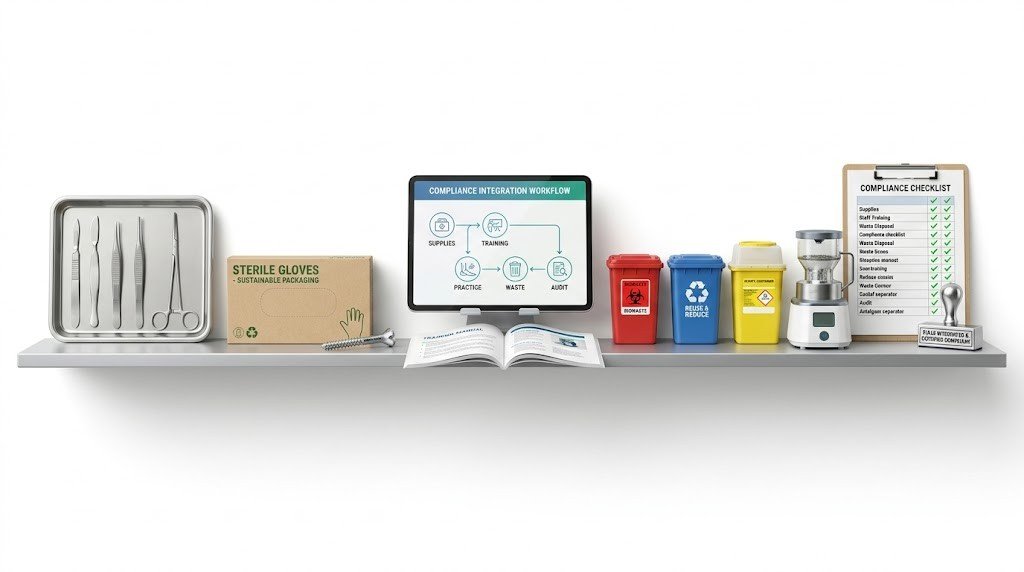
Real compliance requires looking at the whole picture. You cannot just focus on patient care and ignore the loading dock or the dumpster out back. Supplies, shipping, and trash removal all need the same level of attention from clinic administrators.
Sustainability pushes this integration even further. Modern hospitals want to reduce their environmental impact while staying 100% compliant. If a clinic decides to use less single-use plastic to be green, they have to prove they can sterilize the reusable tools perfectly every time. The clinic, the supply store, and the waste company have to build a plan together that is environmentally friendly and totally legal. You can’t sacrifice safety for sustainability.
Training keeps the entire system running. Staff need regular, updated training on how to handle new supplies and sort trash correctly. The best shipping and disposal systems in the world fail immediately if the nurses on the floor do not follow the rules. Clinics should ask their fulfillment and waste partners to help train the staff. These vendors know the regulations better than anyone else. Compliance is everyone’s job, from the chief surgeon to the janitorial staff.
Specialized clinics face unique challenges when trying to integrate all these rules. A foot and ankle practice deals with specific casting materials and unique surgical tools that need custom disposal methods. A dental office deals with amalgam separators to catch mercury. Building strong relationships with vendors and waste haulers creates a smooth workflow tailored to the specific practice. It protects the patients, the staff, and the business itself.
Audits and inspections are a reality for any healthcare facility. When the health department or OSHA walks through the door, they are going to check the supply closet, the receiving dock, and the waste bins. Having integrated systems means the clinic is always ready. The paperwork is organized, the staff know the answers to the inspector’s questions, and the physical space is clean and safe.
Conclusion
Healthcare compliance goes way past the exam room. It covers the entire lifespan of the tools and materials doctors use, from the factory floor to the incinerator. Understanding how supply stores, fulfillment centers, and waste companies work together helps clinics build a strong, defensible foundation. That foundation lets them focus their energy on their actual job: delivering safe, high-quality care to the people who need it.
Whether a surgeon needs precise instruments delivered on time, a hospital needs a fast and secure supply chain, or a small clinic needs to dispose of toxic chemicals legally, every step has to be perfect. The stakes in healthcare are too high to cut corners. A mistake in logistics or disposal can cost a patient their life or cost a doctor their license. By prioritizing these operational details, healthcare providers can navigate the complex rules with total confidence. They meet today’s strict standards and stay ready for whatever new regulations come next.
References
- World Health Organization. (2014). Safe management of wastes from health-care activities (2nd ed.). Geneva: WHO. Retrieved from https://www.who.int
- U.S. Food and Drug Administration. (2023). Medical device regulations and compliance overview. Silver Spring, MD: FDA. Retrieved from https://www.fda.gov
- Centers for Disease Control and Prevention. (2022). Guidelines for environmental infection control in health-care facilities. Atlanta, GA: CDC. Retrieved from https://www.cdc.gov
- Occupational Safety and Health Administration. (2020). Bloodborne pathogens standard (29 CFR 1910.1030). Washington, DC: U.S. Department of Labor. Retrieved from https://www.osha.gov
- U.S. Environmental Protection Agency. (2021). Medical waste management and disposal guidelines. Washington, DC: EPA. Retrieved from https://www.epa.gov
- Drug Enforcement Administration. (2022). Disposal of controlled substances regulations. Washington, DC: U.S. Department of Justice. Retrieved from https://www.deadiversion.usdoj.gov
- Healthcare Distribution Alliance. (2021). Guidelines for pharmaceutical distribution and supply chain integrity. Arlington, VA: HDA. Retrieved from https://www.hda.org
- United Nations Environment Program. (2012). Compendium of technologies for treatment/destruction of healthcare waste. Nairobi: UNEP. Retrieved from https://www.unep.org
- International Organization for Standardization. (2016). ISO 13485: Medical devices Quality management systems Requirements for regulatory purposes. Geneva: ISO
- World Health Organization. (2011). Guidelines on the international packaging and shipping of vaccines. Geneva: WHO. Retrieved from https://www.who.int
- U.S. Department of Transportation. (2021). Hazardous materials regulations (49 CFR Parts 171–180). Washington, DC: DOT. Retrieved from https://www.phmsa.dot.gov
- Joint Commission. (2023). Comprehensive accreditation manual for hospitals: Environment of care standards. Oakbrook Terrace, IL: The Joint Commission. Retrieved from https://www.jointcommission.org