
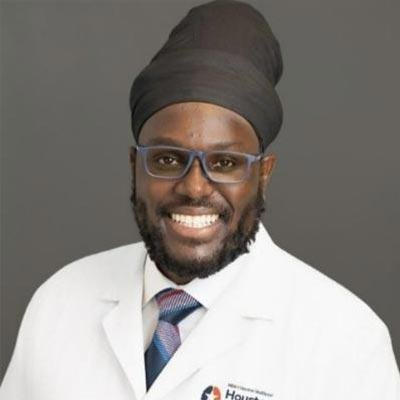
Desmond A. Brown, MD, PhD Neurosurgical Oncologist and Brain Tumor Care
Desmond A. Brown, MD, PhD, is a neurosurgical oncologist whose work focuses on the surgical treatment of brain tumours and complex lesions arising within brain tissue.
His clinical expertise includes advanced brain-tumour resection techniques, awake surgery, speech and motor mapping, fluorescence-guided tumour surgery, and multidisciplinary treatment planning. He also has a research background in glioma biology, tumour genetics, molecular neuroscience, and cancer-related cellular signalling.
About Desmond A. Brown, MD, PhD
Dr. Brown currently serves as Medical Director of Neurosurgery at HCA Houston Brain & Spine. Before this appointment, he was an Assistant Clinical Investigator and Head of the Neurosurgical Oncology Unit at the National Institute of Neurological Disorders and Stroke within the NIH.
His practice may be relevant for patients with:
- Gliomas
- Glioblastoma
- Brain metastases
- Low-grade brain tumours
- Deep or difficult-to-reach lesions
- Tumours near speech or movement areas
- Recurrent brain tumours
- Uncertain intracranial lesions
- Tumours requiring tissue diagnosis
- Conditions needing a second surgical opinion
His work forms part of both specialised neurological care and advanced surgical services.
Education and Neurosurgical Training
| Training Area | Institution | Details |
| Undergraduate education | Temple University | Chemistry and biochemistry with honours |
| Graduate education | Temple University | Master of Science in biochemistry and membrane biophysics |
| Medical and doctoral training | Rutgers Robert Wood Johnson Medical School and Princeton University | Combined MD and PhD in molecular biology and neuroscience |
| Neurosurgery residency | Mayo Clinic | Neurological surgery |
| Fellowship training | Mayo Clinic and Montpellier, France | Neurosurgical oncology |
| Previous federal appointment | National Institute of Neurological Disorders and Stroke | Head of Neurosurgical Oncology Unit |
Dr. Brown earned undergraduate and graduate science degrees from Temple University before completing a combined MD and PhD programme involving Rutgers Robert Wood Johnson Medical School and Princeton University in 2014.
He completed his neurosurgery residency at Mayo Clinic, where he served as chief resident and an instructor in neurosurgery. He then pursued specialist training in neurosurgical oncology, including an international fellowship in Montpellier, France.
Neurosurgical Oncology
Neurosurgical oncology is the surgical branch of brain and spinal tumour care.
A neurosurgical oncologist may be involved in:
- Establishing a diagnosis
- Obtaining tumour tissue
- Removing as much tumour as safely possible
- Relieving pressure on the brain
- Treating seizures or neurological symptoms
- Planning care with oncology and radiation teams
- Evaluating recurrent disease
- Considering clinical trials
- Monitoring postoperative recovery
Brain-tumour care rarely depends on surgery alone. Treatment may combine surgery, radiation, chemotherapy, targeted treatment, rehabilitation, surveillance, or research-based therapies.
The National Cancer Institute explains that treatment for adult central nervous system tumours may include surgery, radiosurgery, radiation therapy, chemotherapy, surveillance, and targeted therapy depending on the tumour and patient.
Patients can review general information about brain tumours before discussing their individual diagnosis with a specialist.
Gliomas
Gliomas arise from glial cells, which support and protect nerve cells in the brain and spinal cord.
Different gliomas can behave very differently. Factors affecting treatment include:
- Tumour grade
- Molecular markers
- Location
- Size
- Growth rate
- Neurological symptoms
- Patient age
- General health
- Earlier treatment
Surgery may provide tissue for molecular testing while also reducing tumour volume. The amount that can be removed safely depends heavily on the tumour’s relationship to important functional brain tissue.
Glioblastoma
Glioblastoma is a fast-growing malignant tumour that develops from glial tissue and most commonly affects the brain in adults.
Patients may develop:
- Headaches
- Seizures
- Weakness
- Speech changes
- Personality or cognitive changes
- Vision problems
- Balance difficulty
- Nausea
- Symptoms related to pressure within the skull
These symptoms can also occur with many non-cancerous conditions. Imaging and tissue diagnosis are required.
Treatment commonly involves surgery when safe and appropriate, followed by additional oncology treatment. The plan depends on tumour genetics, location, the amount removed, general health, and whether the tumour is newly diagnosed or recurrent.
Doctiplus also discusses developing approaches in immunotherapy and brain-tumour research.
Brain Metastases
Brain metastases are tumours that spread to the brain from cancer elsewhere in the body.
Treatment planning may involve:
- Surgery
- Stereotactic radiosurgery
- Whole-brain radiation in selected situations
- Targeted medication
- Immunotherapy
- Steroid medication
- Anti-seizure treatment
- Observation of selected small lesions
Surgery may be considered when a lesion is causing pressure, the diagnosis is uncertain, the tumour is accessible, or removing it may improve neurological function.
The neurosurgeon works with medical oncology and radiation oncology to determine how brain treatment fits within the patient’s wider cancer plan.
Awake Brain Surgery
Awake brain surgery may be used when a tumour lies close to areas responsible for speech, movement, sensation, or another important function.
The patient is carefully monitored and may be asked to:
- Name objects
- Read
- Count
- Move a hand or foot
- Describe sensations
- Complete language tasks
This allows the team to identify and protect functioning brain tissue during tumour removal.
Dr. Brown’s published professional biography identifies awake tumour resection and intraoperative speech and motor mapping among his clinical techniques.
Not every patient or tumour is suitable for an awake procedure.
Intraoperative Brain Mapping
Brain mapping helps the surgical team understand where important functions are located in relation to a tumour.
Mapping may involve:
- Electrical stimulation
- Movement testing
- Language tasks
- Sensory testing
- Navigation based on MRI
- Monitoring of nerve pathways
The goal is not simply to remove the largest possible amount of tissue. It is to balance tumour removal with preservation of speech, movement, memory, vision, and independence.
Fluorescence-Guided Tumour Resection
Fluorescence-guided surgery uses a substance that may cause certain tumour tissue to appear differently under specialised light.
Dr. Brown’s documented clinical techniques include 5-ALA fluorescence-guided tumour resection.
This technique may help identify tumour tissue during selected operations, but it does not replace imaging, pathology, brain mapping, or surgical judgement.
Conditions Dr. Brown May Evaluate
Dr. Brown may evaluate patients with:
- Glioblastoma
- Low-grade glioma
- High-grade glioma
- Astrocytoma
- Oligodendroglioma
- Brain metastasis
- Recurrent brain tumour
- Intracranial lesion of uncertain diagnosis
- Tumour-related seizures
- Deep brain lesions
- Tumours near speech or movement areas
- Tumours requiring biopsy
- Residual tumour after previous surgery
- Neurological symptoms caused by a mass
- Complex cases needing another surgical opinion
The treatment decision depends on pathology, molecular testing, imaging, symptoms, and the patient’s goals.
Brain-Tumour Symptoms
Possible symptoms include:
- New seizures
- Progressive headaches
- Weakness on one side
- Speech difficulty
- Personality changes
- Memory problems
- Vision changes
- Loss of coordination
- Balance difficulty
- Numbness
- Repeated vomiting
- Excessive sleepiness
A symptom does not confirm the presence of a tumour. Many other conditions can cause similar problems.
New seizures, sudden weakness, or rapidly worsening neurological symptoms require urgent assessment.
How Brain Tumours Are Assessed
Assessment may involve:
- Neurological examination
- MRI with and without contrast
- CT imaging
- Functional MRI
- Advanced perfusion imaging
- Diffusion imaging
- Surgical biopsy
- Tumour resection
- Molecular and genetic testing
- Review by a multidisciplinary tumour board
The pathology report may identify tumour type and grade. Molecular markers can provide additional information about tumour behaviour and potential treatment choices.
Who May Benefit From Seeing Dr. Brown
A consultation may be appropriate for patients who:
- Have a newly identified brain mass
- Need a tissue diagnosis
- Have been diagnosed with glioma
- Need surgery for glioblastoma
- Have a tumour near a critical functional area
- Want another opinion before brain surgery
- Have recurrent disease
- Need evaluation for awake surgery
- Have symptoms after earlier tumour treatment
- Need coordinated surgical and oncology planning
- Want to understand research or clinical-trial options
Patients may use the Doctiplus specialist directory when comparing appropriate healthcare professionals.
What Patients Can Expect During an Appointment
The consultation may cover:
- How the tumour was found
- Current symptoms
- MRI findings
- Possible tumour types
- Need for biopsy
- Surgical options
- Risks of observation
- Risks of surgery
- Brain mapping
- Expected hospital stay
- Pathology testing
- Radiation and chemotherapy planning
- Rehabilitation needs
- Follow-up imaging
- Clinical-trial eligibility
Patients should ask to see the imaging and have the location explained in understandable language.
Preparing for the Consultation
Patients can bring:
- Original MRI images
- CT scans
- Radiology reports
- Pathology reports
- Molecular-testing results
- Previous operative notes
- Radiation records
- Chemotherapy history
- Current medications
- Seizure history
- Steroid doses
- A timeline of neurological symptoms
- Insurance and referral documents
- Questions from the patient and family
A trusted family member can help take notes, remember instructions, and discuss recovery planning.
Questions to Ask Dr. Brown
Useful questions may include:
- What type of tumour is suspected?
- Is a biopsy or resection recommended?
- How much tumour may be safely removed?
- Is the tumour near speech or movement areas?
- Would awake surgery be useful?
- Will brain mapping be performed?
- What are the main neurological risks?
- How long may recovery take?
- Will rehabilitation be needed?
- What testing will be performed on the tumour?
- Which treatments may follow surgery?
- Is a clinical trial available?
- How often will MRI follow-up be needed?
- Would another surgical opinion be useful?
Recovery and Follow-Up
Recovery depends on tumour location, operation length, neurological function before surgery, complications, and additional cancer treatment.
Follow-up may include:
- Neurological examinations
- Wound care
- Postoperative MRI
- Pathology review
- Steroid adjustment
- Seizure medication
- Physical therapy
- Occupational therapy
- Speech therapy
- Radiation consultation
- Medical oncology consultation
- Repeat imaging
- Monitoring for recurrence
Some patients recover quickly, while others need extended rehabilitation or assistance at home.
Research and Academic Work
Dr. Brown’s research has focused on glioma biology, tumour genetics, primary cilia, molecular signalling, and methods of improving brain-tumour treatment.
He previously led the Neurosurgical Oncology Unit at NINDS and has contributed to peer-reviewed studies and neuro-oncology education. His academic interests connect laboratory investigation with clinical questions encountered during brain-tumour care.
Research participation is separate from standard treatment. Clinical trials have eligibility rules, possible risks, and specific consent requirements.
Practice and Appointment Information
Dr. Brown provides neurosurgical care through HCA Houston Brain & Spine. HCA announced that he began seeing patients with its neurosurgery team in October 2025.
Appointment availability, clinic location, hospital scheduling, insurance participation, referrals, and telehealth options may change. Patients should confirm current arrangements directly with the practice.
When Neurological Symptoms Need Emergency Care
Urgent medical attention may be needed for:
- A first seizure
- A seizure lasting several minutes
- Sudden weakness
- New speech difficulty
- Loss of consciousness
- Severe confusion
- Sudden vision loss
- Repeated vomiting with neurological symptoms
- Rapidly worsening headache
- Serious balance loss
- Breathing difficulty
- Rapid decline after recent brain surgery
Emergency services should be contacted when symptoms are sudden, severe, or rapidly worsening.
Profile Accuracy
This profile has been prepared using current professional, academic, research, and institutional information.
Readers can review the Doctiplus editorial policy and the site’s trusted medical resources.



Reviews
There are no reviews yet.