

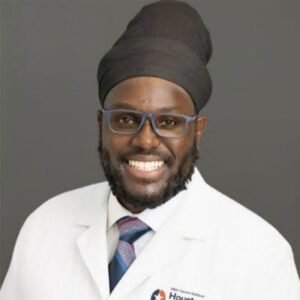
Dr. Subrata Ghosh, MD Neurosurgeon and Brain and Spine Care
Dr. Subrata Ghosh, MD, is a board-certified neurosurgeon who evaluates and treats conditions affecting the brain, spine, spinal cord, and nervous system. His professional work includes neurological surgery, spine care, assessment of nerve compression, and surgical consultation for patients with complex brain or spinal conditions.
Dr. Ghosh practises through Brain and Spine Clinic PA. Current institutional and professional records identify neurological surgery as his primary specialty and confirm certification through the American Board of Neurological Surgery. (HCA Houston Healthcare)
Meeting with a neurosurgeon does not automatically mean an operation will be recommended. A specialist consultation may instead lead to monitoring, rehabilitation, medication management, pain treatment, additional imaging, or referral to another healthcare professional.
About Dr. Subrata Ghosh
Dr. Ghosh provides specialist assessment for adults with symptoms or imaging findings involving the brain and spine. Patients may be referred after an MRI or CT scan shows spinal narrowing, disc damage, a brain abnormality, bleeding, pressure on a nerve, or another condition that needs neurosurgical review.
His area of care may include patients experiencing:
- Neck or lower-back pain with nerve symptoms
- Pain spreading into an arm or leg
- Numbness or tingling
- Muscle weakness
- Difficulty walking
- Poor balance
- Reduced hand coordination
- Spinal stenosis
- Brain or spinal injuries
- Abnormal brain imaging
- Intracranial bleeding
- Symptoms continuing after earlier spine treatment
Public clinical data particularly associate Dr. Ghosh with spinal stenosis, lumbar spinal stenosis, and haemorrhagic stroke care. The services needed by an individual patient must still be confirmed after a direct clinical assessment. (WebMD Doctor Directory)
Patients trying to understand their symptoms can also read about when lower-back pain spreading into the leg needs specialist care.
Professional Background and Experience
Dr. Ghosh has worked in neurological surgery for several decades. His professional history includes international medical education, postgraduate surgical training, neurological surgery residency, fellowship experience, and ongoing specialist practice.
His work may involve:
- Neurosurgical consultations
- Brain and spine imaging review
- Evaluation of spinal cord or nerve compression
- Assessment of degenerative spine conditions
- Surgical treatment planning
- Brain surgery consultation
- Spine surgery consultation
- Emergency neurological assessment
- Second opinions
- Follow-up after neurological surgery
- Coordination with rehabilitation and pain specialists
Neurosurgery covers more than operations on the brain. Neurosurgeons also care for many spinal conditions because the spinal cord and nerve roots form part of the nervous system.
Dr. Ghosh is associated with Brain and Spine Clinic PA. His National Provider Identifier is 1477554913, with neurological surgery recorded as his primary taxonomy. (AMA Find a Doctor)
Education and Medical Training
Public professional records describe the following training pathway:
| Training Area | Institution | Details |
|---|---|---|
| Medical education | University of Calcutta medical programme | Medical degree completed in 1983 |
| Internship | MCP Hahnemann University School of Medicine | Transitional or general clinical training |
| Residency | MCP Hahnemann University School of Medicine | Neurological surgery |
| Residency | Indiana University Medical Center | Neurological surgery |
| Fellowship training | New York Medical College at St. Vincent’s Hospital and Medical Center | Advanced clinical training listed publicly |
| Fellowship training | Columbia University College of Physicians and Surgeons | Additional fellowship experience listed publicly |
| Additional fellowship | Harbor-UCLA Medical Center | Fellowship training reported in public clinical directories |
Different public records use different English names for Dr. Ghosh’s medical school, including Calcutta National Medical College and N.R.S. Medical College under the University of Calcutta. His residency training is consistently associated with Hahnemann University and Indiana University. (Doximity)
Patients needing formal credential information for insurance, hospital privileges, or professional verification should confirm details directly with the practice or relevant medical board.
Board Certification and Professional Credentials
Dr. Ghosh is certified by the American Board of Neurological Surgery. He has also been listed with the professional designation FAANS, meaning Fellow of the American Association of Neurological Surgeons. (doctors.wellmedhealthcare.com)
His main credentials include:
- MD, meaning Doctor of Medicine
- Residency training in neurological surgery
- Fellowship training
- American Board of Neurological Surgery certification
- Professional experience in brain and spine care
Board certification differs from medical licensing. A medical licence gives a physician permission to practise within a jurisdiction, while board certification reflects specialist education, training, and assessment.
Neurological Surgery and Patient Care
Neurological surgery covers disorders involving:
- The brain
- Spinal cord
- Spine
- Nerve roots
- Peripheral nerves
- Skull
- Supporting tissues around the nervous system
- Blood vessels supplying neurological structures
A neurosurgeon may provide both surgical and nonsurgical recommendations. The specialist’s role includes determining whether symptoms match imaging findings and whether the likely benefits of surgery outweigh the risks.
Some conditions can be monitored safely. Others may need urgent treatment when they cause increasing pressure, bleeding, weakness, loss of movement, or reduced control of normal body functions.
Spinal Stenosis
Spinal stenosis occurs when spaces within the spine become narrower. This can place pressure on the spinal cord or nearby nerve roots.
The condition commonly affects the neck or lower back. Symptoms depend on the location and severity of the narrowing.
Possible symptoms include:
- Back or neck pain
- Tingling in an arm or leg
- Numbness
- Muscle weakness
- Leg discomfort during walking
- Reduced walking distance
- Poor balance
- Hand clumsiness
- Difficulty standing for extended periods
- Pain that improves when sitting or leaning forward
Not every person with narrowing on an MRI needs surgery. Some people have visible spinal changes without serious symptoms, while others have significant weakness or reduced mobility.
Treatment may begin with medication, physical therapy, activity adjustment, or pain-management procedures. Surgical decompression may be considered when symptoms continue despite suitable care or when neurological function is becoming worse.
Patients considering an operation may find it helpful to review when to discuss surgery options with a spine doctor.
Herniated Discs and Nerve Compression
A spinal disc sits between neighbouring vertebrae and helps absorb pressure. A disc may bulge, tear, or herniate, allowing part of its inner material to press on a nearby nerve.
A disc problem in the lower back may cause:
- Lower-back pain
- Sciatica
- Leg pain
- Foot numbness
- Tingling
- Weakness
- Difficulty sitting or walking
A disc problem in the neck may cause:
- Neck pain
- Shoulder discomfort
- Arm pain
- Hand tingling
- Reduced grip strength
- Arm or hand weakness
Many disc conditions improve without surgery. The doctor may consider how long symptoms have been present, whether strength is changing, what treatments have been tried, and whether imaging findings match the patient’s symptoms.
Surgery may be discussed when nerve pressure causes serious weakness, severe continuing pain, reduced function, or certain emergency symptoms.
Degenerative Spine Disease
Degenerative spinal changes occur as discs, joints, bones, and supporting tissues change over time. Ageing is one factor, but injury, physical strain, genetics, previous surgery, and other health conditions may also contribute.
Degenerative changes can include:
- Disc narrowing
- Bone spurs
- Arthritis of spinal joints
- Spinal stenosis
- Vertebral slipping
- Spinal instability
- Changes in spinal alignment
- Nerve compression
The presence of degeneration does not always explain a patient’s pain. Imaging results must be compared with the location of symptoms, examination findings, strength, sensation, and movement.
Patients can review more information about degenerative disc disease and back pain before preparing questions for a consultation.
Brain Conditions and Abnormal Imaging
A patient may be referred to a neurosurgeon after a CT or MRI identifies an abnormality within or around the brain.
Possible reasons for consultation include:
- A brain mass
- Intracranial bleeding
- Pressure inside the skull
- Hydrocephalus
- A cyst or other structural change
- A vascular abnormality
- Changes following a head injury
- Symptoms after a stroke
- An unexpected imaging finding
An abnormal scan does not automatically mean brain surgery is necessary. Some findings remain stable and can be monitored with repeat imaging.
The doctor may consider:
- The type of abnormality
- Its size and location
- Whether it has changed
- The symptoms it is causing
- The patient’s overall health
- The risks of observation
- The risks and likely benefits of treatment
Additional imaging or assessment by a neurologist, oncologist, vascular specialist, or another professional may be recommended.
Haemorrhagic Stroke and Brain Bleeding
A haemorrhagic stroke occurs when a blood vessel breaks and bleeding develops in or around the brain. The bleeding can injure brain tissue and increase pressure inside the skull.
Treatment depends on the location and amount of bleeding, the cause, neurological symptoms, blood pressure, medication use, and the patient’s general condition.
A neurosurgeon may become involved when:
- Blood is placing pressure on the brain
- The patient’s condition is becoming worse
- A blood vessel abnormality is suspected
- Fluid circulation is blocked
- Surgery may be needed to control pressure
- Emergency monitoring is required
Signs of a possible stroke can include sudden weakness, facial drooping, speech difficulty, confusion, vision loss, severe headache, loss of balance, or reduced consciousness.
These symptoms require emergency care. Patients should not wait for an outpatient neurosurgery appointment.
Brain and Spine Injuries
Traumatic injuries can affect the skull, brain, vertebrae, spinal cord, or nerve roots.
A neurosurgical assessment may be required after:
- A serious fall
- A vehicle collision
- A sports injury
- A workplace accident
- A blow to the head
- A spinal fracture
- Sudden weakness following trauma
- Bleeding found on brain imaging
- Loss of sensation after injury
Treatment may involve monitoring, medication, bracing, rehabilitation, or surgery. The plan depends on the stability of the spine, degree of pressure on neurological structures, and whether the injury is progressing.
Emergency symptoms after trauma include reduced alertness, repeated vomiting, seizure, weakness, unequal pupils, severe neck pain, inability to move a limb, or loss of bladder or bowel control.
Surgical and Nonsurgical Treatment Planning
Dr. Ghosh may assess whether a patient needs continued nonsurgical care or a neurosurgical procedure.
Nonsurgical options may include:
- Physical therapy
- Medication
- Activity changes
- Pain-management consultation
- Spinal injections
- Rehabilitation
- Repeat imaging
- Neurological monitoring
- Treatment by another specialist
Procedures associated with general neurosurgical practice may include:
- Spinal decompression
- Discectomy
- Laminectomy
- Spinal fusion
- Treatment of spinal instability
- Surgery for selected brain conditions
- Management of neurological bleeding
- Procedures to relieve pressure
- Postoperative neurological care
A specific operation should not be presented as a service personally performed by Dr. Ghosh unless the clinic confirms it for the patient’s diagnosis.
Who May Benefit From Seeing Dr. Ghosh
A neurosurgical consultation may be useful for patients who:
- Have spinal stenosis with continuing symptoms
- Have pain spreading from the back into a leg
- Have neck pain with arm weakness or numbness
- Notice increasing muscle weakness
- Have difficulty walking or maintaining balance
- Have an abnormal brain or spine scan
- Have been advised to consider spinal surgery
- Need another opinion before an operation
- Have symptoms continuing after previous surgery
- Have suffered a brain or spinal injury
- Need follow-up after intracranial bleeding
- Have a condition affecting the spinal cord
- Need help understanding several treatment options
A referral may be appropriate even when surgery is unlikely. The neurosurgeon can explain whether the condition needs observation, another test, rehabilitation, pain care, or a surgical discussion.
Patients comparing neurological specialists may use the Doctiplus directory to find doctors by specialty.
What Patients Can Expect During an Appointment
A first consultation normally begins with a detailed review of symptoms, previous care, medical history, and imaging.
Dr. Ghosh may ask:
- When did the symptoms begin?
- Did they follow an injury?
- Are symptoms stable or becoming worse?
- Does pain spread into an arm or leg?
- Is there numbness or tingling?
- Has strength changed?
- Have walking or balance been affected?
- Has bladder or bowel function changed?
- Which treatments have already been tried?
- Has previous brain or spine surgery been performed?
A neurological examination may assess:
- Muscle strength
- Reflexes
- Sensation
- Coordination
- Balance
- Walking pattern
- Hand movement
- Cranial nerve function
- Range of spinal movement
The doctor may also review MRI, CT, X-ray, or other diagnostic studies.
A scan must be interpreted together with the patient’s symptoms. An abnormality found on imaging may be unrelated to the main complaint, while a smaller-looking problem can sometimes cause important neurological symptoms.
Preparing for a Neurosurgery Consultation
Patients can prepare by bringing:
- Original MRI or CT images
- Written imaging reports
- Previous X-rays
- Hospital discharge documents
- Earlier surgical reports
- Current medication list
- Medication allergy information
- Physical therapy records
- Injection or pain-treatment records
- A timeline of symptoms
- Notes about weakness or numbness
- Insurance and referral documents
- Written questions
Bringing only an imaging report may not be enough. Neurosurgeons often need to review the actual scan images to understand the location and severity of a problem.
Patients should also explain how symptoms affect normal activities. Useful examples include difficulty climbing stairs, dropping objects, being unable to walk a normal distance, or needing frequent breaks because of pain or weakness.
Questions to Ask Dr. Ghosh
Patients may consider asking:
- What is causing my symptoms?
- Do the scan findings match what I am experiencing?
- Is more testing required?
- Could this condition improve without surgery?
- Which nonsurgical options remain available?
- Why is surgery being considered?
- What is the main goal of the procedure?
- What are the possible risks?
- Are there alternatives?
- What may happen if treatment is delayed?
- How long could recovery take?
- Will rehabilitation be needed?
- Could symptoms return?
- Should I obtain another opinion?
- Which symptoms require urgent care?
Patients should ask the doctor to explain any unfamiliar terms and clarify what improvement can reasonably be expected.
Surgery may aim to reduce pressure, protect neurological function, improve movement, or prevent further deterioration. Complete pain relief cannot always be guaranteed.
Second Opinions Before Neurosurgery
A second opinion may be helpful before major brain or spine surgery.
Patients may seek another assessment when:
- The diagnosis is unclear
- Several procedures have been suggested
- A spinal fusion has been recommended
- Previous surgery did not help
- The operation carries significant risk
- Recovery may be lengthy
- The expected benefit is uncertain
- Symptoms and imaging do not appear to match
A second opinion may confirm the original recommendation. It may also identify another treatment approach or help the patient understand why surgery is not currently necessary.
Patients should bring the same complete medical records and imaging to each specialist so that recommendations can be compared fairly.
Recovery and Follow-Up Care
Recovery depends on the condition, procedure, neurological symptoms, overall health, and level of function before surgery.
Follow-up may include:
- Wound checks
- Medication review
- Neurological examination
- Repeat imaging
- Physical therapy
- Walking or activity plans
- Restrictions on lifting
- Return-to-work guidance
- Monitoring for infection
- Assessment of strength and sensation
Nerve recovery can be slow. Pain may improve before numbness or weakness, and some neurological changes may not fully reverse when pressure or damage has been present for a long time.
Patients should ask what improvement is expected, how long recovery may take, and which symptoms should be reported immediately.
Practice and Appointment Information
Dr. Ghosh practises through Brain and Spine Clinic PA.
Practice address:
400 West Medical Center Boulevard, Suite 250
Webster, TX 77598
Appointment phone:
713-335-3600
The HCA Houston Healthcare physician directory currently lists Dr. Ghosh as a board-certified neurological surgeon and associates him with HCA Houston Healthcare Mainland. Other provider records have also connected him with hospitals serving the Clear Lake area. Patients should confirm the current hospital used for a consultation or procedure directly with the office.
Insurance and Telehealth Information
Insurance participation can differ between policies offered by the same company.
Before scheduling, patients should ask:
- Is Dr. Ghosh in my exact network?
- Is a referral required?
- Does the consultation need prior authorisation?
- Is the hospital or surgical facility in network?
- Are imaging and laboratory services billed separately?
- Is a second opinion covered?
- Are new patients currently being accepted?
- Is telehealth available for imaging review or follow-up?
Public provider information does not consistently confirm current telehealth access. Patients should contact the clinic directly for availability.
When Neurological Symptoms Need Urgent Care
Patients should not wait for a routine appointment when neurological symptoms appear suddenly or worsen rapidly.
Urgent assessment may be needed for:
- Sudden weakness on one side
- New facial drooping
- Difficulty speaking
- A first seizure
- Loss of consciousness
- Sudden severe headache
- New loss of bladder or bowel control
- Numbness around the inner thighs or buttocks
- Rapidly worsening leg weakness
- Serious symptoms after a head or spine injury
- Repeated vomiting with confusion
- Sudden inability to walk
- Severe neck or back pain with paralysis or loss of sensation
Contact emergency services or visit an emergency department when symptoms may be life-threatening.
Profile Accuracy
This profile was prepared using current hospital, professional, provider-registration, and clinical-directory information. Public records contain some differences in the listed names of training institutions, so those details have been presented cautiously rather than treated as identical across every source.
Readers can review the Doctiplus editorial policy to understand how patient-focused medical profiles are researched and prepared.
Doctiplus also maintains a collection of trusted medical information resources used to support clear and responsible healthcare content.



Reviews
There are no reviews yet.