
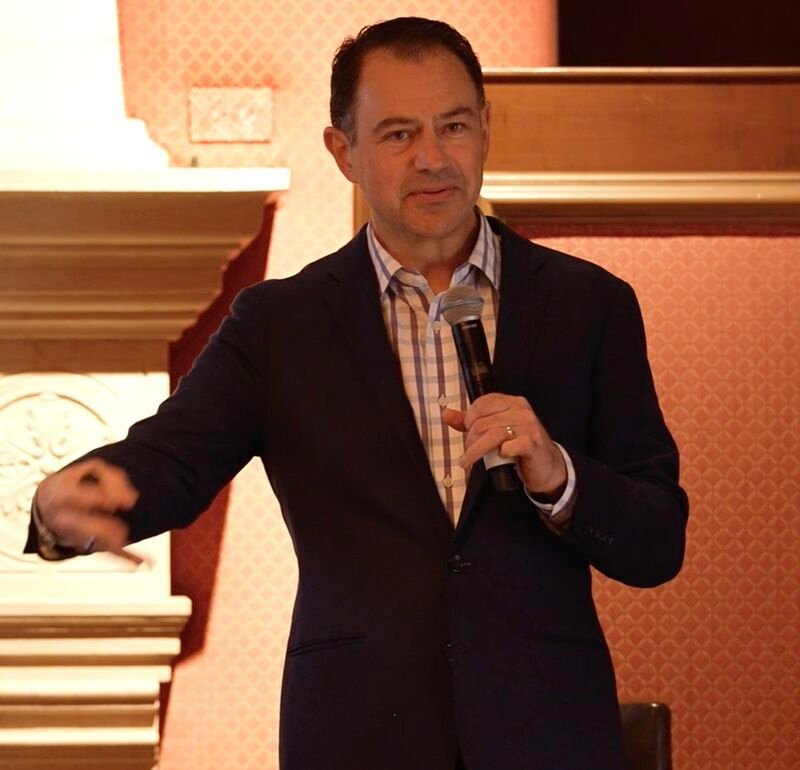
Dr. Andres F. Vasquez, MD Interventional Cardiologist and Heart Care
Dr. Andres F. Vasquez, MD, also listed professionally as Dr. Andres Vasquez Donado, is an interventional cardiologist who provides cardiovascular care for adults with heart and blood-vessel conditions. His training includes internal medicine, cardiovascular disease, and interventional cardiology, with additional professional credentials in cardiac and vascular imaging.
His clinical work is particularly relevant for patients with coronary artery disease, peripheral arterial disease, abnormal heart testing, heart-valve conditions, circulation problems, and cardiovascular concerns that may require catheter-based treatment. An interventional cardiology appointment does not automatically mean a stent or procedure will be recommended. The first task is deciding whether the symptoms and test findings actually point to a problem that would benefit from intervention.
About Dr. Andres F. Vasquez
Dr. Vasquez provides both general cardiovascular assessment and interventional cardiology care. His verified clinical background includes coronary artery disease, peripheral arterial disease, arrhythmias, aortic aneurysms, carotid artery disease, valvular heart disease, venous disorders, and selected structural heart concerns. He treats adult patients and speaks English and Spanish.
Patients looking for similar cardiovascular specialists can browse cardiology doctors on Doctiplus.
What makes interventional cardiology different from routine cardiology is the ability to move from diagnostic assessment to catheter-based treatment when needed. However, many patients remain on medication, risk-factor management, and monitoring rather than undergoing a procedure.
That distinction is important. Finding narrowing in an artery is not the same as proving that the narrowing is responsible for a patient’s symptoms or that opening it will produce a meaningful benefit.
Medical Education and Cardiology Training
Dr. Vasquez earned his medical degree from Universidad del Norte in 2004. He subsequently completed internship and internal medicine residency training at McGovern Medical School at UTHealth, followed by cardiovascular disease fellowship training there. He then completed an interventional cardiology fellowship at Washington University School of Medicine.
| Training Area | Institution | Details |
|---|---|---|
| Medical education | Universidad del Norte | Medical degree |
| Internship and residency | McGovern Medical School at UTHealth | Internal Medicine |
| Fellowship | McGovern Medical School at UTHealth | Cardiovascular Disease |
| Advanced fellowship | Washington University School of Medicine | Interventional Cardiology |
| Specialty | Interventional Cardiology | Catheter-based heart and vascular care |
During his cardiovascular fellowship, Dr. Vasquez served as chief fellow and received an Outstanding Research Award. His professional biography also lists Fellow of the American College of Cardiology recognition.
This training pathway matters because an interventional cardiologist first develops a broad understanding of adult medicine and cardiovascular disease before focusing on procedures performed through blood vessels.
Board Certification and Cardiovascular Credentials
Dr. Vasquez is listed as board certified in internal medicine, cardiovascular medicine, and interventional cardiology. His professional profile also identifies certifications or credentials in echocardiography, nuclear cardiology, vascular imaging, and venous disease.
These areas serve different purposes.
Cardiovascular medicine focuses on diagnosing and medically managing heart disease. Interventional cardiology involves procedures such as cardiac catheterization, angiography, angioplasty, and selected stent treatments.
Echocardiography examines heart structure and movement with ultrasound, while nuclear cardiology can help evaluate heart-muscle blood flow and function. Vascular imaging provides information about blood vessels outside the heart.
For patients, the practical value is that several pieces of cardiovascular information can be interpreted together rather than treating a scan, blood-pressure reading, or symptom as an isolated finding.
Coronary Artery Disease and Chest Symptoms
Coronary artery disease develops when plaque builds up within arteries supplying blood to the heart. As narrowing progresses, some patients develop chest pressure, shortness of breath, reduced exercise tolerance, or other symptoms.
Dr. Vasquez’s verified clinical profile includes coronary artery disease and atherosclerosis among the conditions he manages.
A cardiology evaluation may consider:
- Where and when chest symptoms occur
- Whether exercise triggers symptoms
- Blood pressure
- Cholesterol
- Diabetes
- Smoking history
- Family cardiovascular history
- Previous heart attack or coronary procedure
- Electrocardiogram findings
- Echocardiography results
- Stress-test findings
- Coronary imaging
A patient should not assume that every episode of chest discomfort comes from coronary disease. Muscles, lungs, the digestive system, and other conditions can cause similar symptoms.
The cardiologist’s role is to determine whether the pattern and testing point toward reduced blood flow to the heart and what level of treatment is justified.
Cardiac Catheterization and Coronary Angiography
Cardiac catheterization is one of the central procedures in interventional cardiology. A thin catheter is guided through a blood vessel toward the heart so that cardiovascular structures and pressures can be examined.
Coronary angiography can then show the location and severity of narrowing within coronary arteries.
This information can be extremely useful, but angiography should still be interpreted within the larger clinical picture.
A blockage may look significant on an image while causing relatively few symptoms, while another patient may have findings that require more immediate treatment.
Before a catheterization, patients should understand what question the procedure is intended to answer and whether treatment might be performed during the same session.
Angioplasty and Coronary Stents
When an artery has clinically important narrowing, angioplasty may sometimes be used to improve blood flow. A small balloon is expanded within the narrowed area, and a stent may then be placed to help keep the vessel open.
Dr. Vasquez’s interventional cardiology training is directly relevant to this type of coronary treatment.
The decision to place a stent depends on factors including:
- Severity and location of narrowing
- Symptoms
- Blood-flow impairment
- Number of arteries affected
- Previous treatment
- Heart function
- Other medical conditions
- Whether medication has adequately controlled symptoms
- Whether another procedure would be more appropriate
Some complex arterial blockages also contain significant calcium. Patients interested in how these more difficult lesions can be treated can read about Shockwave IVL for calcified artery disease.
Echocardiography and Heart Function
Echocardiography is among Dr. Vasquez’s verified cardiovascular interests.
An echocardiogram uses ultrasound to show how the heart is structured and how well it moves. It may provide information about heart pumping function, chamber size, valve movement, blood-flow patterns, and other structural findings.
The test is useful because many cardiovascular symptoms are not caused by blocked coronary arteries.
For example, shortness of breath may sometimes relate to weakened heart pumping, a valve abnormality, elevated pressures within the heart, or another cardiovascular problem.
An echocardiogram can therefore help determine which direction further evaluation should take.
Nuclear Stress Testing
Nuclear stress testing is another clinical interest listed in Dr. Vasquez’s professional profile.
A stress test evaluates how the heart responds when its workload increases. Depending on the patient, exercise or medication may be used to create the stress portion of the examination.
Nuclear imaging can provide additional information about blood flow to heart muscle.
A stress test may be considered when symptoms suggest coronary artery disease but the diagnosis is not yet clear, or when a physician needs more information before deciding whether an invasive examination is necessary.
An abnormal stress test does not automatically lead to a stent. The severity and pattern of the findings need to be considered alongside symptoms and other cardiovascular information.
Peripheral Artery and Vascular Disease
Dr. Vasquez’s clinical profile includes peripheral arterial disease, carotid artery disease, vascular imaging, and venous disease.
Peripheral artery disease occurs when narrowed arteries reduce blood flow outside the heart, commonly in the legs.
Patients may notice leg discomfort during walking, reduced exercise tolerance, changes in skin or foot health, or wounds that heal slowly. Some people have few obvious symptoms despite significant vascular disease.
Evaluation may involve:
- Pulse examination
- Blood-pressure comparison between limbs
- Vascular ultrasound
- CT or other vascular imaging
- Review of diabetes and cholesterol
- Smoking history
- Walking symptoms
- Examination of the feet and legs
Some patients can be managed with medication, exercise-based treatment, smoking cessation, cholesterol management, and diabetes control.
Other patients with more advanced disease may require catheter-based vascular treatment.
Heart-Valve Conditions
Dr. Vasquez’s verified clinical interests also include valvular heart disease.
Heart valves control the direction of blood flow through the heart. When a valve becomes narrowed or begins leaking significantly, the heart may need to work harder.
Patients may experience shortness of breath, fatigue, reduced exercise tolerance, swelling, dizziness, or other symptoms depending on which valve is affected and how severe the problem has become.
Echocardiography is particularly important in this area because it helps measure valve function and the effect of the abnormality on the rest of the heart.
Not every valve disorder requires an operation or catheter procedure. Some patients can be followed with repeat examinations and imaging for years before intervention becomes necessary.
Arrhythmias and Palpitations
Arrhythmias are also listed among the cardiovascular conditions treated in Dr. Vasquez’s clinical profile.
An arrhythmia occurs when the heart beats too quickly, too slowly, or irregularly. A patient may describe racing, skipped beats, fluttering, dizziness, weakness, shortness of breath, or reduced exercise tolerance.
Initial evaluation may include an electrocardiogram or longer-term rhythm monitoring.
Not every rhythm disorder is primarily treated by an interventional cardiologist. Some conditions require a cardiac electrophysiologist, who has additional training focused specifically on the heart’s electrical system.
A cardiologist can help determine whether that additional referral is necessary.
Structural Heart and Atrial Septal Concerns
Dr. Vasquez’s professional profile includes care for atrial septal defects and patent foramen ovale, commonly abbreviated ASD and PFO.
These involve openings or communications between the upper chambers of the heart. Their significance varies considerably.
Some are found incidentally and require little or no treatment, while others can affect blood flow or become clinically relevant because of other cardiovascular circumstances.
Evaluation may involve echocardiography and specialized imaging. If closure is being discussed, patients should ask why treatment is appropriate in their particular case rather than assuming that every detected opening needs repair.
Who May Benefit From Seeing Dr. Vasquez
A consultation may be appropriate for adults who have an established cardiovascular diagnosis or who have testing that requires specialist interpretation.
Examples include people with:
- Coronary artery disease
- Persistent or unexplained chest symptoms
- Abnormal stress testing
- Previous heart attack
- Previous coronary stent
- Peripheral artery disease
- Aortic aneurysm
- Carotid artery disease
- Heart-valve disease
- Arrhythmia
- Abnormal echocardiogram
- Shortness of breath with possible cardiovascular causes
- Circulation problems
- A recommendation for cardiac catheterization
- A recommendation for angioplasty or stenting
This does not mean that every patient with one of these conditions will need an interventional procedure.
Patients comparing physicians with similar procedural training can also read about Dr. Cyril B. Tawa’s interventional cardiology care.
What Patients Can Expect During a Cardiology Consultation
A useful appointment begins with understanding what prompted the referral.
Dr. Vasquez may review the timing of symptoms, exercise tolerance, medications, previous cardiovascular diagnoses, earlier procedures, blood-pressure history, cholesterol results, diabetes, family history, and previous hospital care.
Existing cardiac studies are particularly valuable.
Patients who have already undergone an ECG, echocardiogram, nuclear stress test, CT scan, angiography, vascular ultrasound, or previous cardiac catheterization should make those results available when possible.
After the records and examination are reviewed, the next step may involve continued medical treatment, medication changes, additional imaging, a stress test, cardiac catheterization, vascular testing, or another form of cardiovascular care.
Doctiplus also provides an overview of cardiology and heart-health services for patients trying to understand how diagnostic testing fits into specialist care.
Preparing for an Appointment With Dr. Vasquez
Patients can make the consultation more productive by organizing information before the visit.
Useful items include:
- Current medications and doses
- Medication allergies
- Blood-pressure readings
- Cholesterol results
- Diabetes laboratory results when relevant
- Previous ECGs
- Echocardiogram reports
- Stress-test results
- Cardiac CT reports
- Catheterization and angiography records
- Details of previous coronary stents
- Vascular studies
- Hospital discharge records
- A short symptom timeline
- Family cardiovascular history
- A written list of questions
Someone with a previous stent should know, when possible, when the procedure occurred and which artery was treated.
Patients should also make sure the cardiology team knows about medications that affect blood clotting before any planned invasive procedure.
Questions Worth Asking Before a Cardiac Procedure
Before agreeing to catheterization, angioplasty, stenting, or another cardiovascular intervention, patients should understand exactly what the procedure is intended to accomplish.
Useful questions include:
- What problem does my testing show?
- Does that finding explain my symptoms?
- Do I need more testing first?
- Can medication remain an option?
- What would happen if I waited?
- Is the procedure diagnostic, therapeutic, or both?
- Could a stent be placed during the same procedure?
- What benefits should I realistically expect?
- What follow-up will be necessary?
- Will I need new medications afterward?
- Are there reasonable alternatives?
- Would a second cardiology opinion help?
These questions help patients distinguish the existence of cardiovascular disease from the separate decision about how that disease should be treated.
Second Opinions for Interventional Cardiology
A second opinion can be useful before an elective coronary or vascular procedure, particularly when several reasonable treatment choices exist.
Another cardiologist may review the same angiogram or stress test and agree with the original recommendation. That confirmation can itself provide useful reassurance.
In other situations, another specialist may recommend additional testing, medication management, or a different procedural approach.
The purpose of another opinion is not necessarily to avoid treatment. It is to make sure the patient understands why a significant intervention is being recommended and what alternatives remain.
Current Practice and Appointment Information
Current Memorial Hermann information lists Dr. Vasquez as an interventional cardiologist and cardiologist who treats adults age 18 and older. The provider profile currently lists 832-649-7420 for appointments and identifies Memorial Hermann Pearland Hospital, Memorial Hermann Southeast Hospital, and Memorial Hermann Texas Medical Center among affiliated centers.
Current appointment availability, office hours, insurance participation, hospital affiliations, and procedure scheduling can change. Patients should confirm these practical details directly with the practice before sending records or planning a cardiovascular procedure.
His current profile lists English and Spanish as spoken languages.
Understanding Dr. Vasquez’s Clinical Profile
The clearest verified picture of Dr. Andres F. Vasquez is that of an interventional cardiologist whose training progressed from internal medicine to cardiovascular disease and then to advanced catheter-based cardiovascular care. His professional profile also reflects substantial work with echocardiography, nuclear cardiac testing, vascular imaging, coronary artery disease, peripheral vascular disease, and structural cardiovascular conditions.
For a patient, however, the most useful question is not simply whether Dr. Vasquez performs a particular procedure. It is whether that procedure addresses the specific problem causing the patient’s symptoms and whether its likely benefit justifies proceeding.
Readers can review the Doctiplus editorial policy and the platform’s medical information resources for more information about how patient-focused healthcare content is prepared.




Reviews
There are no reviews yet.