

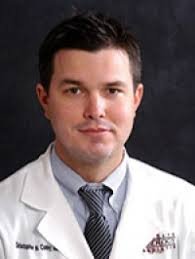
Dr. Nadir M. Ali, Interventional Cardiologist
Dr. Nadir M. Ali is an experienced cardiologist specializing in cardiovascular disease and interventional cardiology. He provides diagnostic, preventive, and procedure-based care for adults with coronary artery disease, chest pain, high blood pressure, abnormal heart rhythms, and other conditions affecting the heart and blood vessels.
With medical training spanning internal medicine, cardiovascular disease, and catheter-based cardiac treatment, Dr. Ali is equipped to manage both common heart concerns and complex cardiovascular conditions. His approach may include reviewing symptoms, assessing individual risk factors, interpreting heart test results, prescribing medication, and determining whether a minimally invasive cardiac procedure is appropriate.
Patients searching for specialised heart care can also view other physicians in the cardiology directory.
Doctor Information
Name: Dr. Nadir M. Ali, MD
Specialty: Cardiovascular Disease and Interventional Cardiology
Medical Degree: Gandhi Medical College
Residency: Internal Medicine, Wayne State University School of Medicine
Fellowship: Cardiovascular Disease, Baylor College of Medicine
Primary Practice Area: Adult heart and vascular care
Languages Spoken: English
Accepting New Patients: Availability should be confirmed directly with the practice
NPI Number: 1356383103
About Dr. Nadir M. Ali
Dr. Ali has completed extensive postgraduate training focused on diagnosing and treating diseases of the cardiovascular system. After graduating from Gandhi Medical College, he completed an internal medicine residency at Wayne State University School of Medicine. He then pursued fellowship training in cardiovascular disease at Baylor College of Medicine.
This training provides a strong foundation for evaluating patients whose symptoms may involve several body systems. Chest discomfort, breathlessness, fatigue, dizziness, swelling, or reduced exercise tolerance can have different causes, so careful assessment is important before a treatment plan is selected.
As an interventional cardiologist, Dr. Ali has additional expertise in catheter-based procedures used to assess and treat narrowed or blocked blood vessels. These procedures may help restore blood flow without requiring traditional open surgery, although the right treatment depends on the patient’s diagnosis, overall health, symptoms, and test results.
Patients who need broader adult medical support may also benefit from care coordinated with an internal medicine physician.
Areas of Cardiovascular Care
Dr. Ali evaluates and manages a broad range of heart and circulatory conditions, including:
- Coronary artery disease
- Chest pain and angina
- High blood pressure
- High cholesterol
- Heart failure
- Irregular heart rhythms
- Heart valve disorders
- Cardiomyopathy
- Peripheral vascular disease
- Adult congenital heart conditions
- Reduced blood flow to the heart
- Cardiovascular risk factors
- Shortness of breath related to heart disease
- Follow-up care after a cardiac event or procedure
Symptoms do not always indicate a serious heart problem, but persistent or unexplained changes should be properly assessed. A cardiology consultation may help identify whether symptoms are caused by the heart, circulation, medication, another medical condition, or a combination of factors.
Interventional Cardiology Services
Interventional cardiology uses thin, flexible instruments passed through blood vessels to diagnose or treat certain heart problems. Depending on the patient’s needs and the services available at the treating facility, Dr. Ali’s care may involve:
- Cardiac catheterization
- Coronary angiography
- Balloon angioplasty
- Coronary stent placement
- Evaluation of blocked coronary arteries
- Assessment of blood flow through the heart
- Follow-up after coronary intervention
- Medication management after stent placement
- Coordination with cardiac surgeons when surgery is needed
These procedures are not required for every cardiology patient. Many heart conditions can be managed with lifestyle changes, medication, ongoing monitoring, or treatment of related health risks.
Patients comparing different cardiac specialties may also review profiles of an interventional cardiologist focused on vascular care or a specialist experienced in adult congenital and interventional cardiology.
Diagnostic Heart Testing
A cardiologist may use several tests to understand how well the heart is working. Testing is selected according to the patient’s symptoms, medical history, examination findings, and cardiovascular risk.
Common assessments may include:
- Electrocardiogram
- Echocardiogram
- Cardiac stress testing
- Ambulatory heart rhythm monitoring
- Blood pressure evaluation
- Cholesterol and laboratory testing
- Coronary imaging
- Cardiac catheterization
- Vascular circulation testing
Test results can help determine whether a patient has narrowed arteries, abnormal heart rhythms, weakened heart muscle, valve disease, or another condition requiring treatment.
Preventive Heart Care
Interventional treatment is only one part of cardiovascular medicine. Preventing disease progression is equally important, especially for people with diabetes, high cholesterol, high blood pressure, obesity, tobacco exposure, kidney disease, or a family history of early heart disease.
Dr. Ali may help patients understand how these risks affect the heart and create a long-term care plan involving:
- Blood pressure control
- Cholesterol management
- Diabetes monitoring
- Heart-healthy eating habits
- Safe physical activity
- Weight management
- Medication review
- Routine cardiovascular follow-up
- Monitoring after previous heart treatment
Preventive care can be valuable even when a person has no obvious symptoms. Early identification of cardiovascular risk may allow treatment to begin before serious complications develop.
For another perspective on proactive cardiovascular management, patients can read about a cardiologist focused on heart disease prevention.
Preparing for a Cardiology Appointment
Patients can make an appointment more productive by bringing a current medication list, previous heart test reports, recent laboratory results, and details about when their symptoms occur.
It may also help to note:
- When the symptoms began
- How long they usually last
- Whether physical activity makes them worse
- Any family history of heart disease
- Previous hospital admissions or procedures
- Changes in blood pressure or heart rate
- Medication side effects
- Questions about recommended testing
Clear information helps the cardiologist understand the pattern of symptoms and decide which evaluations are most useful.
Approach to Patient Care
Dr. Ali’s combined background in internal medicine and advanced cardiology supports a structured approach to cardiovascular care. Treatment may involve diagnostic testing, medication, preventive planning, minimally invasive intervention, or coordination with other specialists.
Patients are encouraged to ask why a test or procedure is being recommended, what alternatives are available, what recovery may involve, and how treatment could affect their long-term heart health. Understanding these details can help patients take an active role in medical decisions and follow their care plan more confidently.



Reviews
There are no reviews yet.