
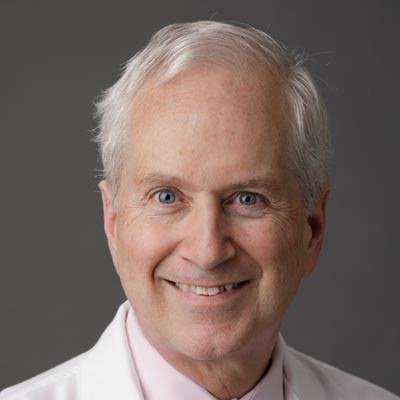
Dr. Ronald J. Taylor, MD Internal Medicine and Geriatric Medicine
Dr. Ronald J. Taylor, MD, is a board-certified internal medicine and geriatric medicine physician practicing in Cypress, Texas. His clinical work centers on comprehensive adult healthcare, preventive medicine, chronic disease management, and the more complex medical needs that can develop with aging. HCA Houston Healthcare currently lists him as board certified in both Internal Medicine and Geriatric Medicine.
Dr. Taylor has more than four decades of medical experience. He earned his medical degree from what is now McGovern Medical School at UTHealth Houston in 1985. Current WellMed information lists him with North Cypress Medical Partners and identifies Internal Medicine as his clinical specialty.
Patients looking for similar physicians can also browse the Doctiplus Internist category for additional doctors providing adult primary and internal medicine care.
Internal Medicine Care
Internal medicine focuses on the prevention, diagnosis, and treatment of illnesses affecting adults. Internists often care for patients who have several health concerns at the same time, making coordination an important part of treatment.
Dr. Taylor’s current professional profiles consistently identify Internal Medicine as a principal specialty. His clinical practice includes continuing adult healthcare and management of conditions that commonly require long-term monitoring rather than a single episode of treatment.
An internal medicine visit may include reviewing medications, blood pressure, laboratory results, new symptoms, previous hospital care, and recommendations from other specialists.
This broad approach can be particularly useful for adults managing conditions such as diabetes, kidney disease, cardiovascular risk factors, or age-related health concerns.
Geriatric Medicine
Dr. Taylor is also board certified in Geriatric Medicine. Geriatrics focuses on healthcare for older adults, particularly when several medical conditions, medications, functional concerns, or cognitive changes occur together.
Older adults do not necessarily need entirely different healthcare from younger adults, but medical decisions can become more complicated with age. Medication side effects, mobility, nutrition, memory, bone health, independence, and interactions between chronic illnesses may all need consideration.
Current physician data associated with Dr. Taylor identify geriatric medicine as one of his specialties and list areas such as cognitive assessment, dementia, osteoporosis, osteopenia, urinary concerns, and other problems commonly encountered in older patients.
The goal of geriatric care is not simply treating individual diagnoses. It often involves considering how treatment choices affect everyday function and overall quality of life.
Diabetes Management
Diabetes is among the chronic medical conditions associated with Dr. Taylor’s current practice. Professional provider data describe his experience caring for patients with diabetes as part of his broader internal medicine work.
Type 2 diabetes requires ongoing care because elevated blood sugar can affect the cardiovascular system, kidneys, eyes, nerves, and other organs over time.
Internal medicine follow-up may include reviewing blood glucose measurements, laboratory testing, medications, nutrition, activity, blood pressure, cholesterol, and screening for complications.
For older adults, diabetes treatment may require additional individualization. Other illnesses, kidney function, medication burden, and the risk of excessively low blood sugar may influence the most appropriate treatment plan.
Kidney Health
Kidney disease is another condition identified within Dr. Taylor’s clinical practice. Current physician information specifically notes experience managing diabetes and chronic kidney disease.
Kidney health is closely connected with both diabetes and high blood pressure. Reduced kidney function can also influence which medications are appropriate and what doses can be used safely.
An internist may monitor kidney function through blood and urine testing while also reviewing blood pressure, diabetes control, and medication use.
More advanced or complicated kidney disease may require collaboration with a nephrologist while the internal medicine physician continues to coordinate the patient’s broader medical care.
High Blood Pressure And Cardiovascular Risk
Blood pressure becomes increasingly important in adult and geriatric medicine because long-term hypertension can contribute to cardiovascular, kidney, and neurological complications.
Primary and internal medicine care may include repeated blood pressure measurements, reviewing home readings, evaluating cardiovascular risk factors, and determining whether medication or lifestyle changes are appropriate.
For older adults, treatment decisions may also need to consider dizziness, balance problems, kidney function, and other medications.
Managing cardiovascular risk usually involves looking at several factors together, including blood pressure, cholesterol, diabetes, smoking history, physical activity, family history, and established cardiovascular disease.
Cognitive Health And Memory Concerns
Current clinical information associated with Dr. Taylor lists Alzheimer’s disease, dementia, confusion, and cognitive testing among areas connected with his geriatric practice.
Memory changes deserve careful evaluation because not every cognitive complaint has the same cause.
Medication effects, sleep problems, mood disorders, thyroid conditions, nutritional deficiencies, infections, neurological disease, and other medical issues can sometimes contribute to cognitive symptoms.
Evaluation may therefore include a detailed medical history, medication review, cognitive assessment, laboratory testing, and additional specialist evaluation when necessary.
Family members or caregivers can sometimes provide useful information about changes in memory, daily activities, medication management, driving, finances, or other aspects of independent living.
Osteoporosis And Bone Health
Osteoporosis and osteopenia are also listed among Dr. Taylor’s geriatric areas of expertise.
Bone loss becomes increasingly important with age because weaker bones can increase the risk of fractures.
Medical evaluation may consider age, previous fractures, medications, family history, nutrition, physical activity, hormone-related factors, and other medical conditions.
Bone-density testing may be recommended for appropriate patients. If osteoporosis is identified, management may involve nutrition, physical activity, fall prevention, medication, or a combination of approaches.
For older adults, bone health is closely related to maintaining mobility and independence.
Mobility And Functional Health
Geriatric healthcare also pays attention to how well patients function in everyday life.
Current information about Dr. Taylor’s practice notes involvement with rehabilitative approaches such as physical therapy and strength-related support for patients who need help maintaining mobility and independence.
Changes in walking, balance, muscle strength, or the ability to complete everyday activities may sometimes provide important information about overall health.
These changes can be related to neurological disease, arthritis, medication effects, cardiovascular problems, loss of muscle mass, or other conditions.
A physician may coordinate physical therapy or additional specialist care when mobility problems begin affecting safety or independence.
Medication Management In Older Adults
Medication review is particularly important in geriatric medicine because many older adults take several prescription and nonprescription medicines.
The risk of medication interactions can increase as more drugs are added. Kidney or liver changes can also affect how medications are processed by the body.
An internal medicine or geriatric medicine appointment provides an opportunity to review the complete medication list rather than considering each prescription separately.
Patients should include over-the-counter products, vitamins, and supplements when discussing medications with their physician.
Changes should be made with appropriate medical guidance because suddenly stopping certain prescribed medications can cause problems.
Preventive Adult Healthcare
Dr. Taylor’s current practice through WellMed describes a care model focused on prevention and patient-centered medical support.
Preventive internal medicine may include reviewing blood pressure, diabetes risk, cholesterol, vaccinations, cancer screening, bone health, and other age-appropriate concerns.
The exact preventive plan depends on an individual’s age, medical history, family history, previous screening results, and existing health conditions.
Preventive care can be particularly valuable for older adults because treatment decisions may need to account for overall health and life circumstances rather than relying only on age.
Coordinating Multiple Medical Conditions
One of the most useful roles of an internist and geriatrician is helping coordinate several medical conditions at the same time.
For example, a patient may have diabetes, chronic kidney disease, hypertension, osteoporosis, and cognitive concerns while also receiving treatment from several specialists.
Treating one condition without considering the others can sometimes create medication conflicts or competing treatment goals.
An internist can review recommendations from cardiology, nephrology, endocrinology, neurology, and other specialties and help place those recommendations within one broader care plan.
Current patient-facing information about Dr. Taylor also describes his role in coordinating care for adults with complex chronic medical needs.
Education And Medical Training
Dr. Ronald J. Taylor graduated from the University of Texas Medical School at Houston, now known as McGovern Medical School at UTHealth Houston, in 1985. Current WellMed-linked and physician directory information consistently reports this medical education.
His subsequent professional career has focused on internal medicine, with additional specialization in geriatric medicine.
HCA Houston Healthcare currently identifies him as board certified in both fields.
This combination supports comprehensive adult care as well as focused management of medical issues that become increasingly common or complex later in life.
Board Certification
Current HCA Houston Healthcare information lists Dr. Taylor as:
- Board certified in Internal Medicine
- Board certified in Geriatric Medicine
Independent current physician information likewise identifies two specialties and two board certifications associated with his professional profile.
Board certification and licensing status can change over time, so formal credential verification should be performed through the relevant certification board or state medical licensing authority when required.
Current Practice
As of August 13, 2026, WellMed lists Dr. Ronald Taylor with North Cypress Medical Partners in Cypress, Texas, and states that he is accepting new patients.
The current WellMed listing gives the practice location as:
21226 Northwest Freeway, Suite 560
Cypress, Texas 77429
Other current directories list 21216 Northwest Freeway, Suite 560 for Ronald J. Taylor, MD. Because the street number differs between active directories, patients should confirm the exact address with the practice before traveling to an appointment.
His National Provider Identifier is 1023091402.
Hospital Affiliations
HCA Houston Healthcare currently lists Dr. Taylor as affiliated with HCA Houston Healthcare North Cypress.
Current independent provider information additionally lists Memorial Hermann Cypress Hospital among his hospital affiliations.
Hospital affiliations and admitting privileges may change, so patients who anticipate hospital-based treatment should confirm the relevant facility with the physician’s office.
Languages
Current provider directories report that Dr. Taylor speaks English and Vietnamese, while another current physician profile additionally lists Spanish.
Patients who specifically need an appointment conducted in a particular language should confirm language availability with the office when scheduling.
Accepting New Patients
WellMed currently identifies Dr. Taylor as accepting new patients at North Cypress Medical Partners.
Other current provider directories also indicate new-patient availability.
Because physician schedules, insurance participation, Medicare policies, and appointment availability may change, patients should verify these details directly with the practice.
Preparing For An Appointment
Patients can prepare for an internal medicine or geriatric appointment by bringing a complete medication list, recent laboratory results, hospital discharge information, blood pressure or blood glucose records, and information from other specialists.
Older patients may also benefit from discussing changes in balance, memory, sleep, appetite, weight, mobility, or the ability to complete everyday activities.
When memory problems are a concern, having a trusted family member or caregiver available can sometimes help provide a clearer history.
Patients managing several chronic conditions should bring the most recent information from specialists so that recommendations can be reviewed together.
Long-Term Adult And Geriatric Care
Dr. Ronald J. Taylor’s medical career combines internal medicine with specialized geriatric care. Current professional records identify more than four decades of experience, board certification in Internal Medicine and Geriatric Medicine, and an active Cypress-based practice focused on adult healthcare.
His clinical background is particularly relevant for adults who need continuing management of chronic disease or older patients whose healthcare involves several diagnoses, medications, functional concerns, or specialists.
A coordinated internal medicine and geriatric approach can help bring preventive care, chronic disease management, medication review, and age-related health needs into a single overall care plan.



Reviews
There are no reviews yet.