


A beach vacation can look relaxing on paper while feeling surprisingly tiring in real life. There is the drive or flight, luggage, an unfamiliar bed, long walks, hours in the sun and the quiet pressure to make every day memorable.
A well-timed massage can interrupt that cycle. It gives your body somewhere to catch up with the holiday your mind has already started enjoying.
Your Body Does Not Arrive on Vacation Immediately
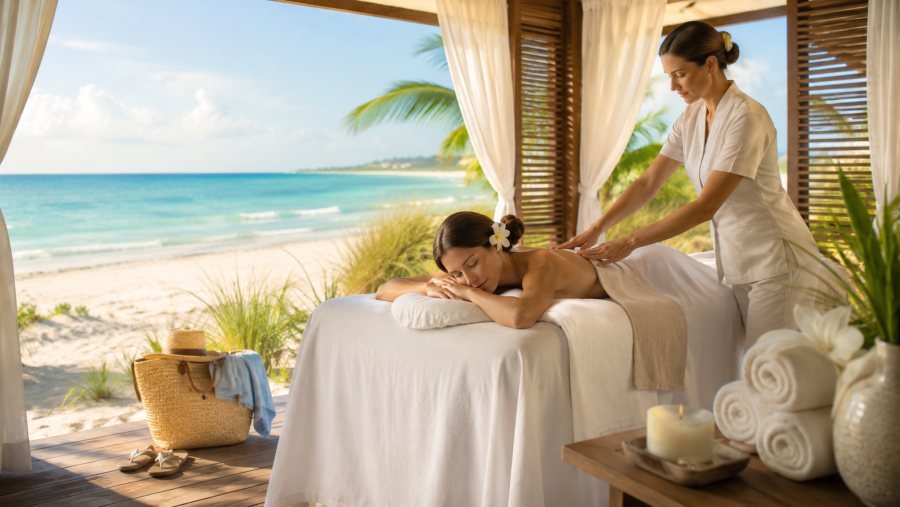
Reaching Miramar Beach does not automatically switch off work stress, travel fatigue or the mental habit of checking the time. Many people spend the first day settling in, buying forgotten items, deciding where to eat and organising activities for everyone else.
Miramar Beach itself offers a mix of shoreline, watersports, shopping and family activities, according to the official Miramar Beach visitor guide. That variety is part of its appeal, but it can also tempt visitors to fill every available hour.
A massage creates a useful pause between arriving and properly being present. For an hour, there is no route to plan, booking to confirm or group decision to make. You are allowed to stop managing the trip.
This may be why a massage often feels more meaningful on holiday than it does at home. At home, you may leave the appointment and return immediately to emails, housework or traffic. On vacation, the slower pace can continue after the session.
Think of Massage as a Reset, Not a Luxury Extra
It is easy to treat massage as an optional indulgence that should be added only after every other part of the trip has been arranged. A better approach is to decide what role you want it to play.
Do you want help settling down after a long journey? Are your shoulders tight from driving? Have several days of swimming, golf or walking left your muscles feeling overworked? Or do you simply want one quiet part of the vacation that belongs to you?
The National Center for Complementary and Integrative Health describes massage as the manipulation of soft tissues for wellness or to help manage certain health concerns. It also notes that the strength of evidence varies depending on the condition being discussed. Massage should therefore be viewed as supportive care rather than a cure-all.
Booking Miramar Beach Fl Massages can make the most sense when the appointment solves a specific vacation problem. That may mean easing into the trip after travelling, creating a restful midpoint between busy days or ending the holiday on a calmer note.
The value comes from what the session changes around it, not simply from spending an hour on a massage table.
Timing Can Change the Entire Experience
The best time for a vacation massage is not necessarily the first available appointment.
A session on your arrival day can work well after a long drive, particularly when you feel stiff from sitting. However, a late appointment may feel rushed if your flight is delayed or check-in takes longer than expected.
The second morning is often a practical choice. By then, you have settled into your accommodation but have not yet built up several days of sun exposure and physical activity.
A midpoint appointment can be useful for travellers planning active days involving golf, swimming, shopping or long walks. It divides the trip into two parts and gives you a natural reason to slow down.
An evening session may suit someone seeking relaxation, although it is wise to avoid placing a formal dinner, long drive or energetic excursion immediately afterwards. Leaving some open time allows the calm feeling to continue rather than turning the appointment into another task that must finish on schedule.
Choose Pressure According to Your Plans
Travellers sometimes book deep-tissue massage because it sounds more effective. Stronger pressure, however, is not automatically better.
A gentle Swedish-style session may be better when the main goal is relaxation. Deep-tissue work may be more suitable when you prefer firmer pressure and want focused attention on particular areas. Some people benefit from a combination, beginning gently and adding firmer work only where needed.
The Cleveland Clinic’s overview of massage therapy notes that many massage styles exist, including commonly used Swedish and deep-tissue techniques. The right choice depends on your goals, preferences and health circumstances.
Tell the therapist what you have been doing during the trip. Walking on sand may affect your calves differently from walking on pavement. Carrying bags can leave one shoulder tighter than the other. Golf, tennis, paddleboarding and swimming can each create their own patterns of soreness.
This information is more useful than simply asking for “medium pressure.” It gives the therapist context.
Do Not Schedule Massage Over Sun-Damaged Skin
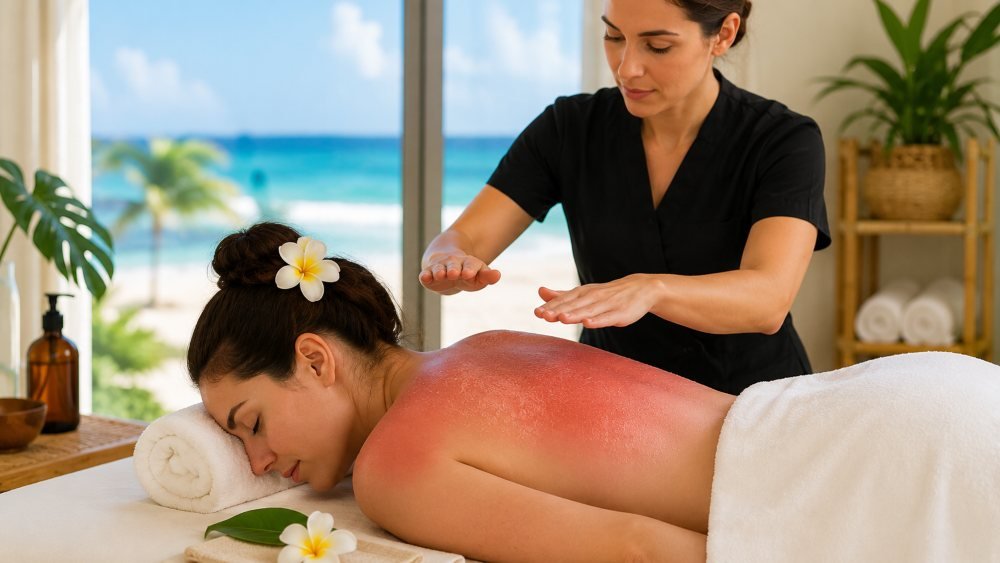
A beach holiday introduces a practical concern that does not usually matter during an ordinary massage appointment: sunburn.
Even mild redness can make oil, friction and pressure uncomfortable. More serious sunburn may involve swelling, blistering or skin that is painful to touch. A massage should not be performed directly over damaged or irritated areas.
The American Academy of Dermatology’s sunburn guidance recommends cooling and protecting affected skin while it heals.
Booking earlier in the trip can reduce the chance that sun exposure interferes with the appointment. When booking later, protect your skin, use appropriate sunscreen and tell the spa about any redness before the session begins.
Do not hide a sunburn because you are worried about losing the appointment. A responsible therapist should adjust the treatment, avoid affected areas or recommend rescheduling when necessary.
A Good Appointment Starts Before the Massage
The quality of a massage depends partly on what happens during the ten minutes before it begins.
Arrive early enough to complete any forms without rushing. Use the restroom, silence your phone and explain what you want from the session. Mention areas you would like the therapist to address as well as areas you do not want touched.
Useful information can include:
- Where you currently feel tension or soreness
- Whether you prefer light, moderate or firm pressure
- Any recent injuries, operations or medical treatments
- Medications that could affect bruising or sensitivity
- Skin irritation, sunburn, cuts or rashes
- Pregnancy or other health circumstances that may require adjustments
The therapist cannot feel exactly what you feel. Pressure that seems moderate to one person can be uncomfortable to another. Speak up early rather than waiting until the end.
A massage should not become an endurance test. Pain is not proof that the treatment is working.
Look Beyond Scented Candles When Choosing a Spa
Photographs of ocean views, candles and folded towels can help you understand the atmosphere, but they do not confirm professional standards.
Check whether the business provides clear service descriptions, appointment lengths, pricing and cancellation terms. Look for information about the therapist’s licence and training. Reviews may help identify patterns, but they should support rather than replace basic checks.
The Florida Board of Massage Therapy provides official resources for verifying massage therapists and establishments in the state. It also publishes licensing information and complaint procedures.
A professional provider should also ask relevant health questions. This is not unnecessary paperwork. It helps the therapist decide whether the requested treatment is suitable and which areas or techniques may need to be avoided.
Be cautious when a spa promises to remove toxins, cure illnesses, produce dramatic weight loss or replace medical treatment. A trustworthy provider can explain what massage may help with without turning relaxation into an exaggerated health claim.
Health Information Should Never Be Treated as a Small Detail
Massage is generally considered low risk for many people when provided appropriately, but it is not suitable in every situation.
The Mayo Clinic’s massage therapy guidance advises discussing health concerns such as fractures, severe osteoporosis, bleeding disorders, recent surgery and certain medical conditions before receiving massage.
Travellers should be particularly careful when a health issue overlaps with a long journey. The CDC’s guidance on travel-related blood-clot risks identifies factors such as a previous clot, recent surgery, certain injuries, cancer treatment and the use of blood-thinning medication. Anyone concerned about these risks should seek advice from a qualified healthcare professional rather than assuming massage is appropriate.
A massage therapist should not diagnose unexplained swelling, severe pain, numbness or other concerning symptoms. These require medical assessment.
Leave Space Around the Appointment
One of the easiest ways to weaken a relaxing experience is to surround it with deadlines.
Avoid booking a massage between a beach excursion and a dinner reservation that requires you to hurry across town. Build in enough time to arrive calmly and leave without watching the clock.
Afterwards, a gentle walk, quiet meal or unplanned hour at your accommodation may feel better than moving directly into another major activity. This does not mean the entire day has to be empty. It simply means giving the appointment room to affect the pace of the day.
You can also continue the quieter rhythm with simple breathing or muscle-relaxation exercises. MedlinePlus explains several relaxation techniques that can be practised without special equipment.
The goal is not to transform one massage into a complicated wellness programme. It is to notice what helped you slow down and carry a small part of that feeling into the rest of the trip.
What to Ask Before Booking
A brief conversation with the spa can prevent most disappointments. Ask:
- Is the therapist licensed in Florida?
- Which massage style suits relaxation rather than intense bodywork?
- Can the pressure be adjusted during the session?
- Are any treatments unsuitable after sun exposure?
- Does the advertised appointment time include consultation and changing?
- What is the cancellation policy?
- Are gratuities included or handled separately?
- Can the therapist accommodate injuries, pregnancy or mobility needs?
These questions are more useful than asking which treatment is the most popular. Popularity tells you what other people book. It does not tell you what will suit your body or your vacation plans.
Real Benefit Is Often the Change of Pace
A massage does not need an unusual therapy name or a complicated scientific explanation to improve a vacation.
Its value can be much simpler. It provides a protected hour in which nobody needs an answer from you. It can ease ordinary travel tension, encourage you to stop overloading the itinerary and remind you that rest is not wasted holiday time.
That shift can influence the rest of the trip. You may sleep without planning the next morning in detail. You may enjoy a beach walk without trying to turn it into a photo opportunity. You may notice that the vacation feels better when every hour is not being measured for productivity.
Miramar Beach already supplies the coastline, warm weather and change of scenery. A thoughtfully chosen massage can help you become still enough to appreciate them.
This article provides general information and is not a substitute for medical advice. Speak with a qualified healthcare professional when you have an injury, medical condition or concern about whether massage is appropriate.