


A decade ago, if you wanted to lie under a wall of red and near-infrared light, you booked time at a clinic or a physical therapist’s office. Now the same wavelengths come rolled up in a mat you can unfurl on your living room floor. That shift is the whole story behind devices like the Wondear 1440-LED full body mat, and it raises the question everyone asks first: how often should you actually use one of these things?
The honest answer is less dramatic than most marketing suggests, and more useful for it. Red light therapy is not a treatment you win by doing harder or longer. It rewards rhythm. Getting the frequency right matters far more than chasing marathon sessions, so it is worth understanding what the light is doing before you build a routine around it.
What the Light Is Actually Doing
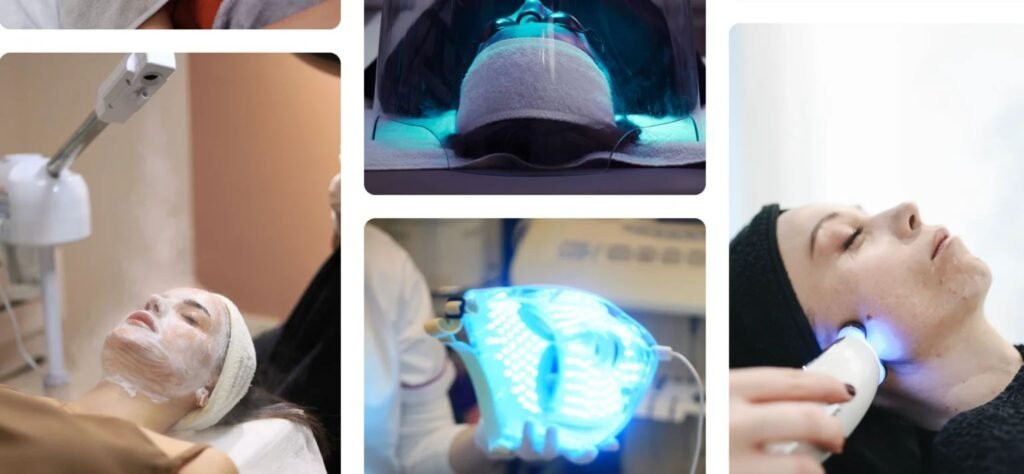
Red light therapy, known in the research literature as photobiomodulation, works by delivering specific wavelengths of light into your tissue where your cells can absorb it. According to Cleveland Clinic’s overview of red light therapy, the light is thought to act on the mitochondria, the structures inside your cells often described as their power plants, giving them more energy to carry out repair and regeneration.
The mechanism is more specific than “energy,” though. Research on the primary chromophores responsible for photobiomodulation identifies an enzyme called cytochrome c oxidase, which sits in the mitochondrial respiratory chain, as the main molecule that absorbs red and near-infrared light. When it does, the downstream effect is increased production of ATP, the cellular fuel that powers everything from muscle repair to collagen synthesis. That is the biological hinge the entire practice turns on.
Worth stating plainly: this is a field where the science is genuinely promising but still maturing. Cleveland Clinic is careful to note that many researchers want larger clinical trials before drawing firm conclusions. Treating the mat as a supportive habit rather than a cure sets expectations where they belong.
Why Consistency Beats Intensity
Here is the counterintuitive part. With most wellness tools, more input tends to mean more output, at least up to a point. Light therapy does not behave that way. Studies on photobiomodulation have repeatedly found what researchers call a biphasic dose response: the benefit climbs to a peak at a certain dose, and pushing past that peak flattens the response and can even reverse it.
In practical terms, that means a focused 10 to 20 minute session does the job, and doubling the time does not double the result. What actually moves the needle is showing up regularly. The cellular changes that produce visible or felt improvements accumulate across days and weeks, so a shorter session most days will outperform a long session once in a while.
A sensible starting rhythm looks like this:
- Frequency first. Aim for five to seven sessions a week. Daily contact keeps the cellular support steady rather than sporadic.
- Keep sessions short. Ten to twenty minutes is the sweet spot. Start at the lower end and let your body set the pace.
- Both wavelengths matter. A device covering 660nm red and 850nm near-infrared gives you surface and deep coverage in one pass.
- Surface area counts. Full-body contact means muscles and joints all get systemic exposure rather than one treated patch.
Red Versus Near-Infrared, and Why You Want Both
The two numbers on the Wondear mat are not marketing shorthand. They describe genuinely different tools. Photobiomodulation research distinguishes the red light band, roughly 620 to 700nm, from the near-infrared band that runs from about 700nm upward, and the distinction is about depth.
Red light at 660nm is absorbed closer to the surface, which is why it dominates the conversation around skin: tone, texture, fine lines, and clarity. Near-infrared at 850nm is invisible to the eye and travels deeper, reaching the muscles and joints where recovery work happens. A mat that delivers both is not padding a spec sheet; it is covering two distinct jobs that a single wavelength cannot do alone.
What the Evidence Says for Skin and Recovery

For skin, the rejuvenation research is among the more consistent in the field. A randomized controlled trial of red light phototherapy for facial rejuvenation treated women over ten sessions across four weeks and measured a roughly 30 percent reduction in periocular wrinkle volume, with participants also reporting improved quality of life. Note the shape of that study: it was the accumulation of short, repeated sessions that produced the change, not any single treatment.
For muscle recovery, a systematic review and meta-analysis of phototherapy on exercise performance found that light applied before, during, or after exercise can modulate the muscle fatigue that follows activity and help protect against exercise-induced muscle damage. The effects are real but measured, which fits the broader pattern: this is a recovery aid that stacks with good training and sleep, not a substitute for them.
Choosing the Right Setup for Your Goals
Hardware should follow the outcome you actually care about. If your priority is whole-body recovery, tired legs, a stiff back, general soreness, then coverage and LED density are what matter, and the 1440-LED mat is built precisely for that.
If you also care about facial results, a combination system earns its keep. Skin sits at the surface, and while a full-body mat you lie on top of does reach your back and limbs, a dedicated mask points red light directly at the face. For that head-to-toe scenario, the Wondear 660nm/850nm Red & NIR Light Therapy Mat and LED Mask Bundle pairs body coverage with facial-specific treatment in one setup.
| Feature | Wondear 1440-LED Full Body Mat | Wondear Mat & LED Mask Bundle |
| LED count | 1,440 | 284 (combined) |
| Full-body coverage | Yes | Yes |
| Facial rejuvenation | No | Yes |
| Best for | Targeted muscle recovery | Holistic wellness and skin |
One practical caveat when comparing any home device to what you would find in a clinic: home units are generally less powerful than professional equipment, which is part of why consistency matters so much. You are compensating for lower intensity with regular exposure, which loops back to the core principle. Frequency is the lever you control.
A Simple Way to Start
You do not need a complicated protocol. A clean, repeatable sequence beats an elaborate one you abandon after a week.
- Hydrate. Have a glass of water beforehand. Well-hydrated cells are doing the metabolic work you are trying to support.
- Cleanse. Make sure skin is free of heavy oils or lotions that could sit between you and the light.
- Position. Lie flat with the mat in direct contact, no fabric barrier between the LEDs and your skin.
- Time it. Set fifteen minutes for your first week and pay attention to how your body responds.
- Repeat. Aim for five to seven days a week. The routine is the active ingredient.
What This Looks Like in Real Life
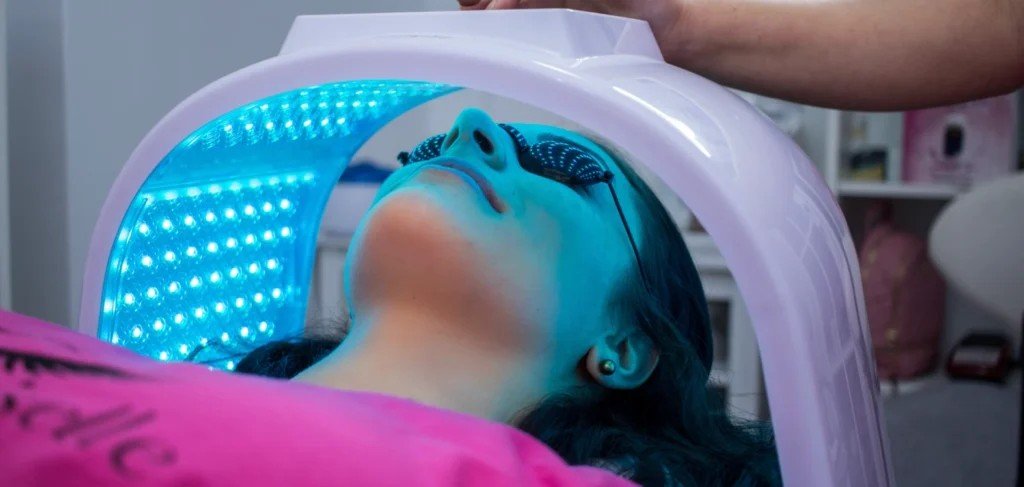
Picture someone who spends long days at a desk and wakes up with a stiff lower back most mornings. They add a fifteen-minute evening session on the mat, nothing more. There is no single dramatic morning where the stiffness vanishes. Instead, over about four weeks, the morning soreness eases and mobility improves gradually.
That is the realistic model. Not an overnight fix, but a steady habit that gives the body’s own repair processes a nudge in the right direction, session after session.
Frequently Asked Questions
How often should you do red light therapy? For most general wellness goals, daily sessions of 10 to 20 minutes work well. Consistency matters more than stretching any single session past 20 minutes, since benefits plateau rather than climb with extra time.
Can you overuse a light therapy mat? It is generally very safe, but more is not better. Because of the biphasic dose response seen in the research, excessive exposure offers no added benefit and can occasionally produce mild fatigue or localized warmth. Staying within recommended durations is the smart play.
What is the difference between red and near-infrared light? Red light around 660nm is absorbed nearer the surface, making it well suited to skin concerns. Near-infrared around 850nm penetrates deeper into muscle and joint tissue, making it the better fit for recovery. Devices offering both cover more ground.
Should you wear eye protection? Many people simply keep their eyes closed during a session, which is usually sufficient for a body mat. If you are using a facial mask or a high-intensity device near the eyes, follow the manufacturer’s guidance and use any eyewear provided.
Summary
Whether you go with the intensive coverage of the 1440-LED mat or the versatility of a mat-and-mask bundle, the principle does not change. Red light therapy delivers its value through consistent, moderate use rather than occasional heroic sessions. Build it into your day the way you would any small daily habit, keep your sessions short, and let the results accumulate.
Disclaimer: This article is for general informational purposes only and is not medical advice. Red light therapy research is still developing, and individual results vary. Consult a qualified healthcare professional before beginning any new wellness practice, particularly if you have a medical condition, take photosensitizing medication, or are pregnant.