

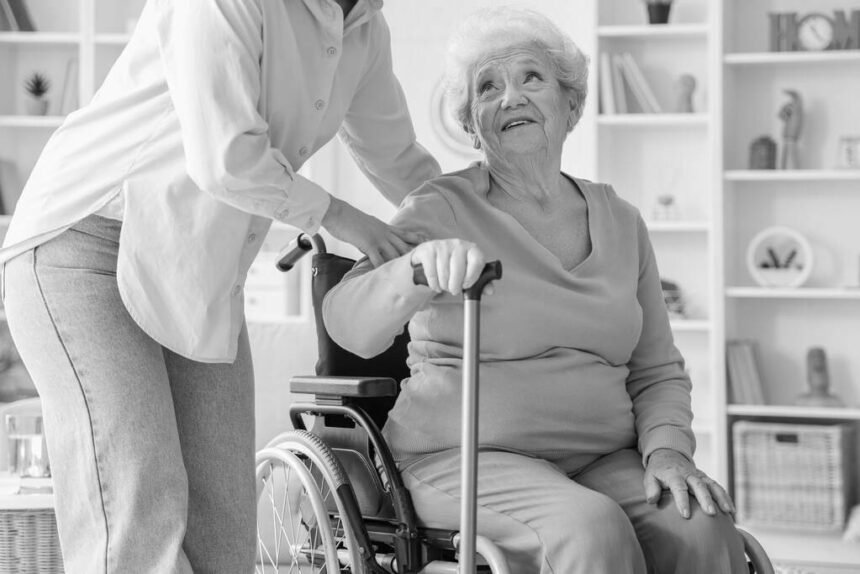
Watching someone you love struggle at home really struggle is a specific kind of hard. You see it happening. You’re not sure what to do. And somewhere between concern and action, time slips away. Recognizing the signs early isn’t just smart; it’s genuinely protective.
This guide gives you a clear-eyed look at the warning signals, the daily living red flags, and the care options worth knowing so you can move with confidence instead of guilt.
Recognizing Early Signs Your Loved One Needs Senior Care at Home

Here’s the thing about early changes: they’re almost always dismissed. “She’s just tired.” “He’s always been forgetful.” But some shifts aren’t just aging, they’re signals. According to research published in Tandfonline, personal care services are utilized by nearly 60% of seniors receiving home-based support, which tells you something important about how widespread these needs actually are.
Families who catch these shifts early are far better positioned to act before a fall, a medical crisis, or a situation that spirals past what anyone expected.
So what should you actually be watching for?
Changes in Physical Abilities
The body tends to signal distress before anyone says a word. Watch for wobbling balance, mobility difficulties, or unexplained bruises that suggest falling is happening more than you’re being told. Sudden weight loss, missed medications, wrong doses, these aren’t small oversights. They’re meaningful patterns.
Poor hygiene is another one. Unwashed hair, stained clothes, or a persistent odor often reflect physical limitation, not indifference. Your loved one may want to bathe but genuinely can’t manage it safely alone anymore.
Emotional and Mental Health Clues
Physical changes grab attention. Mental and emotional shifts? Those are quieter, and honestly, easier to explain away. Increased confusion, repeating the same question three times in a conversation, forgetting things that used to be automatic, these are worth noting. So is withdrawal. If someone who used to light up at Sunday dinners is now declining every invitation, pay attention.
Mood swings, persistent irritability, or anxiety that spikes whenever routines shift; these deserve a real conversation with a physician, not just reassurance.
Social Isolation and Communication Red Flags
Social withdrawal and emotional decline tend to feed each other. Is your loved one skipping family gatherings? Avoiding the neighbor they used to chat with every morning? Struggling to follow a simple conversation?
These aren’t personality quirks. They’re meaningful signals that something deeper is going on, and they tend to worsen when left unaddressed.
Evaluating Daily Living Challenges at Home

Sometimes, the most honest picture of someone’s independence isn’t a doctor’s report. It’s their kitchen. Their mail pile. The state of their bathroom. Families exploring home care for seniors should look closely at how everyday tasks are actually getting managed or not.
Household Management Difficulties
Unopened bills are stacking up. Food in the fridge that expired weeks ago. Trash overflowing. Clutter creates tripping hazards in hallways. These aren’t minor housekeeping issues; they’re genuine safety concerns wearing the disguise of ordinary mess.
If the home environment has changed noticeably, that change is usually telling you something worth listening to.
Trouble with Personal Care Tasks
A cluttered home is a clue. But when bathing, dressing, cooking, or managing groceries start slipping, the need for structured support becomes hard to ignore. These aren’t tasks you can simply encourage someone to try harder at. When fatigue, cognitive decline, or mobility limitations enter the picture, the best help is hands-on.
That’s exactly where professional home care for seniors becomes genuinely valuable, offering consistent, personalized support that preserves both safety and dignity.
Safety and Health Risks That Signal It’s Time for In-Home Care
There’s a meaningful difference between struggling and being at risk. Once daily challenges start creating real safety concerns, urgency shifts considerably.
Wandering, Getting Lost, or Unsafe Behavior
For families navigating dementia or Alzheimer’s, wandering is one of the most frightening realities you can face. A loved one who leaves the house and can’t find their way back or who forgets the stove is on isn’t having a bad day. They’re showing a pattern that requires structured, professional oversight.
These situations rarely improve without intervention. They escalate.
Medical Emergencies or Unattended Health Needs
Missed appointments. Ignored wound care. Unmanaged chronic conditions. Flat-out refusal to take prescribed medications. Each of these gaps carries real risk, and together, they create the conditions for entirely avoidable emergencies.
Understanding when to seek help for elderly loved ones means recognizing that unmet medical needs are every bit as urgent as physical safety concerns.
Family Caregiver’s Perspective: Knowing When You’ve Reached Your Limit
Recognizing what your loved one needs is only part of the equation. Because often, it’s the caregiver who’s quietly burning out, and that matters enormously.
Signs Caregiver Support Is No Longer Enough
Burnout doesn’t announce itself. It builds slowly. Physical exhaustion you can’t shake. Emotional depletion that bleeds into everything. Relationships at home are fraying under the pressure of it all. If you’re dreading caregiving tasks you once handled with patience, that’s not a character flaw; it’s a signal worth taking seriously.
Real Cost of Waiting Too Long
A 2025 KPMG report found that home care program participation grew by 6.6% in a single year, reflecting a growing awareness that early professional support genuinely leads to better outcomes.
Delaying professional help doesn’t protect your loved one. It puts them at greater risk and quietly takes a toll on everyone else in the picture.
Exploring Care Options: What’s Actually Available
Once you understand the need, the next step is knowing what thoughtful, structured support looks like. The range of options today is broader than most families realize.
Customized In-Home Care Solutions
No two seniors have identical needs. Care can range from simple companionship to skilled nursing, with everything in between.
| Care Type | Best For | Key Benefit |
| Companion Care | Social isolation | Reduces loneliness |
| Personal Care | Hygiene/mobility challenges | Preserves dignity |
| Skilled Nursing | Complex medical needs | Clinical oversight at home |
| Dementia Care | Memory loss/wandering | Safety-focused routines |
Technology That Supports Safer Senior Living
Wearable health monitors, fall detection devices, medication reminders, and telehealth platforms are making home care for seniors safer and far more connected than it used to be. Family coordination apps are especially useful when relatives live in different cities, keep everyone informed, and reduce the chaos of managing care across distance.
Affordable Pathways Into Care
Cost stops many families from exploring options they’d otherwise embrace. But Medicaid HCBS waivers, Veterans Aid and Attendance benefits, Area Agency on Aging programs, and local nonprofit grants exist precisely for situations like yours. Many families are genuinely surprised by how much financial support is available once they know where to look.
Starting the Conversation Without Making It Worse
Knowing the options is one thing. Having the actual conversation with a parent or grandparent who values their independence? That’s emotionally loaded differently entirely.
Lead with love, not a list of concerns. “I want you to feel safe and supported at home” lands very differently than “I don’t think you can manage anymore.” Involve your loved one in every decision. Start small if needed. Frame professional support as a tool for staying home longer because, honestly, that’s exactly what it is.
Building a Care Plan That Actually Works
Once the conversation is open, build momentum together. Use an assessment checklist to map out current needs. Set realistic goals. Define roles clearly for family members and professionals. Bringing in a doctor, occupational therapist, or care coordinator ensures the plan reflects both clinical needs and personal preferences.
Final Thoughts
Noticing the signs, physical, emotional, and social, is one of the most protective things a family can do. Quality home care for seniors isn’t about replacing family involvement. It’s about strengthening it. Whether you’re just beginning to notice changes or already feeling stretched past your limit, acting now is always better than waiting for a crisis. Reach out for a care assessment, explore your options, and give your loved one and yourself the support you both deserve.