

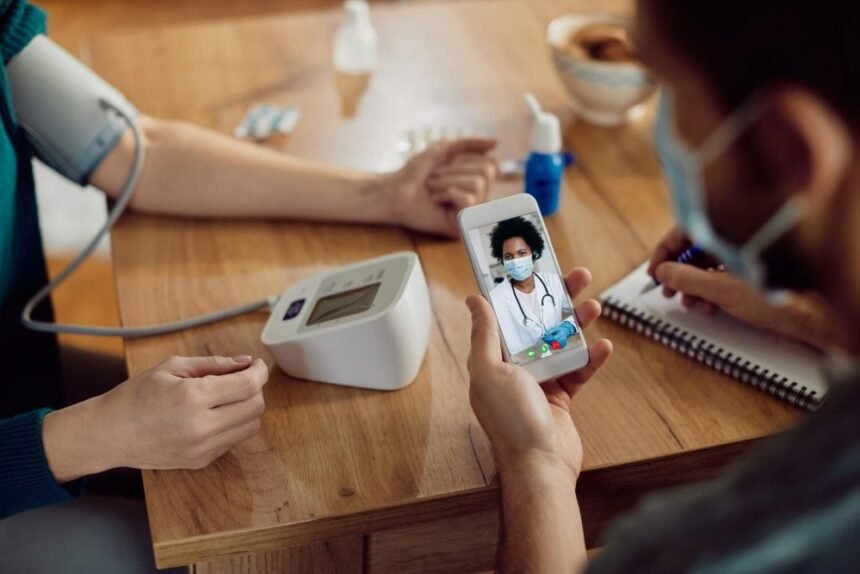
Choosing a doctor or healthcare provider is rarely a decision people make on qualifications alone. Patients also want to know whether others have had positive experiences, whether the provider communicates clearly, and whether they can trust the care they receive.
Before booking an appointment, many people search online, read reviews, compare ratings, and explore a provider’s website or social media profiles.
This is where social proof in healthcare comes in. It refers to how people use others’ experiences, opinions, and visible interactions to make decisions.
However, healthcare is different from choosing a restaurant or buying a product. Popularity doesn’t guarantee medical quality, and a polished online profile doesn’t prove that a provider is right for every patient. Understanding how online credibility works can help patients make more informed decisions.
What Is Social Proof in Healthcare?
Social proof in healthcare is the influence that other people’s experiences and opinions have on a person’s decision to seek care from a particular doctor, clinic, hospital, or healthcare professional.
It often appears through:
- Patient reviews: Comments about communication, appointment experiences, waiting times, and staff interactions.
- Ratings: Star scores that help patients compare providers at a glance.
- Personal recommendations: Suggestions from family members, friends, or people with similar experiences.
- Professional credibility: Verifiable qualifications, specialist credentials, and affiliations with recognized institutions.
- Online engagement: Comments, discussions, and interactions that make a provider’s public profile appear active.
These signals don’t all carry the same weight. A review describing how a doctor explained treatment options provides different information from a high follower count. The first offers details about a patient’s experience; the second mainly reflects activity or audience size.
Why Does Online Credibility Influence Patient Booking Decisions?

Healthcare decisions often involve uncertainty. Patients may be worried about symptoms, treatment costs, privacy, or whether a provider will listen to their concerns. Online information can help them feel more prepared before making contact.
Research supports the importance of patient reviews in this process. A systematic review published in the Journal of Medical Internet Research examined 63 studies on online reviews of doctors and healthcare organizations.
It found that reviews can provide useful insights into patient experiences and relationships with healthcare providers. However, the relationship between online reviews and clinical outcomes was less consistent.
In practical terms, patients may use online feedback to answer questions such as:
- Do patients feel heard and respected?
- Is the appointment process straightforward?
- Does the provider explain things in understandable language?
- Are concerns about communication or accessibility mentioned repeatedly?
- Can I verify the provider’s qualifications and experience?
When several credible sources tell a consistent story, patients may feel more comfortable booking an initial consultation.
Four Online Signals Patients Notice First
Here are the four online signals patients notice first thing before making a decision.
- Patient Reviews That Describe Real Experiences
A useful review explains what happened rather than simply saying a provider is “the best.” For example, a patient might describe how clearly a doctor explained a diagnosis, whether staff handled scheduling efficiently, or whether the consultation felt respectful.
Specific details give readers more context than a star rating alone. Patients should also look for patterns across multiple reviews instead of relying on one exceptionally positive or negative comment.
Reviews have limitations, too. They may reflect a single encounter, individual expectations, or circumstances that aren’t relevant to every patient.
- Ratings and Review Consistency
Star ratings make comparison quick, but they can hide important differences between patient experiences.
Imagine two doctors with similar average ratings. One has detailed reviews mentioning clear explanations and respectful communication. The other has many short comments with little information. The average scores may look alike, but the accompanying feedback gives patients different reasons to assess each provider.
- A Credible Website and Professional Information
Patients need more than positive opinions to make a sound decision. A provider’s website should make relevant information easy to find, including qualifications, specialties, location, appointment procedures, and contact details.
Where applicable, patients can verify registration, licensing, or specialist credentials through the appropriate official authority. Clear explanations of services and realistic descriptions of what to expect can also reduce uncertainty.
A professional-looking website can support trust, but design alone doesn’t establish competence. Verifiable information matters more than polished presentation.
- A Consistent and Informative Social Media Presence
Social media can help patients understand a healthcare professional’s communication style and interests. Educational posts, explanations of common procedures, and general health information may help people decide whether they want to learn more about a provider.
The key is usefulness and accuracy, not simply the number of likes. A popular post may be entertaining or easy to share without being medically reliable. Likewise, a qualified professional may have a small social following and still provide excellent care.
Patients should treat social engagement as context, not proof of expertise.
Can Social Media Engagement Create Trust in Healthcare?
Engagement can make a profile appear active, but it is important to distinguish visibility from credibility.
For example, a post with hundreds of likes doesn’t prove its medical information is accurate or that the person sharing it is qualified to give advice. Comments and follower counts can also be misleading if the audience isn’t genuinely interested in the content.
SocialWick offers social media engagement services, including options for increasing likes and followers. However, these services should not be used to establish medical authority or influence patients’ healthcare decisions. Its services are intended for personal and entertainment-focused profiles, not healthcare promotion.
Anyone exploring its offerings can review the SocialWick website, but purchased engagement is not evidence of clinical competence, patient satisfaction, or treatment quality.
For healthcare decisions, credibility should come from transparent qualifications, reliable information, authentic patient feedback, and appropriate professional standards.
How Patients Can Evaluate Healthcare Providers Online

Before booking an appointment, use a few practical checks to look beyond popularity.
- Verify credentials. Confirm the provider’s qualifications and registration through relevant official sources where available.
- Read reviews critically. Look for recurring themes, specific examples, and recent feedback. Don’t assume every review tells the full story.
- Compare independent sources. Check more than one review platform and consult official provider information. Consistent evidence is more useful than a single impressive profile.
- Separate experience from clinical outcomes. Reviews may offer insight into communication and service experiences, but they cannot reliably establish whether a treatment is medically appropriate for you.
- Protect your privacy. Avoid sharing sensitive medical information publicly in comments or review discussions. Contact a provider through an appropriate private channel when discussing personal health concerns.
- Ask questions directly. If you need information about treatment options, fees, accessibility, or suitability, contact the provider. Online impressions cannot replace a conversation about your individual needs.
Final Thoughts
Social proof can help patients feel more confident about where to book, particularly when they are unfamiliar with a provider. Reviews, personal recommendations, and clear professional information offer useful starting points, but each signal has limitations.
The smartest approach is to combine patient feedback with verified qualifications, reliable sources, and questions relevant to your own healthcare needs. A high rating can encourage you to investigate a provider, but it should never decide for you.