

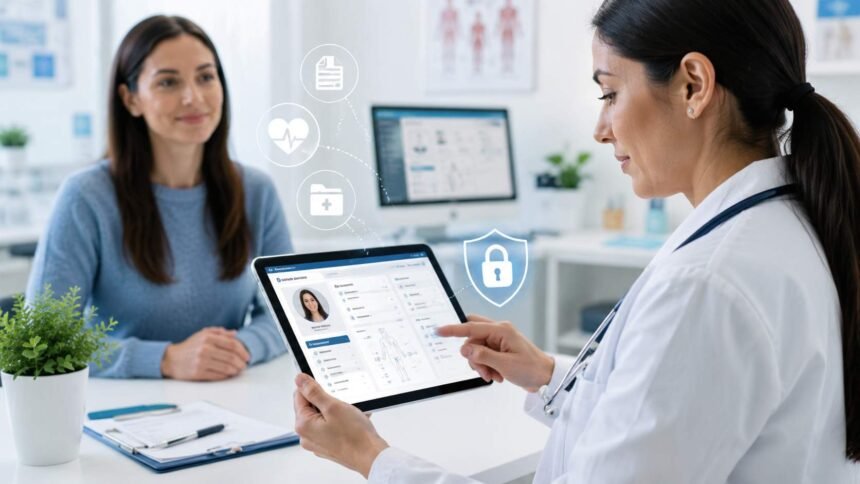
Healthcare has moved a long way from shelves full of paper charts. Many clinics, hospitals, pharmacies, and laboratories now use digital systems to record, update, and share patient information. This change can make care faster, safer, and more organized, but only when the system is used correctly.
A digital medical record is not just a computer file. It may include a patient’s medical history, allergies, medicines, test results, scans, visit notes, treatment plans, vaccination records, and follow-up instructions. According to HealthIT.gov’s overview of electronic health records, these records can help make information available to authorized healthcare staff when it is needed.
For patients, this can mean fewer repeated questions, better coordination between care teams, and easier access to personal health information. For healthcare providers, it can support safer prescribing, clearer documentation, better scheduling, and improved communication.
What Is an Electronic Medical Record?
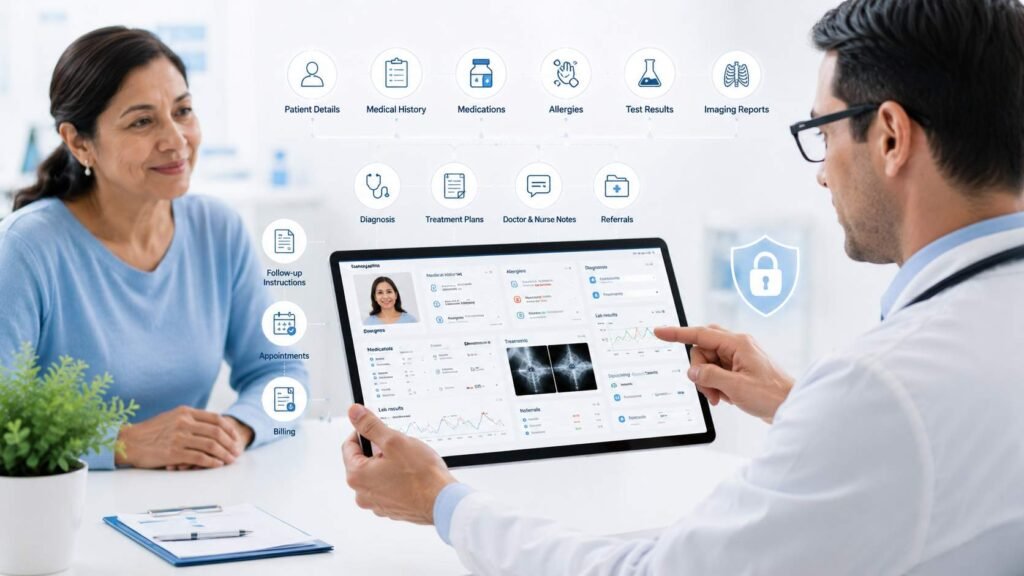
An electronic medical record is a digital version of the information a clinic or hospital keeps about a patient’s care. It replaces or works alongside old paper charts.
A well-managed system may include:
- Patient contact details
- Medical history
- Current and past medicines
- Allergies
- Test results
- Imaging reports
- Diagnosis records
- Treatment plans
- Doctor and nurse notes
- Referrals and follow-up instructions
- Billing and appointment information
For clinics and hospitals, choosing EMR Software is not only a technology decision. It can affect patient safety, privacy, staff workload, appointment flow, and the quality of communication between healthcare teams.
Why Healthcare Moved Away From Paper Charts
Paper charts can work, but they also create problems. They can be hard to read, difficult to share, slow to retrieve, and easier to misplace. A patient may see a family doctor, a specialist, the emergency department, and the laboratory, but each place may hold part of the story.
Digital records help bring important details together in one place. For example, if a patient arrives at urgent care with chest pain, the care team may need quick access to their medicines, allergies, heart history, blood pressure readings, and recent test results. A digital record can make that easier.
Still, digital systems are not perfect. If the information entered is incorrect, incomplete, or outdated, the record can still be confusing. Technology supports good care, but it does not replace careful clinical judgment.
How Digital Records Can Help Patients
Faster Access to Important Information
Doctors and nurses often need information quickly. A digital record can show a patient’s medicines, allergies, recent test results, and previous diagnoses without waiting for paper files.
This can be useful when:
- A patient changes doctors
- A specialist needs previous test results
- A hospital team needs emergency information
- A patient cannot remember all medicines or doses
- A doctor wants to compare new symptoms with past results
Easier Patient Access
Many healthcare systems now offer patient portals. These secure online tools may let patients view test results, appointment details, visit summaries, medicine lists, and messages from the care team. MedlinePlus explains patient portals as online tools that help people track parts of their healthcare.
Patients can also keep their own personal health record. MedlinePlus personal health record guidance suggests including details such as medicines, allergies, major illnesses, surgeries, test results, and emergency contacts.
Better Coordination Between Providers
A digital record can help different departments work from the same updated information. For example, a cardiologist, primary care doctor, and pharmacist may all need to know about a new blood pressure medicine. If records are updated properly, this reduces the chance of missed information.
The CMS Interoperability and Patient Access rule supports better electronic sharing of healthcare data so patients and providers can access information more easily.
Safety Benefits of Electronic Medical Records
Digital records can support safer care in several ways.
Safer Prescribing
A record can show allergies, current medicines, and previous reactions. Some systems can alert clinicians if a medicine may interact with another medicine or if the patient has a recorded allergy.
Example:
If a patient is allergic to penicillin and this is clearly recorded, the system may warn the doctor before a related antibiotic is prescribed.
Better Follow-Up
Digital systems can help clinics track follow-up appointments, lab results, referrals, and screening reminders. This is useful for conditions such as diabetes, high blood pressure, asthma, pregnancy care, or long-term medication monitoring.
Fewer Repeated Tests
When previous results are available, doctors may not need to repeat the same blood test, scan, or investigation unless there is a clear medical reason. This can reduce inconvenience, cost, and delay.
Common Problems Patients Should Watch For
Electronic records are useful, but patients should still check their information carefully.
| Possible Issue | Why It Matters | What Patients Can Do |
|---|---|---|
| Wrong medicine list | May affect prescribing decisions | Review medicines at every visit |
| Missing allergy | Could increase risk of unsafe medication | Tell every provider about allergies |
| Old address or phone number | May cause missed appointment updates | Update contact details |
| Duplicate record | Information may be split across two files | Ask the clinic to check for duplicates |
| Test result without explanation | May cause worry or confusion | Contact the care team for interpretation |
| Missing visit note | Future doctors may lack context | Request a record update if needed |
Privacy and Data Security Matter
Health records contain sensitive information. They may include diagnoses, medicines, mental health notes, sexual health details, family history, test results, and billing information. This is why privacy and security are major parts of digital healthcare.
The HHS HIPAA Security Rule explains safeguards for electronic protected health information in the United States, including location data. These include administrative, physical, and technical protections.
For patients, HealthIT.gov’s health information security guidance is also useful. It explains that privacy rules apply to both paper and electronic health information.
Practical Privacy Tips for Patients
Patients can protect their health information by taking simple steps:
- Use a strong password for patient portals
- Do not share portal login details
- Turn on two-factor authentication when available
- Avoid opening medical records on public computers
- Log out after using a portal
- Check app permissions before connecting health apps
- Tell the clinic if you suspect unauthorized access
Healthcare providers should also use role-based access, audit logs, encryption, secure backups, staff training, and clear privacy policies.
What Healthcare Providers Should Look For in a Digital Record System
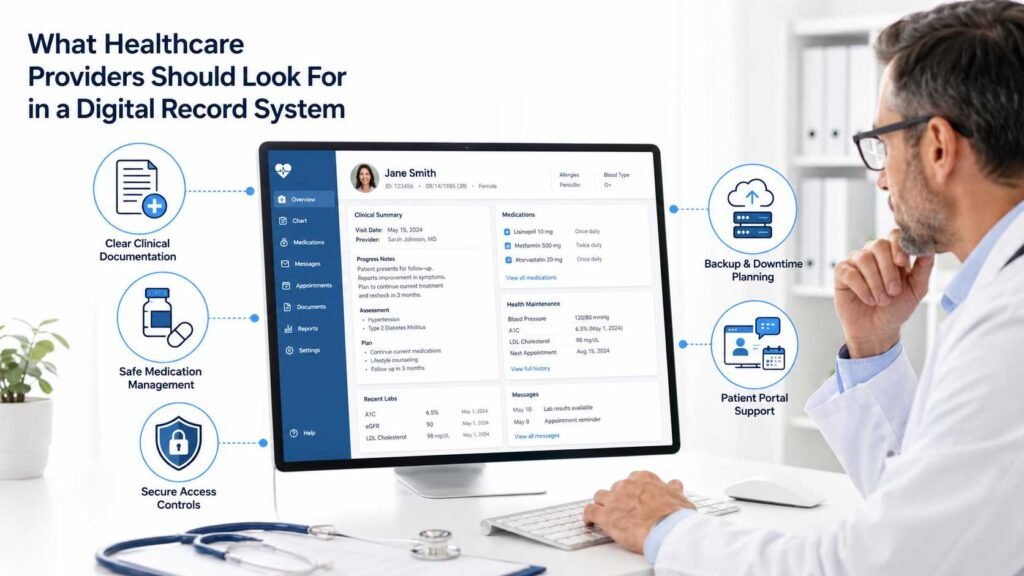
A good digital record system should support both patient care and safe administration. It should not slow clinicians down or make documentation confusing.
Important features include:
Clear Clinical Documentation
Doctors, nurses, and other staff should be able to document care clearly. Notes should be easy to read, well-organized, and linked to the right patient.
Safe Medication Management
The system should support medicine lists, allergy alerts, refill history, and prescription checks.
Secure Access Controls
Not every staff member needs access to every part of a record. Role-based access helps limit information to people who need it for care or administration.
Backup and Downtime Planning
Digital systems can fail during outages, cyber incidents, or maintenance. Healthcare organizations should have a plan for safe care when the system is unavailable. The ONC SAFER Guides give healthcare organizations practical safety guidance for electronic health record use, including system management and contingency planning.
Patient Portal Support
A useful portal should help patients view records, check appointments, request refills, message the care team, and understand next steps. Mayo Clinic’s medical records page gives a practical example of how patients may access records through a patient portal.
How Patients Can Use Their Health Records Wisely
Patients do not need to understand every medical code or abbreviation, but they should know how to use their records for better care.
The HealthIT.gov guide to getting and using health records explains that patients have a right to access their health record and can use it to manage care more actively.
Useful steps include:
- Keep a current medicine list
- Save allergy details
- Download important test results
- Keep copies of major surgery or hospital summaries
- Share records with a new doctor when needed
- Ask for corrections if something is wrong
- Keep emergency contact information updated
When to Contact a Doctor or Care Team About Your Record
Contact your doctor, clinic, or care team if:
- Your medicine list is wrong
- An allergy is missing
- A serious diagnosis is listed incorrectly
- You see a test result you do not understand
- You have symptoms that are getting worse
- Your record shows another person’s information
- A referral, scan, or lab result seems missing
- You think someone accessed your record without permission
Do not ignore symptoms just because your online record looks normal. If you feel seriously unwell, seek urgent medical care.
Future of Digital Medical Records
Digital healthcare will likely continue to grow. Future systems may include better patient portals, safer data sharing, mobile access, voice-assisted documentation, and carefully monitored artificial intelligence tools.
The WHO Global Strategy on Digital Health 2020 to 2027 supports the safe and effective use of digital health tools as part of stronger healthcare systems.
However, technology should improve care, not replace human judgment. Doctors and nurses still need to listen to patients, examine symptoms, check details, and explain results in clear language.
Conclusion
Electronic medical records can make healthcare more organized, safer, and easier to manage. They help providers access important information, support better communication, reduce paperwork, and give patients more control over their health information.
The best results come when digital records are accurate, secure, easy to use, and supported by trained healthcare staff. Patients also have a role. By checking their records, updating information, protecting portal access, and asking questions, they can help make digital healthcare safer and more useful.
Medical disclaimer: This article is for general education only. It does not replace professional medical advice, diagnosis, or treatment. Always speak with a qualified healthcare professional about personal symptoms, test results, medicines, or treatment decisions.