

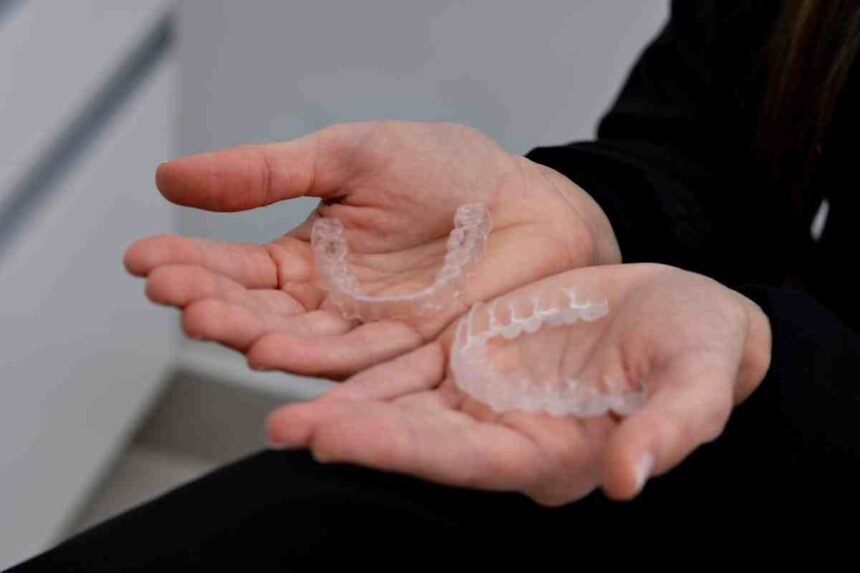
According to the American Association of Orthodontists’ 2024 patient survey, clear aligner treatment failures occur in roughly 15% of cases, and improper care ranks as the leading preventable cause. As orthodontic practices report growing demand for invisible treatment options, the gap between patient expectations and actual compliance continues to challenge treatment outcomes. The precision engineering behind modern aligners requires equally precise care habits, yet many patients receive minimal guidance beyond basic cleaning instructions.
For the millions of adults and teens currently wearing aligners, daily maintenance decisions directly impact treatment timeline, comfort, and final results. Poor care doesn’t just create hygiene problems; it can derail months of progress, require costly replacements, and extend treatment by weeks or months. Understanding the specific vulnerabilities of aligner materials and how daily habits affect their performance makes the difference between smooth treatment and frustrating setbacks.
How to Clean and Maintain Aligners Daily
The thermoplastic material in aligners creates a unique cleaning challenge that standard dental hygiene doesn’t address. Unlike natural teeth with protective enamel, aligners develop bacterial biofilms within hours of wear, particularly in the warm, moist environment of your mouth during sleep.
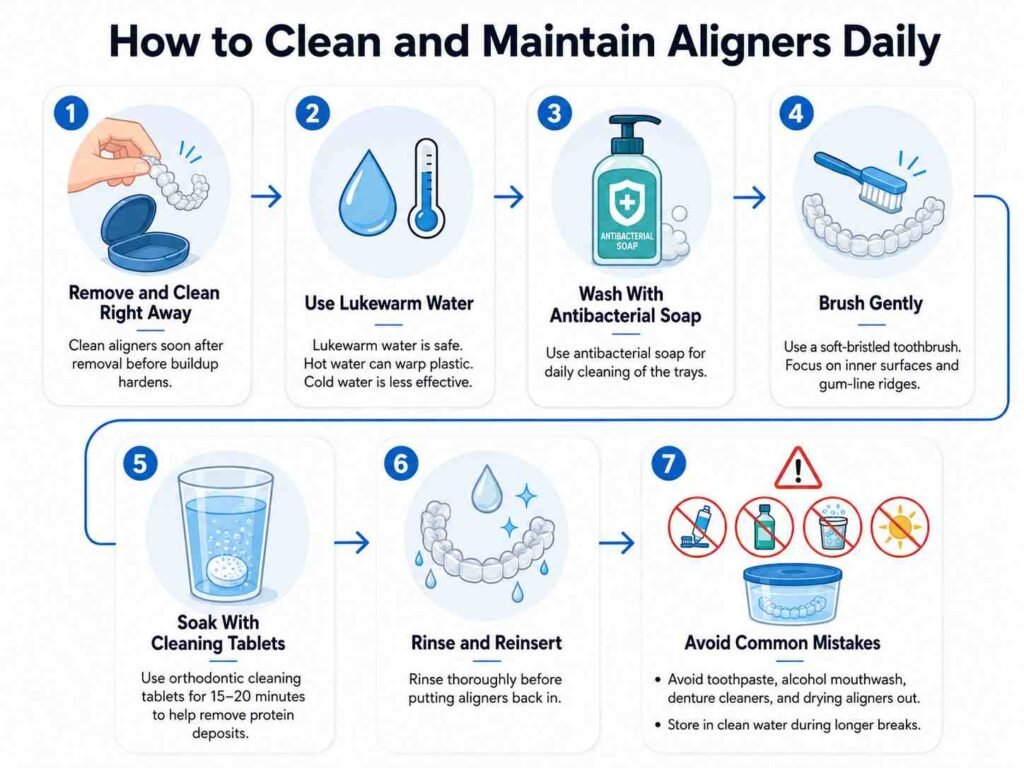
- Lukewarm water and antibacterial soap form the foundation of effective daily cleaning. Hot water warps the plastic permanently, while cold water fails to break down bacterial films. Gently brush the aligners with a soft-bristled toothbrush t, he same one you use for your teeth w, works perfectly. Focus on the inner surfaces where saliva proteins accumulate and the ridged areas that contact your gum line.
- Specialized cleaning tablets designed for orthodontic appliances offer the most thorough bacterial elimination. Products containing persulfate compounds break down protein deposits that soap alone cannot remove. Soak aligners for 15-20 minutes while you eat breakfast, then rinse thoroughly before reinserting. This routine prevents the cloudy discoloration that makes clear aligners obvious.
- Avoid common cleaning mistakes that damage aligner integrity. Toothpaste contains abrasive particles that create micro-scratches, harboring bacteria and reducing transparency. Mouthwash with alcohol content can weaken plastic bonds over time. Denture cleaners, while seemingly appropriate, often contain bleaching agents that cause permanent cloudiness in aligner materials.
The timing of cleaning matters as much as the method. Clean aligners immediately after removal, before bacterial films harden into stubborn deposits. During longer meal breaks, store aligners in clean water rather than letting them dry out, as dehydrated biofilms become exponentially harder to remove and can permanently stain the plastic.
How Should You Manage Aligners During Eating and Sleeping?
Aligner Care Practices for Meals and Snacks
Removing aligners before eating isn’t just about preventing damage; it’s about maintaining the precise fit that drives tooth movement. Food particles trapped between aligners and teeth create pressure points that can slow or redirect movement, while sugary residues fuel bacterial growth that leads to decay underneath the trays.
- 20The -minute rule guides safe eating practices: remove aligners, eat within 20 minutes, clean your teeth, and reinsert. This timeframe prevents prolonged exposure to oral bacteria while maintaining the 20-22 hours of daily wear essential for treatment progress. For quick snacks, plain water rinses suffice before reinsertion, but meals require thorough brushing and flossing.
- Hot beverages present hidden risks beyond obvious temperature damage. Coffee, tea, and hot chocolate contain tannins that penetrate aligner plastic, causing permanent brown staining. Even lukewarm colored drinks can discolor aligners over time. Clear, room-temperature beverages, such as water and plain sparkling water, represent the only truly safe options for drinking while wearing aligners.
- Emergency situations require practical compromises. When proper cleaning isn’t possible, rinse aligners and your mouth thoroughly with water, reinsert the aligners, and commit to proper cleaning at the earliest opportunity. Brief compromises in care beat extended periods without aligner wear, which can reverse treatment progress within hours.
Aligner Care While Sleeping and Physical Activity
- Nighttime wear accounts for 8-10 hours of your required 20-22 daily hours, making sleep-time care crucial for treatment success. Saliva production decreases during sleep, allowing bacterial concentrations to spike around aligners. Pre-sleep cleaning becomes essential: brush and floss thoroughly, then clean aligners with antibacterial soap before bed.
- Athletic activities test aligner durability through jaw clenching, impact risk, and excessive salivation. Contact sports require removing aligners and using a traditional protective mouthguard no aligner material withstands direct impact forces. For non-contact activities like running or weightlifting, aligners typically stay secure, but increased mouth breathing can dehydrate the plastic, making post-workout cleaning more challenging.
- Teeth grinding (bruxism) can destroy aligners overnight. If you wake with jaw soreness or notice aligner damage patterns, discuss protective options with your orthodontist. Some patients require temporary night guards over aligners, while others need specialized aligner materials designed for bruxism management.
How to Recognize and Prevent Damage to Aligners
- Visible damage signals appear long before aligners fail completely, giving you time to address problems before they derail treatment. Hairline cracks along the gum line indicate stress fractures from improper removal technique or grinding forces. White stress marks near attachment points suggest the aligner is losing its grip on specific teeth, a sign that tooth movement may be stalling.
- Cloudiness and discoloration reflect both cosmetic and functional problems. Bacterial biofilms create a hazy appearance that progressively worsens without proper cleaning. Chemical damage from harsh cleaners or hot liquids causes permanent opacity. More critically, surface roughness from either cause accelerates bacterial accumulation, creating a cycle of worsening hygiene and treatment complications.
- Fit changes often precede visible damage. Aligners that feel loose may indicate plastic fatigue or inadequate tooth movement progress. Conversely, aligners that suddenly feel tight might signal unplanned tooth movement or aligner warping. Either situation requires professional evaluation; continuing with compromised aligners can reverse months of progress.
- Prevention strategies focus on gentle handling and consistent care routines. Remove aligners by lifting them off your back molars first, never pulling from the front teeth where the plastic is thinnest. Store aligners in their protective case immediately after removal, even for brief periods on countertops or in pockets, as this exposes them to damage and bacterial contamination.
- Temperature management prevents the most common form of irreversible damage. Car interiors, dishwashers, and hot beverages can warp aligners beyond repair within minutes. Even warm tap water for cleaning should be tested on your wrist first. Once warped, aligners cannot be restored; replacement becomes necessary, potentially delaying treatment progression.
The cumulative effect of minor damage creates major problems over time. Small cracks propagate under chewing forces, surface scratches harbor increasingly resistant bacteria, and loose fits allow uncontrolled tooth movement. Addressing minor issues immediately prevents the cascade of problems that can extend treatment timelines and increase costs significantly.
What Are the Best Practices for Storing and Handling Aligners?
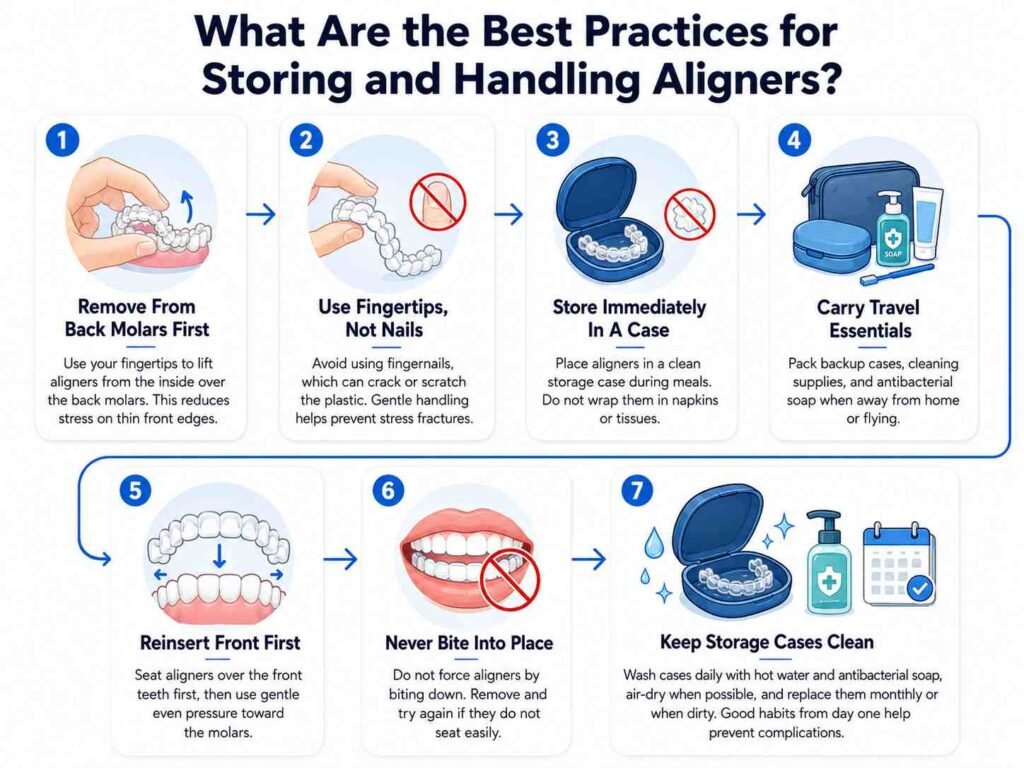
- Proper removal technique prevents the stress fractures that shorten the lifespan of the aligner. Using your fingertips, never fingernails, lift the aligner from the inside surface over your back molars, working forward toward the front teeth. This distributes removal forces across the strongest part of the aligner rather than concentrating stress on the thin front edges where most cracks begin.
- Immediate storage protocols protect aligners during meal times and prevent the costly losses that delay treatment. Every aligner set should have a designated storage case that travels with you. Wrapping aligners in napkins or tissues guarantees they’ll be thrown away accidentally, a mistake that can cost hundreds of dollars and set back treatment by weeks while replacements are manufactured.
- Travel considerations require additional planning to maintain care routines away from home. Pack backup cleaning supplies, extra storage cases, and a small bottle of antibacterial soap. Long flights present particular challenges due to limited water access and dry cabin air that can dehydrate aligner plastic. Pre-flight cleaning and immediate post-landing care help maintain aligner integrity during extended travel days.
- Reinsertion best practices ensure that aligners seat properly without damaging teeth or plastic. Insert over your front teeth first, then use gentle, even pressure to work the aligner back over your molars. Biting aligners into place concentrates forces that can crack the plastic or damage your teeth. If an aligner won’t seat easily, remove it completely and try again rather than forcing it into position.
- Hygiene during storage prevents bacterial growth that compromises both aligner cleanliness and oral health. Rinse storage cases daily with hot water and antibacterial soap, allowing them to air dry when possible. Replace cases monthly or whenever they develop odors or visible buildup. Even brief storage in dirty cases can recontaminate freshly cleaned aligners.
The handling habits you develop in your first week of treatment become automatic behaviors that either protect or damage your aligners throughout the entire process. Patients who establish careful routines from day one experience fewer complications, require fewer replacement aligners, and typically complete treatment faster than those who develop sloppy habits early on.
What Are Common Mistakes and Expert Tips for Aligner Care?
- The biggest patient error involves inconsistent wear schedules that compromise treatment effectiveness. Removing aligners “just for a few hours” for social events or comfort breaks doesn’t pause tooth movement; it allows teeth to shift backward, requiring additional time to regain lost progress. Orthodontists report that patients who maintain strict 22-hour wear schedules complete treatment 20-30% faster than those with irregular compliance.
- Cleaning product confusion leads to well-intentioned damage. Many patients assume stronger cleaning agents work better, leading them to use bleach, hydrogen peroxide, or abrasive toothpastes that permanently damage aligner materials. The gentlest effective cleaning method always proves superior to harsh chemicals that create surface roughness and bacterial harboring sites.
- Attachment care negligence represents another frequent oversight. The small composite buttons bonded to teeth require the same careful cleaning as aligners themselves. Food debris and plaque around attachments can prevent proper aligner seating, while bacterial buildup can cause permanent staining or decay. Orthodontists emphasize that attachment hygiene directly impacts both treatment success and oral health outcomes.
- Professional monitoring catches developing problems before they become costly failures. Regular progress appointments aren’t just about receiving new aligners t; they’re opportunities for your orthodontist to assess aligner fit, attachment condition, and overall treatment trajectory. Patients who skip appointments or delay addressing concerns typically experience more complications and longer treatment times.
- Consider incorporating clear aligners in Colonia into a comprehensive approach that includes professional guidance on proper care techniques. Expert oversight helps patients avoid the common pitfalls that can derail treatment progress and ensures that daily maintenance routines support rather than hinder successful outcomes.
- Advanced care strategies from experienced practitioners focus on personalization rather than generic rules. Patients with heavy coffee consumption might need more frequent cleaning tablet use, while those with active lifestyles may require specialized storage solutions. Working with your orthodontic team to customize care protocols based on your specific lifestyle and risk factors produces better outcomes than following generic guidelines alone.
The difference between successful and problematic aligner treatment often comes down to seemingly minor daily decisions, such as how you handle them, what you clean them with, and where you place them during meals. Patients who master these fundamentals early in treatment set themselves up for smoother progress, fewer complications, and faster completion times. The small investment in proper care habits pays dividends throughout the entire treatment process.
Final Conclusion
Taking care of clear aligners is not complicated, but it does need consistency. Clean aligners daily, remove them before eating or drinking anything except water, store them safely in their case, and avoid heat, harsh chemicals, and careless handling. These small habits help keep aligners clear, comfortable, hygienic, and properly fitted.
Successful Invisalign or clear aligner treatment depends on both professional planning and patient cooperation. If an aligner cracks, feels loose, stops fitting properly, causes unusual pain, or becomes badly stained or warped, patients should contact their dentist or orthodontist instead of trying to fix the problem themselves. With good daily care and regular dental checks, aligners are more likely to stay on track and support a smoother treatment result.
Medical Disclaimer
This article is for general educational information only and should not be used as a substitute for professional dental or orthodontic advice. Clear aligner care instructions may vary depending on the patient’s treatment plan, aligner brand, oral health, attachments, bite issues, or history of teeth grinding. Always follow the instructions given by your dentist or orthodontist. Seek professional help if you notice severe pain, swelling, bleeding gums, damaged aligners, a poor fit, bad taste, signs of infection, or unexpected tooth movement.
References
- Charavet C, Gourdain Z, Graveline L, Lupi L. Cleaning and Disinfection Protocols for Clear Orthodontic Aligners: A Systematic Review. Healthcare. 2022;10(2):340. Published February 10, 2022. DOI: 10.3390/healthcare10020340. PMID: 35206954.
- Pardo A, Signoriello A, Zangani A, Messina E, Gheza S, Faccioni P, Albanese M, Lombardo G. Home Biofilm Management in Orthodontic Aligners: A Systematic Review. Dentistry Journal. 2024;12(10):335. Published October 21, 2024. DOI: 10.3390/dj12100335. PMID: 39452463.
- Rouzi M, Jiang Q, Zhang H, Li X, Long H, Lai W. Characteristics of Oral Microbiota and Oral Health in the Patients Treated with Clear Aligners: A Prospective Study. Clinical Oral Investigations. 2023;27(11):6725–6734. Published online September 29, 2023. DOI: 10.1007/s00784-023-05281-y. PMID: 37775585.
- Timm LH, Farrag G, Baxmann M, Schwendicke F. Factors Influencing Patient Compliance during Clear Aligner Therapy: A Retrospective Cohort Study. Journal of Clinical Medicine. 2021;10(14):3103. Published July 14, 2021. DOI: 10.3390/jcm10143103. PMID: 34300269.
- Robertson L, Kaur H, Fagundes NCF, Romanyk D, Major P, Flores Mir C. Effectiveness of Clear Aligner Therapy for Orthodontic Treatment: A Systematic Review. Orthodontics & Craniofacial Research. 2020;23(2):133–142. Published online November 13, 2019. DOI: 10.1111/ocr.12353. PMID: 31651082.
- Rossini G, Parrini S, Castroflorio T, Deregibus A, Debernardi CL. Efficacy of Clear Aligners in Controlling Orthodontic Tooth Movement: A Systematic Review. The Angle Orthodontist. 2015;85(5):881–889. DOI: 10.2319/061614-436.1.