

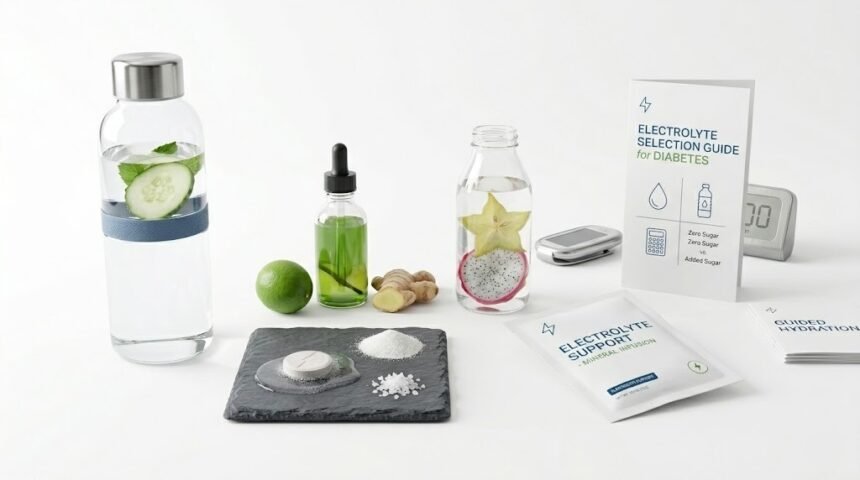
Hydration matters for everyone, but people with diabetes often need to be more mindful about what they drink. Blood sugar levels, frequent urination, heat, exercise, and illness can all affect fluid balance. When the body loses more fluid than usual, it can leave you feeling tired, thirsty, lightheaded, or weak.
Electrolyte drinks can be helpful in some situations, especially when sweating, illness, or long days outdoors increase fluid loss. However, not every drink labeled “hydration,” “sports,” or “wellness” is a good fit for someone managing blood sugar. Some options contain added sugar, fruit juice, syrups, or more carbohydrates than expected.
Choosing diabetes-friendly electrolyte drinks comes down to reading labels carefully, understanding when electrolytes may be useful, and choosing products that support hydration without adding unnecessary sugar or carbs.
Why Hydration Matters When You Have Diabetes
Water is still the foundation of hydration. It has no sugar, calories, or carbohydrates, which makes it a simple everyday choice for many people with diabetes.
Hydration becomes especially important when blood sugar is running high. In some cases, high blood sugar can increase urination, which may lead to extra fluid loss. Heat, sweating, workouts, vomiting, diarrhea, travel, and low appetite during illness can also increase hydration needs.
Good hydration habits can support overall comfort and daily energy. On the other hand, sugary drinks can make hydration more complicated because they may add fast-digesting carbohydrates that affect blood sugar goals.
That does not mean every flavored or electrolyte drink is off-limits. It means people with diabetes should be more selective and check what is actually inside the bottle, packet, tablet, or dropper.
What Electrolytes Do in the Body
Electrolytes are minerals that help the body manage fluid balance, muscle function, nerve signals, and other normal body processes. They are lost through sweat, urine, vomiting, and diarrhea.
Common electrolytes include:
- Sodium
- Potassium
- Magnesium
- Calcium
- Chloride
Most people get electrolytes through food and fluids. However, needs can vary depending on activity level, sweating, diet, illness, and certain medical conditions.
Electrolyte drinks are designed to replace some of these minerals while helping with hydration. For people with diabetes, the goal is to choose an option that supports fluid balance without adding a high sugar or carbohydrate load.
What Makes an Electrolyte Drink Diabetes-Friendly?
A diabetes-friendly electrolyte drink should support hydration without adding unnecessary sugar or a large carb load. Look for options with little to no added sugar, clear electrolyte amounts, and ingredients that fit your personal blood sugar goals. For readers comparing product types, this guide to the best electrolytes for diabetes can help explain what to look for before choosing an everyday hydration option.
The front label is not enough. Words like “natural,” “light,” “healthy,” or “sports hydration” do not always mean the drink is low in sugar or appropriate for diabetes management.
When comparing diabetes-friendly electrolyte drinks, check for:
- Little to no added sugar
- Low total carbohydrates
- A clear serving size
- Transparent sodium, potassium, and magnesium amounts
- No unnecessary juice concentrates or syrups
- Ingredients that fit your blood sugar goals
- No hidden energy-style stimulants if you are sensitive to caffeine
The best choice depends on your health status, activity level, taste preference, and how the drink fits into your overall diabetes care plan.
When Electrolyte Drinks May Be Helpful
People with diabetes do not always need electrolyte drinks every day. In many cases, water is enough for normal daily hydration. Electrolyte drinks may be more useful when fluid or mineral loss is higher than usual.
They may help during:
- Hot weather
- Heavy sweating
- Exercise or long walks
- Vomiting or diarrhea
- Low appetite during illness
- Travel days
- Long days outside
- Times when water alone does not feel like enough
It is important to keep expectations realistic. Electrolyte drinks are a hydration support option. They do not treat diabetes, lower blood sugar, or replace medical care.
When Water May Be Enough
Plain water is often the best everyday hydration drink for people with diabetes because it contains no sugar, calories, or carbs. For light activity, desk work, short errands, or normal daily routines, water may be all you need.
Using electrolyte drinks out of habit can sometimes add unnecessary sodium, sweeteners, flavors, or extra ingredients. This matters more for people who need to watch blood pressure, kidney health, or total sodium intake.
A practical approach is to use electrolyte drinks based on need. If you are sweating heavily, recovering from illness, or spending a long day in the heat, electrolytes may make sense. If you are sipping fluids throughout a normal day, water may be the better first choice.
Ingredients to Check Before Buying
Label reading is one of the most useful habits when choosing electrolyte drinks for people with diabetes. Two drinks can look similar on the shelf but have very different sugar, carb, sodium, and ingredient profiles.
Added Sugar and Total Carbs
Check both added sugar and total carbohydrates. A drink may seem healthy but still contain cane sugar, honey, glucose, fruit juice, syrups, or juice concentrates.
For blood sugar management, total carbs matter because they show how much carbohydrate the drink contributes per serving. A low-sugar electrolyte drink may still contain carbs from other ingredients, so read the full nutrition panel.
Serving Size
Some bottles contain more than one serving. If you drink the whole bottle, you may consume more sugar, carbs, sodium, or calories than the label first suggests.
Always check whether the nutrition facts apply to one serving or the full container.
Sodium and Potassium
Sodium and potassium are common in electrolyte drinks. These minerals can be useful when fluid loss is higher, but they are not ideal in every situation.
People with kidney disease, heart disease, high blood pressure, or those taking medications that affect sodium or potassium should speak with a healthcare professional before using electrolyte drinks regularly.
Sweeteners
Sugar-free electrolytes can be helpful for reducing added sugar, but sugar-free does not automatically mean perfect for everyone. Some people tolerate non-sugar sweeteners well. Others may prefer unsweetened options, lightly flavored drinks, or electrolyte drops that can be added to water.
The best choice is the one that fits your taste, digestion, and blood sugar goals.
Caffeine or Stimulants
Some hydration drinks are closer to energy drinks. They may include caffeine, green tea extract, guarana, or other stimulants.
These ingredients may not be ideal for everyone, especially people who are sensitive to caffeine, have sleep issues, or are managing heart rate or blood pressure concerns.
Drinks People With Diabetes May Want to Limit
Some drinks can provide fluid but may also add a lot of sugar or carbs. These are not necessarily “forbidden,” but they should be checked carefully and used with awareness.
People with diabetes may want to limit or compare labels on:
- Regular sports drinks
- Soda
- Fruit juice
- Sweetened vitamin waters
- Sweetened iced teas
- Energy drinks
- High-carb bottled smoothies
- Hydration drinks with syrups or juice concentrates
The issue is not only hydration. It is whether the drink supports hydration while also fitting blood sugar goals.
Diabetes-Friendly Electrolyte Drink Options
There are several types of diabetes hydration drinks to consider. The right option depends on your needs and health situation.
- Zero-sugar electrolyte drops can be added to water and may be useful for people who want more control over flavor and serving size.
- Low-sugar electrolyte powders may work well for exercise, hot days, or travel, but labels vary widely.
- Electrolyte tablets are convenient, especially for people who want portable hydration support.
- Unsweetened mineral water can offer a simple option for people who prefer no sugar and no added flavors.
- Broth or low-sugar savory fluids may be helpful when appetite is low, though sodium should be considered.
- Plain water with electrolyte-rich foods may be enough for many people. Foods such as leafy greens, yogurt, nuts, seeds, and certain fruits can contribute minerals, depending on the person’s meal plan.
The best option is not always the most expensive or heavily marketed one. It is the one that fits your body, your routine, your medical needs, and your blood sugar goals.
Safety Tips Before Adding Electrolytes Daily
Electrolyte drinks are not automatically safe for everyone just because they are sugar-free. Some people need to be more careful with sodium, potassium, or magnesium.
Speak with a healthcare professional before using electrolyte drinks regularly if you:
- Have kidney disease
- Have high blood pressure
- Have heart disease
- Take diuretics
- Take ACE inhibitors or ARBs
- Use medications that affect fluid or mineral balance
- Have frequent vomiting, diarrhea, dizziness, or signs of dehydration
- Are unsure how electrolyte drinks fit into your diabetes care plan
This is especially important if you plan to use electrolyte drinks daily rather than occasionally.
FAQs
Can people with diabetes drink electrolyte drinks?
- Yes, but they should choose carefully. Low-sugar or sugar-free options are usually better than regular sports drinks, but individual needs vary.
Do electrolyte drinks raise blood sugar?
- They can if they contain sugar, juice, syrups, or a high amount of carbohydrates. Sugar-free electrolyte drinks are less likely to raise blood sugar, but it is still important to check the label.
Should people with diabetes drink electrolytes every day?
- Not always. Many people can hydrate with water most of the time. Electrolyte drinks may be more useful during sweating, illness, heat, travel, or higher fluid loss.
What is the safest hydration drink for diabetes?
- Plain water is usually the safest everyday choice because it has no sugar, calories, or carbohydrates. Electrolyte drinks may help in certain situations if they are low in sugar and appropriate for the person’s health needs.
What should people with diabetes avoid in electrolyte drinks?
- They may want to avoid high added sugar, high total carbs, juice concentrates, syrups, unclear serving sizes, and ingredients that do not fit their health needs.
Closing Conclusion
Choosing diabetes-friendly electrolyte drinks starts with the label. Look at added sugar, total carbs, serving size, electrolyte amounts, sweeteners, and extra ingredients before deciding whether a product fits your routine.
Water should still be the foundation of daily hydration for many people with diabetes. Electrolyte drinks may be useful during heat, sweating, exercise, illness, travel, or times when fluid loss is higher than usual.
A practical next step is to compare the labels on your current hydration products. Choose options that support your hydration needs without adding unnecessary sugar or carbohydrates, and speak with a healthcare professional if you have kidney disease, heart disease, high blood pressure, or take medications that affect sodium or potassium.
References
- American Diabetes Association. (2024). Standards of Care in Diabetes—2024. Diabetes Care, 47(Suppl. 1), S1–S350. https://doi.org/10.2337/dc24-S001
- Popkin, B. M., D’Anci, K. E., & Rosenberg, I. H. (2010). Water, hydration, and health. Nutrition Reviews, 68(8), 439–458. https://doi.org/10.1111/j.1753-4887.2010.00304.x
- Sawka, M. N., Burke, L. M., Eichner, E. R., et al. (2007). Exercise and fluid replacement. Medicine & Science in Sports & Exercise, 39(2), 377–390. https://doi.org/10.1249/mss.0b013e31802ca597
- Palmer, B. F., & Clegg, D. J. (2015). Electrolyte and acid–base disturbances in patients with diabetes mellitus. New England Journal of Medicine, 373(6), 548–559. https://doi.org/10.1056/NEJMra1503102
- World Health Organization. (2015). Guideline: Sugars intake for adults and children. WHO Press. https://doi.org/10.13140/RG.2.1.1210.4167
- Malik, V. S., Popkin, B. M., Bray, G. A., et al. (2010). Sugar-sweetened beverages and risk of metabolic syndrome and type 2 diabetes. Diabetes Care, 33(11), 2477–2483. https://doi.org/10.2337/dc10-1079
- Maughan, R. J., & Shirreffs, S. M. (2010). Development of hydration strategies to optimize performance for athletes in high-intensity sports. Scandinavian Journal of Medicine & Science in Sports, 20(Suppl. 2), 59–69. https://doi.org/10.1111/j.1600-0838.2010.01219.x
- Stookey, J. D., Kavouras, S. A., Suh, H., et al. (2020). Underhydration is associated with obesity, chronic diseases, and mortality. Nutrients, 12(6), 1742. https://doi.org/10.3390/nu12061742
- Institute of Medicine. (2005). Dietary Reference Intakes for Water, Potassium, Sodium, Chloride, and Sulfate. National Academies Press. https://doi.org/10.17226/10925
- EFSA Panel on Dietetic Products, Nutrition, and Allergies. (2010). Scientific opinion on dietary reference values for water. EFSA Journal, 8(3), 1459. https://doi.org/10.2903/j.efsa.2010.1459