

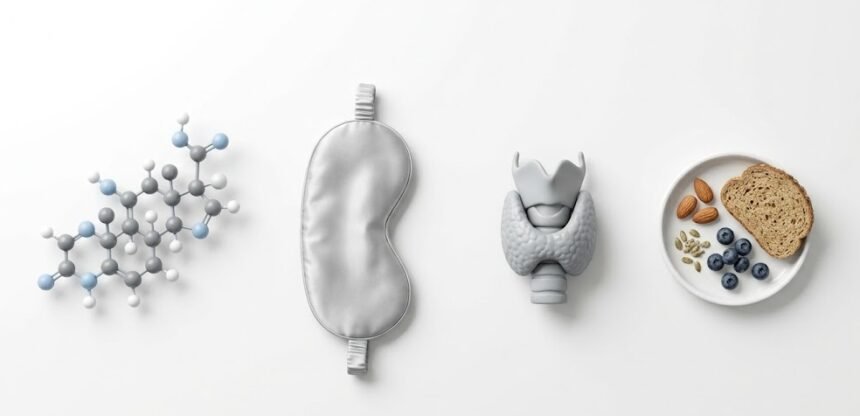
Hormones are essential to the regulation of many functions in the body, such as metabolism and energy level, mood (because hormones affect the brain), sleep cycle (due to melatonin), reproductive health (in women and men), sexual function, and the overall well-being of your physical body. When hormone levels fluctuate, even marginal changes can have cascading impacts involving systems throughout the body. Hormonal changes are usually quite gradual in their development, causing many to shrug off the symptoms as simply a result of stress, age, or fatigue rather than questioning if these can correlate with an underlying health concern.
Hormonal imbalances for both men and women can occur at various times in life. Normal hormonal fluctuations occur, but persistent imbalances can disrupt the ability to function daily, compromise emotions or physical comfort, and increase risks for long-term wellness issues. Prompt recognition of symptoms followed by a professional medical assessment allows the patient to be treated early and before the effects on quality of life become detrimental.
With the increasing awareness of hormone health, clinicians and healthcare providers are paying more attention to education of patients on preventive practices and personalized care focused on hormonal balance rather than simply masking hormonal imbalances temporarily.
What Causes Hormonal Imbalances?

Hormones are produced by the glands within the endocrine system, and they act as chemical messengers. These hormones move throughout the bloodstream to control processes including growth, metabolism, appetite, reproductive function, stress response, and sleep cycles.
Hormones are present in the body in various parts via the endocrine system (gland), and when our glands produce more or less hormones, it causes a hormonal imbalance. Hormones balance one another in the body, which means that even small shifts can result in symptoms.
Many factors are responsible for hormonal dysregulation. Menopause, perimenopause, and age-related testosterone decline are some of the most common causes of aging. It can strongly influence hormone production as raised levels of cortisol may disturb the balance of other hormones.
Other factors involve thyroid conditions, metabolic diseases, malnutrition, overweight or obesity, sleep deprivation, some medicines or drugs, and other situations that contribute to illness at a younger stage (like diabetes), along with the underlying endocrine diseases. Lastly, steroid hormones may interact with lifestyle habits and environmental factors to influence longer-term hormonal regulation over months or years.
Hormones influence nearly all systems of the body, so symptoms can vary widely among individuals and may not always seem related to hormones.
Common Symptoms Patients Often Overlook
The problems with identifying hormonal deficiencies are that they often manifest themselves slowly and mimic common day-to-day issues. Fatigue is one of the most commonly reported symptoms. People with a hormonal imbalance experience fatigue even after sleeping well.
Mood swings also happen frequently. Sometimes anxiety and irritability, low motivation, and increased mood swings may occur due to delicate hormone levels rather than just emotional or psychological state. Hormones help control the sleep cycle and how quickly we recover, so symptoms with these signs also often come along with altered sleep.
Weight fluctuations can also indicate hormonal disruption. Others will find that they gain weight without doing anything different, cannot shift weight, or otherwise experience changes in appetite with no apparent change in eating pattern. An imbalance in hormones, too, can affect metabolism and the efficient regulation of blood sugar in the body.
Women may notice changes in their menstrual cycles to be more irregular, hot flashes during menopause, reduced sex drive, or a higher tolerance for discomfort during menopausal transitions. Men may suffer from lower energy, reduced muscle mass, low motivation, and poor sexual health due to falling testosterone levels.
Physical: Across-the-board hair loss, dry skin, headaches, brain fog, and muscle weakness/sensitivity to temperature. Since many of these symptoms develop slowly, people often take them as part of life and do not seek an evaluation by a doctor.
How Hormones Are Connected to Wellness
Hormonal health helps with so much more than just reproduction. Hormones impact cardiovascular health, metabolism, immune system activity, cognition, and mood. Multiple domains of wellness may be positively affected simultaneously when your hormones go out.
A good example would be energy production, which has many hormones involved in its regulation. Thyroid hormones regulate metabolism, while cortisol regulates stress responses and recovery. Chronic fatigue and low physical performance may be seen due to disruptions in these systems.
Hormones affect circulation and vascular health as well. Some hormones that fluctuate may impact how blood vessels work or change inflammation and fluid retention, which can lead to other symptoms like swelling, leg pain, or circulation-related issues.
Hormone levels also affect mental clarity and emotional stability. Hormonal imbalances can also have an impact on neurotransmitters responsible for mood, focus, and cognitive function. This is why hormone fluctuations can cause some people to have memory issues, distractedness, or emotional instability.
Learning the more global importance of hormones will allow patients to understand that chronic symptoms shouldn’t just be written off as normal aging or a passing stressor.
Significance of Early Diagnosis and Tailored Care
An early diagnosis is vital, as untreated hormonal imbalances can have a slow but progressive impact on long-term health. If the underlying hormonal dysfunction is not corrected, persistent symptoms can affect sleep quality, cardiovascular health, bone health, metabolic health, and emotional well-being.
Fortunately, nowadays healthcare providers are gradually starting to favour patient-centred care with a more comprehensive assessment and tailored treatment plans. Tests on blood, symptom assessment, and medical history reviews allow physicians to discover hormonal dysregulations, which then can lead to proper treatments.
Many patients seeking care, including those focused on wellness, find it important to learn more about effectively delivering hormone therapy in Glendale for Vein Medicine to support hormonal equilibrium and improved overall well-being. Individualised care programmes include hormone replacement therapy, dietary changes, exercise advice, stress reduction methods, and continued group supervision as a form of support for long-term health.
The desire is less to relieve symptoms but rather to enable patients to regain vigor, stability, and balance both physically and emotionally through modern hormonal healthcare.
How Lifestyle Factors Impact Hormonal Health

Hormone Homeostasis is a Large Portion of Lifestyle Health. Chronic stress, insufficient sleep, an inactive lifestyle, and unhealthy dietary habits can also disrupt hormonal balance.
Sleep is particularly vital as numerous hormones function in the body’s recovery cycle. Poor quality of sleep can disrupt cortisol, insulin, melatonin, and growth hormone levels, leading to fatigue and contributing to metabolic issues.
Hormonal regulation is also directly influenced by nutritional intake. Eating more highly processed carbohydrate foods, sugar, and unhealthy serums may create an imbalance between high and metabolic health, which can be a result of inflammatory reactions. A balanced diet that includes protein sources, healthy fats, fiber, and a variety of vitamins and minerals can support the production of stable hormone levels.
Exercise in good opinion helps increase blood circulation, regulate stress, enhance metabolism, and naturally release hormones. Some stress-busting methods, such as mindfulness or meditation and muscle relaxation methods, may also help minimize cortisol-induced hormonal impairment.
For early discovery of hormonal issues and ongoing well-being, preventive healthcare and routine medical evaluations could still be crucial.
Conclusion
Hormonal effects can extend to all facets of physical and emotional health. Still, because the symptoms are often unrecognized (or dismissed as part of aging or day-to-day stress), they are rarely treated. Potential signs of hormonal dysfunction that would be best to discuss with a qualified healthcare practitioner include fatigue, mood changes, weight fluctuations, sleep disturbances, and/or reduced cognitive clarity.
Nowadays, health will be evolving with more understanding, utilizing customizable as well as patient-focused approaches regarding hormonal wellness. With early diagnosis and preventative care, timely determination of targeted treatment strategies enables stabilisation or recovery toward a state of balance that preserves energy levels and overall quality of life.
Knowing the signs of a hormonal imbalance and addressing each issue by talking to their physician about medical examination when they are worried will also help patients make wiser choices in terms of long-term health effects, whether it be physically, emotionally, or mentally, on a daily basis.
References
- Santoro N, Epperson CN, Mathews SB. Menopausal Symptoms and Their Management. Endocrinol Metab Clin North Am. 2015;44(3):497-515. DOI: 10.1016/j.ecl.2015.05.001
- Fliers E, Bianco AC, Langouche L, Boelen A. Thyroid function in critically ill patients. Lancet Diabetes Endocrinol. 2015;3(10):816-825. DOI: 10.1016/S2213-8587(15)00225-9
- Traish AM, Haider A, Doros G, Saad F. Long-term testosterone therapy in elderly men with hypogonadism and erectile dysfunction reduces obesity parameters and improves metabolic syndrome and health-related quality of life. J Sex Med. 2014;11(6):1567-1576. DOI: 10.1111/jsm.12523
- McEwen BS. Protective and damaging effects of stress mediators: central role of the brain. Dialogues Clin Neurosci. 2006;8(4):367-381. DOI: 10.31887/DCNS.2006.8.4/bmcewen
- Leproult R, Van Cauter E. Role of Sleep and Sleep Loss in Hormonal Release and Metabolism. Endocr Dev. 2010;17:11-21. DOI: 10.1159/000262524