

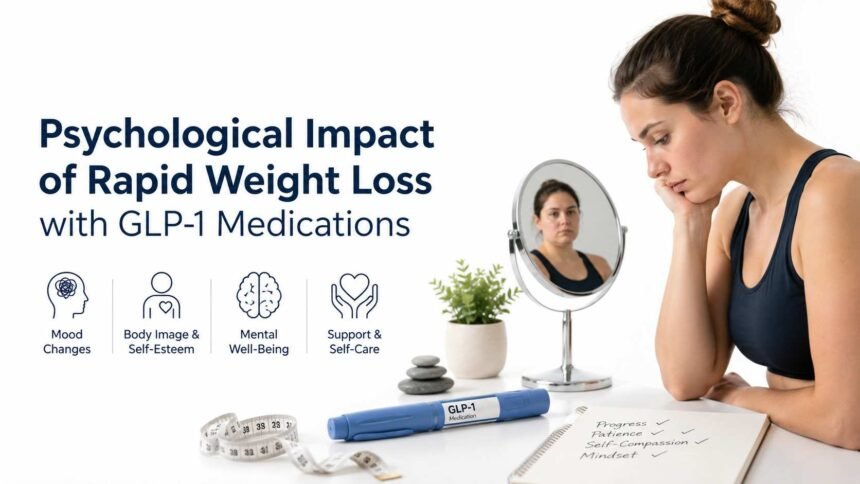
GLP 1 medications like Wegovy and Ozempic help individuals with significant weight loss. But it is often wondered what their impact is on mental health when the weight drops more quickly than expected.
It’s not just about smaller clothes or reaching a lower number on the weighing scale, but also about mental and emotional health shifts one experiences with it. Some individuals feel empowered with this change, while others at times feel lost.
In this blog, we look at the emotional ripple effect of rapid weight loss. From confidence boosts to identity confusion, we’re understanding what really goes on inside when the outside changes almost overnight.
GLP 1 Medications: What They Do and Why They Work
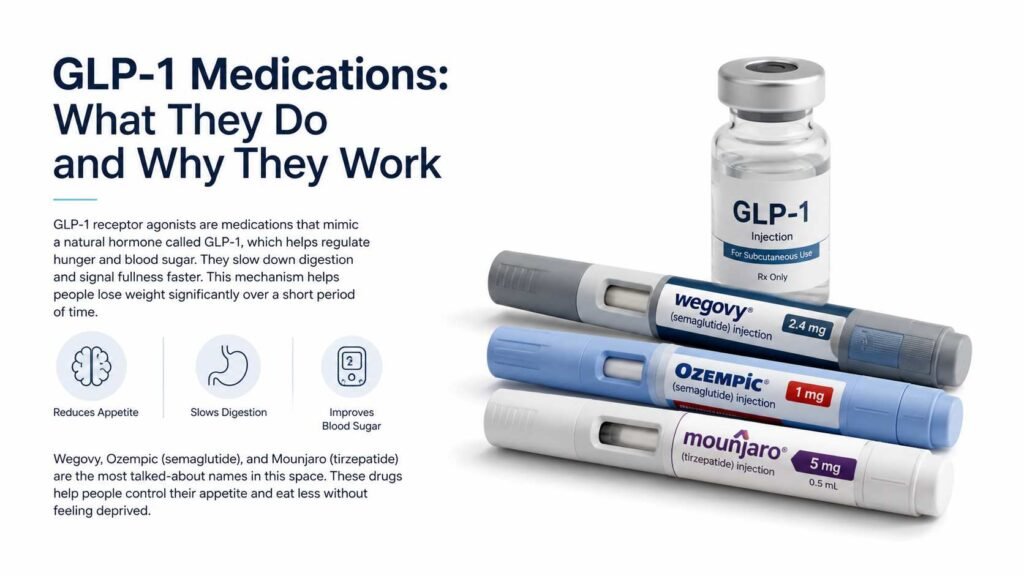
GLP-1 receptor agonists are medications that mimic a natural hormone called GLP-1, which helps regulate hunger and blood sugar. They slow down digestion and signal fullness faster. This mechanism helps people lose weight significantly over a short period of time.
Wegovy, Ozempic (semaglutide), and Mounjaro (tirzepatide) are the most talked-about names in this space. These drugs help people control their appetite and eat less without feeling deprived.
But when the body changes this quickly, the mind often scrambles to catch up.
Emotional Rollercoaster of Rapid Weight Loss
Rapid weight loss with GLP-1s like Ozempic for weight loss often starts with a rush of excitement. Clothes fit better, compliments roll in. But then come the unexpected shifts.
Some people feel disconnected from their old identity, while others struggle with the new attention they never asked for. Research shows that fast physical change can stir up emotional confusion.
It highlights how social feedback you receive can feel both validating and overwhelming. The body transforms quickly, but the mind takes its time to catch up. This gap is where the emotional rollercoaster happens.
Mental Health Gains: The Upside of Shedding Weight
Shedding weight with GLP-1s often brings more than a smaller waistline. People report feeling lighter emotionally, anxiety fades, and mood lifts. One patient shared that she finally felt like herself again after years of hiding.
Energy levels rise, sleep improves, and social confidence grows. Studies show that even small drops in weight can lead to big shifts in self-esteem. When movement gets easier, and mirrors feel less harsh, and the mental fog starts to clear. These gains are real and worth noticing.
Mental Health Risks: What Gets Triggered
Rapid weight loss can stir up more than celebration. Some people start chasing numbers on the scale like a scoreboard. Food becomes a game of control.
Studies show links to disordered eating and body dysmorphia. Social feedback can feel sharp, and comments can often shift from praise to Pressure. Sizeism creeps in, and assumptions follow.
A few patients report pulling back emotionally, unsure how to relate to others or themselves. The physical change is fast. The mental fallout can be quiet and slow. This is what makes it easy to miss.
Therapy and Support: What Helps During the Shift
Rapid weight loss can stir up old patterns and new emotions. This is where therapy helps. Psychologists and behavioral coaches help people stay grounded while their bodies change. CBT works well for food anxiety and body image stress.
Group support offers real conversations and shared wins with people experiencing a similar transformation. Regular mental health check-ins during treatment are not optional but a part of the plan.
When the scale moves fast, the mind needs space to catch up, and providing it that time and space is how you protect the progress.
Long-Term Psychological Impact: What Stays After the Weight Is Gone
After the weight drops, the Pressure to keep it off can feel heavier than the pounds lost. Some people live in fear of regain. Others wrestle with how their relationships shift when their body does. Identity realignment is real. You’re not who you were, but not sure who you are now.
Studies show that emotional resilience and self-worth built beyond appearance are what carry people forward. The scale stops moving, but the mental work keeps going. This is where long-term value lies.
Who’s Most Affected: Risk Factors to Watch

Some people feel the mental strain of rapid weight loss more than others. Those with a history of eating disorders or depression are especially vulnerable. Social media also adds fuel, turning progress into comparison.
Studies show that constant exposure to filtered bodies can distort self-image. Without therapy or a strong support system, emotional shifts can spiral. The weight may drop, but the Pressure rises. Knowing what makes you most at risk helps you take caution and keep the journey safe and grounded.
How to Use GLP 1s Without Losing Yourself
GLP 1s work best when paired with real habits. Move your body, eat with intention, and track your mood, not just your meals. If you notice emotional dips or obsessive thoughts, speak up early.
Therapy helps, and so does honest reflection. The goal isn’t just weight loss. It’s staying whole while your body changes. Use the medication as a tool, not a crutch. That’s how you protect your progress and keep your mental health in check.
Weight Loss Is Just One Part of the Story
GLP 1s can induce a significant change in your body weight and the way you look really fast, but minds move at their own pace. Weight loss and physical changes are just one part of the story. Your mental health deserves a seat at the table, too. If you’re starting this journey, make space for both physical and emotional care.
Signs You May Need Additional Emotional Support During GLP-1 Treatment
Not everyone experiences psychological side effects during rapid weight loss, but certain emotional changes should not be ignored. If someone begins feeling emotionally detached, overly anxious about food or body image, or constantly preoccupied with maintaining weight loss, it may be a sign that extra support is needed.
Mental health professionals recommend paying attention to changes such as:
- Obsessive calorie counting or fear of eating
- Increased social withdrawal
- Mood swings or depressive thoughts
- Anxiety around weight regain
- Difficulty recognizing or accepting physical changes
- Feeling Pressure from external validation or social media
Early emotional support can help individuals maintain a healthier relationship with food, body image, and long-term wellness while continuing treatment safely.
Common Psychological Effects of Rapid GLP-1 Weight Loss
| Psychological Effect | How It May Appear |
|---|---|
| Increased Confidence | Feeling more comfortable socially and physically |
| Identity Confusion | Difficulty adjusting to a rapidly changing appearance |
| Anxiety About Weight Regain | Fear of losing progress or returning to previous habits |
| Social Pressure | Increased attention, comments, or unrealistic expectations |
| Body Dysmorphia | Continued dissatisfaction despite visible progress |
| Emotional Vulnerability | Feeling emotionally overwhelmed during lifestyle adjustments |
| Improved Mood | Reduced emotional burden related to weight struggles |
| Food-Related Obsession | Over-focusing on calories, eating habits, or body size |
Final Thoughts
GLP-1 medications are changing the landscape of weight management, helping many people achieve results that once felt impossible. But rapid physical transformation can also bring emotional and psychological challenges that deserve equal attention.
Real success with medications like Wegovy, Ozempic, or Mounjaro is not only about losing weight. It is about maintaining emotional balance, preserving self-worth, and building sustainable habits that support long-term mental and physical health.
The healthiest outcomes happen when medical treatment, emotional support, healthy routines, and realistic expectations work together. Weight loss may change the body quickly, but lasting wellness still requires patience, self-awareness, and support along the way.
Disclaimer
This article is intended for educational and informational purposes only and should not be considered medical advice, diagnosis, or treatment recommendations. GLP-1 medications may affect individuals differently, and psychological responses to weight loss can vary significantly from person to person. Readers should consult a qualified healthcare provider, physician, or mental health professional before starting, changing, or stopping any medication or treatment plan. Any emotional distress, eating-related concerns, or mental health symptoms experienced during weight loss treatment should be discussed with a licensed medical professional promptly.
References
- Wilding JPH, Batterham RL, Calanna S, et al. Once-Weekly Semaglutide in Adults with Overweight or Obesity. N Engl J Med. 2021;384(11):989-1002. DOI: 10.1056/NEJMoa2032183
- Jastreboff AM, Aronne LJ, Ahmad NN, et al. Tirzepatide Once Weekly for the Treatment of Obesity. N Engl J Med. 2022;387(3):205-216. DOI: 10.1056/NEJMoa2206038
- Sarwer DB, Polonsky HM. The Psychosocial Burden of Obesity. Endocrinol Metab Clin North Am. 2016;45(3):677-688. DOI: 10.1016/j.ecl.2016.04.016
- Pearl RL, Puhl RM. Weight bias internalization and health: a systematic review. Obes Rev. 2018;19(8):1141-1163. DOI: 10.1111/obr. 12701
- Blaine B. Does depression cause obesity?: A meta-analysis of longitudinal studies of depression and weight control. J Health Psychol. 2008;13(8):1190-1197. DOI: 10.1177/1359105308095977
- Linardon J, Messer M, Rodgers RF, Fuller-Tyszkiewicz M. A systematic scoping review of research on COVID-19 impacts on eating disorders. Appetite. 2022;168:105738. DOI: 10.1016/j.appet.2021.105738