

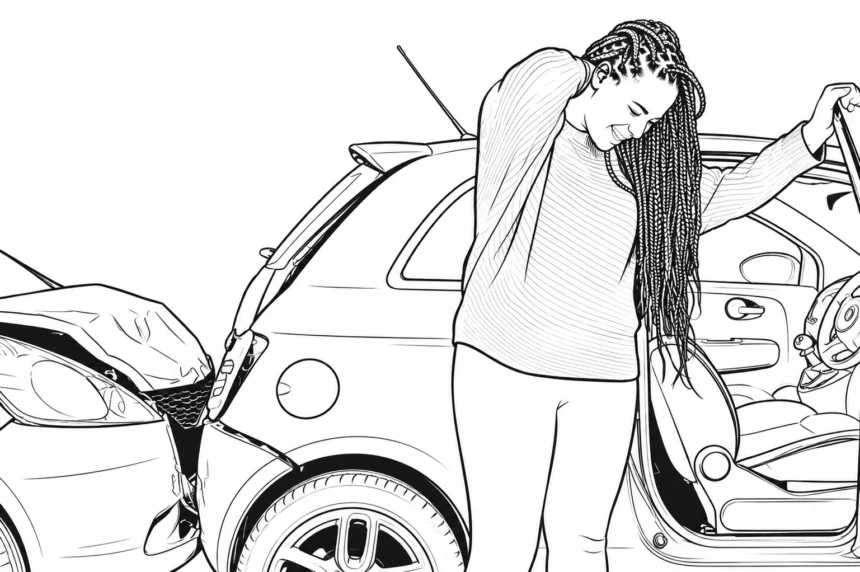
Car accidents can result in a wide range of injuries, but fractures are among the most common and impactful. Whether involving the arms, legs, ribs, or more complex areas like the spine or pelvis, fractures often require careful medical treatment and a structured recovery process. For many individuals, understanding what to expect during recovery can help reduce uncertainty and support better outcomes.
Recovery from fractures is not only about physical healing. It often involves rehabilitation, lifestyle adjustments, and, in some cases, financial and legal considerations. Knowing the stages of recovery and the challenges that may arise can help individuals prepare for the journey ahead.
Fractures After a Car Crash
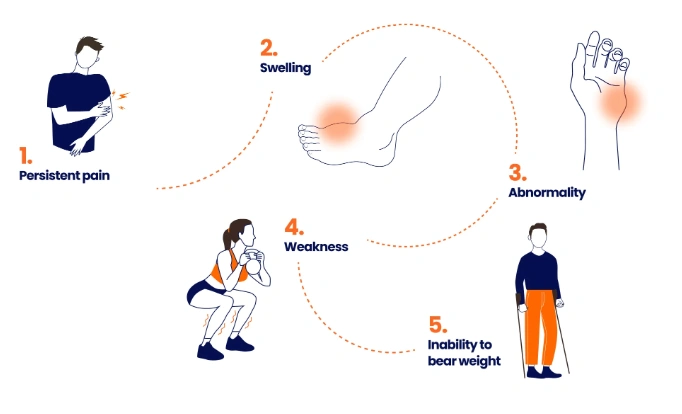
Fractures occur when a bone breaks due to force or trauma. In car accidents, the sudden impact can place significant stress on the body, leading to injuries ranging from simple fractures to more complex breaks.
Common fracture types seen in car accidents include:
- Simple fractures, where the bone breaks but does not pierce the skin
- Compound fractures, where the bone breaks through the skin
- Comminuted fractures, where the bone shatters into multiple pieces
- Stress fractures, which may develop over time due to repeated strain
The type and severity of the fracture influence both treatment and recovery time. More complex fractures typically require longer healing periods and may involve surgical intervention.
Initial Treatment and Stabilization
The first stage of recovery begins immediately after the accident. Medical professionals focus on stabilizing the injury and preventing further damage.
This may involve immobilizing the affected area using splints or casts. In more severe cases, surgery may be necessary to realign the bones and secure them with plates, screws, or rods. Prompt treatment is essential for proper healing and reducing the risk of complications.
Pain management is also an important part of early treatment. Doctors may prescribe medications or recommend other methods to help manage discomfort during the initial stages.
The Healing Process

Bone healing occurs in several stages. Understanding this process can help individuals recognize what is normal during recovery.
The first stage involves inflammation, where the body responds to the injury by increasing blood flow to the affected area. This helps begin the repair process. The next stage involves the formation of a soft callus, which stabilizes the fracture.
Over time, the soft callus is replaced by a harder structure as new bone tissue develops. This process can take several weeks to months, depending on the severity of the fracture and the individual’s overall health.
Complete healing may take longer, especially for more complex fractures or injuries involving weight-bearing bones.
Physical Therapy and Rehabilitation

Once the bone begins to heal, rehabilitation becomes a key part of recovery. Physical therapy helps restore strength, flexibility, and range of motion.
Therapists design exercises tailored to the individual’s condition and progress. These exercises may focus on improving mobility, rebuilding muscle strength, and preventing stiffness in the affected area. A longer rehabilitation period can also mean continuing costs. Physical therapy sessions, follow-up imaging, specialist visits, medication, and time away from work may add to the financial impact while a fracture heals. Brett Sachs of MVP Accident Attorneys points to these ongoing losses when evaluating serious California injury claims, where the accident effects extend beyond the initial hospital bill. For people dealing with car accident injuries in California, records of rehabilitation costs, missed income, and continued treatment can help document how the injury has affected both recovery and daily life.
Consistency is important during rehabilitation. Following the prescribed therapy plan can help ensure a smoother recovery and reduce the likelihood of long-term limitations.
Consistency is important during rehabilitation. Following the prescribed therapy plan can help ensure a smoother recovery and reduce the likelihood of long-term limitations.
Managing Daily Activities During Recovery

Recovering from a fracture often requires adjustments to daily routines. Depending on the location and severity of the injury, individuals may need assistance with certain tasks.
For example, fractures involving the legs may limit mobility, making it necessary to use crutches or other assistive devices. Upper body fractures can affect the ability to perform tasks such as lifting or carrying objects.
Planning ahead and making temporary modifications at home can help create a safer and more comfortable environment during recovery.
Potential Complications to Watch For
While many fractures heal without significant issues, complications can occur in some cases. Being aware of potential risks can help individuals seek timely medical attention if needed.
Possible complications include delayed healing, infection, or improper alignment of the bone. In some cases, individuals may experience chronic pain or reduced mobility even after the bone has healed.
Regular follow-up appointments with healthcare providers are essential for monitoring progress and addressing any concerns that arise.
Emotional and Psychological Impact
Recovering from a fracture after a car crash can also affect emotional well-being. The sudden change in mobility, combined with the stress of the accident, may lead to feelings of frustration or anxiety.
Maintaining a positive outlook and seeking support from family, friends, or healthcare professionals can help individuals cope with these challenges. Mental health is an important part of overall recovery and should not be overlooked.
Financial Considerations and Recovery
Medical treatment, rehabilitation, and time away from work can create financial challenges during recovery. Understanding available resources and options can help individuals manage these pressures.
In cases where another driver’s negligence contributed to the accident, individuals may explore legal options for recovering damages. Consulting an experienced car accident lawyer can provide insight into claims related to medical expenses, lost income, and other costs.
Legal professionals can also help navigate insurance claims and ensure that all relevant factors are considered when seeking compensation.
When to Seek Legal Guidance
Legal considerations often arise during recovery, especially when injuries result from a car accident involving another party. Understanding rights and responsibilities can help individuals make informed decisions.
Working with Naperville car accident lawyers may help individuals evaluate their situation and determine whether pursuing a claim is appropriate. Attorneys can assist with gathering evidence, communicating with insurance companies, and managing legal procedures.
Seeking guidance early can help ensure that important deadlines are met and that claims are handled effectively.
Supporting a Smooth Recovery
A successful recovery from fractures involves a combination of medical care, rehabilitation, and personal commitment. Following treatment plans, attending therapy sessions, and maintaining open communication with healthcare providers are all important steps.
Adopting healthy habits, such as proper nutrition and adequate rest, can also support the healing process. Calcium and vitamin D intake, for example, play a role in bone health.
By staying informed and proactive, individuals can navigate recovery with greater confidence and improve their chances of returning to normal activities.
Moving Forward After a Car Accident Injury
Recovering from a fracture after a car crash takes time and patience. While the process may involve challenges, understanding what to expect can make it more manageable.
With the right medical care, rehabilitation, and support, many individuals regain strength and mobility over time. Addressing both physical and practical aspects of recovery helps create a more balanced approach to healing and moving forward.