

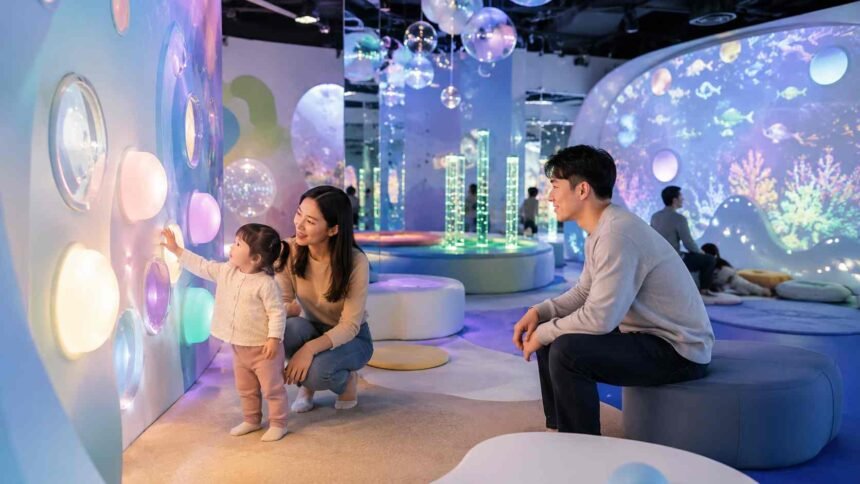
Immersive exhibits can be fun, colourful and memorable, especially for families who want something more active than a normal museum visit. Many of these attractions use lights, sound, touch, movement, digital screens, ball pits, mirrors, projections or virtual reality to make visitors feel part of the experience.
For some people, that can be exciting. For others, it can feel overwhelming.
This is why choosing the right exhibit is not only about ticket price or photo opportunities. It is also about comfort, sensory needs, age suitability, accessibility and how well the experience matches your group.
A playful attraction such as Bubble Planet may suit families with younger children, casual visitors and people who enjoy soft, colourful, hands-on spaces. More story-led or technology-heavy exhibits may be better for older children, adults or visitors who want deeper art, virtual reality or puzzle-style environments.
Why Immersive Exhibits Can Affect Comfort and Wellbeing
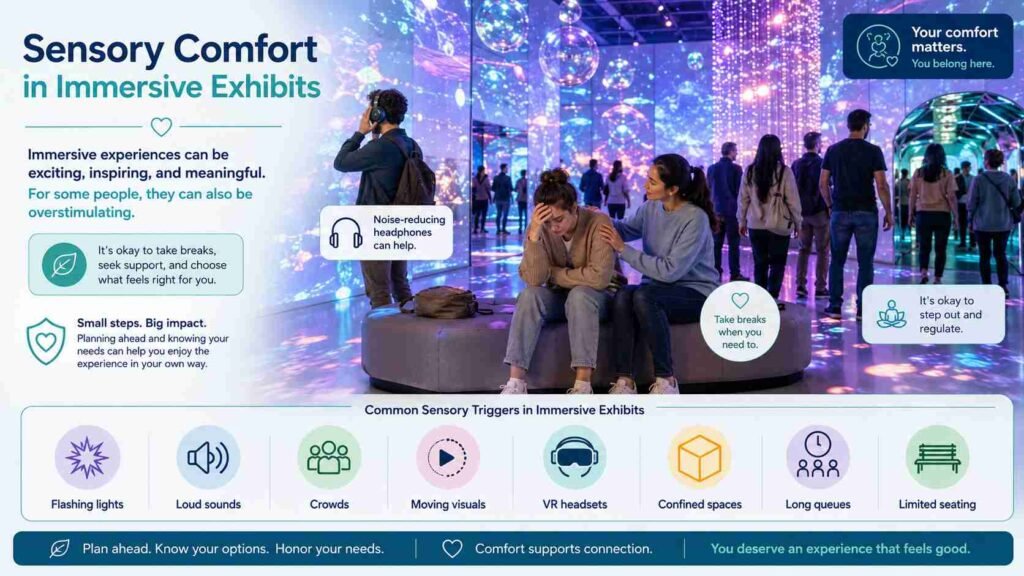
Immersive exhibits are designed to stimulate the senses. They often combine bright visuals, music, movement, crowds and interactive areas. This can support play, curiosity and social connection, but it can also cause discomfort for some visitors.
Common Sensory Triggers To Consider
Some people may feel tired, dizzy, anxious or overstimulated in busy immersive spaces. This is more likely if the exhibit includes:
- Flashing or rapidly changing lights
- Loud sound effects or music
- Crowded rooms
- Strong visual motion from projections
- VR headsets
- Confined spaces
- Long queues
- Limited seating
- Ball pits or soft-play areas with heavy movement
Children, autistic visitors, people with migraine, epilepsy, anxiety, balance problems or sensory processing differences may need extra planning before attending.
What Makes Bubble-Themed Exhibits Different?
Many bubble-themed attractions focus on play and sensory fun rather than deep storytelling. Visitors may walk through themed rooms with balloons, bubbles, mirrors, projections, ball pits and photo-friendly spaces.
This style can work well for younger children because the experience is usually simple, visual and easy to understand. It does not normally require long reading, complicated instructions or intense concentration.
Who May Enjoy This Type Of Exhibit Most?
This type of experience may be a good fit for:
- Families with younger children
- Visitors who enjoy light physical play
- People looking for colourful photo spaces
- Groups who prefer short, simple activities
- Children who like soft, tactile environments
- Visitors who do not want a serious museum-style experience
It may be less suitable for people who want a long, quiet, educational or story-heavy attraction.
Comparing Popular Immersive Exhibit Types
Different immersive exhibits offer different levels of stimulation. A family with toddlers may need something very different from a couple looking for an evening art experience.
| Exhibit Type | Main Experience | Best For | Health And Comfort Points |
|---|---|---|---|
| Sensory play exhibit | Ball pits, bubbles, mirrors, lights and soft play | Families, young children and casual visitors | Can be busy and noisy. Check crowd levels and hygiene rules before visiting. |
| Projection art exhibit | Large animated artworks and music | Adults, art fans and calm group visits | May involve dark rooms, moving visuals and limited seating. |
| VR space or simulator exhibit | Headsets, motion effects and digital scenes | Older children, teens and adults | May cause dizziness, nausea or eye strain in some visitors. |
| Narrative art exhibit | Hidden rooms, puzzles and story-based spaces | Teens, adults and creative visitors | Can involve long walks, dark areas and sensory surprises. |
| Science or museum exhibit | Educational displays and interactive learning | School-age children and families | Often more structured, but may be less playful for younger kids. |
Safety Points Before You Book
Before buying tickets, check the attraction website carefully. Do not rely only on social media clips, as they often show the most exciting parts but not the practical details.
Check Age Guidance
Some rooms may be suitable for all ages, while VR or more intense sections may have age limits. Younger children may also become tired quickly, especially if the exhibit is crowded or involves waiting.
Look For Accessibility Information
Check whether the venue provides:
- Step-free access
- Lift access
- Accessible toilets
- Quiet times or sensory-friendly sessions
- Seating areas
- Pram or buggy rules
- Carer or companion ticket policies
- Clear exit routes
If someone in your group has mobility needs, fatigue, sensory sensitivity or a medical condition, contact the venue before booking.
Think About Hygiene
Interactive exhibits often include shared surfaces, ball pits, touchscreens or play areas. This does not mean they are unsafe, but basic hygiene matters.
Useful steps include:
- Wash your hands before and after the visit
- Carry hand sanitiser
- Avoid touching your face during play
- Do not attend if you or your child has a fever, vomiting, diarrhoea or a contagious illness
- Check whether socks are required in soft-play style areas
- Supervise young children closely in ball pits or crowded rooms
When A Different Exhibit May Be Better
A sensory play attraction is not always the best choice. The right option depends on your group’s age, interests and comfort level.
Choose A Play-Based Exhibit If
A play-based exhibit is usually best when your group wants:
- A relaxed family activity
- Colourful rooms for photos
- Short and simple entertainment
- Hands-on play
- A child-friendly atmosphere
- A lower-pressure experience
Choose A Projection Art Exhibit If
A projection exhibit may be better if your group enjoys:
- Famous artworks
- Music and visuals
- A calmer indoor experience
- A date night or adult outing
- A slower pace
However, moving projections can still be uncomfortable for people with motion sensitivity or migraines.
Choose A VR Exhibit If
VR may suit people who enjoy technology, gaming or realistic simulation. It is usually better for older children and adults.
VR may not be ideal for people who easily feel dizzy, nauseous or disoriented. Anyone who feels unwell during VR should stop, remove the headset and rest.
Choose A Narrative Art Exhibit If
Story-led spaces such as Meow Wolf-style attractions may suit teens and adults who enjoy mystery, puzzles and creative exploration. These exhibits often involve more walking, darker rooms and longer visits, so they may not be the easiest choice for tired young children.
Practical Health Tips For Families
A good visit starts before you arrive. Small choices can make the day easier and safer.
Before The Visit
- Book a quieter time if available
- Read the sensory and accessibility information
- Eat a light meal before going
- Bring water
- Pack any regular medication your child or family member may need
- Explain the visit to children in simple words
- Plan an exit point if someone feels overwhelmed
During The Visit
- Take breaks when needed
- Move away from crowded rooms
- Do not force a child to enter a room they find scary or uncomfortable
- Watch for signs of tiredness, anxiety or dizziness
- Use ear defenders if noise is a problem
- Leave early if the experience stops feeling enjoyable
After The Visit
Some children may need quiet time after a highly stimulating outing. A calm meal, rest at home, or a screen-free break can help them settle.
When To See A Doctor Or Seek Medical Advice
Most discomfort from immersive exhibits is short-term and improves after leaving the space. However, medical advice may be needed if someone experiences:
- A seizure
- Fainting
- Chest pain
- Breathing difficulty
- Severe headache
- Repeated vomiting
- Ongoing dizziness
- Panic symptoms that do not settle
- Eye pain or vision changes
- Symptoms that continue after rest
People with known epilepsy, severe migraine, balance disorders, heart conditions or significant sensory sensitivities should consider asking a healthcare professional before attending intense light, sound or VR-based attractions.
Ticket Value: What Should You Compare?
Price matters, but value is not only about cost. A cheaper ticket is not a good value if your child becomes overwhelmed after ten minutes. A more expensive exhibit may be worth it if it suits your group better and allows a longer, more comfortable visit.
Before booking, compare:
- Ticket price
- Visit length
- Age suitability
- Crowd levels
- Sensory intensity
- Accessibility
- Hygiene standards
- Refund or rescheduling policy
- Travel time
- Whether the experience matches your group’s interests
If you are travelling to another city or country for a major attraction, planning becomes even more important. Practical resources such as CNLawBlog may be useful for thinking about travel rules, booking terms and visitor responsibilities before making plans.
Is A Sensory Play Exhibit Worth It?
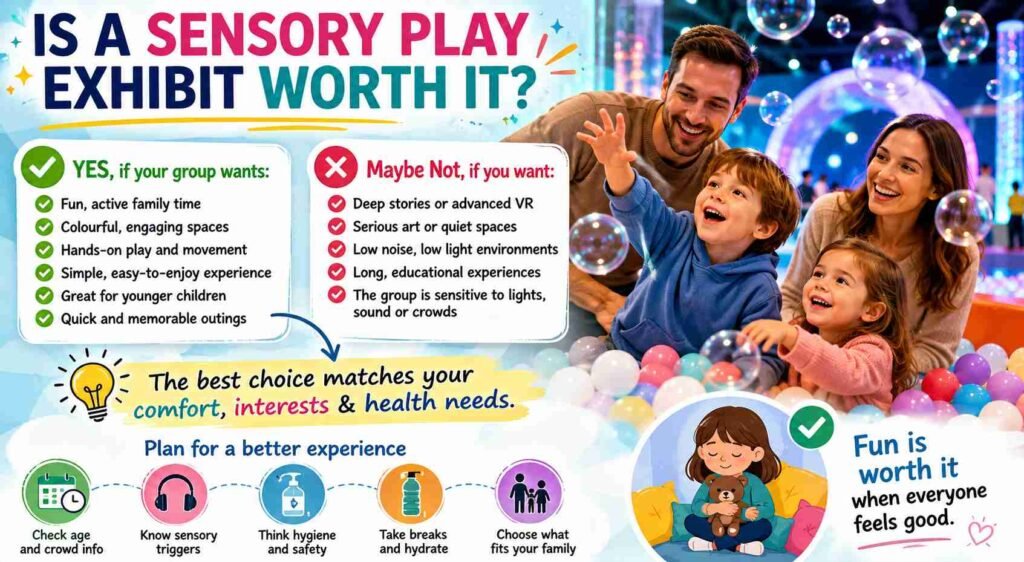
A sensory play exhibit is worth it for the right visitor. It can be a fun choice for families who want a bright, active and easy-to-enjoy outing. It is especially useful when children prefer movement, colour and hands-on play over quiet displays or long explanations.
It may not be the best option for adults who want a deep story, advanced VR or a serious art experience. It may also be difficult for visitors who are sensitive to noise, lights, crowds or busy play spaces.
The best choice is the one that matches your group’s comfort, interests and health needs.
FAQs
| Question | Answer |
|---|---|
| How long do immersive exhibits usually take? | Many immersive exhibits take around 60 to 90 minutes. The exact time depends on the venue, crowd levels and how long your group spends in each room. |
| Are immersive exhibits safe for young children? | Many are designed for families, but parents should check age guidance, supervision rules, hygiene policies and sensory warnings before booking. |
| Can flashing lights be a problem? | Yes. Flashing or rapidly changing lights may affect people with photosensitive epilepsy, migraine or sensory sensitivity. Always check the venue’s safety information before visiting. |
| What should I do if my child becomes overwhelmed? | Move to a quieter area, offer water, speak calmly and leave the room if needed. Do not force a child to continue if they are distressed. |
| Are VR exhibits suitable for everyone? | No. VR can cause dizziness, nausea, eye strain or disorientation in some people. It may not be suitable for younger children or people with certain medical conditions. |
Medical Disclaimer
This article is for general information only and is not a substitute for medical advice. If you or your child has epilepsy, severe migraine, balance problems, anxiety, sensory processing difficulties or another health condition, speak with a qualified healthcare professional before attending intense immersive or VR-based attractions.