

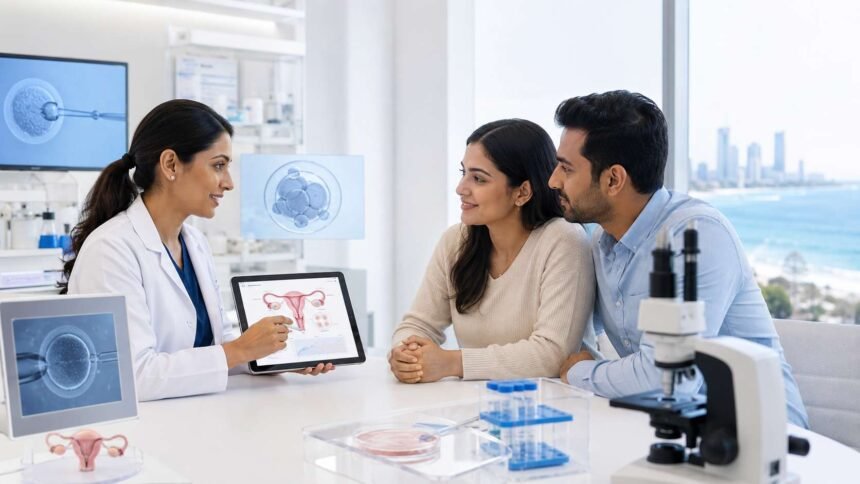
Operating a high-performing reproductive health framework within a fast-moving coastal metropolitan zone demands a careful balance of world-class embryological tools and patient-focused medical infrastructure. In dense urban sectors, couples facing fertility challenges require access to highly responsive diagnostic pipelines that can identify subtle biological barriers quickly without causing disruptions to busy professional calendars. According to the World Health Organization, infertility affects millions of people worldwide and requires timely access to safe diagnosis and treatment. When reproductive clinics operate with outdated laboratories or loose internal data controls, patients experience prolonged treatment timelines, low fertilization rates, and increased emotional stress.
To eliminate clinical inefficiencies and maximize implantation success rates, progressive reproductive networks are building state-of-the-art medical sanctuaries. Securing the guidance of a leading facility like the Fertility Clinic Lekki provides patients with immediate access to advanced time-lapse embryo incubators, high-precision laser-assisted hatching systems, and comprehensive egg-freezing options. This strategic medical integration ensures that every phase of your reproductive journey is executed inside an ISO-certified environment, providing the premium care and clinical safety required to build your family confidently.
Preserving your reproductive options requires a disciplined approach to early diagnostics. By incorporating advanced cellular mapping and data-driven fertility protocols into your family planning, you build a stable foundation for long-term clinical success.
True Technological Backbone of Premium Embryology Labs
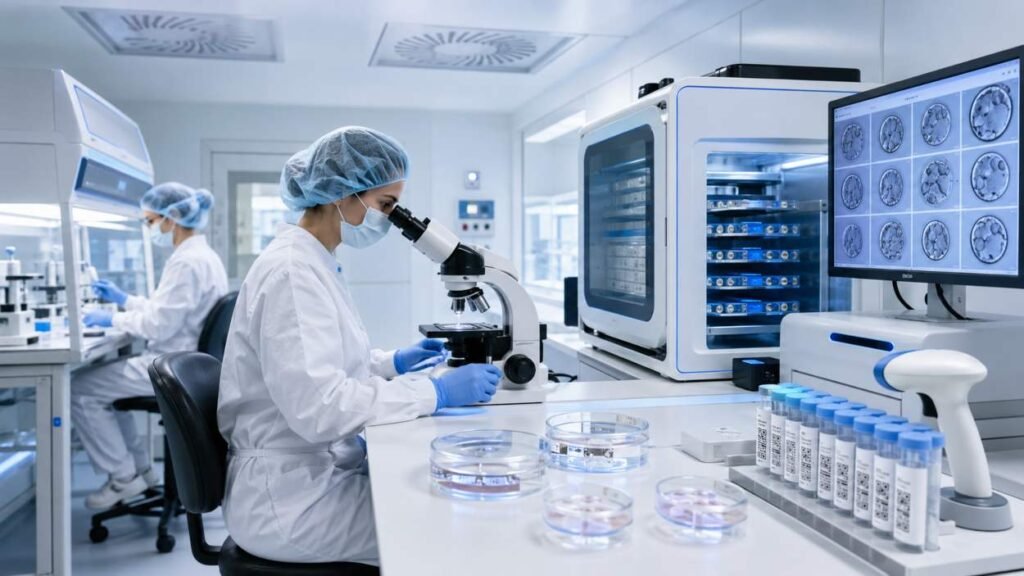
Elite reproductive laboratories invest heavily in multi-tier environmental controls and advanced imaging systems to protect delicate cellular life outside the body. The CDC explains assisted reproductive technology as treatments involving the handling of eggs or embryos to help achieve pregnancy, including IVF and cryopreservation.
Cleanroom Air Filtration and VOC Protection Networks
The atmosphere inside a premium embryology laboratory is highly sensitive, as volatile organic compounds and microscopic airborne particles can damage developing human embryos. High-end labs utilize specialized heating, ventilation, and air conditioning systems equipped with multi-tier HEPA and carbon filters. Updated ESHRE good practice recommendations for IVF laboratories highlight the importance of HEPA filtration, VOC control, positive pressure, and regular monitoring of laboratory air quality. This cleanroom architecture purifies the air continuously, maintaining a sterile environment that supports healthy blastocyst growth.
Continuous Time-Lapse Embryo Monitoring Systems
Traditional embryo evaluation methods force embryologists to remove culture dishes from incubators daily to check cell divisions under a microscope, exposing cells to temporary temperature and gas shifts. Modern laboratories utilize advanced time-lapse incubators equipped with integrated high-resolution cameras. These systems take digital photographs of the embryos every few minutes, creating a continuous video record that allows specialists to evaluate cellular growth patterns without disturbing the sterile environment. Patients should also understand that the HFEA’s guidance on time-lapse imaging notes that this technology should be discussed carefully with a clinic, especially when presented as an additional treatment feature.
Electronic Witnessing and Sample Security Protocols
Managing multiple biological samples simultaneously requires zero-error security tracking systems to protect patient data identity. Premium fertility hubs utilize automated electronic witnessing software that attaches radio-frequency identification tags to every patient culture dish and sample tube. The system scans these digital tags at every procedural stage, locking out mismatched materials automatically to guarantee total protection and accurate sample tracking.
Key Clinical Pathways for Comprehensive Family Building
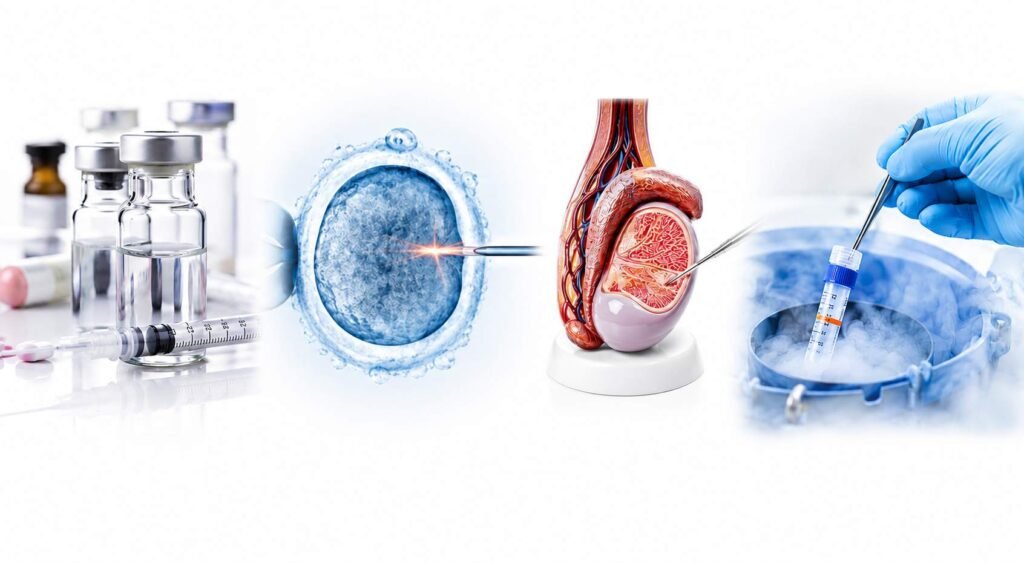
Premium coastal fertility centers deliver an extensive array of advanced clinical treatments designed to solve both male and female reproductive challenges. Patients can also review CDC ART success rate information to understand why age, diagnosis, treatment type, and clinic reporting methods can affect fertility outcome data.
- High-Precision Ovulation Induction Regimens: Tailored medication timelines designed to stimulate healthy egg production while managing patient safety profiles carefully.
- Laser-Assisted Embryo Hatching Modalities: Utilizing a precise micro-laser to thin the outer embryo shell, assisting selected embryos with the hatching process where a specialist believes it may be clinically relevant. The HFEA’s assisted hatching guidance explains that patients should discuss the evidence, risks, and suitability of this add-on with their clinic before choosing it.
- Advanced Testicular Sperm Extraction: Micro-surgical procedures that recover healthy sperm cells directly from testicular tissue, solving severe male factor infertility challenges.
- Egg Freezing and Fertility Preservation: Oocyte cryopreservation may help women preserve reproductive options for future family planning. The American Society for Reproductive Medicine provides professional resources on oocyte cryopreservation and fertility preservation.
Frequently Asked Questions
| Question | Answer |
|---|---|
| What is the primary benefit of time-lapse embryo monitoring systems? | Time-lapse systems allow embryologists to evaluate embryo development continuously through digital cameras, reducing the need to remove embryos from the safe incubator environment. |
| How does laser-assisted hatching help improve embryo implantation rates? | Laser-assisted hatching creates a microscopic opening in the embryo’s outer shell, helping the blastocyst emerge before transfer. However, benefits are not guaranteed for every patient, and suitability should be discussed with a fertility specialist. |
| Are electronic witnessing systems mandatory in modern fertility clinics? | They are not mandated everywhere, but premium fertility clinics often use electronic RFID witnessing systems voluntarily to maintain accurate tracking and reduce the risk of sample identification errors. |
| Can a woman choose egg freezing if she wishes to delay family building for her career? | Yes. Oocyte cryopreservation using advanced vitrification allows women to freeze eggs at a younger age, helping preserve future reproductive options. |
| What space and air standards must a premium embryology lab meet? | Advanced laboratories follow strict cleanroom standards, using continuous VOC filtration and positive air pressure systems to maintain a controlled and sterile environment. |
Medical Disclaimer
This article is for general informational and educational purposes only. It does not provide medical advice, diagnosis, treatment, or a guarantee of fertility outcomes. Fertility treatment results vary based on age, medical history, diagnosis, sperm and egg quality, embryo development, laboratory conditions, and other individual factors. Any decision about IVF, egg freezing, assisted hatching, sperm retrieval, medication, or embryo transfer should be made after consultation with a qualified fertility specialist or reproductive endocrinologist.
Conclusion
Modernizing your approach to reproductive health through advanced coastal medical infrastructure is an essential strategy to overcome fertility challenges safely and efficiently. Relying on basic, unoptimized testing models can lead to extended project delays, emotional fatigue, and unnecessary financial expenses.
Partnering with a premier, fully integrated fertility center ensures your biological data is analyzed accurately, your samples are secured using electronic tracking, and your embryos are cultured inside sterile cleanrooms. Finally, a disciplined commitment to advanced reproductive medicine protects your family goals, building a highly reliable, successful path toward parenthood.