


The part of a spray tan that decides whether it looks believable happens mostly after you have left the salon. The booth gets the color onto your skin, but skin type, the weather that afternoon, and the way your body sheds that color over the next week are what actually separate a natural glow from a patchy, faintly orange one. That gap is a big reason a spray tan Jacksonville booking climbs to the top of a lot of to-do lists the moment the weather warms up, because the local climate changes how a tan settles in ways a lot of first timers never see coming.
Most people picture the whole thing as a three step event. Walk in, get sprayed, walk out glowing. The color that lasts and stays even is usually decided in the small stuff that surrounds those three steps, and skipping it is what turns a good tan into something blotchy by day two.
What Is Actually Happening On Your Skin

The active ingredient in nearly every spray solution is dihydroxyacetone, usually shortened to DHA. It is a simple sugar, and it does not sit on top of your skin like a coat of paint. It reacts with amino acids in the outermost layer of dead skin cells and produces a brown pigment, a process the Skin Cancer Foundation explains as a reaction confined to the surface layer rather than anything that touches living tissue or changes your natural pigment. Chemists call that browning the Maillard reaction, the same family of reaction that browns toast, and a peer reviewed review of DHA in sunless tanning traces exactly how those surface amino acids turn into the color you see.
Because it is regulated as a cosmetic color additive rather than a drug, the rules around DHA are fairly specific. The FDA notes that DHA is approved only for external use and works by reacting with amino acids at the skin’s surface, which is why a spray tan offers no sun protection at all. It is coloring the dead cells you are about to shed anyway, and nothing deeper.
That last detail also explains why a tan fades on a schedule. Your outer skin layer renews itself constantly, and according to the National Cancer Institute’s training material on skin anatomy, a full turnover runs roughly 28 to 30 days in younger adults. The tan lives only in those surface cells, so as they slough off across five to ten days, the color goes with them. A believable fade is really just even shedding.
Why Skin Type Changes The Whole Outcome
Oily skin tends to process DHA faster, so the same solution can develop a shade or two darker than expected if the technician does not adjust for it. Dry skin does something almost opposite. It grips extra product in the rough patches like knees, elbows, and ankles, and that is usually where uneven fading starts to show first.
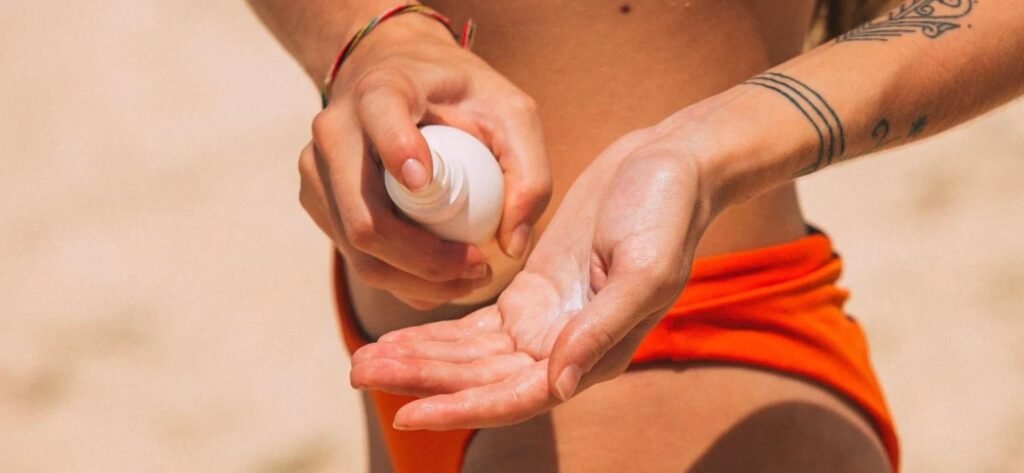
Sensitive skin adds one more variable worth flagging out loud before you sit down. Most sprays are not pure DHA. The reference summary from MotherToBaby notes that formulas typically run 3 to 5 percent DHA alongside moisturizers, bronzers, fragrances, and preservatives, and it is those added extras, not the DHA itself, that tend to bother reactive skin. Mentioning a known sensitivity beforehand costs nothing and saves a technician from guessing.
A First Appointment Is Data Gathering, Not A Verdict
There is a real difference between your first visit and the ones after it, and knowing that in advance takes the pressure off a first result.
| Factor | First appointment | Repeat visit |
| Time needed | Longer, includes a consultation | Shorter, preferences already known |
| Shade | Some trial and error to find your match | Already dialed in |
| Skin prep | Needs detailed guidance | You know the routine |
| Consistency | Can vary while finding your fit | More predictable |
| Cost | May include a consultation fee | Often discounted for regulars |
A first appointment is mostly a technician collecting information they will lean on every visit after. A slightly imperfect first tan is normal and does not tell you much on its own.
The Small Mistakes That Read As Orange
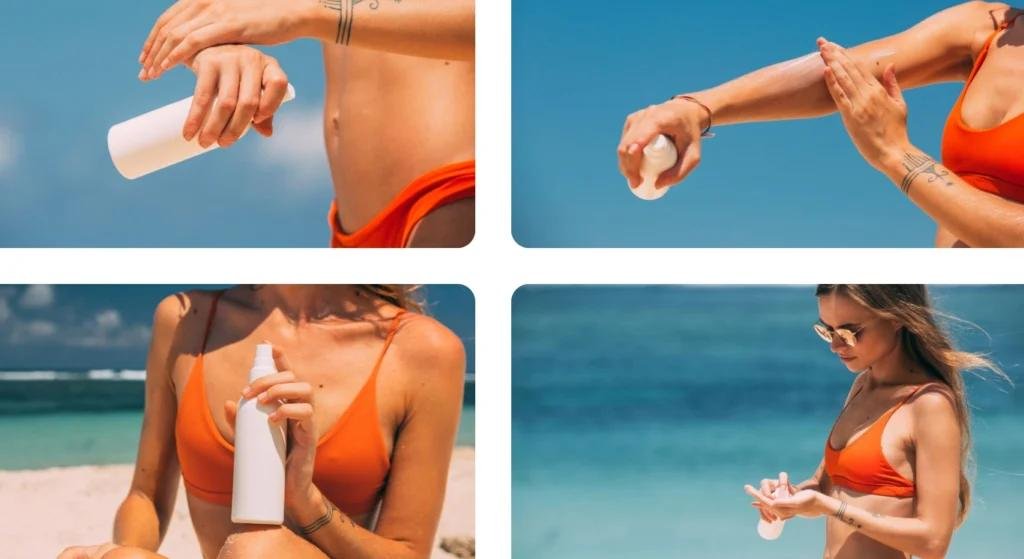
Almost every complaint about a tan looking off traces back to something that happened before the appointment even started. A handful come up again and again.
- Rubbing on lotion the morning of, which blocks the solution from absorbing evenly.
- Picking a shade because it looked good on someone else instead of matching your own undertone.
- Showering too soon and stripping the color before the reaction has finished developing.
- Skipping exfoliation in the days before, so dead skin lingers and then sheds unevenly.
Dermatologists are surprisingly specific about how to avoid most of this. The American Academy of Dermatology’s guidance on applying self tanner recommends exfoliating with a washcloth first, spending extra time on thick areas like elbows and knees, and then avoiding sweat and tight clothing for the first few hours while the color sets. Fixing even two or three of those habits clears up most of the patchiness people blame on a bad spray.
How Jacksonville Humidity Gets Involved
Humidity is the piece a drier climate never has to think about. Sweating during the development window, even lightly and without noticing, can make the solution streak or run before it has fully bonded to your skin. This is one reason people booking a spray tan Jacksonville appointment often hear stricter aftercare timing than a friend in a dry state would, since the local air genuinely changes how the color sets.
Air conditioning helps more than people expect. A cool, dry room right after application gives the solution a real chance to lock in evenly before the humidity outside becomes a factor. And if you are getting a professional spray rather than applying something at home, the FDA’s page on tanning products is worth a glance, since it recommends shielding your eyes, nose, and mouth during application because DHA is not meant to be inhaled or reach mucous membranes. A good technician will already have you covered on that, literally.
Timing A Glow Around A Real Date
Most bookings happen because something specific is coming up, a wedding, a beach weekend, a reunion, and timing trips people up more than anything else. The day before the event tends to hit the sweet spot. It gives the color time to fully develop while still looking fresh instead of already starting to fade.
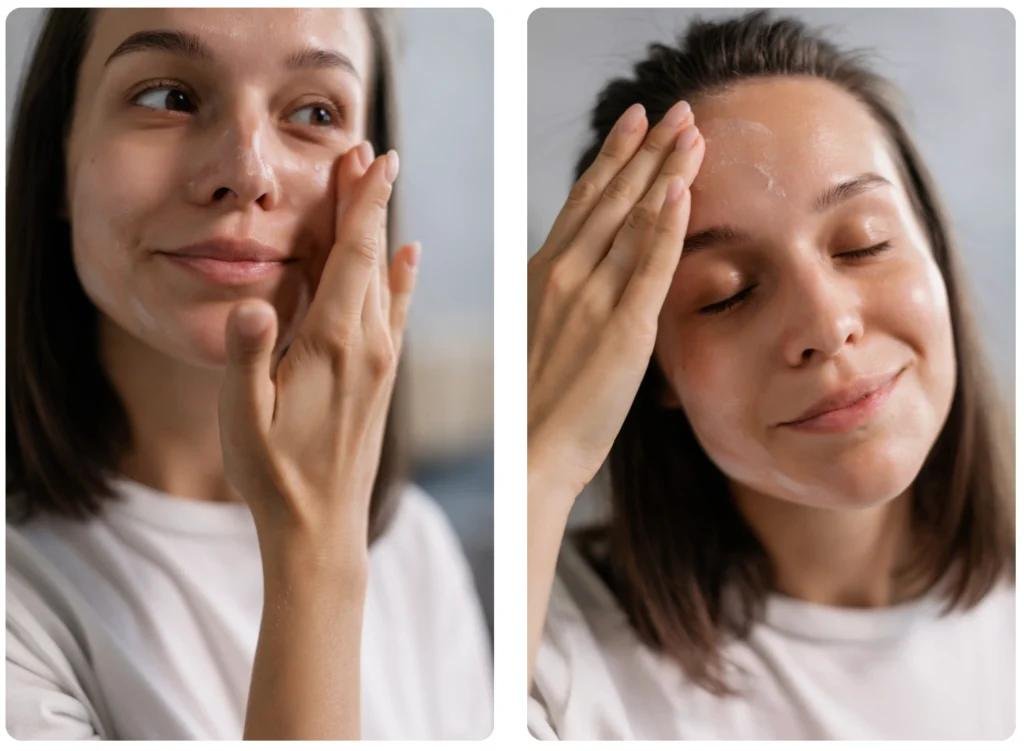
Knowing the fade window helps you plan backward. The American Cancer Society points out that a DHA tan usually lasts about five to ten days depending on your skin and how you maintain it, and that it does nothing to change your skin’s melanin or protect against the sun. So if the event is a beach day, sunscreen still belongs in the bag regardless of how bronzed you look.
Frequently Asked Questions
Does humidity really affect how a spray tan turns out?
Yes. Sweating during the development window can throw off the result, and Jacksonville’s humidity makes that more of a factor than it would be in a drier place.
Can spray tan solution irritate skin?
It can, though usually because of added fragrance or preservatives rather than the DHA. If you know your skin reacts easily, say so before the appointment so the technician can choose accordingly.
Why did my first spray tan look different than I expected?
A first appointment involves some trial and error with shade and technique. Results get more consistent once a technician knows your skin.
Is oily or dry skin better for spray tanning?
Neither is better, they just behave differently. Oily skin develops color faster, while dry skin can grab extra solution unevenly in rough patches.
How far ahead of an event should I book?
The day before usually works best. It gives the color time to fully develop while it still looks fresh for whatever you are getting ready for.
A natural glow really comes down to understanding how skin, humidity, and timing interact with the process, not just picking a shade off a chart and hoping. If you have reactive or condition prone skin, it is worth a quick word with a dermatologist or your technician before your first visit, since the right prep tends to matter more than the shade itself.