

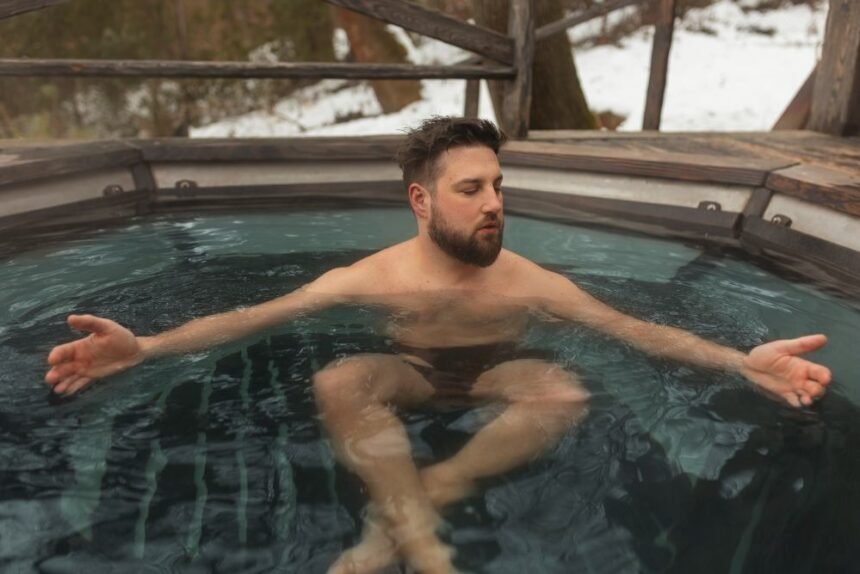
Not long ago, cold water immersion was something you associated with elite athletes, Scandinavian saunas, or a brave friend who posted shivering videos online. Today, it has moved into backyards, garages, and spare bathrooms. More people are discovering that a few minutes in chilly water can change how they feel, recover, and handle daily stress. The growing interest in cold plunge tubs is not just a passing wellness trend. Cold exposure has been used for centuries, and modern research is starting to explain why so many people swear by it. From sharper focus to faster muscle recovery, a consistent routine can influence nearly every part of your well-being. This guide walks you through what happens in your body during a cold plunge, the physical and mental benefits you can realistically expect, how to build a routine that sticks, and what to look for when choosing cold plunge tubs for your home. Whether you are curious or already convinced, you will find practical, honest information here.
What Actually Happens When You Step Into Cold Water
Understanding the science makes the experience less intimidating. When your body meets cold water, it reacts almost instantly. Your breathing quickens, your heart rate spikes, and your blood vessels tighten, a process called vasoconstriction. This pulls blood toward your core to protect your vital organs. At the same time, your nervous system releases a surge of norepinephrine, a hormone and neurotransmitter linked to alertness, attention, and mood. Some studies have found that cold water immersion can raise norepinephrine levels several times above baseline. That is a big reason people describe a clear, energized feeling after they get out. Once you leave the water and warm up, the opposite happens. Your blood vessels relax and fresh, oxygen-rich blood flows back to your limbs and skin. This repeated “squeeze and flush” pattern is one reason cold exposure is so popular for recovery. The first minute or two is the hardest. This is called the cold shock response, an involuntary gasp and spike in breathing and heart rate that the Met Office puts at roughly 90 seconds, and it passes. With slow, controlled breathing, most people find their body settles into the cold and the experience becomes manageable, even enjoyable. That is where a dedicated setup helps. Consistent water temperature and easy access make it far simpler to build the habit, which is why many people eventually move from ice-filled bathtubs to purpose-built cold plunge tubs.
Physical Benefits Of A Regular Cold Plunge Routine
Faster Muscle Recovery
The best-known benefit is recovery. Athletes in many sports use cold water immersion after hard training because it can reduce muscle soreness and the stiff, achy feeling that shows up a day or two after intense exercise. The cold helps limit swelling and may dull pain signals, so you feel ready to move sooner. You do not have to be a professional athlete to notice this. If you lift weights, run, cycle, play weekend sports, or simply have a physically demanding job, a short soak can make the next day more comfortable. One note for strength-focused trainees: a review in Frontiers in Sports and Active Living found evidence that post-exercise cold water immersion can attenuate resistance training adaptations, including hypertrophy and maximal strength, by reducing anabolic signalling, while noting the evidence is mixed and limited. If building size is your main goal, consider plunging on rest days or several hours after lifting.
Better Circulation And Cardiovascular Conditioning
Each plunge trains your blood vessels to tighten and relax. Over time, many people report better circulation and feel less sensitive to cold in daily life. Cold exposure also gives your cardiovascular system a brief workout. The American Heart Association is more cautious than most enthusiasts here, noting that the cold shock response strains the heart and that evidence for cardiovascular benefit is limited, so anyone with a cardiac history, high blood pressure, or who takes beta blockers should speak with a doctor before starting.
Support For Metabolism And Energy
Cold exposure can activate brown fat, a type of tissue that burns energy to generate heat. While a cold plunge is not a shortcut to weight loss, regular exposure may give your metabolism a modest lift. More noticeable for most people is the energy effect. A morning plunge often replaces that second cup of coffee.
Stronger Resilience And Immune Support
Some research has linked regular cold exposure with fewer sick days, though the evidence is still developing. One large study from the Netherlands, a randomised controlled trial of 3,018 people, found that those who ended their showers with a short blast of cold water reported about 29% fewer days of sick leave. Notably, the same trial found no significant difference in days of illness, which suggests people went to work anyway rather than falling ill less often. It is not a guarantee against illness, but it suggests that controlled stress may help your body adapt.
Mental Health Benefits: Why Your Mind Loves The Cold
For many people, the mental side of cold plunging is what keeps them coming back. The physical benefits are real, but the mood shift is often what they talk about first.
A Natural Mood Lift
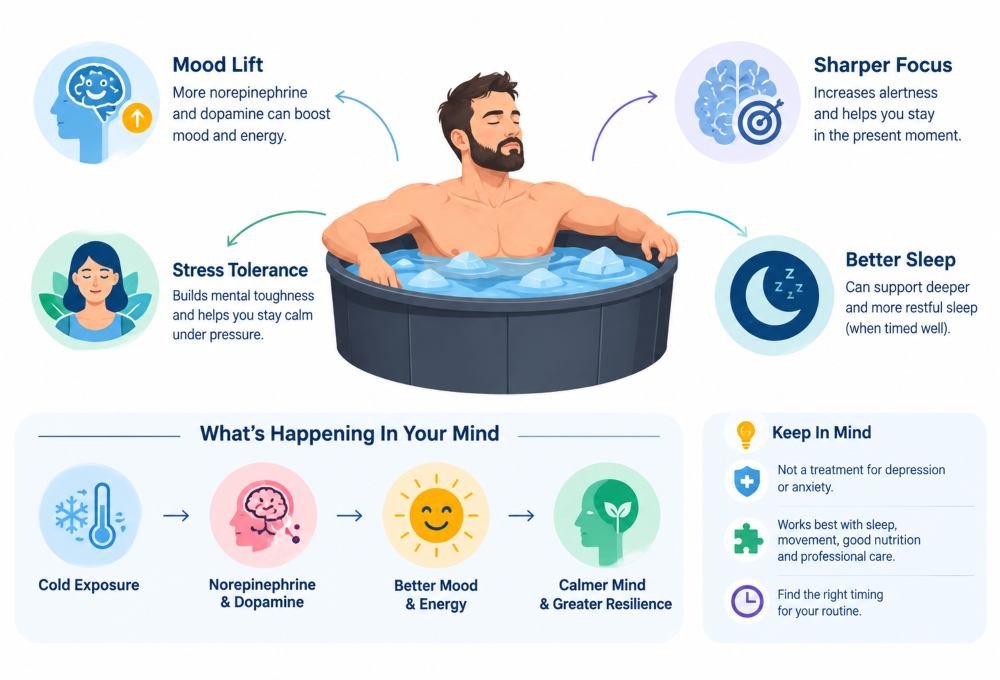
The rush of norepinephrine, along with a boost in dopamine reported in some studies, can leave you feeling alert, upbeat, and calm for hours. Many regular plungers describe the feeling as a reset button. Cold water pulls your attention into the present moment, and it is very hard to ruminate about tomorrow’s to-do list when you are focused on your breathing. It is worth being clear that cold plunging is not a treatment for depression or anxiety. Some small studies and many personal accounts suggest it can support mood, but it works best as one habit among several, alongside sleep, movement, good nutrition, and professional care when needed.
Stress Tolerance And Mental Toughness
Every plunge is a small, voluntary challenge. You choose to do something uncomfortable, stay calm, and get through it. That practice builds a skill that carries into other parts of life. When a stressful meeting or a tough day arrives, you have already trained your nervous system to stay steady under pressure. This is one of the most underrated benefits. The water is not just cooling your skin; it is teaching you to control your reaction to discomfort.
Sharper Focus And Better Sleep
Many people use a morning plunge to wake up their brain and improve focus before work. Others prefer an afternoon or early evening session and report sleeping more deeply afterward. Timing matters, so experiment. Some find that plunging too close to bedtime leaves them wired, while others sleep better. Pay attention to your own response.
How To Build A Safe And Sustainable Cold Plunge Routine
The best routine is the one you can actually keep. You do not need extreme temperatures or long sessions to see results. Start with the right temperature. Beginners often do well between 55 and 60 degrees Fahrenheit (about 13 to 15 degrees Celsius). As you adapt, you can gradually move toward 50 degrees (10 degrees Celsius) or slightly lower. Colder is not automatically better. Keep sessions short. One to three minutes is plenty when you are starting out. Many experienced users stay between two and five minutes. Total weekly exposure matters more than any single heroic session; some researchers suggest around 11 minutes per week total as a useful target, spread across several sessions. Control your breathing. Take slow, deep breaths in through your nose and out through your mouth. Do not hyperventilate before getting in, and never plunge after deliberately breath-holding exercises, as fainting in water can be dangerous. Be consistent. Three to four sessions a week is a practical starting point. Your tolerance and enjoyment will grow with repetition. Warm up gradually afterward. Dry off, put on warm clothing, and let your body rewarm naturally. Light movement helps. Avoid jumping straight into a scalding shower. Know when to skip it. Do not plunge if you feel unwell, have been drinking alcohol, or are very fatigued. Anyone with cardiovascular conditions, Raynaud’s, pregnancy, or other health concerns should get medical advice first. Never plunge alone if you are new, and never stay in if you feel dizzy or numb.
Choosing The Right Cold Plunge Tubs For Your Home
A bucket of ice water can work for a quick experiment, but it gets old fast. Buying ice, balancing the temperature, and cleaning the water add friction, and friction is the enemy of any habit. That is why dedicated cold plunge tubs from Renu Therapy have become so popular for people who are serious about consistency. Here is what to consider when shopping. Temperature control. Some cold plunge tubs include built-in chillers that hold the water at a set temperature. They cost more upfront but save time and ice over the long run. Simpler options, such as insulated or inflatable tubs, are cheaper but need ice or a separate chiller. Size and comfort. Make sure the tub fits your height and gives you room to sit comfortably. A tub that is too small makes sessions feel like a chore. Filtration and sanitation. Clean water matters. Look for cold plunge tubs with filtration, ozone, or UV systems, or plan for regular water changes and a simple sanitizer routine. Placement and power. Indoor and outdoor setups both work, but check the electrical requirements, drainage, and weather protection before you buy. Outdoor tubs may need a cover and extra insulation. Budget and warranty. Prices range widely, from a few hundred dollars for basic models to several thousand for premium units. Choose the best option you can afford, and read the warranty and customer service reviews carefully. Whichever style you choose, the right cold plunge tubs should make your routine easier, not more complicated. If you dread the setup, you will skip the session.
Realistic Expectations: What Cold Plunging Can And Cannot Do
It is easy to get swept up in the hype. Cold plunging is a useful tool, not a miracle cure. It will not replace sleep, nutrition, exercise, or medical treatment. Research on many of the claimed benefits is still growing, and some studies are small or short-term. What it can do is add a simple, low-cost habit that supports recovery, builds mental resilience, and helps you feel more alive. Most people notice a difference within a few weeks of steady practice, especially in mood and energy.
Conclusion
A regular cold plunge routine offers a rare combination of benefits. It can help your muscles recover, support circulation, lift your mood, and train your mind to stay calm under stress. The effects build with consistency, and the habit can fit into even a busy schedule with just a few minutes a day. The key is to start gently, listen to your body, and make the process as easy as possible. For many people, that means investing in quality cold plunge tubs that keep the water clean, cold, and ready whenever they are. When the routine is convenient, you are far more likely to stay with it long enough to feel the difference.
Disclaimer: This article is for informational purposes only and does not constitute medical advice. Cold water immersion carries potential risks, particularly for people with cardiovascular conditions or other health concerns. Consult a qualified healthcare professional before starting a cold plunge routine. Never plunge alone, and stop immediately if you experience dizziness, numbness, chest pain, or difficulty breathing.