


Alcohol Addiction Counseling New Jersey is often the first step people take when they realize drinking is no longer under control.
For many, it doesn’t start as a problem.
It begins with a few drinks after work, a way to relax, or a way to socialize. Over time, those moments can slowly turn into dependency, even when you don’t notice it happening.
I remember speaking with someone who said they only drank on weekends, but eventually those weekends turned into weekdays, and suddenly they couldn’t imagine a day without alcohol.
That is how quietly alcohol use disorder can grow.
Understanding How Alcohol Dependence Develops

Alcohol addiction rarely looks the same for everyone. Some people drink heavily every day, while others binge drink and still struggle with control.
The common factor is the inability to stop, even when it starts affecting your life. This might include strained relationships, poor work performance, or declining physical health.
One client shared that they began hiding bottles around their house, not because they wanted to, but because they felt they had to.
That feeling of needing alcohol to function is a key sign of dependency, and seeking support through Alcohol Addiction Counseling New Jersey can be an important step toward regaining control.
Early Signs You Shouldn’t Ignore
- Many people wait until things get worse before seeking help, but there are early warning signs that shouldn’t be ignored.
- If you notice yourself drinking more than planned, it may be time to reflect on your habits.
- Another red flag is using alcohol to cope with stress, anxiety, or emotional pain.
- Some people start isolating themselves to avoid judgment about their drinking.
- Others experience withdrawal symptoms like shaking, sweating, or irritability when they try to stop.
- These are not just habits.
- There are signs your body and mind have become reliant on alcohol.
When Drinking Starts Affecting Your Life
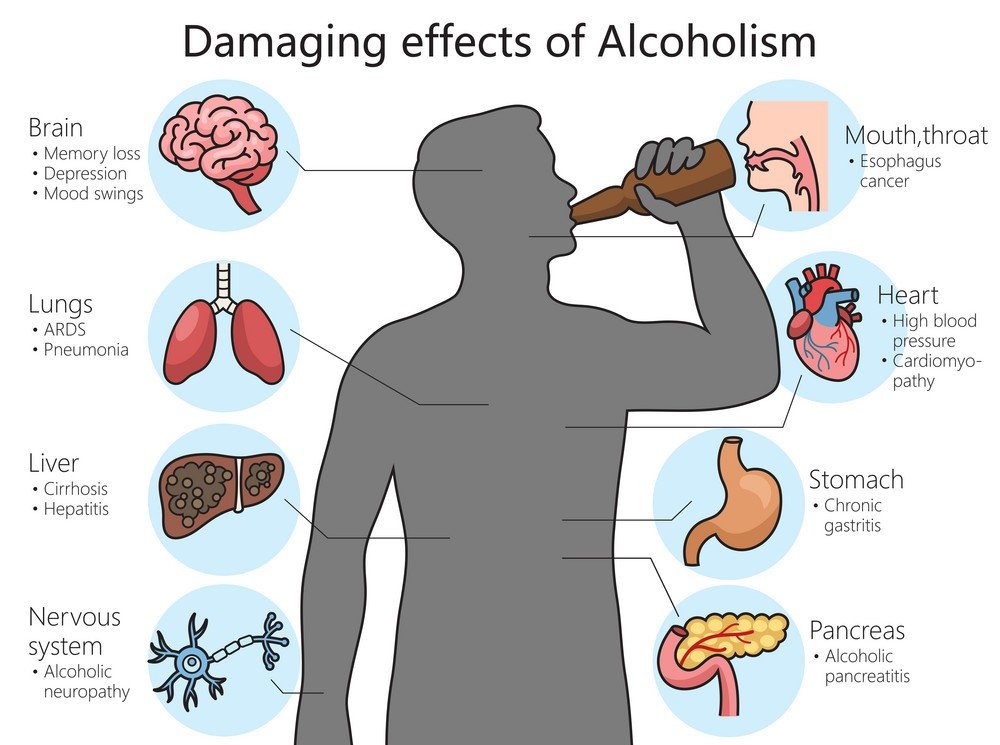
- There is a point where alcohol stops being something you enjoy and becomes something you need.
- This shift is often subtle, but the consequences become clear over time.
- Missed responsibilities, arguments with loved ones, and declining mental health are all common outcomes.
- I once heard from someone who said they missed their child’s school event because they were too intoxicated to drive.
- That moment became a turning point, not because it was the worst thing that happened, but because it made them realize how much control alcohol had taken.
- That realization is often where recovery begins.
Why Counseling Makes a Difference
- Alcohol addiction is not just physical.
- It is deeply connected to emotions, thoughts, and behavior patterns.
- That is why counseling plays a critical role in recovery.
- A trained therapist helps identify triggers, develop coping strategies, and build healthier habits.
- Counseling sessions often uncover underlying issues like trauma, anxiety, or depression that contribute to substance use.
- Addressing those root causes is essential for long-term recovery.
- In therapy, people learn how to manage stress without relying on alcohol.
- They also learn how to rebuild relationships and regain confidence.
Types of Support Available
There are several approaches to treating alcohol use disorder, and the right one depends on your situation.
- Outpatient programs allow individuals to receive support while continuing daily responsibilities.
- Inpatient treatment provides a structured environment for those needing more intensive care.
- Group therapy offers peer support, which can be incredibly powerful.
- Hearing others share similar struggles often reduces feelings of isolation.
- Individual counseling focuses on personal challenges and tailored recovery plans.
- Family therapy can also help repair relationships and create a supportive home environment.
- Each of these options plays a role in building a strong recovery foundation.
Taking the First Step Toward Recovery
- Deciding to seek help can feel overwhelming.
- Many people worry about judgment or whether they truly need support.
- The truth is, if alcohol is impacting your life, help is worth exploring.
- The first step is often the hardest, but it is also the most important.
- A simple conversation with a professional can provide clarity and direction.
- You do not have to figure everything out at once.
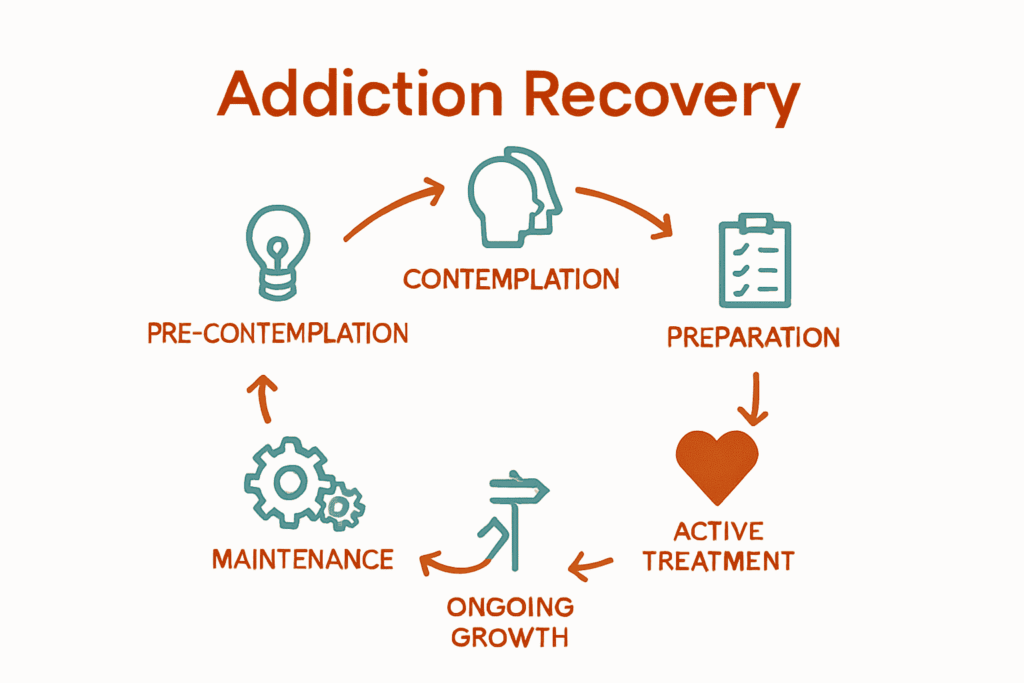
- Recovery is a process, not a single decision.
What Recovery Actually Looks Like

- Recovery is not about perfection.
- It is about progress.
- There will be challenges along the way, but each step forward matters.
- One individual described recovery as learning how to sit with uncomfortable emotions without reaching for a drink.
- That might sound simple, but it takes time and practice.
- Counseling helps build those skills gradually.
- Over time, people begin to feel more in control of their lives.
- They start to rebuild trust with themselves and others.
- Small wins become big milestones.
Breaking the Stigma Around Getting Help
- There is still stigma around seeking help for addiction.
- Many people feel ashamed or believe they should be able to handle it on their own.
- This mindset often delays recovery.
- The reality is that addiction is a medical condition, not a personal failure.
- Seeking help is a sign of strength, not weakness.
- I have seen people transform their lives simply by taking that first step.
- They go from feeling stuck and overwhelmed to feeling hopeful and in control.
- That shift is possible for anyone willing to ask for help.
Building a Life Beyond Alcohol
- Recovery is not just about stopping drinking.
- It is about creating a life where alcohol is no longer needed.
- This includes building healthy routines, finding new interests, and reconnecting with meaningful relationships.
- Some people rediscover hobbies they once loved.
- Others find new passions that give them purpose.
- Exercise, mindfulness, and creative outlets often become part of the recovery journey.
- These activities provide healthy ways to cope with stress and emotions.
- Over time, the need for alcohol begins to fade.
Long-Term Support and Relapse Prevention
- Recovery does not end after counseling sessions.
- It is an ongoing journey that requires continued effort and support.
- Relapse can happen, but it does not mean failure.
- It is simply a sign that adjustments may be needed in your recovery plan.
- Ongoing therapy, support groups, and accountability systems can help maintain progress.
- Many people find it helpful to stay connected with a recovery community.
- Having a support network makes a significant difference in staying on track.
A Personal Reflection on Change
- I once spoke with someone who said they never imagined a life without alcohol.
- It had been part of their daily routine for years.
- But after seeking help, they began to see things differently.
- They started waking up with clarity instead of regret.
- They rebuilt relationships they thought were lost.
- Most importantly, they regained control over their own choices.
- That transformation did not happen overnight.
- It took commitment, support, and patience.
- But it was worth it.
Where to Begin Today
- If you are questioning your relationship with alcohol, that is already a sign worth paying attention to.
- You do not need to wait for things to get worse before seeking help.
- Support is available, and recovery is possible.
- Taking the first step toward counseling can open the door to lasting change.
- You deserve a life that is not controlled by alcohol.
- And that journey can begin today.
Final Conclusion
Alcohol addiction often develops slowly, making it easy to overlook until it begins affecting health, relationships, and daily responsibilities. Recognizing the signs early and seeking help through professional counseling can make a meaningful difference in regaining control. Counseling provides the tools, guidance, and support needed to understand the root causes of alcohol dependence and develop healthier coping strategies.
Recovery is not a single moment but a gradual process that involves patience, commitment, and the right support system. With proper counseling, supportive relationships, and a willingness to change, many people successfully rebuild their lives and move toward a healthier future.
If alcohol has started to influence your decisions, emotions, or daily routine, reaching out for help can be a powerful first step. Taking action today can open the door to healing, renewed confidence, and a more balanced life free from the grip of alcohol dependence.