

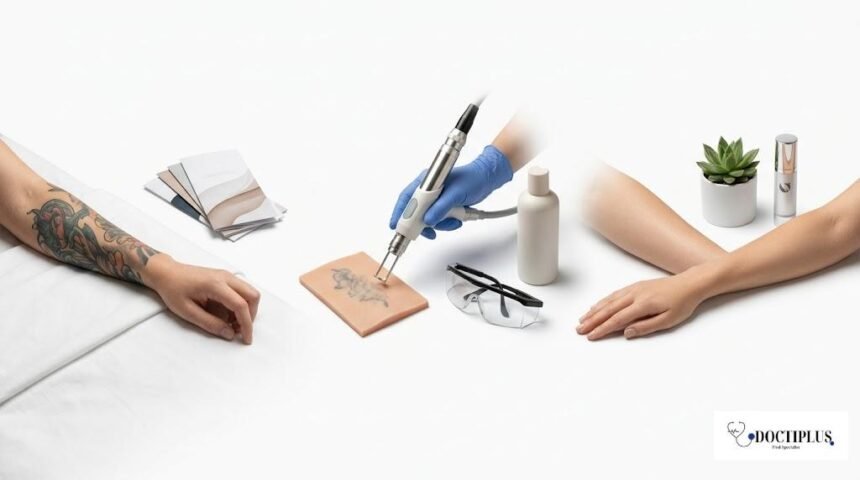
Getting a tattoo often feels like a permanent statement of who you are at that moment. People change, though, styles move on, and what once felt meaningful can start to feel like a reminder of a chapter you have already closed. If you are considering removing a tattoo, you are in very good company. Millions of people pursue tattoo removal each year, and thanks to steady advances in laser technology, the process is safer, more comfortable, and more effective than ever before.
Why People Choose to Remove Their Tattoos
There is no single reason people decide to remove a tattoo. Some of the most common motivations include:
- A design that no longer reflects personal values or life stage
- Fading, blowouts, or uneven pigment from an older piece
- Visible tattoos that clash with professional dress expectations
- Regret following a breakup, grief, or a spontaneous decision
- Clearing the canvas for a planned cover-up with cleaner, crisper lines
Whatever the reason, the decision deserves the same care you would give to getting the tattoo in the first place.
How Modern Laser Tattoo Removal Works
Laser removal is the gold standard for clearing unwanted ink. The U.S. Food and Drug Administration describes the basic principle clearly: pulses of concentrated light break ink pigment into tiny fragments that the immune system then gradually clears away over the weeks following each session.
Breaking Down the Ink
Older methods like dermabrasion or surgical excision often left significant scarring. Modern Q-switched and picosecond lasers deliver energy in extremely short bursts, shattering ink particles without cooking the surrounding skin. The result is a steady, session-by-session fade with far less damage to healthy tissue.
Why Different Colors Need Different Lasers
Ink colors absorb light at different wavelengths, which is why a well-equipped clinic will have more than one laser on hand. Black is generally the easiest to break down. Greens, blues, and yellows can be stubborn. The American Academy of Dermatology recommends choosing practitioners who can explain exactly which device and settings are appropriate for your specific skin tone.
What to Expect During Your Removal Journey
Patience is the single most useful thing you can bring to tattoo removal. Most people need between six and twelve sessions spaced four to eight weeks apart to reach their goal. Larger tattoos, deeper ink, and certain colors typically require more treatments. Your skin also needs time between sessions to heal and for your immune system to carry away the broken-down pigment.
Each session itself is quick. A small wrist tattoo might take only a few minutes. A full sleeve could run twenty to thirty. Most people describe the sensation as similar to being snapped repeatedly with a rubber band. It is uncomfortable rather than unbearable, and most clinics offer topical numbing creams or cold-air devices to make the experience more tolerable.
Factors That Influence Your Removal Timeline
Two people with seemingly similar tattoos can have very different removal journeys. A few key factors tend to influence how quickly ink fades.
| Factor | Why It Matters | Typical Impact |
| Ink color | Different pigments absorb different wavelengths | Black fades fastest; green and yellow slowest |
| Tattoo age | Older ink has already broken down slightly over time | Older tattoos often clear in fewer sessions |
| Ink depth | Amateur tattoos have uneven depth | Amateur ink sometimes fades faster than professional work |
| Skin tone | Lasers must balance ink targeting with skin safety | Darker skin tones typically need Nd:YAG lasers |
| Body location | Better circulation clears ink faster | Arms and chest clear faster than ankles and fingers |
| Immune health | The body clears pigment through lymphatic drainage | Good hydration, sleep, and fitness speed results |
How to Choose a Qualified Removal Specialist
Not all tattoo removal clinics are created equal. Look for certified professionals who use FDA-cleared laser systems and have documented experience with a range of skin tones and ink colors. Reading verified reviews and studying before-and-after portfolios can set realistic expectations before your first consultation. The American Society for Dermatologic Surgery maintains a public directory of board-certified dermatologic surgeons that is a useful starting point.
Location matters too, since you will be visiting the clinic many times. If you are in the Midwest, tattoo removal experts in Indianapolis offer some of the region’s most advanced treatment options, with practitioners experienced across a wide range of skin types and ink colors. The principle is the same wherever you book: the right clinic will take the time to assess your specific tattoo, ask about your medical history, and build a treatment plan around your skin rather than offering a one-size-fits-all package.
A few green flags to look for:
- A proper consultation that includes a patch test before your first full session
- Honest answers about how many sessions you are likely to need
- Written aftercare instructions and clear follow-up protocols
- Before-and-after portfolios showing work on similar tattoos and skin tones
Preparing Your Skin Before Each Session
How well your skin responds depends partly on how you prepare between appointments. A sensible pre-session routine looks like this:
- Avoid sun exposure on the area for at least four weeks before treatment, and use a high-SPF broad-spectrum sunscreen whenever the tattoo is uncovered
- Stay well hydrated in the days leading up to each session, since your lymphatic system relies on fluid to clear pigment
- Avoid alcohol for twenty-four hours before and after, as it can increase bruising and slow healing
- Tell your practitioner about every medication you are taking, including acne treatments, antibiotics, and photosensitizing drugs
- If you smoke, consider cutting back, as smoking restricts blood flow and has been shown to slow the removal process noticeably
- Shave the area the day before treatment rather than the morning of, to reduce irritation
Proper Aftercare Between Sessions
The area will feel tender, look pink, and may blister slightly in the first few days. Guidance from the Skin Cancer Foundation on post-procedure skin is especially relevant here: keep the area out of direct sunlight throughout the full course of treatment, and use a broad-spectrum sunscreen once the initial healing has settled. Sun exposure on healing skin is one of the leading causes of pigmentation changes.
For the first few days, treat the area like a mild burn. Keep it clean, apply a thin layer of plain healing ointment, and cover it loosely while any blistering resolves. Skip saunas, swimming pools, and intense workouts until the skin has settled.
Understanding Costs and Realistic Outcomes
Tattoo removal is an investment spread across a course of treatment. Small tattoos might cost a few hundred dollars total, while large, colorful pieces can run into the thousands. Many clinics offer package deals or payment plans. According to the Mayo Clinic, complete removal is not always guaranteed, particularly for certain ink colors or amateur tattoos with inconsistent depth. Significant fading is achievable in most cases, though, which is often enough if you are planning a cover-up rather than a full clearance.
Alternatives to Complete Laser Removal
Laser is not the only option, though it is the most widely used. Depending on the tattoo and your goals, other approaches include:
- Cover-up tattooing after several fading sessions, giving new designs a cleaner base
- Surgical excision for small tattoos is usually reserved for specific clinical situations
- Non-laser fading creams, which generally have limited evidence and are best discussed with a dermatologist before use
Starting Fresh With Confidence
Deciding to remove a tattoo is a personal choice that deserves careful consideration. Research qualified practitioners, understand the commitment involved, and set realistic expectations for how fading will progress. With the right clinic and a steady aftercare routine, you can successfully clear unwanted ink and embrace the fresh start you are looking for. Your skin tells your story, and sometimes the best chapters are the ones where you decide to turn the page.
Medical Disclaimer: This article is for informational purposes only and does not constitute medical advice. Always consult a qualified dermatologist or licensed laser practitioner before starting any cosmetic treatment, particularly if you are pregnant, breastfeeding, taking photosensitizing medication, or have a history of keloid scarring.