
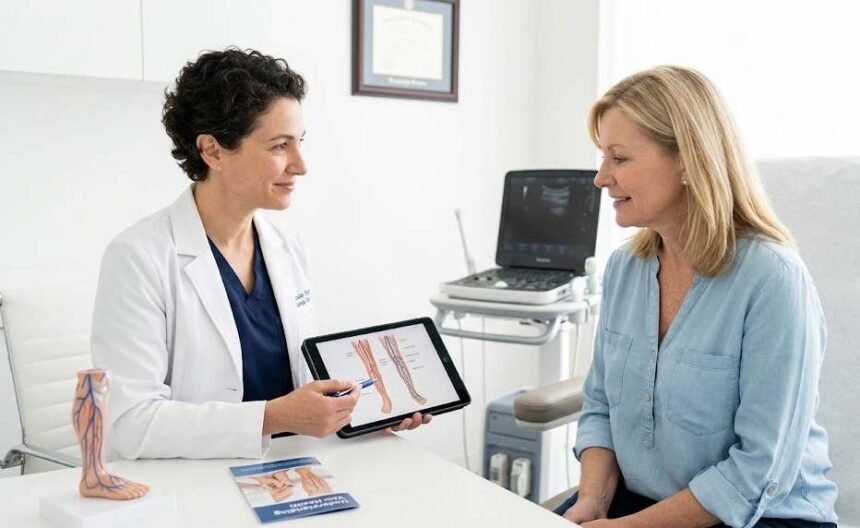
Varicose veins and spider veins are common vein disorders that affect millions of people worldwide. Although these problems are often considered cosmetic, deeper circulation issues often lie behind them. Leg pain, swelling, heaviness, and fatigue gradually encroach on daily life, making even the simplest tasks feel burdensome. Fortunately, recent advances in medical science have revolutionized the treatment of these conditions, offering highly effective solutions with shorter recovery times and greater patient comfort.
Understanding the available treatment options is essential for anyone experiencing vein symptoms. When patients are well informed, they feel empowered to make decisions about their care and are better positioned to pursue lasting vascular health.
Causes and Effects of Vein Disorders
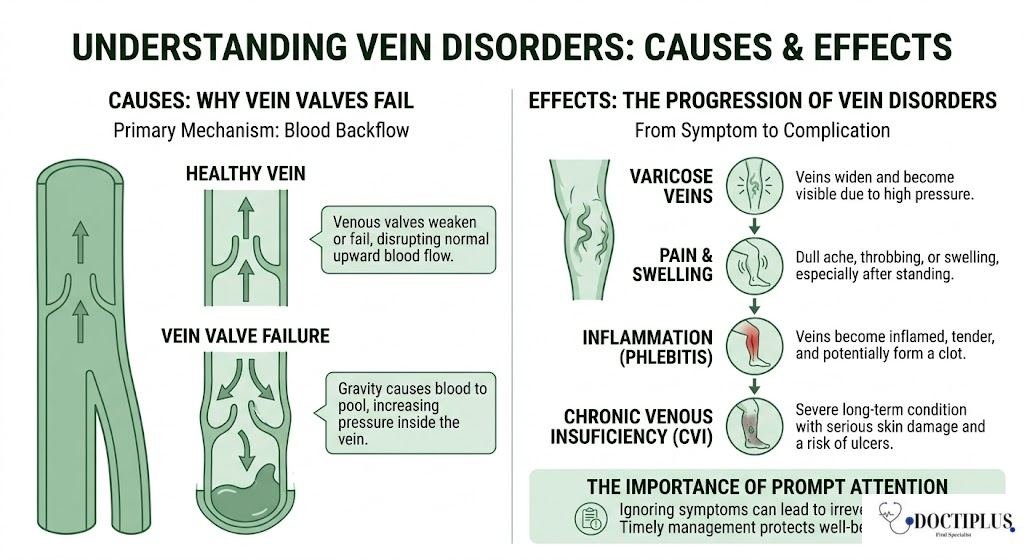
To truly appreciate the value of minimally invasive treatments, it is important to understand how vein disorders develop. Veins are responsible for carrying blood back to the heart, often working against gravity, particularly in the legs. This process relies on small internal valves that prevent blood from flowing backward.
When these valves begin to fail or weaken, blood pools within the veins rather than circulating normally. This increases pressure, causing veins to widen and become more visible beneath the skin. If left untreated, the condition can worsen and lead to pain, inflammation, or serious complications such as chronic venous insufficiency. Prompt attention to vein symptoms can prevent long-term deterioration and protect overall physical well-being.
Shift Toward Minimally Invasive Vein Treatment
Before the development of modern vein therapies, surgical management required significant downtime and post-operative discomfort. Today, minimally invasive approaches have transformed patient care by targeting affected veins directly without disrupting surrounding tissues.
These procedures are designed to close or eliminate damaged veins, allowing blood to reroute through healthier pathways. Because they are minimally invasive, most treatments require only local anesthesia and can be performed on an outpatient basis. Patients typically experience shorter recovery times, reduced pain, and a quicker return to normal daily activities, making vein care more accessible than ever before.
Common Minimally Invasive Vein Procedures
Endovenous Laser Therapy (EVLT)
Endovenous laser therapy is one of the most widely used treatments for varicose veins. It works by delivering targeted laser energy directly into the affected vein, causing the vein wall to collapse and eventually be reabsorbed by the body. EVLT is particularly effective for larger varicose veins and is associated with high success rates and minimal recovery time.
Radiofrequency Ablation (RFA)
Radiofrequency ablation operates on a similar principle to laser therapy, using radiofrequency energy to heat and seal the walls of the damaged vein. Most patients tolerate this technique well and it offers precise, controlled treatment with a low risk of side effects.
Sclerotherapy for Spider Veins and Smaller Varicose Veins
Sclerotherapy is a well-established treatment commonly used for spider veins and smaller varicose veins. A specially formulated solution is injected directly into the target vein, causing it to collapse and gradually be absorbed by surrounding tissue. Over time, the appearance of the treated vein fades and associated symptoms improve significantly.
Each of these procedures is performed with a strong emphasis on precision, focusing on correcting the underlying cause rather than simply managing symptoms.
What Patients Can Expect During Vein Treatment
One of the main advantages of minimally invasive vein procedures is their simplicity. Most treatments take less than one hour, depending on the severity of the condition and the number of areas being addressed. Patients remain awake throughout, as local anesthesia is used to ensure comfort.
Before treatment, a thorough evaluation is conducted, often including a venous ultrasound to map the affected veins and determine the most appropriate course of action. The procedure itself involves only small instruments and does not require large incisions. Patients are typically encouraged to walk shortly after treatment, which promotes healthy blood flow and supports the healing process.
Recovery and Post-Treatment Care After Vein Procedures
Recovery following minimally invasive vein treatment is generally straightforward. Some patients may experience mild discomfort, bruising, or swelling in the treated area, but these effects are typically short-lived and resolve within a few days.
Compression stockings are commonly recommended following treatment, as they help support blood flow and reduce swelling. Regular movement and walking are also encouraged to promote circulation and reduce the risk of complications. Follow-up appointments allow the treating specialist to monitor progress and address any concerns. The majority of patients report a noticeable improvement in both symptoms and appearance within a matter of weeks.
Who Is a Good Candidate for Minimally Invasive Vein Treatment
A wide range of patients can benefit from minimally invasive vein procedures. Those experiencing leg pain, heaviness, swelling, or visibly enlarged veins may find significant relief through targeted treatment. Individuals with more advanced conditions, such as chronic venous insufficiency, are also suitable candidates.
However, suitability depends on several individual factors, including overall health, medical history, and the nature of the vein condition. A comprehensive evaluation by a qualified vascular specialist is essential to determine the most appropriate treatment plan. Patients who seek care early in the course of their symptoms tend to achieve better outcomes, underscoring the importance of timely intervention.
Why Choosing the Right Vein Specialist Matters
Selecting the right specialist is a critical first step in the treatment journey. A vascular medicine expert with experience in vein disorders is essential for accurate diagnosis and effective treatment planning. The right provider will have access to advanced diagnostic tools and a range of treatment options to deliver personalized patient care.
Partnering with a trusted and experienced provider, such as Florida Vein Care Specialists, not only improves clinical outcomes but also contributes to a more positive overall patient experience. Patients are encouraged to seek out practitioners who specialize in venous conditions and who take a thorough, individualized approach to care.
Benefits of Vein Treatment Beyond Symptom Relief
While the primary aim of vein treatment is to address the physical symptoms of venous disease, the benefits often extend well beyond symptom management. Improved circulation can lead to greater energy levels, reduced stiffness and soreness, and better overall health and mobility.
Research published in peer-reviewed medical literature has shown that patients treated for varicose veins not only experience high clinical success rates but also report improvements in self-confidence as visible veins diminish. This can have a meaningful positive effect on mental and emotional well-being, often encouraging a more active and fulfilling lifestyle.
Maintaining Long-Term Vein Health After Treatment
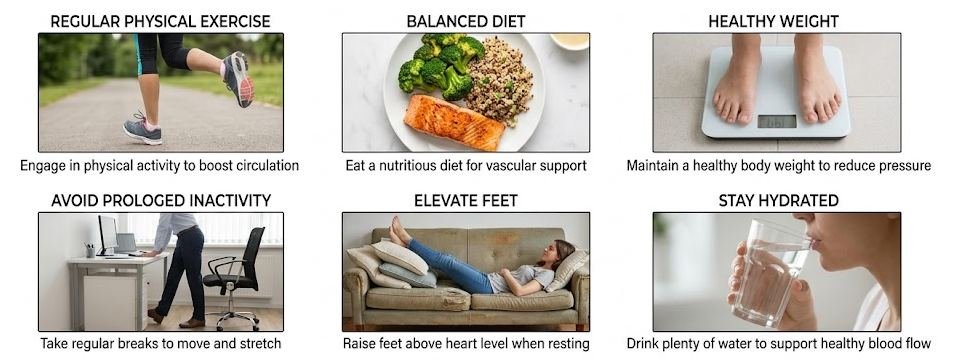
Treatment is an important step, but sustaining healthy veins requires ongoing attention to lifestyle factors that influence circulation. Regular physical exercise, a balanced diet, and maintaining a healthy body weight all play a significant role in supporting long-term vascular health.
Avoiding prolonged periods of sitting or standing can also help prevent blood from pooling in the legs. Simple habits such as elevating the feet when resting and staying well hydrated contribute to healthy circulation. By adopting these practices, patients can reduce the likelihood of recurrence and maintain the benefits of their treatment over the long term.
Future of Vein Care and Vascular Medicine
The field of vascular medicine continues to evolve rapidly, with advances in imaging technology, treatment techniques, and patient education constantly raising the standard of care. Improved diagnostic capabilities allow for more accurate identification of venous disorders and more precisely targeted treatment plans.
As awareness of vein health grows, more individuals are seeking treatment earlier, resulting in better outcomes and fewer complications. The broader trend in modern healthcare toward preventive, patient-centered care is reflected in the way vein conditions are now managed, with individualized treatment plans tailored to each patient’s unique circumstances.
Final Conclusion
The development of minimally invasive vein treatments has fundamentally changed the way vein-related conditions are managed, offering patients effective, low-risk solutions with lasting results. These procedures address the root cause of venous dysfunction, promote healthy circulation, and significantly improve quality of life without the burden of lengthy recovery.
Understanding what to expect, recognizing the value of early intervention, and choosing a qualified specialist are all essential steps toward a successful outcome. With the support of modern medicine and a proactive approach to vascular wellness, patients can take meaningful control of their vein health and enjoy a more comfortable, active life.
Vein conditions no longer need to be a barrier to living well. Minimally invasive treatments offer a clear and effective path to recovery, empowering patients to feel their best every day.
Medical Disclaimer
The information provided in this article is intended for general educational purposes only and does not constitute medical advice. It should not be used as a substitute for professional medical diagnosis, treatment, or guidance from a licensed healthcare provider. Individual health circumstances vary, and all treatment decisions should be made in consultation with a qualified vascular specialist or physician. Always seek the advice of your doctor or another qualified health professional with any questions you may have regarding a medical condition.