


For a long time, mental health and substance use were treated as two separate problems. One was emotional, the other behavioral, and people were often shuffled between different specialists depending on which label fit best. Over the past decade, though, that line has been quietly dissolving. We are starting to see what clinicians, peer support workers, and people in recovery have been saying for years: human wellbeing does not come in neat, separate boxes.
This shift matters most for people working through Drug and Alcohol Addiction, where older models focused almost entirely on stopping the substance and often missed everything underneath. Holistic recovery fills in that gap by treating the whole person, not just the symptom.
Moving Beyond the Old Model
Traditional behavioral health treatment leaned heavily on diagnosis and symptom management. It helped many people, and it still forms the backbone of clinical care, but it also missed the deeper context of lived experience.
With addiction, the central question used to be how to stop the behavior. Modern thinking asks something different: why did this begin, and what does this person need to stay steady for the long run?
Research from the National Institute on Drug Abuse has consistently shown that addiction is a chronic condition shaped by biology, environment, and life history, which is part of why single-focus treatment so often falls short.
What Holistic Recovery Actually Means
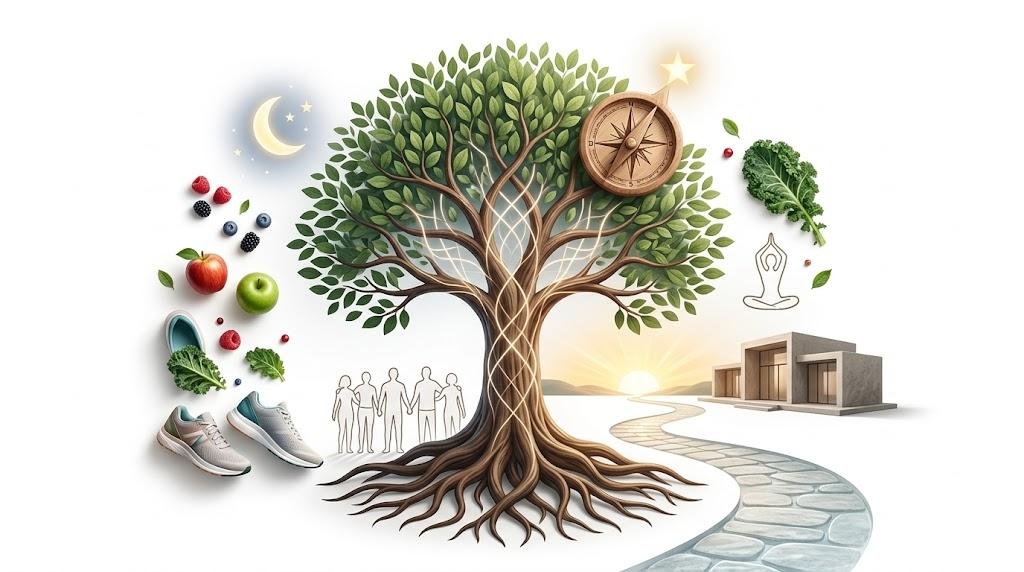
Holistic recovery is built on the idea that the mind and body are constantly talking to each other. Emotional stress shows up as physical tension. Poor sleep sharpens anxiety. Chronic pain reshapes mood. These are not separate problems.
In practice, a holistic approach works on several layers at once:
- Emotional processing and mental health support
- Physical health, including sleep, movement, and nutrition
- Social connection and community belonging
- Daily structure and environmental stability
- A sense of purpose or personal meaning
Mind and Body Connection
For someone recovering from substance use, this matters enormously. Substances usually become a coping mechanism for something underneath, whether that is unprocessed trauma, chronic anxiety, grief, or relentless stress. If the underlying layer is never addressed, recovery can feel like holding a beach ball underwater. The American Psychological Association has written extensively about how integrated care tends to produce better long-term outcomes than siloed approaches.
Emotional Awareness as a Foundation
A big part of holistic recovery is relearning how to feel emotions instead of numbing them. Many people who struggle with addiction or mental health challenges have spent years disconnecting from uncomfortable feelings, often for good reason. Holistic practice gently rebuilds that relationship with emotion, not through overanalysis but through slow, honest noticing.
Lifestyle Factors That Shape Recovery
Every day routines turn out to matter more than most people expect. Small, consistent changes often create the steadiest progress over time.
| Lifestyle Factor | Why It Matters | Simple Starting Point |
| Sleep | Regulates mood, impulse control, and cravings | Consistent sleep and wake times |
| Nutrition | Stabilises blood sugar and brain chemistry | Protein at breakfast, regular meals |
| Movement | Releases tension, supports neurochemistry | A 20 minute daily walk |
| Social contact | Buffers stress and reduces shame | One supportive conversation a day |
| Digital habits | Shapes attention and sleep quality | Screen-free hour before bed |
| Nature exposure | Lowers cortisol, lifts mood | 15 minutes outdoors in daylight |
The Centers for Disease Control and Prevention has increasingly highlighted lifestyle medicine as an important pillar of behavioral health support, especially for chronic conditions that overlap with substance use.
Trauma-Informed Care: A Compassionate Shift
One of the biggest changes in behavioral health over the last decade is the growing awareness of trauma. A trauma-informed approach does not assume that every struggle is caused by trauma, but it recognizes that past experiences shape current behavior in ways that are easy to miss.
The core question shifts from what is wrong with this person to what this person has experienced and how it has affected their ability to cope. That small reframe changes almost everything about how recovery feels, both for the person doing the healing and for the people supporting them.
Role of Connection and Community
Isolation is one of the quietest accelerants of both addiction and mental health struggles. Connection is one of the most underrated protective factors.
What helps most is not the size of the social circle but the quality of the honesty inside it. A few things that tend to make a real difference:
- Regular contact with one or two people who will not be scared off by hard days
- Group settings where shared experience reduces shame
- Trusted professionals, whether clinical or peer-based
- Low-stakes social rhythms, like a weekly class, walk, or meal
- Safe spaces to talk without judgment, including free resources like the SAMHSA National Helpline, which offers confidential support at any time of day
From Control to Understanding
Earlier models leaned heavily on control. Control impulses, control behavior, control outcomes. Structure still matters, but the emphasis has softened toward understanding.
Substance use is rarely random. It almost always serves a function, whether that is numbing, escape, stimulation, or relief. Once that function becomes visible, it is much easier to build healthier alternatives that do the same job without the cost.
Old Versus Modern Approaches at a Glance

The contrast between older, narrower models and newer holistic frameworks is easier to see side by side.
| Older Approach | Modern Holistic Approach |
| Focus on the behavior | Focus on the whole person |
| Abstinence as the finish line | Stability and growth as the journey |
| Diagnosis drives treatment | Context drives treatment |
| Control and suppression | Understanding and integration |
| Isolated specialist care | Coordinated, multidimensional care |
| Shame-based framing | Compassion and curiosity |
Recovery as an Ongoing Process
One of the most important modern shifts is letting go of the idea that recovery has a fixed finish line. Life keeps bringing change, stress, and new challenges. Holistic approaches prepare people not just to recover but to adapt over time. The World Health Organization has long framed mental health this way, as a dynamic state of well-being rather than the absence of illness.
For families looking to understand specific treatment options, evidence-based resources like Mayo Clinic offer clear, clinician-reviewed overviews that can help demystify different pathways.
A More Human Approach to Healing
At its core, the new conversation around behavioral health is more human. It acknowledges complexity. It sees people as more than their symptoms, histories, or diagnoses. And it trusts that healing happens in layers, not leaps.
Holistic recovery does not replace traditional care. It expands it, adds context, and brings back the human element that clinical settings sometimes lose. As more people share their stories openly, the stigma around addiction and mental health continues to ease, and that cultural shift is itself a quiet kind of medicine.
Final Thoughts
Lasting recovery is not really about perfect behavior. It is about rebuilding a connection with yourself, with the people around you, and with a life that feels worth staying present for the more whole the approach, the steadier the ground beneath it.
Medical Disclaimer: This article is for informational purposes only and does not constitute medical advice. If you or someone you know is struggling with substance use or mental health challenges, please consult a qualified healthcare professional or contact a recognised crisis helpline.