

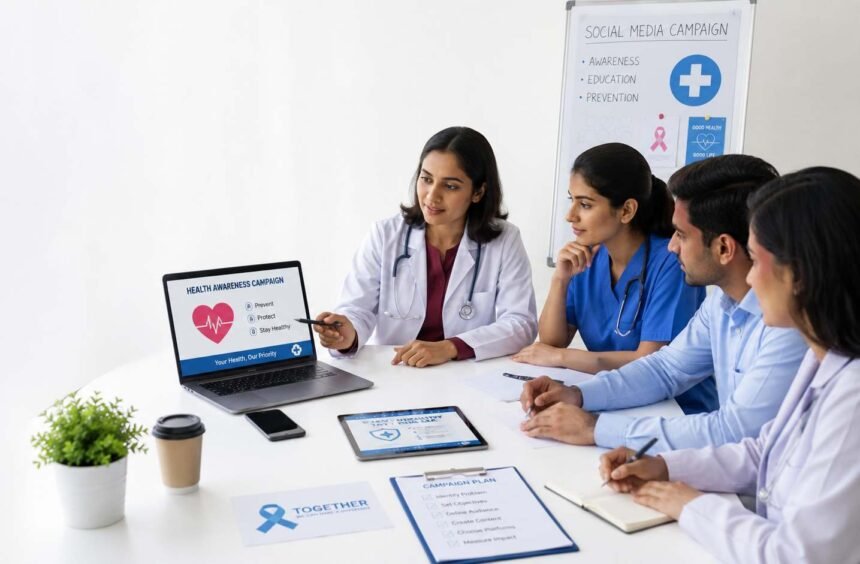
Social media can help health messages reach people quickly, but reach alone is not enough. A strong health awareness campaign should be clear, accurate, practical, and safe. It should help people understand a health topic, know what action to take, and feel confident about seeking professional care when needed.
Whether the campaign is about healthy eating, mental wellbeing, diabetes checks, vaccination, dental care, heart health, or early warning signs of illness, the aim should be simple: give people reliable information they can use in real life.
Why Social Media Matters in Health Awareness

Many people now get health information from Facebook, Instagram, TikTok, YouTube, X, LinkedIn, and community messaging groups. This makes social media a powerful tool for doctors, clinics, charities, public health teams, schools, and community organisations.
However, health content needs extra care. A funny post may get attention, but a health post must also be responsible. Poor advice, unclear wording, or exaggerated claims can confuse people and may even delay proper medical care.
A good campaign should do three things:
| Goal | What It Means |
|---|---|
| Inform | Explain the health issue in plain language |
| Guide | Show people what steps they can take |
| Protect | Encourage safe choices and medical support when needed |
Know Who You Are Trying to Help
Before creating posts, videos, or graphics, understand the audience. A campaign for teenagers will look different from one aimed at parents, older adults, new mothers, or people living with long-term health conditions.
Questions to Ask First
Think about:
- Who needs this information most?
- What do they already know?
- What common myths or fears do they have?
- Which social media platforms do they use?
- What action do you want them to take?
For example, a campaign about high blood pressure may need simple reminders for adults to check their readings regularly. A campaign about dental hygiene for children may need short videos, colourful visuals, and tips for parents.
Keep Health Messages Clear and Simple
Health topics can become confusing when they include medical terms, research language, or long explanations. Most people do not want to read a complex medical article while scrolling social media.
Use Plain Language
Instead of saying:
“Hypertension can increase cardiovascular morbidity.”
Say:
“High blood pressure can raise your risk of heart disease and stroke.”
Simple wording does not make the message less professional. It makes it more useful.
Focus on One Main Message Per Post
Each post should have one clear point. For example:
- “Book a blood pressure check if you have not had one recently.”
- “A doctor should check a new lump.”
- “Brush twice daily with fluoride toothpaste.”
- “Do not ignore chest pain, severe breathlessness, or sudden weakness.”
Trying to say too much in one post can reduce impact. A campaign can use a series of posts instead.
Use Visuals That Make Health Information Easier to Understand
Social media is highly visual. People often decide within seconds whether to stop and read a post. Good visuals can make health information easier to remember and share.
Images, short videos, simple charts, infographics, animations, and step-by-step graphics can all help. Campaign creators can use Lapis to turn complex health information into clear visuals that people can understand quickly.
Examples of Useful Health Visuals
A strong visual could show:
- Warning signs of dehydration
- How to wash hands properly
- What a balanced plate looks like
- When a headache needs urgent medical attention
- Steps for checking blood pressure at home
- The difference between mild symptoms and red-flag symptoms
The best health visuals are not overloaded with text. They use short wording, clear icons, and a strong call to action.
Build Trust With Accurate and Responsible Content
Trust is essential in health communication. People may be anxious, confused, or unsure about what advice to follow. A campaign should never make unsupported claims or promise results.
Use Reliable Sources
Health content should be based on recognised medical guidance, professional input, or trusted public health information. If a post gives advice about symptoms, medication, diet, exercise, screening, or treatment, it should be checked carefully before publishing.
Avoid Fear-Based Messaging
Fear can get attention, but it can also cause panic. A better approach is calm, practical guidance.
For example, instead of saying:
“Ignoring this symptom could be deadly.”
Say:
“This symptom can have several causes, but it is important to get it checked by a healthcare professional.”
This keeps the message serious without frightening people unnecessarily.
Encourage Safe Action, Not Self-Diagnosis
Health awareness campaigns should help people recognise when to seek support. They should not encourage people to diagnose themselves from a social media post.
Practical Actions to Include
Depending on the topic, posts can encourage people to:
- Book a routine health check
- Speak to a doctor, dentist, pharmacist, or nurse
- Call emergency services for urgent symptoms
- Use trusted health websites
- Keep a symptom diary
- Take medication only as prescribed
- Attend screening appointments
- Make small lifestyle changes, such as walking more or reducing sugary drinks
When to Seek Medical Help
Every campaign should make it clear when professional care is needed. For example, advise people to seek urgent help for symptoms such as chest pain, severe breathing difficulty, sudden weakness, fainting, confusion, severe allergic reaction, or heavy bleeding.
For non-urgent but ongoing symptoms, encourage people to speak with a healthcare professional, especially if symptoms are new, worsening, or affecting daily life.
Make the Campaign Interactive
Social media works best when people can take part. Interactive content helps people feel involved rather than being told what to do.
Safe Ways to Increase Engagement
Good options include:
- Polls about healthy habits
- Myth-versus-fact posts
- Short quizzes
- Question boxes for general health topics
- Live sessions with qualified professionals
- Community challenges, such as walking more or drinking more water
- Reminder posts for screening or check-ups
Be careful with personal medical questions in public comments. People should be encouraged to speak privately with a healthcare professional for personal symptoms, diagnosis, or treatment advice.
Use Real-Life Examples Carefully
Stories can make health messages feel more human. A short example about someone booking a check-up, changing a habit, or getting support early can help readers connect with the message.
However, privacy matters. Never share patient stories, images, or personal health details without clear permission. Even when permission is given, details should be handled respectfully.
Good Example
“A busy parent kept feeling unusually tired and thirsty. After seeing a doctor, they found out their blood sugar was high. Early testing helped them get support and make changes before the condition became more serious.”
This type of example is useful because it teaches a lesson without exposing someone’s private information.
Work With Trusted Voices
Influencers, community leaders, teachers, fitness coaches, patient advocates, and healthcare professionals can help spread health messages. The right partner can make a campaign feel more local and relatable.
Choose Partners Carefully
A partner should:
- Understand the health message
- Avoid exaggeration
- Be honest about sponsorships or partnerships
- Respect privacy
- Encourage professional medical advice where needed
- Avoid promoting unsafe products or unproven treatments
For medical topics, it is best to involve qualified health professionals in planning or reviewing the content.
Measure What Is Working

A health campaign should be reviewed regularly. Social media data can show which posts people respond to, but numbers should be interpreted carefully.
High views do not always mean high impact. A post may get attention, but the real question is whether it helps people understand the issue and take safe action.
Useful Metrics to Review
| Metric | What It Can Show |
|---|---|
| Reach | How many people saw the content |
| Saves | Whether people found it useful enough to keep |
| Shares | Whether people thought others should see it |
| Comments | What questions or concerns people have |
| Clicks | Whether people visited a booking page or trusted resource |
| Sign-ups | Whether people registered for checks, events, or support |
Marketing teams can also review ad performance, audience response, and content quality to improve future campaigns, including safer and more effective use of AI for Google Ads.
Common Mistakes to Avoid
Even well-meaning campaigns can fail if they are rushed or unclear.
Avoid:
- Using medical jargon without explanation
- Sharing advice without checking accuracy
- Making dramatic or frightening claims
- Posting too much information at once
- Ignoring accessibility needs
- Using images that shame people
- Letting comment sections spread misinformation
- Treating likes as the only measure of success
Good health communication should make people feel informed, not judged or overwhelmed.
Accessibility Matters
Health awareness content should be easy for as many people as possible to understand.
Helpful steps include:
- Use captions on videos
- Add alt text to images
- Use clear fonts and strong contrast
- Avoid tiny text on graphics
- Keep videos short and direct
- Explain medical terms
- Provide information in more than one format where possible
Accessible content is not only better for people with disabilities. It also helps anyone who is busy, tired, stressed, or reading on a small screen.
Medical Disclaimer
This article is for general health awareness and educational purposes only. It does not replace professional medical advice, diagnosis, or treatment. If you are worried about symptoms, medication, a health condition, or a medical emergency, speak with a qualified healthcare professional or contact emergency services.
Final Thoughts
Social media can be a powerful tool for health awareness, but only when it is used responsibly. The most effective campaigns are clear, accurate, respectful, and practical. They help people understand health topics without fear, confusion, or pressure.
A good campaign does more than get views. It supports better choices, encourages early help-seeking, reduces misinformation, and builds trust between people and health professionals.