

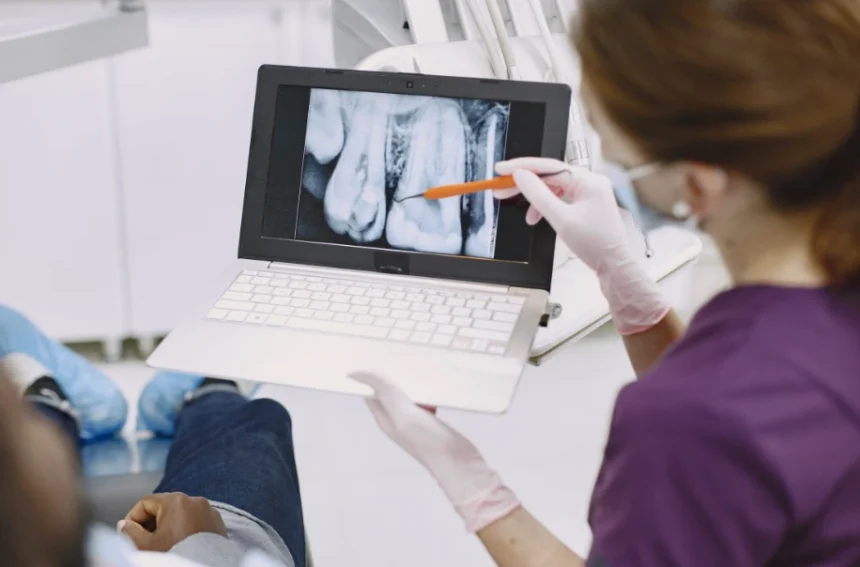
Charcot-Marie-Tooth (CMT) disease is a hereditary neurological disorder that affects about 2.6 million people worldwide, yet it remains unfamiliar to many people. Charcot-Marie-Tooth, pronounced ‘shark-oh Marie Tooth,’ is named after the physicians who first identified and described the condition.
CMT may have a complex name, but understanding everything about it doesn’t have to be complicated. In this guide, we’ll explain everything you need to know about CMT, including how you can get it, the symptoms to be on the lookout for, the treatments available, and how to live with it.
What Is CMT Disease?
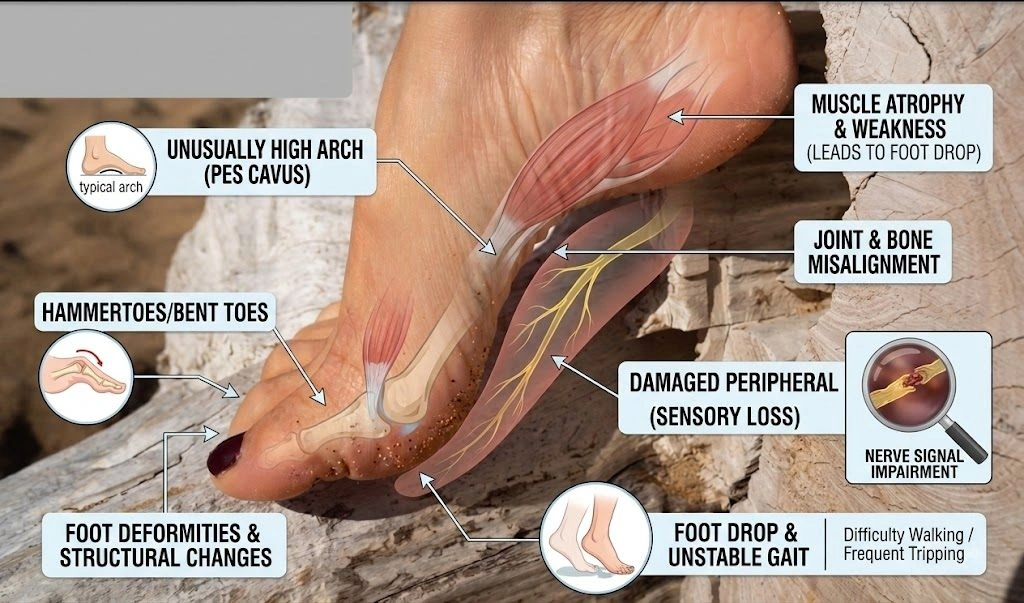
Charcot-Marie-Tooth disease is a progressive inherited condition that affects the peripheral nerves responsible for controlling muscle movement and sensation. It develops because of genetic changes passed down from one or both parents.
The peripheral nerves connect the spinal cord and brain to the sensory receptors and muscles throughout the body. When these nerves are damaged, they cannot transmit signals effectively, leading to muscle weakness and reduced sensation in the legs, feet, hands, and arms.
There are several types and subtypes of CMT disease. Symptoms, severity, and the age at which they first appear vary from one type to another. Some of the most common symptoms include:
- Muscle weakness in the feet, legs, or hands
- High arches or flat feet
- Difficulty walking or maintaining balance
- Numbness or tingling in the hands or feet
How Is Charcot-Marie-Tooth Disease Diagnosed?
Diagnosing Charcot-Marie-Tooth disease begins with a review of your medical history and a physical examination. Your healthcare provider will assess your symptoms, muscle strength, reflexes, balance, and foot structure to determine whether further testing is needed. Several tests may be used to confirm the diagnosis and evaluate the extent of nerve damage, including:
- Nerve conduction studies: These tests measure how quickly and effectively electrical signals travel through your peripheral nerves. Slower or weaker signals can indicate nerve damage associated with CMT.
- Electromyography (EMG): During an electromyography test, your healthcare provider inserts a thin needle electrode into selected muscles to measure their electrical activity both at rest and while they contract. This helps identify which muscles have been affected.
- Nerve biopsy: In some cases, a small sample of a peripheral nerve is removed, usually from the lower leg, and examined in a laboratory to identify the cause of the nerve damage
- Genetic testing: A blood sample can be analyzed to look for genetic mutations linked to CMT. Genetic testing not only helps confirm the diagnosis but can also support family planning decisions and rule out other inherited nerve disorders. A genetic counselor can explain the results and discuss their implications.
How Is Charcot-Marie-Tooth Treated?
While there is no cure currently, institutions like the Charcot-Marie-Tooth Research Foundation are actively working to find treatments and cures for this lifelong disease. However, many therapies can help you live an active and independent life. These therapies aim to alleviate the risk of injury and pain and restore normal muscle function. They include:
Medications
Due to nerve damage or muscle cramps, CMT may sometimes cause pain, and your doctor may prescribe pain medications.
Physical Therapy
Physical therapy is one of the most effective ways to manage the symptoms of Charcot-Marie-Tooth disease. Regular therapy can help maintain strength and flexibility while reducing the risk of muscle contractures, a condition in which muscles tighten and lose their normal range of motion.
It involves using physical methods like massage to promote well-being and healing. It also includes low-impact exercises like swimming, stretching, and moderate weight training.
While high-quality research on the benefits of exercise for people with CMT is still limited, it’s possible that certain types of exercise may help improve strength, mobility, and overall function when performed safely. For instance:
- Strength training, such as lifting light weights or using resistance bands, can help build muscle strength and may reduce foot drop.
- Aerobic activities, including swimming, walking, or cycling, can improve cardiovascular fitness, endurance, and the ability to perform daily tasks.
- Balance and posture exercises, such as yoga or tai chi, may enhance stability, flexibility, and coordination while helping minimize the risk of falls.
Occupational Therapy
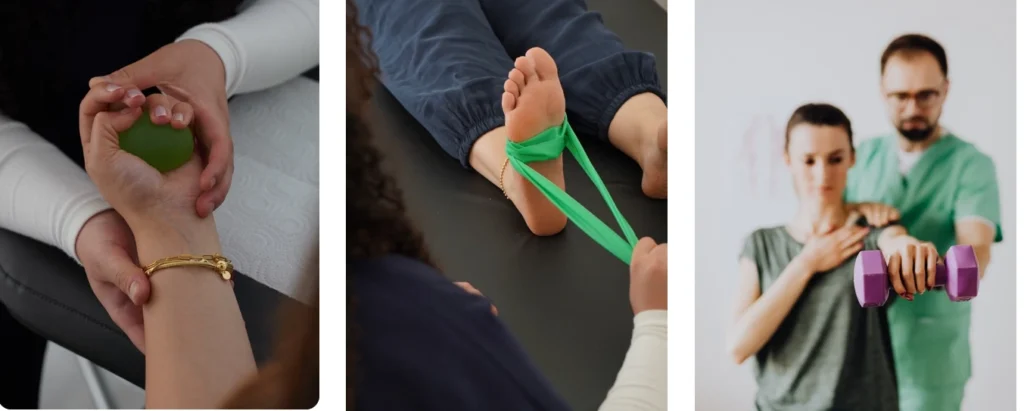
Occupational therapy focuses on identifying everyday activities that have become more difficult, such as getting dressed, preparing meals, or writing, and developing practical strategies, adaptive techniques, or assistive devices to make those tasks easier and safer.
Occupational therapy can be especially helpful when muscle weakness in the arms and hands makes everyday activities more challenging. It can help you maintain independence by introducing adaptive techniques and assistive tools.
An occupational therapist can recommend and teach the use of adaptive aids that make daily tasks easier. These may include clothing with clasps instead of buttons, specialized kitchen tools, or magnetic reaching devices that help pick up and handle objects with greater ease.
Orthotic Devices and Mobility Aids
Orthotic devices are designed to improve stability, support weakened muscles, and enhance walking ability. Depending on your symptoms, a healthcare provider may recommend:
- Shoe inserts (insoles) to improve foot alignment and comfort
- Custom-made shoes that provide extra ankle support
- Ankle-foot or leg braces to improve stability and reduce foot drop
- Thumb or hand splints to increase grip strength and support hand function
Most people with Charcot-Marie-Tooth disease remain able to walk throughout their lives. However, fatigue, muscle weakness, and balance problems can make getting around more challenging. In these situations, mobility aids such as canes, walkers, or an occasional wheelchair can provide extra support, conserve energy, and help maintain independence.
Surgery
Different types of surgeries may be performed to improve walking and ease pain. They include:
Osteotomy
An osteotomy is a surgical procedure that may be recommended to correct severe foot deformities caused by CMT disease, such as significant flat feet or other structural abnormalities. During the procedure, the surgeon cuts and repositions the bones in the foot to improve alignment and function. After surgery, the foot is typically placed in a cast for several weeks to allow the bones to heal properly before rehabilitation begins.
Arthrodesis
Arthrodesis is a surgical procedure that fuses the three main joints in the back of your foot. It helps strengthen your foot, improve its alignment, and relieve pain caused by joint damage, flat feet, or heel deformities.
After the procedure, your foot will be placed in a cast, and you won’t be able to put any weight on it for the first six weeks. During this time, you will need to use crutches or a wheelchair to get around.
Once your surgeon allows you to bear weight again, you will continue wearing the cast for another six weeks, bringing the total time in a cast to about 12 weeks. While recovery varies, it can take up to 10 months for you to heal and regain function fully.
Plantar Fascia Release

If persistent heel pain caused by inflammation has not responded to conservative treatments, your doctor may recommend a plantar fascia release. During this procedure, part of the plantar fascia is released to reduce tension and relieve pain, allowing the remaining tissue to heal in a better position.
After surgery, you will need to wear a cast for about three weeks. During this time, you won’t be able to put weight on the affected foot, and you will need crutches or another mobility aid until your surgeon confirms it’s safe to begin walking again.
Spinal Surgery
If you develop an abnormal curvature of the spine, known as scoliosis, your doctor may recommend wearing a back brace to help manage the condition. In more severe cases, however, corrective spinal surgery may be necessary to improve spinal alignment, reduce discomfort, and prevent the curvature from worsening.
Self-Care Tips for Managing Charcot-Marie-Tooth Disease
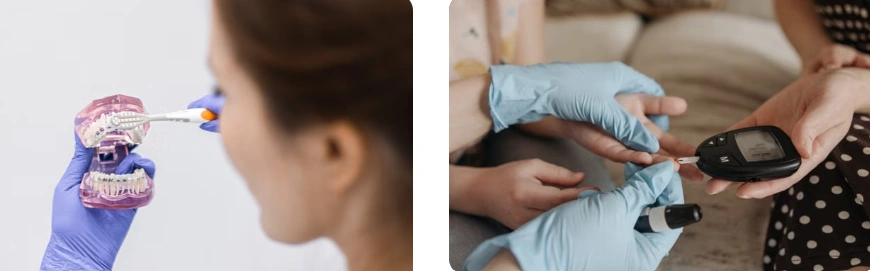
While Charcot-Marie-Tooth disease is progressive, healthy daily habits can help you stay active, reduce complications, and maintain your independence. Here are some steps you can take:
Stretch Regularly
Regular stretching helps keep your joints flexible, improves your range of motion, and reduces the risk of muscle contractures and injuries. It can also improve your balance and make everyday movements easier.
Stay Physically Active
Low-impact exercises, such as swimming, cycling, or walking, can strengthen your bones and muscles without placing excessive stress on your joints. A consistent exercise routine may improve mobility, balance, and overall physical function while minimizing the risk of falling.
Boost Your Stability
As the condition progresses, staying steady on your feet can become more challenging, making falls more likely. Using a cane, walker, or walking poles can provide extra support when needed. Keeping your home well-lit and free of trip hazards also helps create a safer environment.
Take Good Care of Your Feet
Proper foot care is especially important because CMT can reduce sensation and increase the risk of injuries. Be sure to:
- Inspect your feet every day for blisters, cuts, sores, calluses, or signs of infection.
- Trim your toenails carefully by cutting them straight across to help prevent ingrown nails. If nail care becomes difficult, a podiatrist can safely trim your nails and monitor your foot health.
- Choose supportive footwear that fits properly and protects your feet. High-top shoes, ankle-supportive footwear, or custom orthotics may improve comfort, stability, and walking ability, especially if you have foot deformities such as hammertoes or high arches.
Endnote
Living with Charcot-Marie-Tooth disease can be challenging, but it does not have to prevent you from living an active and fulfilling life. By seeking an early diagnosis, following your treatment plan, and making healthy lifestyle choices, you can better manage your symptoms and reduce the risk of complications.
As research continues to advance, new treatment options may become available in the future. In the meantime, staying informed, working closely with your healthcare team, and taking an active role in your care can help you maintain your mobility, independence, and overall quality of life.
Medical Disclaimer
This article is for general informational and educational purposes only. It is not intended to replace professional medical advice, diagnosis, or treatment. Charcot-Marie-Tooth disease can affect people differently, and a qualified healthcare professional should personalise treatment or exercise recommendations.
Always consult your doctor, neurologist, physiotherapist, or another qualified healthcare provider before starting a new treatment, exercise routine, medication, or making changes to your care plan. Never delay seeking medical advice because of information provided in this article.