


At the heart of maintaining a healthy smile are two distinct yet interconnected approaches: preventative dentistry and restorative dentistry. While both aim to preserve oral health, their methods and timing differ significantly. Preventative dentistry is proactive, focusing on intercepting disease and maintaining the integrity of your teeth and gums before problems arise. It’s about keeping your mouth healthy and strong, avoiding future complications.
Restorative dentistry, on the other hand, is reactive. Its primary goal is the functional restoration of teeth and oral structures that have already suffered damage due to decay, trauma, or disease. When preventative measures haven’t been enough, or an unforeseen issue occurs, restorative treatments step in to repair, replace, and bring your smile back to optimal health and function.
Modern oral diagnostics, including advanced tools like digital radiography, play a crucial role in both. For preventative care, these tools help us identify potential issues like early decay or bone loss before they become significant problems. In restorative dentistry, they provide detailed insights into the extent of damage, guiding precise treatment planning. Understanding these fundamental differences is the first step toward making informed decisions about your family’s dental care.
| Feature | Preventative Dentistry | Restorative Dentistry |
| Primary Goal | Prevent disease, maintain health | Repair damage, restore function and aesthetics |
| Timing | Proactive (before problems occur) | Reactive (after problems occur) |
| Focus | Oral hygiene, early detection, risk reduction | Repairing, replacing, reconstructing |
| Common Procedures | Cleanings, fluoride, sealants, X-rays | Fillings, crowns, bridges, implants, root canals |
| Long-term Impact | Reduces need for complex treatments, saves costs | Addresses existing damage, prevents further complications |
Essential Preventive Services and Early Disease Detection
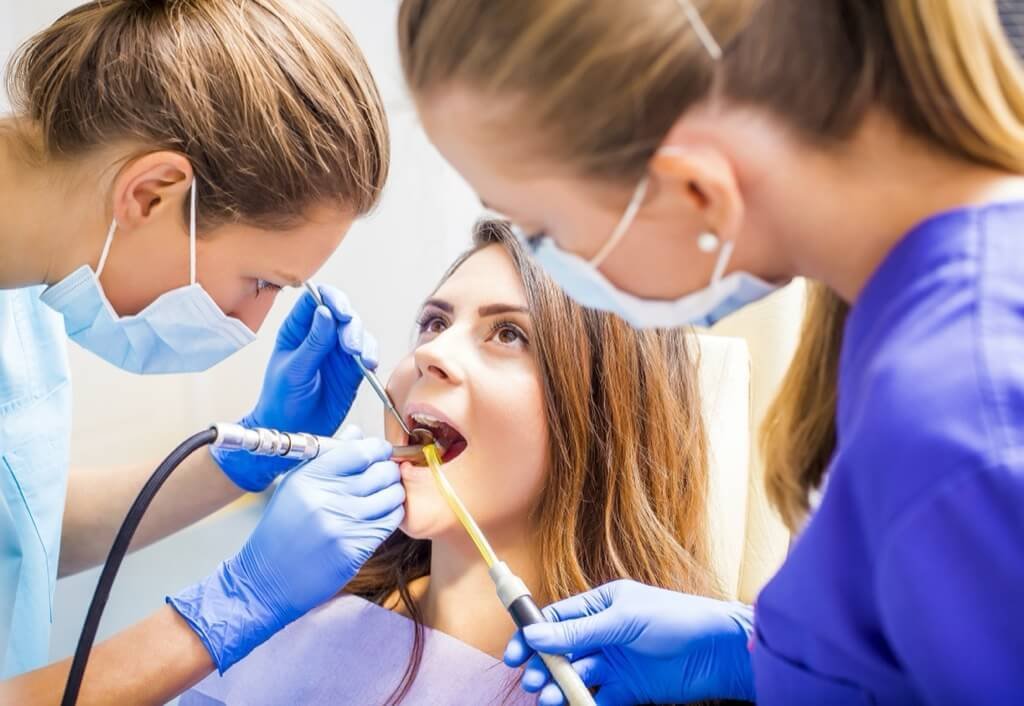
Preventative dentistry is the foundation of lifelong oral health. It encompasses a range of services designed to keep your teeth and gums in optimal condition and catch any emerging issues at their earliest, most manageable stages.
One of the most common and crucial preventative services is professional dental prophylaxis, or routine cleanings. These appointments involve the thorough removal of plaque and calculus (hardened plaque) that daily brushing and flossing might miss. Regular cleanings are vital for preventing cavities and gum disease. Topical fluoride treatments are another cornerstone, strengthening tooth enamel and making it more resistant to acid attacks from bacteria, significantly reducing the risk of decay. For children and adolescents, pit-and-fissure sealants provide a protective barrier on the chewing surfaces of molars, where food particles and bacteria often get trapped, effectively warding off cavities in these vulnerable areas.
Beyond these treatments, preventative care also includes comprehensive periodontal screening to detect early signs of gum inflammation or disease, and regular caries-risk assessment. This assessment evaluates individual factors like diet, oral hygiene habits, and even the bacterial composition in your mouth to tailor a personalized prevention plan, ensuring you receive the most effective care for your specific needs.
Common Restorative Procedures to Repair and Restore Function
When preventative measures are not enough, or damage has already occurred, restorative dentistry steps in to repair and rehabilitate your oral health. These procedures aim to restore the tooth’s structure, function, and aesthetic appearance, preventing further deterioration and discomfort.
One of the most frequent restorative procedures is the placement of composite fillings. These tooth-colored materials are used to repair cavities caused by decay, restoring the tooth’s shape and integrity while blending seamlessly with your natural smile. For more extensive damage or weakened teeth, ceramic crowns (often referred to as caps) are placed over the entire tooth surface. Crowns protect the remaining tooth structure, restore its strength, and improve its appearance.
When decay or trauma reaches the innermost part of the tooth, the pulp, endodontic therapy (more commonly known as a root canal) becomes necessary. This procedure removes infected or inflamed pulp, cleans and disinfects the root canals, and then fills and seals them to save the natural tooth. If a tooth is lost entirely, dental implants offer a durable and natural-looking solution. An implant consists of a titanium post surgically placed into the jawbone, which then supports a crown, bridge, or denture, restoring both function and aesthetics.
A modern full-service dental practice understands the importance of offering a comprehensive range of these restorative options, ensuring that patients have access to the best solutions for their individual needs, from simple fillings to complex tooth replacements.
How Proactive Prevention Reduces the Need for Restorative Treatment
The synergy between preventative and restorative dentistry is clear: the more effectively we prevent, the less we need to restore. Proactive prevention is not just about maintaining health; it’s about reducing the likelihood of needing more invasive and often more costly restorative treatments down the line. Regular dental hygiene appointments, for instance, are critical. During these visits, dental professionals meticulously remove dental plaque—a sticky film of bacteria—and calculus, which is hardened plaque. This thorough cleaning prevents the accumulation of harmful bacteria that lead to cavities and gum disease.
Beyond cleaning, preventative strategies like fluoride application contribute to enamel remineralization, strengthening teeth against decay. By catching and addressing issues like early demineralization or gingivitis through early intervention, we can often reverse damage or halt its progression before it requires a filling, crown, or even a root canal. This proactive approach not only preserves more of your natural tooth structure but can also lead to significant cost reduction over a lifetime of dental care.
Critical Role of Caries-Risk Assessments
Caries-risk assessment is a personalized approach that lies at the heart of effective preventative care. It’s not a one-size-fits-all strategy; instead, it evaluates an individual’s unique susceptibility to developing cavities. This assessment considers various factors, including dietary habits (especially sugar intake), oral hygiene practices, past cavity history, medical conditions, and even the microbial activity in the mouth, sometimes through salivary testing.
Based on this comprehensive assessment, dental professionals can tailor preventative strategies. For instance, a patient identified as high-risk might receive more frequent topical fluoride applications, be recommended specific fluoride varnish protocols, or have shorter recall intervals for check-ups and cleanings. Conversely, a low-risk patient might follow a standard preventative schedule. This individualized approach ensures that preventative resources are allocated effectively, providing the right level of protection to those who need it most, further minimizing the need for future restorative work.
Why Families Need Both Preventative and Restorative Dental Care
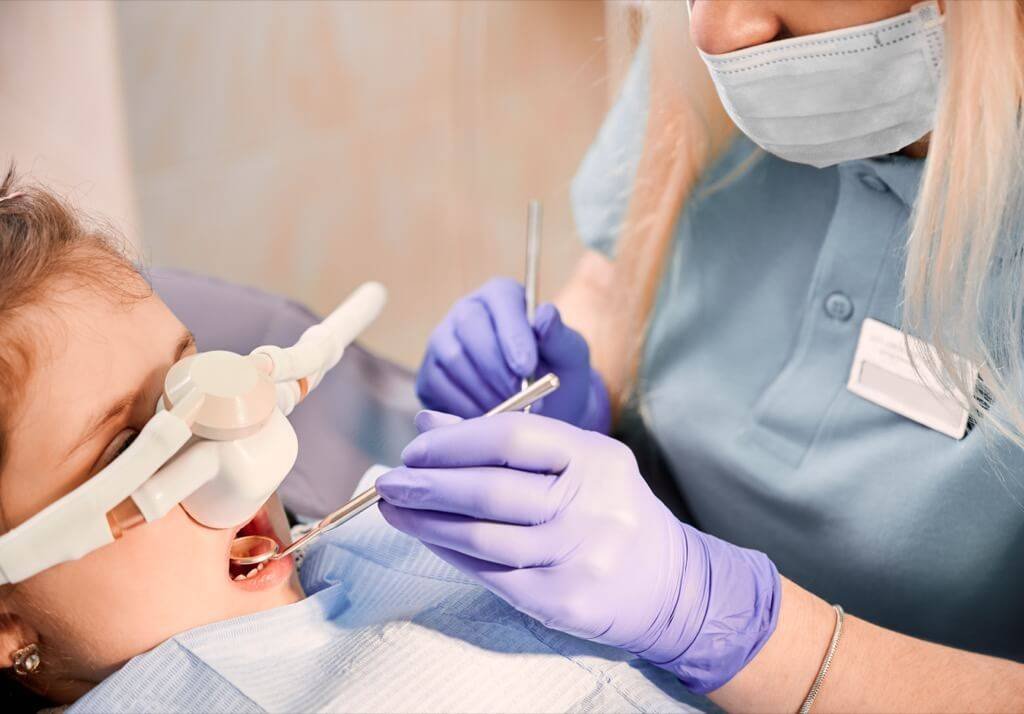
While preventative care is paramount, the reality is that families often need both preventative and restorative dental care for comprehensive oral health. Life happens: accidents can lead to dental trauma, genetic predispositions can make individuals more susceptible to certain conditions, and habits like bruxism (teeth grinding) can cause significant wear and tear despite diligent prevention.
This is where coordinated care becomes essential. Preventative measures like custom mouthguards can protect against bruxism or sports-related injuries, but if damage still occurs, restorative treatments like structural repair with crowns or bonding are necessary. Both types of care contribute to long-term tooth retention and overall oral well-being. Preventative care minimizes the incidence of disease, while restorative care addresses the consequences of disease or injury, ensuring that teeth remain functional, comfortable, and aesthetically pleasing throughout a person’s life. It’s a holistic approach that acknowledges the dynamic nature of oral health.
Pediatric Approaches: Tailoring Care from Infancy Through Adolescence
Caring for a child’s dental health requires a specialized approach, recognizing the unique developmental stages from infancy through adolescence. Early intervention is key, with the American Academy of Pediatric Dentistry recommending the age-one dental visit—or by the eruption of the first tooth, whichever comes first. This initial visit is less about treatment and more about establishing a “dental home” and providing anticipatory guidance to parents on topics such as proper oral hygiene, diet, pacifier use, and fluoride needs.
The primary dentition (baby teeth) plays a crucial role in speech development, chewing, and maintaining space for permanent teeth, making their health just as important as adult teeth. Throughout childhood, dentists focus on preventing common issues like early childhood caries and managing potential problems such as dental trauma, which is unfortunately prevalent in preschool and school-aged children. Tailoring care to a child’s specific age, risk factors, and developmental stage ensures a positive dental experience and sets the foundation for a lifetime of healthy smiles.
Evidence-Based Preventative and Restorative Dental Care for Children
Pediatric dentistry has seen significant advancements, with evidence-based approaches guiding both preventative and restorative care for young patients. For instance, silver diamine fluoride (SDF) has emerged as a powerful tool for arresting caries, particularly in young or uncooperative children, often delaying or even eliminating the need for traditional drilling. Resin infiltration is another innovative technique used to treat early, non-cavitated lesions, sealing them to prevent progression without removing tooth structure.
When restorative treatment is necessary for primary teeth, techniques like the Hall Technique involve placing preformed stainless steel crowns over decayed primary molars without local anesthetic or tooth preparation, effectively sealing the decay and arresting its progression. Stainless steel crowns are also widely used for their durability and success in restoring severely decayed primary teeth. These methods, combined with traditional fillings and sealants, provide a comprehensive toolkit for managing children’s oral health. Seeking personalized care by certified dentists who specialize in pediatric dentistry ensures that your child receives the most appropriate and effective treatments, tailored to their unique needs and comfort level.
Modern Material Selection for Primary and Permanent Teeth
The choice of restorative materials in dentistry is critical, especially when considering the differences between primary and permanent teeth, as well as factors like patient age, caries risk, and the ability to maintain a dry field (moisture control) during the procedure. For primary teeth, materials that are user-friendly, release fluoride, and can be placed quickly are often preferred. Resin-modified glass ionomer (RMGIC) is a popular choice due to its fluoride-releasing properties and tolerance for moisture, making it suitable for situations where perfect isolation is challenging.
For permanent teeth, durability and aesthetics often take precedence. Composite resin fillings are widely used for their tooth-colored appearance and ability to bond directly to the tooth structure. However, they are more technique-sensitive and require excellent moisture control. Amalgam, while less aesthetic, remains a durable and cost-effective option for posterior teeth, particularly in high-caries-risk patients or when moisture control is difficult. The decision ultimately involves a careful assessment of the lesion, the patient’s specific needs, and the dentist’s clinical judgment, balancing longevity, aesthetics, and the invasiveness of the procedure.
| Material Type | Primary Teeth | Permanent Teeth | Key Considerations |
| Resin-Modified Glass Ionomer | Often preferred (fluoride release, moisture tolerance) | Suitable for some restorations (especially where moisture is an issue) | Fluoride release, good for moisture control, less aesthetic |
| Composite Resin | Used for aesthetics, requires good moisture control | Widely used (aesthetics, strong bond) | Aesthetics, technique-sensitive, requires good moisture control |
| Amalgam | Less common (aesthetic concerns, FDA advisories for young children) | Durable, cost-effective for posterior teeth | Durability, cost, aesthetic concerns, FDA guidelines |
| Preformed Metal Crowns (e.g., Hall Technique) | Common for extensive decay in molars (primary) | Not typically used (except for some temporary crowns) | Durability, ease of placement, seals decay |
Frequently Asked Questions About Family Dental Care
We understand that parents and individuals often have questions about the best way to care for their family’s smiles. Here are answers to some commonly asked questions:
At what age should a child first visit the dentist?
The American Academy of Pediatric Dentistry recommends that a child’s first dental exam should occur by the eruption of their first tooth, and no later than 12 months of age. This early visit is crucial for establishing a dental home, allowing the dentist to perform an early risk assessment for caries and provide parents with anticipatory guidance on proper oral hygiene, diet, and habits. Children who have their first dental visit before age 1 tend to have fewer dental procedures and lower treatment costs later on.
How does caries-risk assessment change dental visit frequency?
Caries-risk assessment is a dynamic process that directly influences the frequency and type of preventative care a patient receives. For individuals identified as high-risk for cavities, dentists may recommend more frequent recall intervals for check-ups and professional cleanings (e.g., every three or four months instead of six). This allows for closer monitoring, more frequent topical fluoride application, and reinforcement of oral hygiene practices. Conversely, low-risk patients might maintain a standard six-month recall schedule. This personalized approach ensures that preventative efforts are maximized for those who need them most, reducing the likelihood of developing extensive decay that would require restorative treatments.
Can preventive measures reverse early tooth decay without drilling?
Yes, in many cases, early tooth decay can be reversed or arrested without the need for traditional drilling and fillings. This is particularly true for non-cavitated lesions, which are areas of demineralization on the tooth surface that haven’t yet broken through the enamel to form a cavity. Techniques like enamel remineralization, achieved through professional fluoride treatments, fluoride toothpastes, and proper diet, can help rebuild the mineral structure of the tooth. Additionally, treatments like resin infiltration can seal off early interproximal lesions, preventing their progression. Silver diamine fluoride (SDF) is another powerful tool that can arrest active decay, often buying time or even eliminating the need for a filling, especially in primary teeth. These minimally invasive approaches highlight the power of prevention and early detection.
Conclusion
The journey to a lifetime of healthy smiles for your family is a collaborative effort, built on the dual pillars of preventative and restorative dental care. By embracing consistent preventative routines, such as regular check-ups, professional cleanings, and diligent at-home oral hygiene, we can significantly reduce the incidence of dental disease. When issues do arise, timely restoration ensures that any damage is repaired efficiently, preserving function and preventing further complications.
Establishing a “dental home” early in a child’s life and maintaining regular dental visits for all family members are crucial steps. This comprehensive approach, guided by personalized care, empowers us to protect our oral health, ensuring lifelong wellness and the confidence that comes with a healthy, vibrant smile.
Disclaimer
This article is for general educational purposes only and is not dental or medical advice. It does not establish a dentist-patient relationship and should not be used to diagnose a condition or to choose a treatment. Every mouth is different, and the right preventative schedule, restorative material, or pediatric technique depends on an individual examination, radiographs, medical history, and a dentist’s clinical judgement. Guidance from bodies such as the American Academy of Pediatric Dentistry, the American Dental Association, and the FDA is updated periodically, so the linked sources should be checked for the current version. Anyone with dental pain, swelling, injury, or a concern about their own or their child’s oral health should contact a licensed dentist, and seek urgent care for facial swelling, difficulty breathing or swallowing, or uncontrolled bleeding.