

High-risk professions, such as military service, construction, mining, and healthcare, involve jobs that expose workers to various physical, environmental, and mental challenges. These occupations often come with significant health risks due to hazardous conditions, long hours, and high stress.
This article aims to highlight the potential health risks faced by workers in these fields and emphasize the importance of awareness, preventive measures, and regular health monitoring to safeguard their well-being.
Common Health Risks in High-Risk Professions
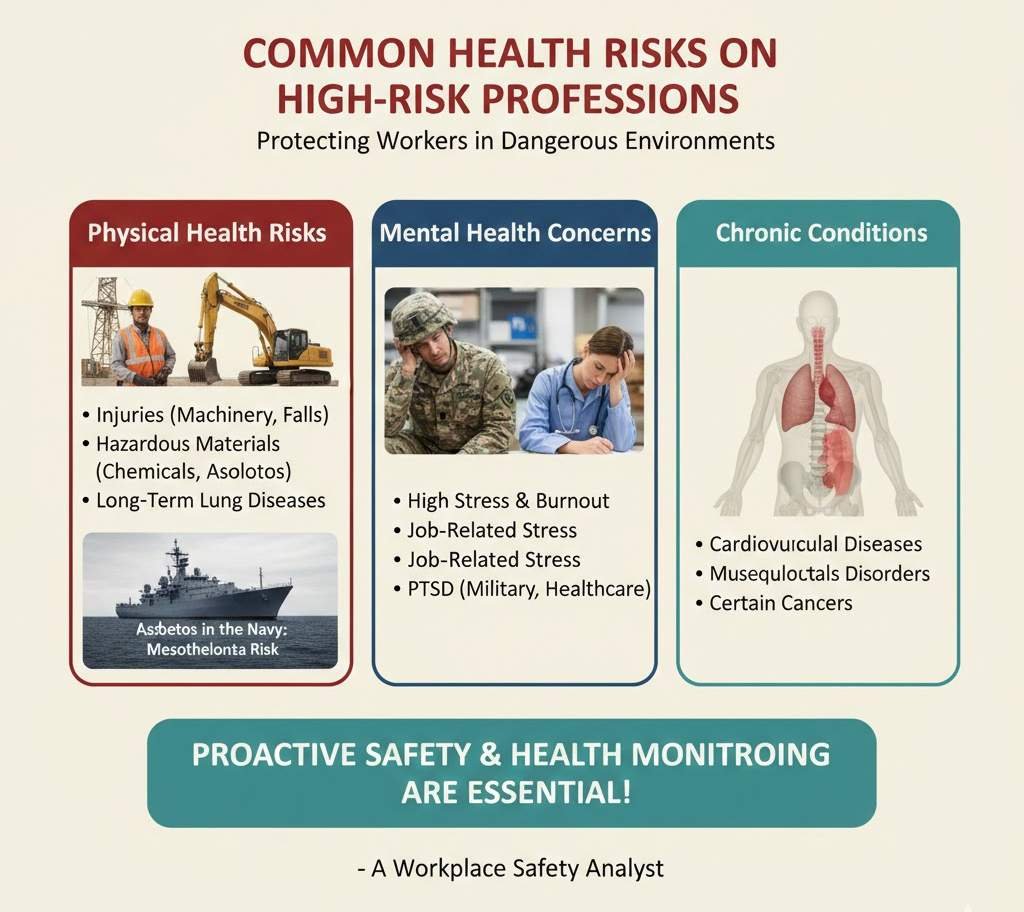
Workers in high-risk professions face a range of physical health risks, including injuries from heavy machinery, falls, or accidents. Exposure to hazardous materials such as chemicals, asbestos, and loud noise can lead to respiratory issues, hearing loss, and long-term lung diseases.
For instance, asbestos in the Navy has long been a concern for sailors, with prolonged exposure increasing the risk of lung-related diseases like mesothelioma. Mental health is also a significant concern, with high-stress jobs leading to burnout, job-related stress, and conditions like PTSD, particularly among military and healthcare workers.
Over time, workers in these fields may develop chronic conditions, such as cardiovascular diseases, musculoskeletal disorders, or certain cancers, as a result of prolonged exposure to hazardous environments. These health risks highlight the need for proactive safety measures and regular health monitoring.
Preventive Measures and Safety Protocols
Preventing health risks in high-risk professions begins with implementing strong workplace safety protocols. Personal protective equipment (PPE) is crucial in safeguarding workers from exposure to hazardous materials. PPE, such as helmets, gloves, and respiratory masks, provides an essential layer of protection. Key preventive measures include:
- Health screenings: Regular check-ups help in the early detection of diseases, allowing for quicker intervention and treatment.
- Employee training: Ensuring workers are trained in handling hazardous materials safely and are aware of mental health resources can prevent accidents and reduce stress-related conditions.
- Safety protocols: Clear, enforced guidelines for the use of protective gear and safe working practices can significantly minimize exposure to risks.
Additionally, governmental agencies, such as OSHA, play a vital role in enforcing regulations to ensure workplace safety and prevent long-term health issues. Compliance with these standards is essential in protecting workers’ health.
Importance of Early Diagnosis and Health Monitoring
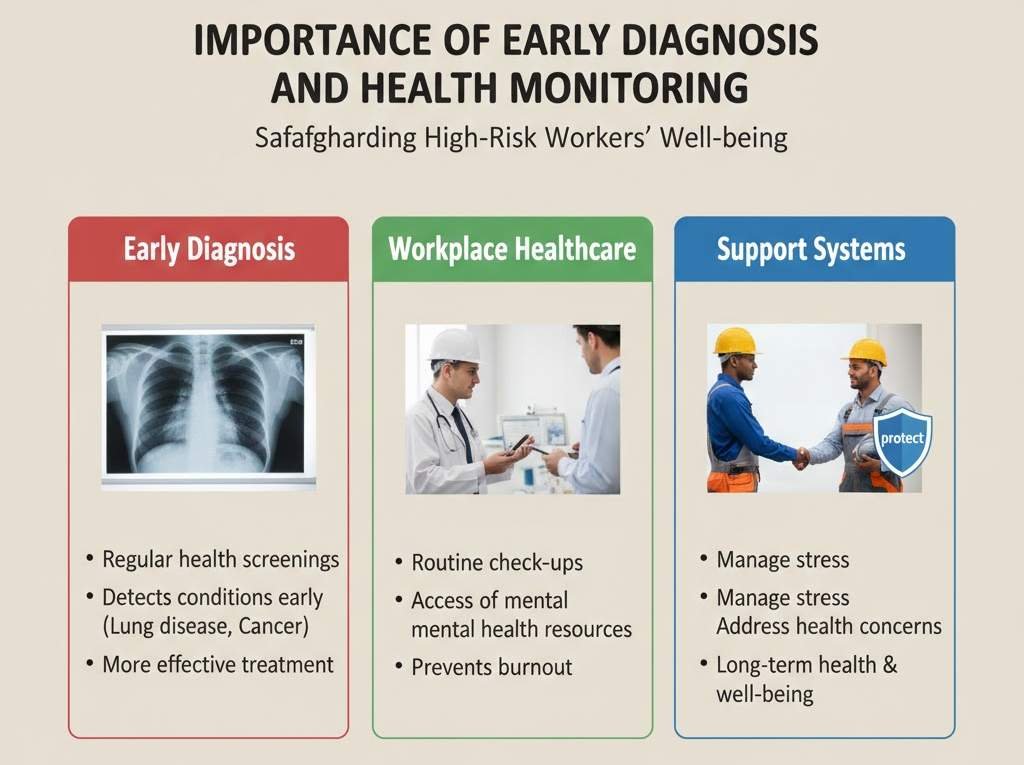
Regular health screenings are essential for detecting conditions like lung disease, cancer, and mental health disorders at an early stage. Early diagnosis allows for more effective treatment and better outcomes. Workplace healthcare programs play a crucial role in supporting workers by offering routine check-ups and providing access to mental health resources.
It’s equally important to establish support systems within the workplace, ensuring that workers have the necessary resources to manage stress, prevent burnout, and address any health concerns. These programs help safeguard long-term health and well-being for those in high-risk professions.
Endnote
Understanding the health risks in high-risk professions is crucial for safeguarding workers’ well-being. By being aware of potential hazards, workers can take proactive steps to minimize their exposure and seek timely healthcare.
It’s essential to follow safety guidelines, undergo regular health screenings, and prioritize mental health. Workers in these fields are encouraged to stay vigilant, protect their health, and seek early diagnosis to ensure a long, healthy career.
Disclaimer
The information provided in this article is intended for general educational and informational purposes only. It should not be considered medical, legal, or professional advice. While every effort has been made to ensure accuracy, workplace health risks and regulations may vary depending on profession, location, and individual circumstances. Readers are advised to consult qualified healthcare professionals, occupational safety experts, or relevant authorities for personalized guidance, diagnosis, or treatment. The authors and publishers are not responsible for any actions taken based on the information presented in this article.
References
- OSHA (2023): Safety and Health Topics: Hazard Identification – U.S. Department of Labor.
- WHO (2022): Occupational Health: Health Workers and Occupational Risks – World Health Organization.
- NIOSH (2021): Workplace Safety and Health Topics – Centers for Disease Control and Prevention (CDC).
- CDC (2023): Workplace Health Promotion and Safety – Centers for Disease Control and Prevention.
- APA (2023) & ILO (2021): Work Stress and Mental Health – American Psychological Association; Safety and Health at the Heart of the Future of Work – International Labour Organization.