


The person who wants to have private health insurance needs to find out how his or her policy covers the pre-existing conditions. A pre-existing condition is an illness, injury, diagnosis, signs, or treatment that happened prior to the beginning of coverage according to the definition of the insurance company. There are great differences in these policies, and thus making assumptions about coverage of pre-existing conditions may cause additional costs. Looking through the coverage rules gives better awareness of what health services might be provided.
Reviewing The Policy Definition
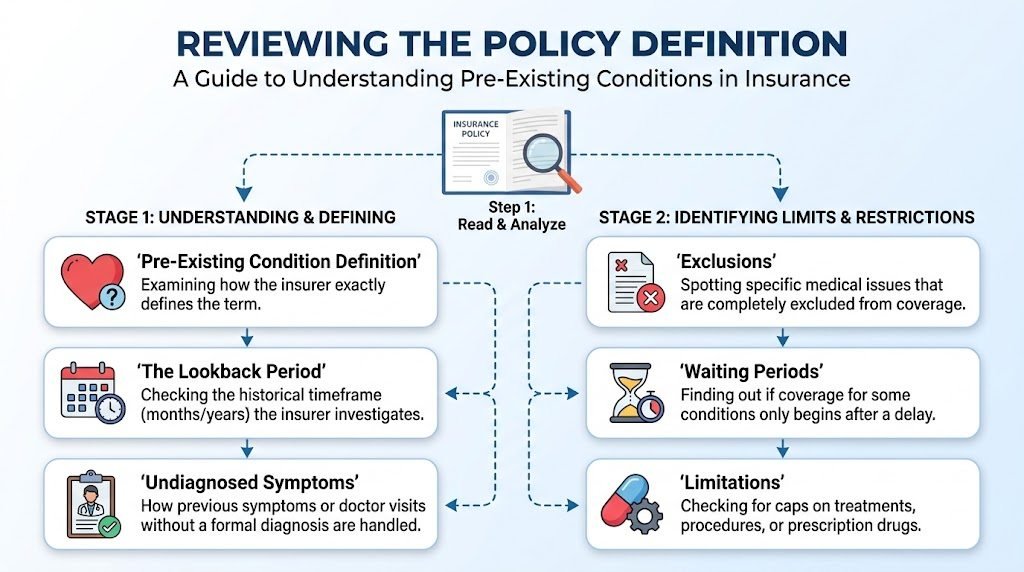
What an insurer is permitted to exclude depends on the type of plan and where it is sold. In the United States, for example, Marketplace plans must cover treatment for pre-existing conditions, and such a plan cannot reject an applicant, charge more, or refuse to pay for essential health benefits because of a condition that existed before coverage started. Grandfathered individual policies bought on or before March 23, 2010 are an exception, and short-term limited duration plans are not held to the same standard either, which is where exclusions and waiting periods are still commonly found.
The initial stage would be reading the policy documents and defining the exact definition of pre-existing condition offered by the insurance company. In some cases, a lookback period will apply to certain pre-existing conditions. In other cases, the insurance company will define the terms of coverage according to the kind of problem that exists. Reading the policy will give an understanding about what happens in cases where the client had some previous symptoms or had visited a doctor but there was no diagnosis at all.
It is important to review the policy document in order to discover any exclusions, waiting periods, or limitations related to any existing medical problems. Some insurers may offer coverage after a certain waiting period and not exclude the problem entirely. Some policies may limit the coverage in relation to treatment, procedures, or prescriptions of drugs due to some problems.
Checking Insurer Requirements
Consumers should seek information from the insurance company if their policies fail to give an explicit definition regarding pre-existing conditions. They should ask pointed questions regarding the consumer’s diagnosed condition, past symptoms, treatments, and anticipated medical care; these will provide more useful information compared to a general inquiry regarding the insurance of pre-existing conditions. The insurer may also clarify if any further information such as medical reports or any other documentations must be provided to establish coverage.
It is vital to obtain substantial information in writing where possible. Although a representative on the phone will be able to give some advice, it will make things easier for the consumer to know exactly what kind of coverage the insurer is willing to give by obtaining written information. Consumers should save all their communication with the insurer, policy details, application forms, and information about the consumer’s pre-existing condition. If an insurer will not answer clearly, the relevant state insurance department regulates insurers locally and takes consumer questions and complaints.
Comparing Coverage Restrictions
Consumers have to go past the monthly rate when comparing different types of plans and have a look at how each plan addresses the pre-existing condition. While one plan may have a low monthly premium but long waiting period or exclusion, another plan may be slightly more expensive but offer better means for accessing treatment. Comparison of the coverage, deductibles, waiting periods, exclusions, and restrictions regarding providers can assist in making the right decision. Coverage obtained through an employer sits under a separate set of rules, and the Employee Benefits Security Administration publishes guidance on what job-based plans must provide. Background on the wider framework is available from the Department of Health and Human Services.
Applicants have to provide truthful responses when answering medical questions during application. Failure to disclose some information, which may be required by the insurer, can result in difficulties when reviewing the claim in the future. Even minor conditions, such as colds, might become important in this case because they were asked for. Providing all the necessary information allows the insurer to determine eligibility and limitations beforehand.
Confirming Coverage Before Treatment
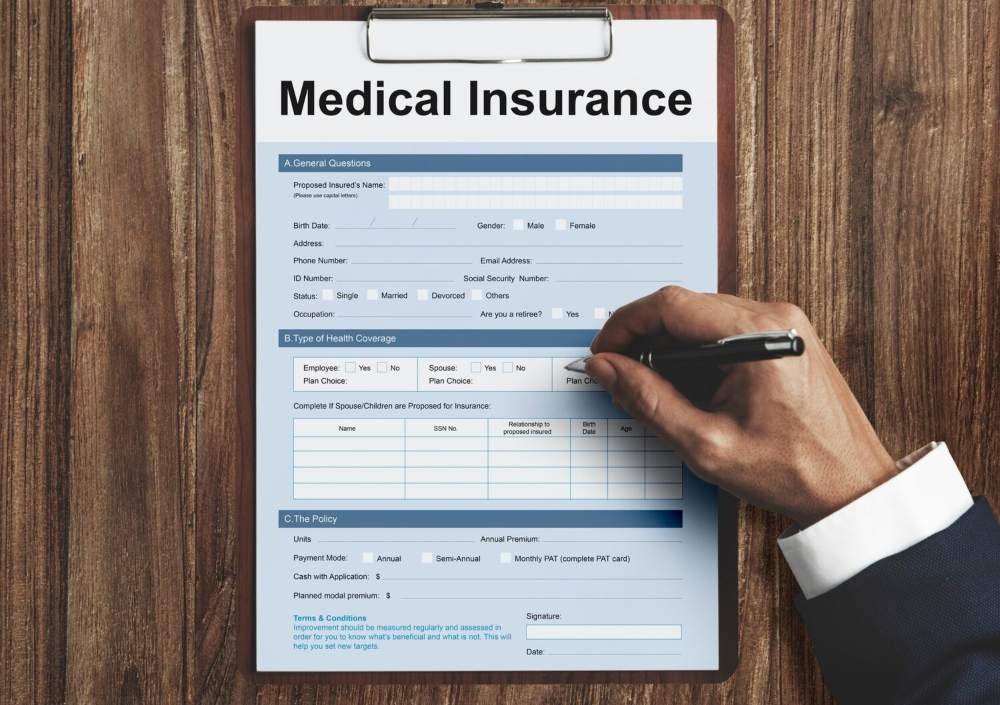
Coverage should be established before arranging a major procedure or therapy associated with the pre-existing condition. Even if there is a general coverage on the condition, a specific service may need prior approval, a referral or a visit to a certain network of providers. It will help avoid any surprises concerning payments for such care. In addition, consumers should know about the existence of deductibles, copayments or annual limits for certain services. If a service is denied, there is normally a right to appeal the insurance company’s decision through an internal review and, in many cases, an independent external review.
The verification of private health insurance coverage for pre-existing conditions should take into consideration definitions of exclusions, waiting periods and application requirements in detail. The review of the policy, the request for the clarification from the insurer, and the establishment of written evidence can assist in making sure of the actual coverage. All of these actions should be performed before purchasing insurance or getting care.
It is critical to know whether the insurer recognizes the pre-existing conditions in order to select the insurance plan. Close examination of the plan terms and communication with the insurance company will help one avoid possible misinterpretations concerning their healthcare costs.
Disclaimer: This article is provided for general informational purposes only and is not insurance, legal, financial, or medical advice. Rules on pre-existing conditions differ significantly by plan type, by state, and by country, and they change over time. Nothing here describes the terms of any specific policy. Always confirm coverage directly with your insurer in writing, read your own policy documents, and contact your state insurance department or a licensed insurance professional before buying a plan or arranging treatment.