
By using this site, you agree to the Privacy Policy and Terms.
Accept
DoctiPlus Logo DoctiPlus Logo
  • Find
  • Patient
  • Doctors
  • Health Conditions
  • Write For Us
  • Complaints & Feedback
  • Login
DoctiplusDoctiplus
Aa
  • Doctiplus | Doctors Online 24/7 Without Registration
  • Find
  • Our Services
  • Sign Up
Search
  • Find
  • Our Services
  • Sign Up
Follow US
Health & Wellness Tips

How To Create a Diabetic Foot Care Routine

Dr. Amy Spizuoco, DO Dermatologist
Last updated: 2025/12/09 at 10:16 AM
By Dr. Amy Spizuoco, DO Dermatologist
Share
5 Min Read
How To Create a Diabetic Foot Care Routine
SHARE

Proper diabetic foot care is key to managing diabetes-related complications, such as reduced blood flow and nerve damage in the feet. Diabetes can decrease your ability to feel sensations like pain, heat, or cold, making foot problems easier to miss. Establishing a regular care routine helps detect issues early and prevent infections or ulcers. Here’s how to create an effective foot care routine:

Contents
Inspect Your FeetBathe Your FeetWear Proper FootwearProtect Your FeetConsult a Professional for Proper Diabetic Foot Care

Inspect Your Feet

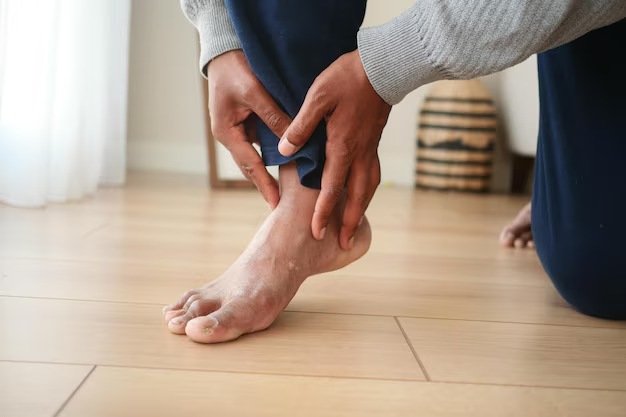
Using a bright light, check your feet for nail problems, cuts, redness, blisters, or swelling every day. You should also look for scratches or bruises. Using a hand mirror will help you inspect the bottoms of your feet, especially areas prone to pressure sores. If you notice blisters or sores, cover them with a bandage and avoid popping them. Any unusual changes should be discussed with a podiatrist. 

Bathe Your Feet
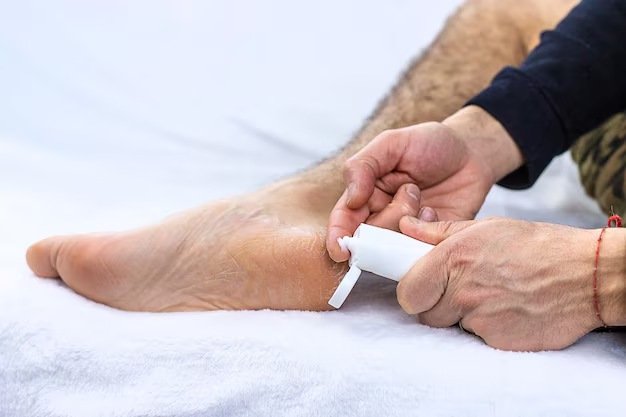
Bathe Your Feet

Cleaning your feet with lukewarm water is beneficial, as hot water can burn skin with reduced sensation due to diabetic neuropathy. Gentle motions with a soft washcloth or sponge help remove dirt without irritating, and drying carefully, especially between the toes, prevents moisture buildup that can lead to fungal infections. Moisturising the feet supports skin health by preventing dryness, cracking, and itching, but it’s necessary to avoid the spaces between the toes to reduce the risk of fungal growth.

Toenails should be trimmed straight across to avoid ingrown nails, which can become infected in people with diabetes. Cutting too short or rounding the corners increases this risk. Filing the edges afterwards helps smooth rough areas, reducing the chance of snagging or minor cuts. Your podiatrist may also recommend inspecting nails for signs of thickening, discolouration, or fungal infection, as early detection can help prevent more serious complications.

Wear Proper Footwear

A good diabetic foot care routine requires choosing properly fitting shoes. When shoes are too loose or too tight, it may lead to blisters. Find closed-toe shoes with a stiff outer sole for support and protection. The interior should be soft and free of rough spots that could cause irritation or blisters. Shoes with cushioned insoles help distribute pressure more evenly, reducing the risk of discomfort or foot injuries, especially for people with diabetes.

Avoid shoes with a narrow toe box or open-toe footwear, such as flip-flops. Shoes with a wide toe box prevent your toes from crowding inside the shoe. Avoid walking barefoot, even indoors, to reduce the risk of cuts or puncture wounds; small debris, such as splinters, pet claws, or tiny shards of glass, can easily injure the foot. Opt for supportive house slippers with firm soles and a snug fit to protect against accidental impact. Before putting on shoes, inspect them for pebbles or worn areas that could cause irritation or pressure points. Regularly rotating footwear and checking socks for rough seams also helps prevent friction-related injuries.

Protect Your Feet

Protect your feet from extreme temperatures, as reduced sensation can increase the risk of burns or frostbite. Avoid direct contact with heaters, open fires, or hot surfaces; even brief exposure can cause injury without your noticing. In cold weather, wear warm socks and insulated shoes to keep your feet warm. Promoting circulation is key to healthy feet. Gentle movements such as wiggling your toes, rotating your ankles, or taking short walks help maintain blood flow and reduce stiffness.

Consult a Professional for Proper Diabetic Foot Care

If you develop throbbing, swelling, pain, or discolouration in your feet, you should see a professional. Avoid treating corns or calluses yourself to ensure you receive comprehensive, safe treatment. Schedule an appointment with a foot provider today to learn more about proper care techniques.

Share This Article
Facebook Twitter Copy Link Print
By Dr. Amy Spizuoco, DO Dermatologist
Follow:
Dr. Amy Spizuoco is a board-certified dermatologist specializing in medical, cosmetic, and surgical dermatology. She diagnoses and treats a wide range of skin, hair, and nail conditions, including acne, eczema, psoriasis, and skin cancer. With expertise in advanced dermatologic procedures and cosmetic treatments, Dr. Spizuoco is dedicated to helping patients achieve healthy, confident skin.
Leave a comment Leave a comment

Leave a Reply Cancel reply

Your email address will not be published. Required fields are marked *

Fast Four Quiz: Precision Medicine in Cancer

How much do you know about precision medicine in cancer? Test your knowledge with this quick quiz.
Get Started
Stevia Powder: Benefits, Risks, and Safe Use for People with Diabetes

One of the most common questions I hear in my office is:…

5 Common Health Conditions You Can Address with Online Consultations

Online healthcare consultations are becoming a popular option for many people seeking…

Top 10 Tips for Maintaining a Healthy Lifestyle Without Going to the Gym

Maintaining a healthy lifestyle doesn't always require hitting the gym. With the…

Understanding Your Health: The Importance of Regular Checkups

Routine medical checkups play an important role in staying healthy. While many…

Managing Stress: Simple Techniques for Everyday Life

Stress affects 77% of Americans regularly, according to the American Psychological Association's…

Your one-stop resource for medical news and education.

Your one-stop resource for medical news and education.
Sign Up for Free

You Might Also Like

How Online Doctor in Nursing Programs Work
Health & Wellness Tips

How Online Doctor in Nursing Programs Work

By Editors Team
Health Risks for Workers in High-Risk Professions: What to Know
Health & Wellness Tips

Health Risks for Workers in High-Risk Professions: What to Know

By Doctors And Health Specialists
Cephalexin: Uses, Dosage, Side Effects, and Safety Guide
Health & Wellness Tips

Cephalexin: Uses, Dosage, Side Effects, and Safety Guide

By Doctors And Health Specialists
Why Lean People Can’t Build Muscle Easily and What Actually Works
Health & Wellness Tips

Why Lean People Can’t Build Muscle Easily and What Actually Works

By Rachel Harvest, RDN, MS Dietitian & Nutritionist
DoctiPlus Logo

Doctiplus – Consult doctors online 24/7 from home. No registration needed. Ask a doctor anytime, 365 days a year. Fast, trusted, and secure care.

Facebook Instagram Youtube Linkedin Pinterest
More Info
  • About Us
  • Contact Us
  • Our Services
  • Privacy Policy
  • Editorial Policy
  • Terms And Conditions
  • Our Location
More Guides
  • Find
  • Doctor
  • Resources We Rely On
  • Patient
  • Sign Up
  • Compliance Statement – Doctiplus
© 2025 Doctiplus.net | Independent Health Information Platform | Disclaimer: Not affiliated with or endorsed by any company named ‘Doctiplus.com
 
Welcome Back!

Sign in to your account

Lost your password?