

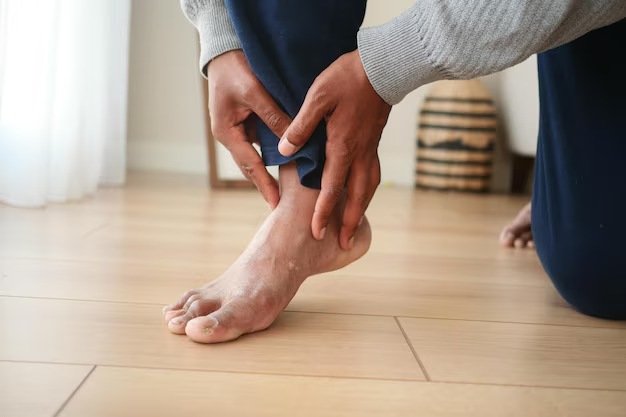
Proper diabetic foot care is key to managing diabetes-related complications, such as reduced blood flow and nerve damage in the feet. Diabetes can decrease your ability to feel sensations like pain, heat, or cold, making foot problems easier to miss. Establishing a regular care routine helps detect issues early and prevent infections or ulcers. Here’s how to create an effective foot care routine:
Inspect Your Feet
Using a bright light, check your feet for nail problems, cuts, redness, blisters, or swelling every day. You should also look for scratches or bruises. Using a hand mirror will help you inspect the bottoms of your feet, especially areas prone to pressure sores. If you notice blisters or sores, cover them with a bandage and avoid popping them. Any unusual changes should be discussed with a podiatrist, specialists like Beaver Valley Foot Clinic offer dedicated diabetic foot exams designed to catch early warning signs before they become serious complications.
Bathe Your Feet
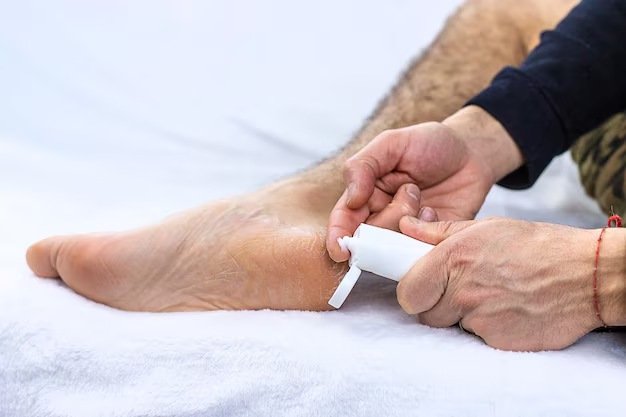
Cleaning your feet with lukewarm water is beneficial, as hot water can burn skin with reduced sensation due to diabetic neuropathy. Gentle motions with a soft washcloth or sponge help remove dirt without irritating, and drying carefully, especially between the toes, prevents moisture buildup that can lead to fungal infections. Moisturising the feet supports skin health by preventing dryness, cracking, and itching, but it’s necessary to avoid the spaces between the toes to reduce the risk of fungal growth.
Toenails should be trimmed straight across to avoid ingrown nails, which can become infected in people with diabetes. Cutting too short or rounding the corners increases this risk. Filing the edges afterwards helps smooth rough areas, reducing the chance of snagging or minor cuts. Your podiatrist may also recommend inspecting nails for signs of thickening, discolouration, or fungal infection, as early detection can help prevent more serious complications.
Wear Proper Footwear
A good diabetic foot care routine requires choosing properly fitting shoes. When shoes are too loose or too tight, it may lead to blisters. Find closed-toe shoes with a stiff outer sole for support and protection. The interior should be soft and free of rough spots that could cause irritation or blisters. Shoes with cushioned insoles help distribute pressure more evenly, reducing the risk of discomfort or foot injuries, especially for people with diabetes.
Avoid shoes with a narrow toe box or open-toe footwear, such as flip-flops. Shoes with a wide toe box prevent your toes from crowding inside the shoe. Avoid walking barefoot, even indoors, to reduce the risk of cuts or puncture wounds; small debris, such as splinters, pet claws, or tiny shards of glass, can easily injure the foot. Opt for supportive house slippers with firm soles and a snug fit to protect against accidental impact. Before putting on shoes, inspect them for pebbles or worn areas that could cause irritation or pressure points. Regularly rotating footwear and checking socks for rough seams also helps prevent friction-related injuries.
Protect Your Feet
Protect your feet from extreme temperatures, as reduced sensation can increase the risk of burns or frostbite. Avoid direct contact with heaters, open fires, or hot surfaces; even brief exposure can cause injury without your noticing. In cold weather, wear warm socks and insulated shoes to keep your feet warm. Promoting circulation is key to healthy feet. Gentle movements such as wiggling your toes, rotating your ankles, or taking short walks help maintain blood flow and reduce stiffness.
Consult a Professional for Proper Diabetic Foot Care
If you develop throbbing, swelling, pain, or discolouration in your feet, you should see a professional. Avoid treating corns or calluses yourself to ensure you receive comprehensive, safe treatment. Schedule an appointment with a foot provider today to learn more about proper care techniques.