

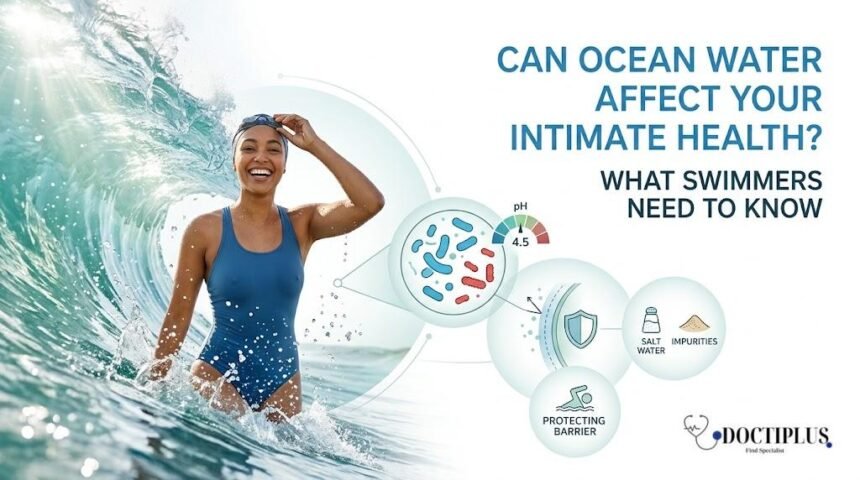
Swimming in the ocean is one of life’s genuine pleasures, and there are well-documented health benefits associated with regular sea swimming. However, it is also worth understanding how ocean water interacts with more sensitive areas of the body, particularly the skin and the microbiome surrounding the groin and intimate regions. Maintaining a healthy bacterial balance in this area matters for overall well-being, and knowing how to protect it before and after a swim can make a meaningful difference to how you feel.
This guide explores what ocean water actually contains, how it can affect intimate and skin health, including considerations around probiotics for women, what the evidence says about real versus overstated risks, and the practical steps swimmers can take to stay comfortable and healthy throughout the season.
Science of Ocean Water and Its Effects on the Body
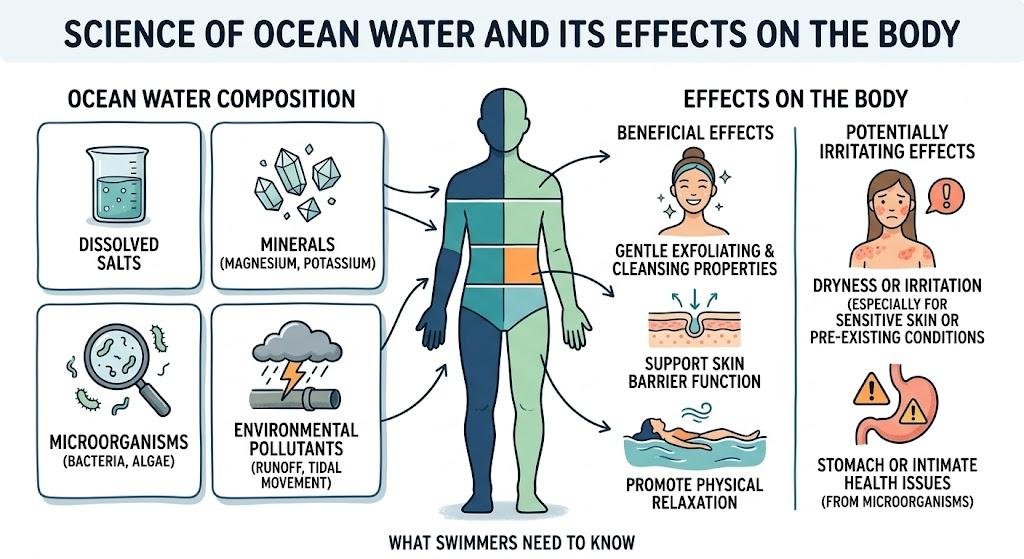
Ocean water is far more complex than it might appear from the surface. Its primary composition includes dissolved salts, a wide range of minerals, and a diverse community of microorganisms. When these elements come into contact with the skin, the effects can be both beneficial and, in certain circumstances, potentially irritating depending on an individual’s skin type, health status, and the specific conditions of the water.
Sea salt is well established in dermatology for its gentle exfoliating and cleansing properties. Minerals commonly found in seawater, such as magnesium and potassium, can support skin barrier function and promote a sense of physical relaxation. However, the same mineral concentration that benefits some skin types can cause dryness or irritation in others, particularly for those with sensitive skin or pre-existing dermatological conditions.
Beyond minerals, ocean water contains living bacteria, naturally occurring algae, and in some coastal areas, traces of environmental pollutants carried by runoff and tidal movement. The concentration of these elements varies considerably depending on location, season, water temperature, and proximity to urban or agricultural areas.
Should You Be Concerned About Swimming in the Ocean?
Concerns about the health implications of ocean water are not entirely unfounded, but they are also frequently overstated. The ocean is a vast and dynamic ecosystem. While it does contain bacteria, pollutants, and potential allergens, the risk of serious health consequences from recreational swimming is relatively low for most healthy adults.
According to the UK Environment Agency’s Bathing Water Quality monitoring programme, the vast majority of designated bathing beaches in England are classified as having sufficient or excellent water quality during the summer swimming season. Monitoring data is updated regularly, providing swimmers with practical guidance on which locations have higher or lower levels of bacterial contamination on any given day.
The risks that do exist tend to be higher in specific circumstances: after periods of heavy rainfall that flush agricultural runoff and sewage overflow into coastal waters, near river mouths and harbours, or at beaches that have received poor quality ratings from environmental authorities. Being aware of local water quality data before swimming is one of the most effective precautions available.
Separating Myth from Reality About Ocean Water and Intimate Health
There are several persistent misconceptions about how ocean swimming affects intimate health, and it is worth addressing them directly. A commonly repeated claim is that swimming in the sea significantly disrupts vaginal flora or causes immediate infections. While ocean water does introduce external bacteria to the body’s surface, the risk of serious intimate health consequences from a typical swim in clean, good-quality water is genuinely low for most people.
The vaginal microbiome is a resilient ecosystem primarily maintained by naturally occurring lactobacillus bacteria, which create an acidic environment that helps protect against the overgrowth of harmful organisms. As the NHS explains in its guidance on vaginal health, the vagina is largely self-regulating, and healthy individuals have considerable natural protection against environmental exposure during short periods of swimming.
That said, prolonged exposure to damp swimwear, high bacterial concentrations in polluted water, or an already disrupted microbiome can increase the likelihood of irritation or infection. The key is context: a brief swim in clean water at a well-monitored beach carries a very different risk from extended time in contaminated or stagnant water.
How Swimmers Can Support Their Health Before and After Ocean Swimming
The most effective protection against the negative effects of ocean water is straightforward hygiene practices that take only a few minutes to implement. None of them requires specialist products or significant effort, and together they substantially reduce the risk of skin irritation, infection, or microbiome disruption following a swim.
Rinse Off Immediately After Swimming
Rinsing the body with clean, fresh water as soon as possible after leaving the sea is one of the simplest and most effective steps a swimmer can take. Salt residue left on the skin draws moisture out of the epidermis and can cause dryness and irritation, particularly in sensitive areas. Most beaches and lidos provide outdoor shower facilities for exactly this purpose, and using them promptly after swimming makes a noticeable difference to how the skin feels in the hours that follow.
Change Out of Wet Swimwear Promptly
Wearing wet swimwear for extended periods after swimming creates warm, damp conditions that promote the growth of bacteria and yeast. This is a well-recognised contributing factor in the development of conditions such as thrush and bacterial vaginosis. Changing into dry clothing as soon as practically possible after leaving the water is a straightforward habit that meaningfully reduces this risk.
Monitor the Skin for Signs of Irritation
It is worth paying attention to how the skin responds in the hours following a swim, particularly in sensitive areas. Redness, itching, or a rash may indicate a reaction to bacteria, salt concentration, or a contaminant in the water. Addressing these signs early, rather than dismissing them, allows for prompt treatment and prevents minor irritation from developing into a more significant problem.
Protect Open Wounds Before Entering the Water
Any cuts, abrasions, or open wounds should be carefully protected before swimming in the sea or avoided entirely until healed. Ocean water contains bacteria that can enter the body through broken skin and cause localised or, in rare cases, systemic infections. The NHS guidance on wound care and infection recommends keeping wounds clean and covered until fully closed, with particular importance in open water environments.
Shower Thoroughly After Leaving the Beach
A full shower with soap after a beach visit goes beyond the initial rinse and removes residual salt, sand, sunscreen, and any bacteria that may have been transferred to the skin during swimming. This step is especially important for anyone who has spent time in water of uncertain quality, or who swam in conditions following recent rainfall. Paying particular attention to skin folds and sensitive areas during the post-beach shower provides additional protection.
Stay Well Hydrated Throughout the Day
Time spent in the sun, saltwater, and warm outdoor conditions increases the rate at which the body loses fluid. Dehydration affects every system in the body, including the skin’s ability to maintain its barrier function and the body’s capacity to manage bacterial balance. Drinking sufficient water throughout the day, especially after swimming, supports recovery and overall well-being. NHS guidance on hydration recommends around six to eight glasses of fluid daily under normal conditions, with additional intake needed during physical activity or exposure to heat.
Consider Probiotics for Vaginal Microbiome Support
Supporting the vaginal microbiome directly can be beneficial, particularly during periods when its natural balance may be more easily disrupted, such as after frequent swimming, prolonged time in wet swimwear, or other environmental exposures.
The vaginal environment is typically dominated by beneficial Lactobacillus bacteria, which help maintain an acidic pH and act as a natural defence against the overgrowth of harmful microorganisms. When this balance is disturbed, it can increase the likelihood of irritation or common conditions such as bacterial vaginosis or yeast infections.
Probiotics formulated specifically for vaginal health are designed to support this delicate ecosystem. Certain strains of Lactobacillus have been studied for their ability to help maintain a healthy microbial balance by producing lactic acid and supporting the body’s natural protective mechanisms.
While not everyone will need probiotic support, some individuals may find them helpful as part of a broader approach to intimate health, particularly when combined with good hygiene practices and healthy lifestyle habits. Choosing a product tailored to vaginal microbiome support, rather than general gut health, may provide more targeted benefits in this context.
Balancing Ocean Health Benefits with Sensible Precautions
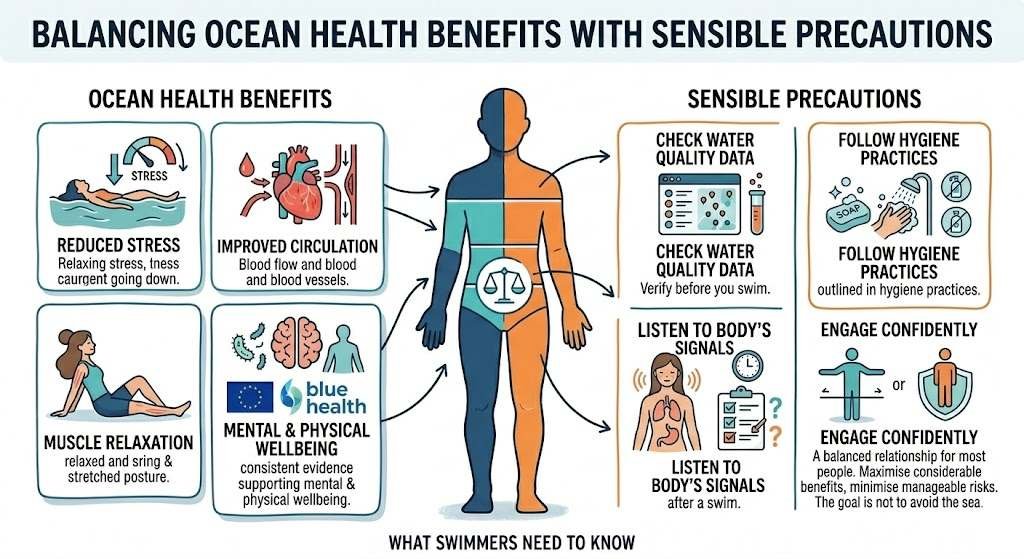
The relationship between ocean swimming and the body is genuinely beneficial for most people when approached with reasonable awareness. Sea swimming has been associated with reduced stress, improved circulation, muscle relaxation, and the psychological benefits of time spent in natural environments. The Blue Health research programme, a major European study into the health impacts of coastal and aquatic environments, found consistent evidence that exposure to blue spaces supports mental and physical wellbeing across a range of populations.
None of this requires abandoning caution entirely. Checking water quality data before swimming, following the hygiene practices outlined above, and listening to the body’s signals in the hours after a swim are sensible habits that help people enjoy ocean swimming without unnecessary risk. The goal is not to avoid the sea, but to engage with it in a way that maximises its considerable benefits while minimising the small number of manageable risks it presents.
Conclusion
Ocean water contains a complex mix of minerals, salts, bacteria, and microorganisms that interact with the body in both beneficial and occasionally challenging ways. For most healthy adults, swimming at beaches with good water quality ratings poses low risks to intimate and general skin health, which are entirely manageable with straightforward hygiene habits.
Rinsing off promptly, changing out of wet swimwear, showering thoroughly, staying hydrated, and supporting the body’s microbiome through diet and, where appropriate, probiotics are all practical steps that make a real difference. Combined with awareness of local water quality conditions and attention to how the body responds after each swim, these habits allow swimmers to enjoy the ocean with confidence and without compromising their health.
The sea remains one of the most accessible and genuinely restorative environments available. With a little preparation and awareness, there is every reason to dive in and enjoy it fully.
Disclaimer
This article is intended for general informational and educational purposes only. It does not constitute medical advice and should not be used as a substitute for professional medical guidance, diagnosis, or treatment. If you experience persistent skin irritation, discomfort, unusual discharge, or any other symptoms following ocean swimming, please consult a qualified healthcare professional promptly. Individual health circumstances vary, and the information provided in this article may not apply to every reader’s situation. External links are included for reference purposes only and do not represent an endorsement of any third-party organisation, product, or service.