

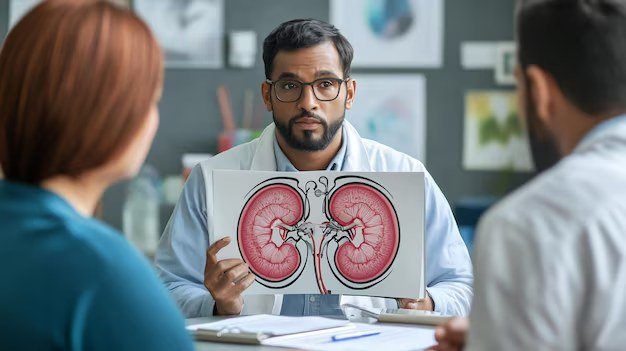
It’s scary to receive a chronic kidney disease diagnosis. You might feel like you have lost control of your health. But that is far from the truth.
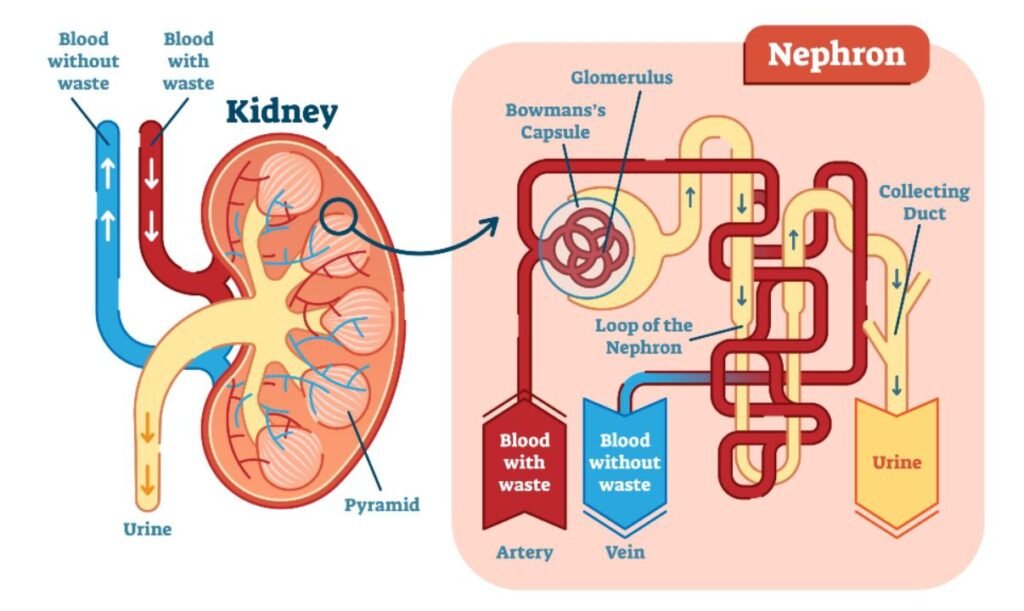
Chronic kidney disease (CKD) refers to permanent impairment of kidney function due to damage. It’s because of the damage that the kidneys cannot filter your blood the way they should.
While CKD is a serious condition, it often progresses slowly. That means you can protect your kidney function for years to come by making a few lifestyle changes.
Here, we’ll share a few lifestyle changes you can make to slow the progression of CKD. Before we dive into them, let’s take a look at why it is essential to slow the disease’s progression.
Why is it Important to Slow Down the Progression of CKD?
Slowing CKD progression is essential for three reasons, and they are as follows:
1. Delaying Kidney Failure and Life-Altering Treatment
Slowing CKD progression is essential to prevent End-Stage Renal Disease ESRD). ESRD means your kidneys have lost almost all function. This point is officially defined as having a GFR below 15 mL/min.
At that stage, life-sustaining treatment is necessary. Treatment options include regular dialysis or kidney transplants. When you consistently manage your condition, you postpone these interventions.
2. Lowering Your Risk of Heart Disease
High blood pressure causes damage to both your heart and your kidneys. As these organs work closely together, problems in one often affect the other.
Kidney disease actually increases the risk of cardiovascular events like heart attack and stroke. In fact, a study published in PMC reveals that the risk of cardiovascular events is 25 to 100 times greater in patients with CKD at its early stages.
Treating your kidney condition actively protects your heart. Many risk factors damage both organs simultaneously. These common factors include high blood pressure, smoking, and obesity. A strategy that protects your kidneys automatically protects your heart.
3. Protecting Your Quality of Life
In the early stages of CKD, people often have no noticeable symptoms. However, as the disease progresses, it starts to affect how you feel every day.
Advanced CKD can bring symptoms like low energy, weakness, and a constant feeling of tiredness. You might also notice swelling in your hands, feet, or ankles.
When you slow the progression of CKD, you delay the onset of these difficult symptoms. This allows you to maintain your quality of life for much longer. Keeping your kidneys as healthy as possible helps you feel better, stronger, and more capable overall.
Tips to Slow the Progression of CKD
Below are a few strategies that can help slow the progression of CKD:
1. Take Control of Your Blood Pressure
Hypertension, or high blood pressure, is the kidney’s number one enemy. It is the second leading cause of kidney failure in the US, right after diabetes.
High pressure forces blood into your delicate kidney filters, damaging them. When these vessels are damaged, they cannot filter your blood effectively.
Managing your blood pressure significantly slows CKD progression. Recent guidelines suggest aiming for a systolic BP under 120 mm Hg, which is the top number in a reading.
Your doctor will set a more aggressive blood pressure target if your urine test confirms high albuminuria (protein leakage in the urine). This helps reduce the internal pressure and relieve the strain on your overloaded filters.
To keep your blood pressure in check, monitor it regularly. Take blood pressure medications as prescribed.
Doctors generally advise Angiotensin Converting Enzyme (ACE) inhibitors and Angiotensin Receptor Blockers as they are kidney-friendly. These medications block or reduce the effects of angiotensin-2, a hormone that tightens blood vessels. Excess AT2 can damage the kidneys, raise BP, and worsen heart failure.
As you start taking an ACE inhibitor or an ARB, you might notice a slight, temporary rise in serum creatinine. Don’t get alarmed; it’s often a good sign. This slight increase reflects the beneficial change in blood pressure within the kidney.
2. Eat a Kidney-Friendly Diet
Your kidneys can’t filter waste as efficiently as they did before your diagnosis. This is why you must watch what you consume.
Eating for CKD doesn’t mean giving up joy at the dinner table. You have to limit foods that put stress on your damaged kidneys.
Control sodium and salt intake, as high sodium intake can cause your body to retain fluid. This fluid retention, in turn, increases your blood pressure. Restricting sodium also helps your ACE/ARBs work better. Instead of using salt, flavor your food with herbs, spices, or lemon juice.
Limit potassium as well. Kidneys have difficulty filtering excess potassium from the blood. Avoid high-potassium foods like bananas and tomatoes. Opt for low-potassium choices like apples and shredded wheat cereal instead.
High phosphorus is another primary concern in CKD. When phosphorus builds up in your blood, your body tries to balance it by pulling calcium from your bones. Swap high-phosphorus foods, such as whole-grain bread, with Sourdough bread.
As every CKD stage is different, don’t guess which foods to cut. Working with a renal dietitian is ideal. But if getting to one feels challenging, nurses trained through an adult gerontology nurse practitioner degree program can also guide you.
According to Spring Arbor University, the program prepares students to apply evidence-based principles related to wellness, disease prevention, and health risk across various contexts.
That is why these professionals are equipped to help patients understand dietary restrictions, create personalized meal plans, and make sustainable nutrition choices to protect kidney health.
3. Take Medications Exactly as Prescribed
Make it a habit to take your medication daily. Your medicines do much more than control blood pressure. They actively protect the tiny filtering units in your kidneys. Adhering to your prescribed regimen can preserve your remaining kidney function.
How well you stick to your medication schedule directly affects your health. Researchers track this consistency (adherence) using a score called the Proportion of Days Covered (PDC).
Patients with a high adherence score (PDC of 80% or more) have better health results, such as maintaining kidney function.
For instance, patients who are compliant with SGLT2 inhibitors maintain better eGFR (estimated glomerular filtration rate).
SGLT2 inhibitors are a type of medication primarily prescribed for Type 2 diabetes. They work by helping your kidneys remove excess blood sugar by flushing it into urine. Managing multiple daily medications can feel overwhelming.
To make your routine easier, simplify it as much as possible. Use a weekly pill organizer to keep an accurate track of your doses. Link your medication schedule to a regular daily activity you never miss, such as a meal or your bedtime routine. This way, you won’t forget to take them.
4. Quit Smoking and Alcohol
Both smoking and heavy alcohol consumption are known to accelerate chronic kidney disease (CKD). It is strongly advised to quit both habits.
Smoking harms explicitly the heart and blood vessels, thereby restricting blood supply to the kidneys and worsening their condition. This poor circulation effectively starves your filters of the oxygen and nutrients they need.
Smoking also causes sudden, damaging surges in blood pressure. These high-pressure spikes constantly hit the sensitive kidney filtering units.
In addition to reducing blood flow, smoking accelerates diabetic kidney disease, which often leads to kidney failure.
Alcohol, as a diuretic, disrupts fluid and electrolyte balance, causing dehydration and high blood pressure. Your kidneys cannot handle these rapid shifts efficiently.
Excessive drinking also raises your blood pressure. Over time, this increased pressure damages small vessels in the kidneys. Chronic heavy drinking can cause inflammation and permanent scarring in the kidney tissue. These factors accelerate CKD progression.
Quitting smoking is hard, so do not rely on willpower alone. Talk to your doctor about professional support, including FDA-approved medications, like nicotine replacement therapies.
As far as alcohol is concerned, the safest option for most people with CKD is complete avoidance.
If quitting feels overwhelming, start by setting clear limits, removing alcohol from your home, and avoiding triggering situations. Medical support is invaluable. Your doctor may recommend counseling, support groups, or medications that reduce alcohol cravings.
5. Stay Physically Active
A sedentary lifestyle can worsen CKD in two ways. A study published in Nature explains that staying sedentary worsens renal dysfunction and hypertension.
When you sit too much and move too little, your blood pressure tends to rise, your blood sugar control weakens, and circulation slows. All this puts extra strain on already vulnerable kidneys.
Staying active, on the other hand, acts like natural medicine. It helps lower blood pressure, improve insulin sensitivity, boost circulation, and reduce inflammation throughout the body.
Aim for 20 to 30 minutes of activity every day. Include both aerobic activity, like walking, and resistance training, like using light weights.
Resistance training helps fight muscle wasting, which is common in CKD. Opt for light resistance bands and focus on proper form. Remember to breathe continuously during exertion. Holding your breath can cause dangerous spikes in blood pressure.
Kidney disease impairs fluid and temperature control. This increases the risk of dehydration and overheating. Avoid exercising outdoors in extreme heat or humidity. Also, approach high-intensity workouts, like sprinting, with caution.
Living Well with Chronic Kidney Disease
You have learned how much power you hold over your kidney health. Consistency in these five areas can help delay CKD progression to ESRD. So, take these steps, and you can buy yourself precious years.
Remember: you are not alone on this journey. Your healthcare team, your loved ones, and supportive communities are all ready to walk this path with you. Reach out when you need help, ask questions freely, and lean on the people who care about you.
All in all, the future of your kidney health is in your hands. Start today and stay diligent so that you can live a longer, healthier life.
Final Recommendation
Slowing the progression of chronic kidney disease is absolutely possible—and every small, consistent step makes a meaningful difference. Focus on controlling your blood pressure, following a kidney-friendly diet, taking medications regularly, avoiding smoking and alcohol, and staying physically active. These lifestyle habits work together to protect your kidneys, your heart, and your overall well-being.
Most importantly, stay connected with your healthcare team. Regular check-ups, lab testing, and professional guidance ensure you’re always on the right track and help catch any changes early. Managing CKD is a long-term journey, but you don’t have to walk it alone. With steady effort and the right support, you can preserve your kidney function, maintain your quality of life, and feel confident about your future health.