

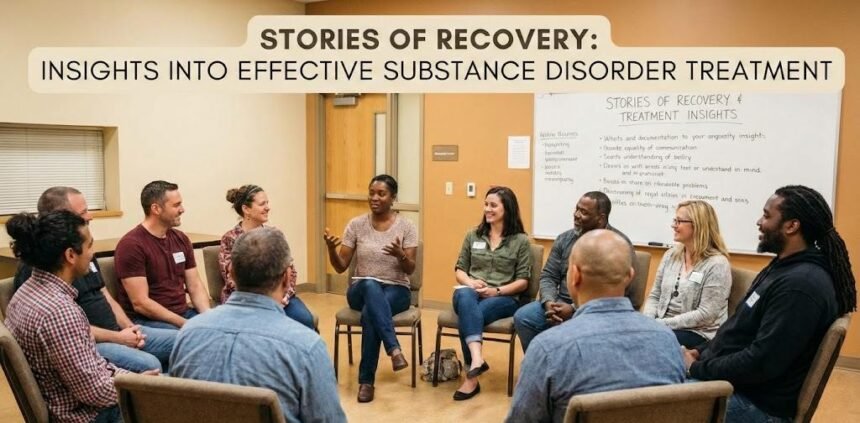
Recovery from substance use disorder is never a straight path. For many, it is a journey marked by setbacks, breakthroughs, and profound personal growth. Understanding what makes substance disorder treatment effective can offer hope, clarity, and practical guidance for those navigating this challenging terrain.
Human Side of Recovery
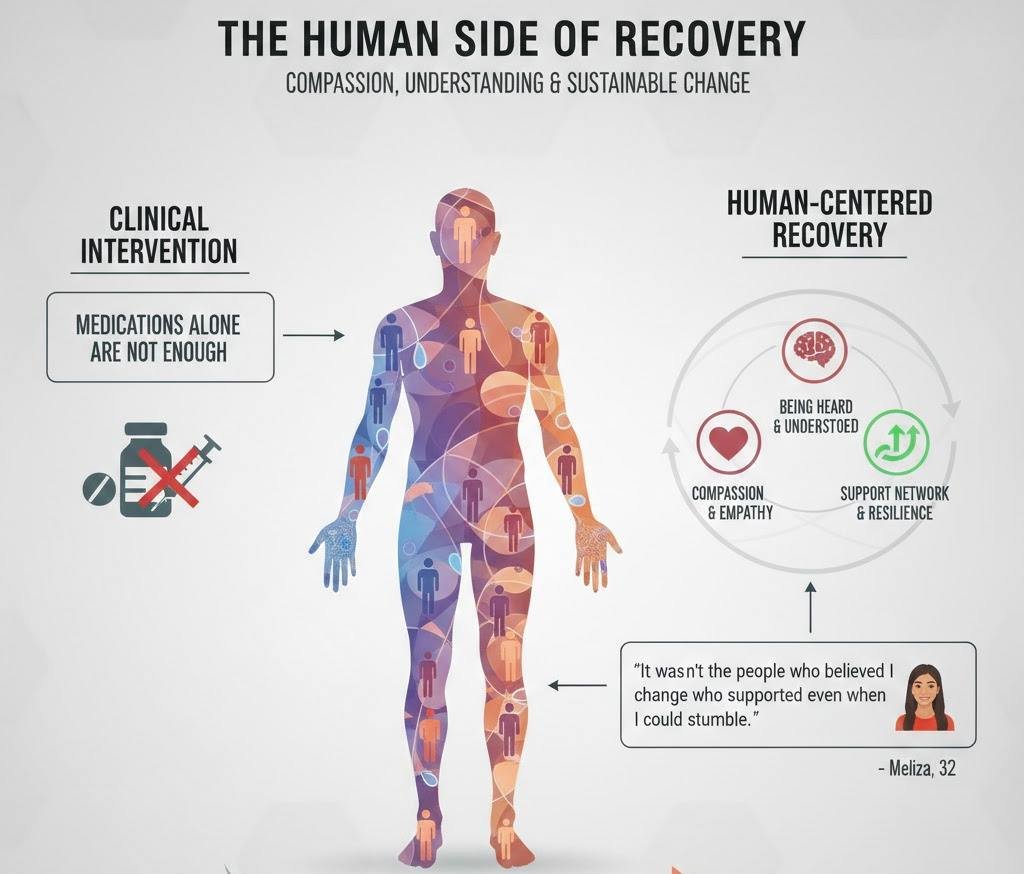
Recovery is more than clinical interventions; it is deeply personal. Each person’s story is unique, shaped by experiences, support networks, and individual resilience. Listening to these stories can reveal what truly matters in effective treatment: compassion, understanding, and an environment that encourages sustainable change.
For instance, Meliza, a 32-year-old recovering from opioid addiction, emphasises the importance of feeling heard. “It wasn’t the medications alone that helped me,” she shares. “It was the people who believed I could change who supported me even when I stumbled.” Her experience underscores that effective treatment extends beyond the physical management of addiction; it involves emotional and social dimensions as well.
Comprehensive Approaches Work Best
Research and real-life experience both suggest that a combination of approaches is most effective. Substance disorder treatment that integrates multiple components of medical care, therapy, and peer support addresses not only the addiction itself but also its underlying causes.
- Medical and Clinical Support: Detoxification and medication-assisted treatments can help manage withdrawal symptoms and reduce cravings.
- Therapeutic Interventions: Cognitive-behavioural therapy, motivational interviewing, and family therapy help individuals develop coping strategies, identify triggers, and rebuild healthy relationships.
- Peer and Community Support: Support groups, recovery coaches, and community networks offer accountability, encouragement, and a sense of belonging. Many people report that connecting with others who have shared experiences is a cornerstone of lasting recovery.
These components are most effective when tailored to the individual. A young adult facing substance misuse due to social pressures may benefit more from peer support, while someone with long-standing trauma may require intensive therapy alongside medical care.
Role of Environment in Recovery
Stories from those in recovery often highlight the critical role of the environment. Safe, structured, and supportive surroundings create a sense of stability, which is essential for change. Conversely, returning to environments that reinforce old habits can make sustained recovery more challenging.
Aman, a 45-year-old recovering from alcohol dependence, recalls: “When I moved back in with friends who were still drinking, I relapsed almost immediately. It wasn’t about willpower, it was about my environment.” Effective substance disorder treatment programs often include guidance on creating supportive living conditions and avoiding triggers.
Addressing Stigma and Encouraging Openness
A recurring theme in recovery stories is the impact of stigma. Many individuals delay seeking help because of shame or fear of judgment. Challenging these stigmas through education, public dialogue, and personal storytelling can make treatment more accessible and effective.
Fatima, who has maintained sobriety for over five years, emphasises this point: “The moment I could talk openly about my struggles, everything changed. I felt like I wasn’t fighting alone anymore.” Encouraging openness not only benefits the individual but also strengthens the broader recovery community.
Long-Term Recovery is a Process, Not an Event
The most consistent insight from real-life stories is that recovery is ongoing. Effective substance disorder treatment is not about a single intervention but about equipping individuals with tools for long-term resilience. Relapses may occur, but they are not failures; they are part of the learning process.
Techniques such as mindfulness, goal setting, and self-reflection can help sustain recovery over the long term. Equally important is cultivating relationships that reinforce positive change, whether with family, friends, or peers in recovery communities.
Lessons from Personal Stories
Across countless recovery narratives, certain lessons emerge:
- Personalisation is key: No two journeys are the same; treatments must adapt to individual needs.
- Support systems matter: Emotional and social support dramatically increase the likelihood of sustained recovery.
- Environment influences success: Safe, stable, and positive surroundings make a measurable difference.
- Openness reduces stigma: Sharing experiences fosters understanding and encourages more people to seek help.
- Recovery is ongoing: Success is measured in resilience and growth, not perfection.
These lessons illustrate that recovery is holistic. It is about integrating medical, psychological, and social support into a cohesive, compassionate framework.
Moving Forward: Building Awareness and Understanding
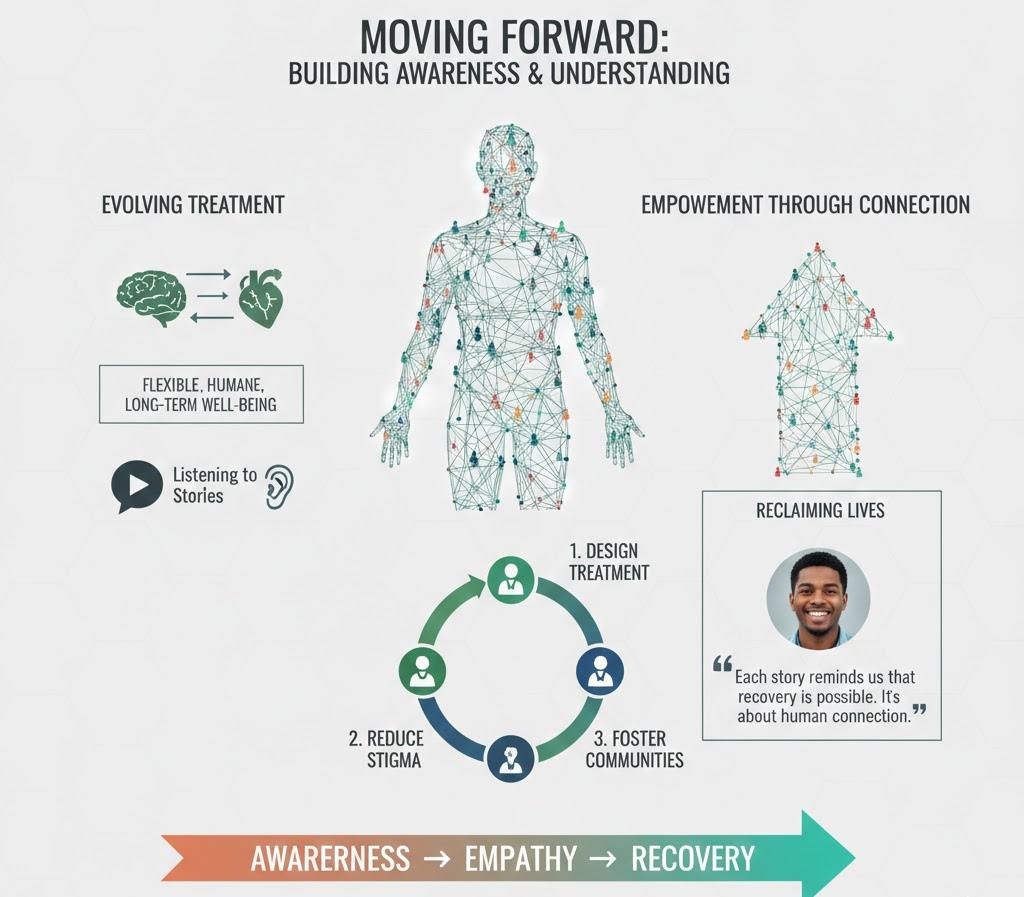
As society gains a deeper understanding of substance use disorders, the approach to treatment continues to evolve. Stories of recovery highlight the need for systems that are flexible, humane, and focused on long-term well-being. By listening to these stories, society can better design treatment programs, reduce stigma, and foster communities that empower individuals to reclaim their lives.
In the end, effective substance disorder treatment is as much about human connection as it is about therapy or medication. Each story reminds us that recovery is possible, that compassion matters, and that no one has to walk the path alone.
Final Conclusion
Recovery from substance use disorder is not defined by perfection, but by persistence. The stories shared by individuals navigating recovery remind us that healing is possible when treatment goes beyond symptom management and embraces the whole person, their experiences, environment, and emotional needs.
Effective substance disorder treatment works best when it is compassionate, personalised, and multidimensional. Medical care may stabilise the body, therapy can reshape thought patterns, and community support strengthens resilience, but it is the human connection that often becomes the turning point.
By promoting supportive environments, reducing stigma, and promoting open dialogue, we can help more individuals seek help earlier and remain engaged in their recovery journey. Ultimately, recovery is not a destination but an evolving process of growth, self-discovery, and rebuilding a meaningful life.
No one’s journey looks the same, and that is precisely why flexible, person-centred care remains the foundation of lasting recovery.
Disclaimer
This article is intended for educational and informational purposes only. It does not constitute medical advice, diagnosis, or treatment. Substance use disorder is a complex health condition that requires professional assessment and support.
Individuals struggling with substance use are strongly encouraged to seek guidance from qualified healthcare providers, mental health professionals, or accredited treatment programs. Treatment approaches should always be tailored to individual needs and supervised by licensed professionals.
If you or someone you know is in immediate danger or experiencing a medical emergency related to substance use, please seek urgent medical assistance.
Additional Resources
For Further Reading
- National Institute on Drug Abuse. (2020). Drugs, Brains, and Behavior: The Science of Addiction — National Institute on Drug Abuse
- Volkow, N. D., & Boyle, M. (2018). Neuroscience of Addiction: Relevance to Prevention and Treatment
- Kelly, J. F., & Yeterian, J. D. (2012). The Role of Mutual-Help Groups in Extending the Framework of Treatment
- McLellan, A. T., Lewis, D. C., O’Brien, C. P., & Kleber, H. D. (2000). Drug Dependence, a Chronic Medical Illness
Support Resources
- Substance Abuse and Mental Health Services Administration (SAMHSA) — Substance Abuse and Mental Health Services Administration
- Offers treatment locators, helplines, and recovery guidance.
- World Health Organisation (WHO) — World Health Organisation
- Provides global resources and guidelines on substance use disorders.
- Narcotics Anonymous (NA) — Narcotics Anonymous
- Peer-led support groups are available worldwide.
- Alcoholics Anonymous (AA) — Alcoholics Anonymous
- Community-based recovery meetings and support networks.