


When someone is trying to reduce or stop alcohol use, cravings can feel like the hardest obstacle to overcome. While counselling, support systems, and structured care, such as what you might find at an accredited treatment center in Arizona, are essential components of recovery, nutrition is often overlooked. Yet what you eat can directly influence how often cravings arise, how intense they feel, and how well your body stabilizes during the recovery process.
Alcohol affects blood sugar, brain chemistry, and nutrient levels in ways that can intensify the urge to drink. Rebuilding the body through intentional nutrition is not a cure-all, but it can significantly reduce the physical drivers behind cravings. The right foods help regulate mood, improve energy, and support neurotransmitter balance, making it easier to stay on track.
Doctiplus takes a closer look at how food choices can support recovery, along with the science behind why certain nutrients and eating patterns can reduce alcohol cravings.
Why Do Alcohol Cravings Happen?
Cravings are not just about willpower. They are deeply rooted in biology.
Alcohol disrupts the balance of key neurotransmitters like dopamine, serotonin, and GABA. Over time, the brain begins to rely on alcohol to regulate mood and stress. At the same time, alcohol causes spikes and crashes in blood sugar, which can trigger irritability, fatigue, and a renewed desire to drink.
Many people in early recovery also experience nutrient deficiencies. Alcohol interferes with the absorption of vitamins like B-complex, magnesium, and zinc, nutrients that play critical roles in brain function and emotional regulation.
This is why addressing cravings requires more than just avoidance. It involves rebuilding the body’s internal stability.
How Food Can Reduce Drinking Cravings
Food plays a key role in three major areas that influence cravings:
First, it stabilizes blood sugar. When blood sugar drops, the body often signals for quick energy, which can feel like a craving for alcohol.
Second, it supports neurotransmitter production. Amino acids from protein-rich foods help the brain produce chemicals that regulate mood and reduce anxiety.
Third, it replenishes depleted nutrients. A well-balanced diet restores vitamins and minerals that alcohol use may have drained.
These effects combine to create a more stable physical and emotional baseline, making cravings less frequent and less intense.
Protein-Rich Foods and Craving Control

Protein is one of the most effective tools for reducing alcohol cravings.
Foods like eggs, chicken, fish, beans, and Greek yogurt provide amino acids that support the production of dopamine and serotonin. These neurotransmitters are essential for feelings of reward, satisfaction, and emotional balance.
Eating protein regularly throughout the day helps prevent energy dips that can trigger cravings. It also promotes a steady release of glucose into the bloodstream, which reduces the likelihood of sudden hunger or irritability.
A common question people ask is: How much protein is enough? While individual needs vary, including a source of protein at every meal and even snacks can make a noticeable difference in how stable you feel.
Complex Carbohydrates and Mood Stability
Carbohydrates often get a bad reputation, but they play an important role in recovery when chosen wisely.
Complex carbohydrates like whole grains, oats, quinoa, and sweet potatoes provide a slow and steady release of energy. This helps prevent blood sugar crashes that can mimic or trigger alcohol cravings.
Carbohydrates also support serotonin production. This is particularly important for individuals who use alcohol to cope with anxiety or low mood.
Refined sugars, on the other hand, can worsen cravings. They cause rapid spikes in blood sugar followed by sharp declines, which can leave you feeling depleted and more vulnerable to urges.
Balancing carbohydrates with protein and healthy fats creates a more stable and satisfying eating pattern.
Healthy Fats and Brain Recovery
The brain relies heavily on healthy fats for optimal function.
Foods like avocados, nuts, seeds, and olive oil provide essential fatty acids that support cognitive health and emotional regulation. Omega-3 fatty acids, found in fatty fish like salmon, are particularly beneficial for reducing inflammation and improving mood.
In early recovery, the brain is healing from the effects of alcohol. Including healthy fats in your diet can support this process and help reduce the intensity of cravings over time.
Some people worry that eating more fat will lead to weight gain, but when consumed as part of a balanced diet, healthy fats can actually improve satiety and reduce overeating.
Hydration and Its Surprising Impact
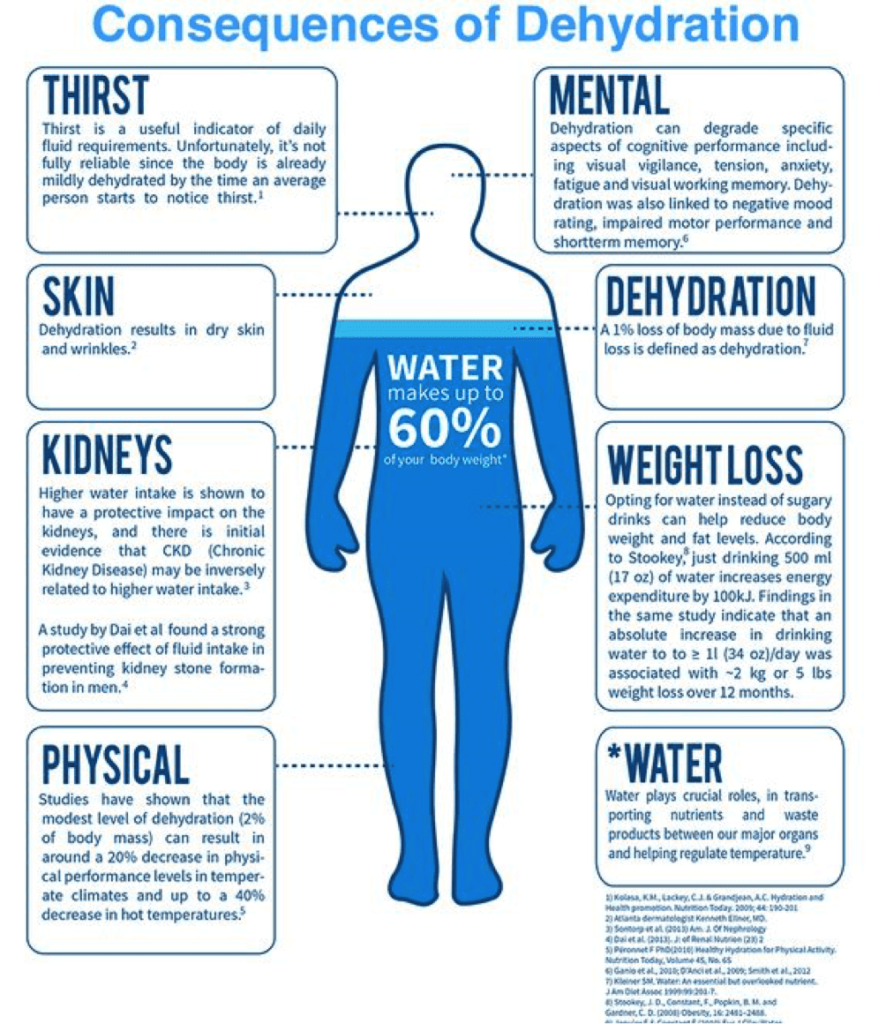
Dehydration is a common but often overlooked trigger for cravings.
Alcohol is a diuretic, which means it causes the body to lose fluids and electrolytes. Even after stopping alcohol use, lingering dehydration can contribute to fatigue, headaches, and irritability symptoms that can be mistaken for cravings.
Drinking enough water throughout the day helps restore balance and supports overall physical function. Adding electrolyte-rich foods like leafy greens, bananas, and coconut water can further support hydration.
A simple strategy is to pause and drink a glass of water when a craving hits. In some cases, the craving may diminish once the body is rehydrated.
Foods That Help Repair Nutrient Deficiencies

Replenishing key nutrients is essential for reducing cravings and supporting recovery.
B vitamins are especially important. They play a critical role in energy production and brain function. Foods like leafy greens, whole grains, eggs, and legumes are excellent sources.
Magnesium is another key nutrient. It helps regulate stress and supports sleep. Nuts, seeds, and dark chocolate can help restore magnesium levels.
Zinc supports immune function and brain health, and it can be found in foods like meat, shellfish, and beans.
Many individuals entering recovery benefit from nutritional guidance alongside clinical care. This is one reason comprehensive programs, such as those offered by an accredited treatment center in Arizona, often include dietary support as part of a holistic treatment approach.
Can Sugar Replace Alcohol?
A common experience in early recovery is a strong craving for sugar.
This happens because alcohol and sugar both activate the brain’s reward system. When alcohol is removed, the body may seek a substitute source of quick dopamine release.
While occasional sweets are not inherently harmful, relying heavily on sugar can prolong the cycle of cravings. It can also lead to energy crashes that make recovery more difficult.
A more effective approach is to satisfy sweet cravings with nutrient-dense options like fruit, which provide natural sugars along with fiber and vitamins.
Over time, as the brain chemistry stabilizes, sugar cravings often decrease.
Creating a Sustainable Eating Pattern
Consistency matters as much as food choice.
Skipping meals or going long periods without eating can destabilize blood sugar and increase vulnerability to cravings. Eating regular, balanced meals helps maintain steady energy and mood throughout the day.
A sustainable pattern might include three meals and one or two snacks, each containing a combination of protein, complex carbohydrates, and healthy fats.
Planning can also make a significant difference. Having nutritious options readily available reduces the likelihood of turning to convenience foods or skipping meals altogether.
What About Caffeine?
Caffeine can be a double-edged sword in recovery.
On the one hand, it can improve alertness and mood. On the other hand, excessive caffeine can increase anxiety and disrupt sleep, both of which can trigger cravings.
Moderation is key. Paying attention to how your body responds to caffeine can help you determine what level is appropriate.
For some individuals, reducing caffeine intake during early recovery leads to greater emotional stability and fewer cravings.
When Nutrition Alone Isn’t Enough
While food plays a powerful role in managing cravings, it is not a substitute for comprehensive care.
Cravings are influenced by psychological, social, and environmental factors as well. Therapy, peer support, and structured treatment programs address these dimensions in ways that nutrition alone cannot.
For individuals with moderate to severe alcohol use disorder, professional care may be necessary. A program at an accredited treatment center in Arizona can provide medical supervision, behavioral therapy, and integrated nutritional support to address cravings from multiple angles.
Combining these approaches often leads to more sustainable outcomes.
A Holistic View of Recovery
Recovery is not about eliminating cravings overnight. It is about building a lifestyle that makes them easier to manage.
Nutrition is a foundational piece of that lifestyle. By stabilizing blood sugar, supporting brain chemistry, and replenishing essential nutrients, the right foods can reduce the physical intensity of cravings and create a stronger platform for long-term change.
At the same time, it is important to approach recovery with flexibility and self-awareness. What works for one person may not work for another, and it often takes time to find the right balance.
Food for Thought in Your Recovery
Food is more than fuel during recovery; it is a tool for healing.
Choosing nutrient-dense, balanced meals can help regulate the body systems that drive cravings, making it easier to stay committed to your goals. While nutrition alone is not a complete solution, it is a powerful and accessible way to support the recovery process.
For those seeking additional support, combining nutritional strategies with professional care can provide a more comprehensive path forward.Understanding the connection between what you eat and how you feel is a meaningful step toward lasting change.