

Tooth decay affects nearly 60% of children ages 6 to 11, making it five times more common than asthma in the same age group. Despite decades of fluoridation and improved oral health education, cavities remain the most prevalent chronic disease of childhood. The permanent teeth that emerge between ages 6 and 12 must last a lifetime, yet this is the exact window when many families delay or skip routine visits.
Children who establish consistent dental checkups during these critical years build healthier teeth and stronger preventive habits that protect them well into adulthood. For parents making decisions about their child’s care, understanding why working with a preventive dentist in Plaza Midwood matters can reshape their entire family’s approach to oral health.
Why Regular Dental Checkups Matter for Children
While brushing and flossing at home are essential, the real protection comes from professional monitoring that catches problems at their earliest, most treatable stages. Children’s enamel is still maturing and far more vulnerable to acid attacks from bacteria. A tiny area of demineralisation can become a full cavity within months if left undetected.
Visits every six months align with how quickly dental problems develop, giving dentists multiple opportunities to intervene before minor concerns become major procedures. Professional cleanings also remove plaque and tartar build-up in areas children consistently miss, creating a clean foundation that makes daily brushing more effective.
How Children’s Oral Health Develops and What Dentists Monitor
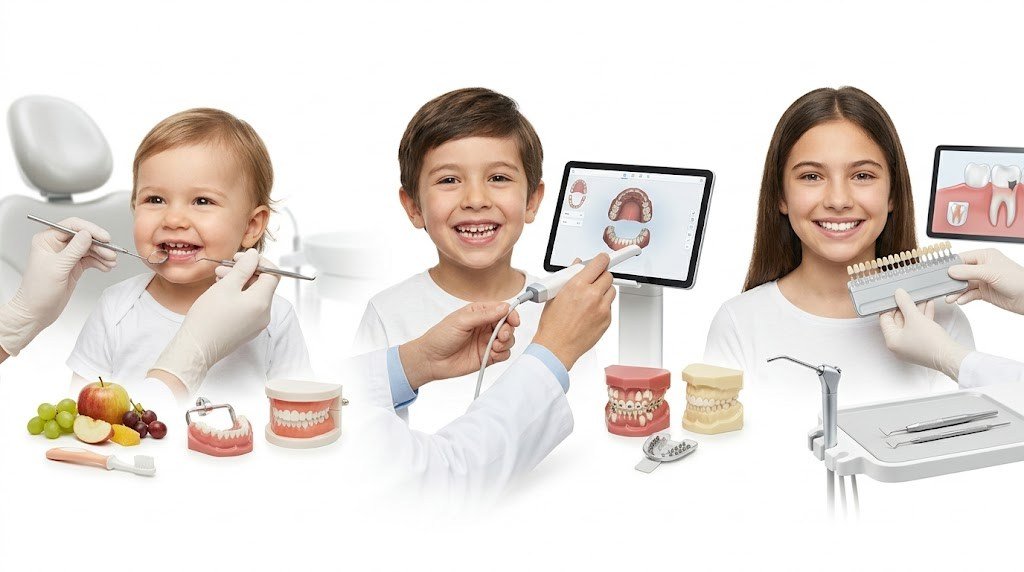
A child’s mouth changes dramatically between birth and age 18. Unlike adult dentistry, paediatric care must account for rapid growth, tooth eruption patterns, and stage-specific vulnerabilities. Primary teeth are far more than placeholders. They guide permanent teeth into position and maintain proper spacing. Losing them early due to decay can cause crowding that requires years of orthodontic correction.
Key Areas Dentists Evaluate at Each Visit
| Area of Focus | Why It Matters |
| Tooth eruption timing | Delays or premature emergence can signal underlying developmental issues that benefit from early treatment. |
| First permanent molars | Appear around age 6 behind all primary teeth. Families often mistake them for baby teeth, but they need immediate protection. |
| Bite and jaw alignment | Oral habits can distort alignment. Early correction during growth years avoids more intensive treatment later. |
| Enamel quality | White spots, defects, or wear patterns from grinding indicate acid damage or clenching habits. |
| Saliva flow | Healthy saliva neutralises acid and fights bacteria. Low flow increases decay risk. |
| Hygiene effectiveness | Brushing advice evolves as motor skills improve and the mouth changes through each stage. |
One concern that often goes unnoticed is that thumb sucking or prolonged pacifier use can alter how teeth align and affect jaw development over time. When identified early, these habit-related changes can often be corrected naturally during the growth years, whereas waiting until adolescence may require braces or more involved orthodontic procedures.
Preventive Treatments That Protect Children’s Teeth
Modern paediatric dentistry focuses on stopping decay before it starts, moving well beyond the traditional approach of drilling and filling after damage is done.
Fluoride Varnish vs. Dental Sealants
Both treatments are painless, require no drilling, and take just minutes. Here is how they compare:
| Feature | Fluoride Varnish | Dental Sealants |
| How it works | Remineralises enamel and strengthens it against acid attacks | Creates a physical barrier over pits and grooves on molars |
| Best for | All tooth surfaces, especially newly erupted teeth | Chewing surfaces of back molars where bacteria collect |
| Effectiveness | Reverses early white-spot lesions and prevents new acid damage | Reduces molar decay by up to 80% in the first two years |
| How long it lasts | Reapplied every 3 to 6 months | Lasts several years with routine monitoring |
| Pain or drilling | None | None |
For families working with a preventive dentist in Plaza Midwood, combining both treatments creates a layered prevention strategy that dramatically lowers the chance of future cavities.
Daily Cavity Prevention Practices
Beyond in-office treatments, these evidence-based habits make a measurable difference:
- Prescription-strength fluoride toothpaste: Provides therapeutic fluoride levels that can reverse early decay. Requires monitoring in younger children who may swallow toothpaste.
- Sugar frequency over quantity: Sipping a sugary drink over an hour causes prolonged acid exposure, while consuming the same amount quickly lets saliva neutralise the acid faster.
- Watch for hidden sugars: Dried fruits, crackers, flavoured medicines, and starchy snacks all feed cavity-causing bacteria.
- XPersonalised dental guidance: Your child’s dentist adjusts recommendations based on observed outcomes, ensuring prevention targets their specific risk factors.
How Parents Can Support Healthy Dental Habits at Home
Most children lack the manual dexterity for thorough brushing until around age 8. Parents should supervise or directly assist well beyond when many step back. Timers, brushing apps, or songs help structure a full two-minute routine for younger children.
Framing dental care as a natural part of looking after yourself, rather than a chore imposed by adults, helps build habits that stick. Children who feel ownership over their oral hygiene are far more likely to maintain good practices once they gain independence.
Know when to act quickly and when to wait. A knocked-out permanent tooth requires care within an hour. Most other concerns, such as a chipped baby tooth or minor gum soreness, can safely wait for regular office hours. Calm preparation prevents unnecessary panic.
Psychological and Wellness Impact of Dental Health

The effects of poor oral health extend far beyond the mouth. Children with dental pain miss more school, concentrate less in class, and withdraw from social activities. Visible dental problems can trigger teasing and reduced confidence during formative years. Sleep quality also suffers when pain, difficulty chewing, or mouth breathing disrupts rest, creating a cascade affecting immune function and emotional regulation.
Conversely, children who maintain healthy teeth through regular care build trust in healthcare providers and confidence in their ability to look after themselves. They learn that prevention works better than treatment, a lesson that transfers to every other area of health.
Conclusion
Regular dental checkups are not just about catching cavities. They create a comprehensive monitoring system that tracks your child’s development, corrects emerging problems before they escalate, and builds habits that last a lifetime. Preventive treatments like fluoride varnish and sealants, combined with personalised guidance from a trusted dental professional, give children the strongest possible foundation for lifelong oral health.
If your child has not had a dental visit in the past six months, now is the time to schedule one. Early, consistent care is the single most effective investment you can make in their smile and overall well-being.
References
- American Dental Association. (2024). Oral Health Surveillance Report: Children and Adolescents.
- Centers for Disease Control and Prevention. (2023). Dental Sealants Prevent Cavities.
- American Academy of Pediatric Dentistry. (2023). Guideline on Fluoride Therapy.
- American Academy of Pediatric Dentistry. (2023). Policy on Oral Habits.
- National Institute of Dental and Craniofacial Research. (2024). Dental Caries in Children (Age 2 to 11).
- World Health Organization. (2023). Global Oral Health Status Report.
Disclaimer
This article is for informational and educational purposes only and does not constitute professional dental or medical advice. It is not a substitute for diagnosis, treatment, or consultation with a qualified healthcare provider. Always consult your child’s dentist or paediatrician for guidance tailored to their individual health needs. The statistics and treatment information referenced are based on publicly available data from recognised dental health organisations and may be updated over time.